

We may earn a commission when you buy through links on this page, at no extra cost to you. Learn more.
Is cuvee sweet or dry? Cuvée can be either sweet or dry because the word describes a particular wine selection, blend, or production batch rather than a specific sweetness level. A bottle labeled Cuvée Brut is generally dry, while a Cuvée Demi-Sec is noticeably sweeter. To determine the actual sweetness, look for terms such as Brut, Extra Brut, Sec, Demi-Sec, or Doux on the label rather than relying on the word cuvée alone.
Wine labels can be confusing when French terminology appears without an explanation. Cuvée is a particularly common example: it appears on Champagne, other sparkling wines, and still wines, sometimes as part of a producer’s main bottling name. Understanding the term makes it easier to choose a bottle for an aperitif, dinner, celebration, or dessert. The important distinction is that cuvée describes the wine’s identity or composition, while other label information communicates its sweetness and style.
What Cuvée Means on a Wine Bottle
Cuvée refers to a particular wine, selection, or batch, but its exact meaning depends on the country and production context. It does not have one universal definition that tells drinkers whether a bottle is sweet, dry, sparkling, or still.
The word comes from the French cuve, meaning a vat or fermentation tank. According to the German Sekt Association, French usage can refer to any bottled wine from an estate, including a single-vineyard wine or a blend. German usage more specifically associates the term with blending different grape varieties, sometimes through co-fermentation and sometimes through the mixing of finished wines.
In practical terms, a producer might use Cuvée to identify a special blend of Chardonnay and Pinot Noir, a particular selection of vineyard lots, or a named bottling within a wine range. Another winery might use the same word for a single-variety wine selected from particular barrels. The term therefore tells you something about how the producer identifies the wine, but it does not establish a standard recipe or flavor profile.
The distinction is particularly important for sparkling wine. The International Organisation of Vine and Wine (OIV) uses cuvée as a technical production term for the wine or mixture prepared for secondary fermentation. That mixture can contain base wine, grape must, or combinations of several permitted wine materials. This technical definition is different from the broader way the word appears on retail labels. The OIV’s explanation of sparkling wine production provides further detail about cuvée composition and blending.

Think of cuvée as the name of a particular selection rather than a tasting description. A bottle called Prestige Cuvée might be a producer’s carefully selected sparkling wine, while a bottle called Cuvée Rouge might be a red blend. Neither name independently establishes residual sugar, alcohol level, acidity, or tannin.
For American shoppers, the most useful approach is to treat cuvée as a descriptive or branding term and look for additional information about the wine. The grape varieties, region, vintage, and sweetness designation provide a much clearer picture of what is inside the bottle.
Why Cuvée Does Not Indicate Sweetness
Sweetness is determined by the wine’s sugar content and winemaking choices, not by whether the producer calls the wine a cuvée. A cuvée can be made in a crisp, bone-dry style or in a noticeably sweet style, depending on its production and final composition.
For still wine, sweetness depends largely on how much fermentable grape sugar remains after alcoholic fermentation. Yeast converts grape sugar into alcohol, but fermentation can be stopped before all the sugar is consumed, or the finished wine can be adjusted using permitted winemaking methods. The result can range from very dry to dessert-sweet.
For sparkling wine, the final sweetness is also influenced by dosage. After the second fermentation and disgorgement in traditional-method production, a producer may add a mixture called expedition liqueur. This addition can contain wine and sugar, and it helps establish the finished sparkling wine’s sweetness category. The OIV identifies dosage as a production step that contributes to the final sensory characteristics of sparkling wine.
These production decisions are independent of the name cuvée. For example, two producers could make wines called Cuvée Blanc using different grape varieties and different amounts of residual sugar. One could be a crisp, dry sparkling wine, while the other could be a fruitier, sweeter still wine.
Even the word prestige does not automatically mean a wine is dry or sweet. Prestige Cuvée is commonly used to identify a producer’s special or premium bottling, but the expression itself is not a sweetness classification. The wine’s dosage or residual sugar determines its sweetness, not the prestige description.
It also helps to distinguish perceived sweetness from actual sugar content. A wine with pronounced ripe fruit aromas may smell sweet even when it is dry. High acidity can make a wine seem particularly refreshing, while lower acidity and ripe fruit flavors can create a softer impression. A sparkling wine can therefore taste round and fruity without belonging to a sweet category.
Tip: If the front label says only Cuvée, look for a separate sweetness designation or consult the producer’s technical description. The word alone cannot tell you whether the wine is dry or sweet.
How to Identify Sweetness in Sparkling Cuvée
For sparkling cuvée, the fastest way to identify sweetness is to read the dosage category. Brut Nature and Extra Brut are among the driest options, Brut is also dry, and Demi-Sec and Doux indicate increasingly sweet styles.
Champagne provides a particularly useful labeling system. The Comité Champagne explains that the dosage category is compulsory information on Champagne labels. These designations refer to grams of sugar per liter, making them more informative than a producer’s individual cuvée name. Its official Champagne FAQ also explains the distinctions between the sweetness categories.
The following categories show the typical progression from driest to sweetest. The figures are the official Champagne dosage thresholds published by the Comité Champagne.
| Label designation | Sugar per liter | General taste impression |
|---|---|---|
| Brut Nature | Less than 3 g/L | Very dry |
| Extra Brut | Less than 6 g/L | Very dry |
| Brut | Less than 12 g/L | Dry |
| Extra Dry | 12–17 g/L | Off-dry impression |
| Sec | 17–32 g/L | Noticeably sweeter |
| Demi-Sec | 32–50 g/L | Sweet |
| Doux | More than 50 g/L | Very sweet |
One of the most important details is that Extra Dry is actually sweeter than Brut. This surprises many American shoppers because the phrase sounds as though it should describe an especially dry wine. In the sparkling-wine classification, however, Extra Dry sits above Brut in sugar content. Sec, Demi-Sec, and Doux continue the progression toward sweeter styles.
These categories also explain why two bottles with similar cuvée names can taste quite different. A Brut Cuvée is generally a dry choice for people who enjoy fresh acidity and restrained sweetness. A Demi-Sec Cuvée has substantially more sugar and is often more suitable for fruit desserts or sweeter foods.
It is useful to remember that these numerical thresholds are the Champagne classification. Other sparkling-wine regions use their own applicable labeling rules, even though similar terminology is widely recognized internationally. German Sekt, for example, also uses categories including Brut Nature, Extra Brut, Brut, Extra Dry, Dry, Medium Dry, and Sweet.
For a straightforward introduction to the driest popular sparkling styles, see our guide to is brut champagne sweet or dry. It explains why Brut is dry without meaning that every trace of sugar has disappeared.
Still Wine Cuvée and Sparkling Wine Cuvée
Cuvée is not exclusively a sparkling-wine term. Producers also use it for still red, white, and rosé wines, so the bottle’s wine type needs to be identified before you can judge its likely sweetness.
A still white cuvée might combine Chardonnay and Sauvignon Blanc to balance texture, freshness, and aromatic intensity. A red cuvée might combine Merlot and Cabernet Sauvignon to bring together softer fruit character and firmer tannin. These blends are designed around the producer’s desired flavor profile rather than a fixed sweetness requirement.
Some still wines are labeled Cuvée Spéciale, Cuvée Réservée, or another variation. These expressions generally identify a named selection or particular bottling. Their precise significance depends on the producer and region. They do not automatically establish a minimum grape quality, a specific aging period, or a sweetness level.
There are also important differences between the way the word is used in traditional sparkling production and its use on still wine. The OIV’s technical definition connects sparkling cuvée with the material intended for secondary fermentation. A still wine bearing the word may simply be a named batch or blend that is already finished and ready for bottling.
Consider three possible examples:
- White Cuvée: A dry still blend of Chardonnay and Sauvignon Blanc, with fresh acidity and citrus or orchard-fruit flavors.
- Red Cuvée: A blend of Merlot and Cabernet Sauvignon, potentially showing dark fruit, moderate-to-high tannin, and a dry finish.
- Sparkling Cuvée: A bottle-fermented or tank-fermented wine whose final sweetness depends on its dosage category and production choices.
These examples demonstrate why it is unwise to assume that every cuvée is Champagne or even sparkling wine. The producer’s use of the word is not enough to identify the winemaking method.
For readers exploring other wine styles, our Wine by Type resource offers a broader way to understand the differences between red, white, rosé, sparkling, and other categories. Identifying the wine type first makes sweetness descriptions easier to interpret.
Popular Cuvée Styles and What They Taste Like
Cuvée wines can cover a wide range of styles, from crisp sparkling bottles to rich red blends and aromatic whites. The grape varieties, growing conditions, fermentation decisions, and final sugar content all influence the finished character.
In sparkling wine, a Brut Cuvée often combines freshness with restrained sweetness. Chardonnay can contribute citrus character and acidity, while Pinot Noir can provide body and structure. Pinot Meunier is another important Champagne grape, frequently contributing fruitiness and roundness to blends. The proportions vary by producer, so no single combination defines every Brut Cuvée.
A Rosé Cuvée can be dry or sweet. Its pink color describes its style, not its sugar content. Some bottles offer crisp red-berry flavors and a dry finish, while others have a softer, fruitier impression. The distinction between dry and sweet remains a separate labeling question.
Still red cuvées can offer a different experience. A Merlot and Cabernet Sauvignon blend may combine plum and blackcurrant flavors with a structured finish. Syrah-based blends can bring darker fruit, spice, and more pronounced tannin. These wines are often fermented to dryness, but the term cuvée does not guarantee that outcome.
White cuvées are equally varied. A Chardonnay-led blend might have a fuller texture, while a Sauvignon Blanc-led blend can emphasize citrus, herbs, and lively acidity. Riesling-based blends may show particularly pronounced acidity, which can balance a small amount of residual sugar.
It is also helpful to separate grape characteristics from sweetness. A wine can smell like peach, apple, strawberry, or tropical fruit without containing much residual sugar. Fruit aromas are part of the wine’s aromatic profile; sweetness is a separate taste sensation.
Rosé offers a useful comparison because shoppers frequently confuse color with sweetness. A pale pink wine is not necessarily drier than a darker pink wine. If you are comparing pink bottles, our guide to is rose sweet or dry explains how to distinguish color, style, and actual sweetness.
Choosing, Serving, and Pairing Cuvée Wine
The best cuvée for a meal depends on its sweetness, acidity, body, and tannin rather than its name. A dry sparkling cuvée suits many savory foods, while a sweeter version can work particularly well with fruit-based desserts and spicy dishes.
For an aperitif, Brut and Extra Brut sparkling wines are versatile choices. Their freshness and bubbles complement salty appetizers, seafood, and light cheeses. A dry Chardonnay-based cuvée can also work with shellfish, especially when the dish includes lemon or other acidic ingredients.
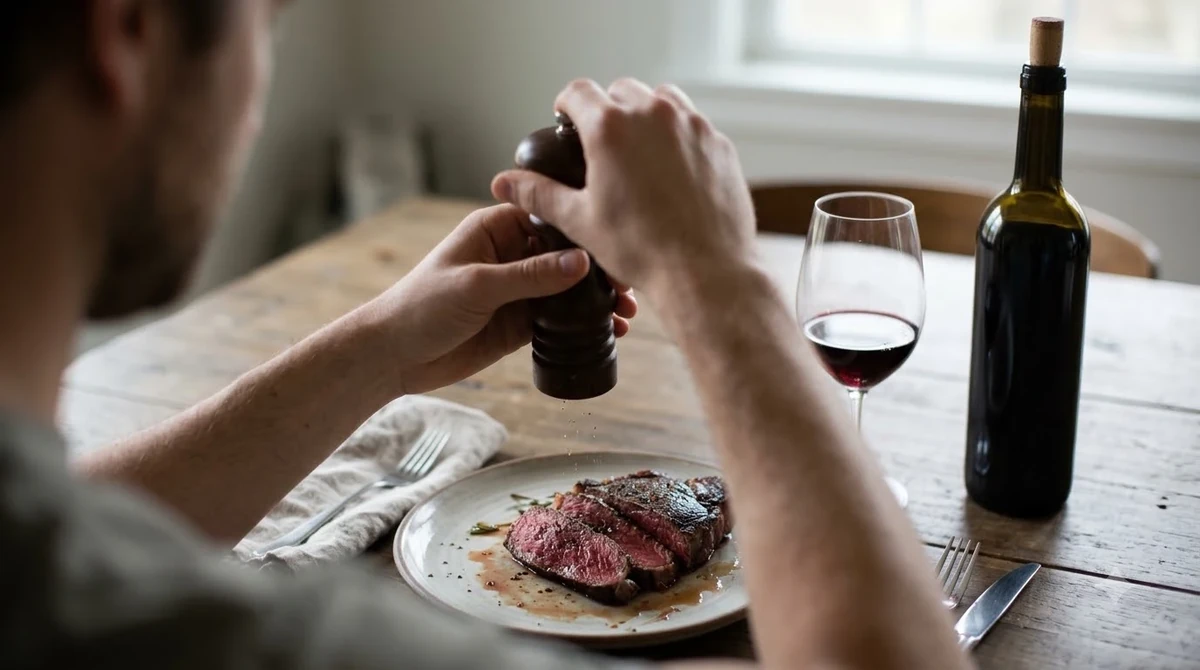
For a richer meal, consider the body and structure of the wine. A red cuvée containing Cabernet Sauvignon can pair with grilled beef because protein and fat soften the perception of tannin. Merlot-based blends are often softer, making them suitable for roast poultry, meat dishes, and tomato-based meals, depending on their structure.
Sweetness matters particularly with dessert. The wine should generally be at least as sweet as the food. A dry Brut sparkling wine may taste sharply acidic beside a very sweet cake because the dessert makes the wine seem more tart. A Demi-Sec or Doux cuvée can be a better match for fruit tarts and sweeter pastries.
For spicy foods, a slightly sweet, lower-alcohol white cuvée can be a useful option. High alcohol and strong tannin can intensify the perception of chili heat. A fruit-forward wine with refreshing acidity may provide a more comfortable balance than a powerful tannic red.
Serving temperatures
Serving temperature influences how a cuvée expresses its aromas, acidity, and texture. Sparkling wine is best served between 40 and 50 F, while light white wines and rosé generally work well between 45 and 50 F. Fuller-bodied white wines benefit from slightly warmer service, around 50 to 55 F.
For red cuvées, lighter styles generally suit 55 to 60 F, while fuller-bodied reds are best served around 60 to 65 F. Sweet white cuvées are typically served between 43 and 50 F. These ranges help preserve freshness without making the wine’s aromas difficult to detect.
Portions and storage
A standard 750 ml bottle provides approximately five glasses when each pour is 5 oz. This makes it a practical size for a small dinner or a gathering where guests want to compare two different cuvée styles.
Store unopened bottles in a cool, dark place near 55 F. Still wine bottles with natural corks are generally stored on their sides to keep the cork from drying out. Once opened, sparkling wine generally retains its best character for about one to three days in the refrigerator when properly resealed, while still wines commonly last around three to five days under refrigeration.
These practical details can make a difference when selecting a bottle for a particular occasion. A dry Brut Cuvée is a flexible option for a dinner gathering, while a sweeter sparkling cuvée is more appropriate when the wine is intended to accompany dessert. Matching the actual sweetness and structure to the food is more reliable than choosing by the word cuvée alone.
Frequently Asked Questions
Is Cuvée a French wine classification?
Cuvée is a French-origin wine term, but it is not a universal wine quality classification. Its meaning changes according to regional traditions and production context. In Champagne, it also has a specific historical connection to the first pressing fraction, which is distinct from its broader use on commercial labels.
Is Cuvée always a blend of different grapes?
No. Although many cuvées are blends, a producer can use the word for a selected single-variety wine or an individual batch. A Chardonnay-only cuvée, for example, can still carry the name. The grape information and producer description are more useful than the word itself for identifying its composition.
How do you pronounce Cuvée?
Cuvée is commonly pronounced koo-VAY in English. The final accented é has an ay sound, and the word has two syllables. The pronunciation is useful to know when discussing French sparkling wines at a wine shop or restaurant.
Does Grande Cuvée mean a wine is higher quality?
Grande Cuvée is a producer’s descriptive expression rather than a universal quality grade. Some wineries use it for a particularly important or carefully assembled bottling, but the phrase does not establish a legally standardized quality level. Production details, vineyard information, grape composition, and producer reputation offer more useful context.
Does Cuvée mean the wine comes from one vintage?
No. A cuvée can combine wines from several harvest years, especially in non-vintage sparkling wine production. Blending reserve wines from earlier harvests allows producers to maintain a recognizable house style across different growing seasons. A vintage designation is separate information and identifies a specific harvest year.
Cuvée can describe a dry, off-dry, or sweet wine, so the word alone is not a reliable guide to sweetness. Look for the wine’s specific category, especially Brut, Extra Brut, Demi-Sec, or Doux on sparkling bottles, and consider the grape varieties and producer information for still wines. Once you understand the difference between a wine’s name and its sweetness designation, choosing the right cuvée for your taste and meal becomes much easier.
More in Wine Types & Grapes
 Zinfandel Sugar Content: Dry Red vs. White Zinfandel GramsUpdated Nov 21, 2026
 Best Zinfandel Substitute Options for Sipping and CookingUpdated Nov 21, 2026
 Zweigelt Food Pairing: Best Dishes, Cheeses, and Serving TipsUpdated Nov 21, 2026
 Zinfandel Tannins Explained: How Structure Shapes Every BottleUpdated Nov 21, 2026
 Zinfandel Sweetness Level: Dry Red vs. Sweet White Zin ExplainedUpdated Nov 21, 2026
 Xinomavro Food Pairing: Best Dishes, Styles, and Serving TipsUpdated Nov 21, 2026