

We may earn a commission when you buy through links on this page, at no extra cost to you. Learn more.
Is cupcake prosecco good? Yes, Cupcake Prosecco is a good everyday sparkling wine for drinkers who enjoy fresh fruit flavors, lively bubbles, and an approachable, gently sweet finish. Made from Glera grapes grown in Italy’s Veneto and Friuli regions, it offers citrus, peach, melon, and toasted brioche characteristics. Independent reviews from Wine Enthusiast and Tastings.com rate it positively, making it a reasonable choice for casual celebrations, brunch, and uncomplicated food pairings. However, it is better suited to easygoing occasions than to drinkers seeking the complexity of premium traditional-method sparkling wine.
Cupcake Vineyards Prosecco occupies a familiar place in the American sparkling wine market: an accessible Italian bubbly designed for relaxed drinking rather than formal wine collecting. Its fruit-forward profile and moderate alcohol level make it approachable for people who are new to Prosecco, while its acidity and bubbles provide enough freshness to accompany food. Understanding its sweetness, production method, and flavor profile helps determine whether it belongs in your next shopping basket. Here is what to consider before choosing a bottle.
Who Should Buy Cupcake Prosecco?
Cupcake Prosecco is best suited to casual sparkling wine drinkers who prefer bright fruit, refreshing acidity, and an easy-drinking style. Its 11% ABV and Italian Glera grape character make it particularly practical for brunch, informal celebrations, and light meals.
The wine is a sensible starting point for someone exploring Italian sparkling wine without immediately moving into more expensive or complex styles. Cupcake describes its Prosecco as crisp and bubbly, with citrus and toasted brioche notes. Additional tasting descriptions from Wine.com mention white peach, grapefruit, and honeydew melon. These characteristics create a recognizable combination of orchard fruit and citrus freshness rather than the heavy richness associated with some fuller sparkling wines.
It also makes sense for people who enjoy a slightly rounded finish instead of an aggressively austere sparkling wine. Wine Enthusiast describes the reviewed bottling as balanced, with bright lemon and orange flavors and a gentle touch of sweetness. Tastings.com similarly characterizes its reviewed bottle as dryish, with peach, melon, and orange marmalade notes. Those descriptions suggest a wine that retains freshness without tasting completely neutral or severe.
Drinkers who are likely to enjoy it
- New Prosecco drinkers: The recognizable peach, melon, and citrus flavors provide an approachable introduction to Italian sparkling wine.
- Brunch hosts: Its fresh profile works with pastries, fruit, eggs, and lighter savory dishes.
- Casual party hosts: The familiar sparkling style suits celebrations where guests may have different levels of wine knowledge.
- People who prefer fruit-forward wines: The combination of white peach, grapefruit, and honeydew offers more fruit character than a particularly austere sparkling wine.
- Mimosa enthusiasts: Its citrus freshness makes it a useful base for sparkling wine cocktails.
There are also situations where another sparkling wine would make more sense. Drinkers who prefer very dry Brut Nature wines may find Cupcake’s gentle sweetness noticeable. People looking for the extended yeast-derived complexity of Champagne may also find its straightforward fruit-led character less satisfying.
It helps to think of Cupcake as an everyday Italian Prosecco rather than a substitute for every type of sparkling wine. Its strengths are accessibility, freshness, and versatility, not extended aging or intricate winemaking character. Readers exploring more producers and styles can also browse our Wine Brands resource for additional background before making a selection.
Key Factors to Compare Before Buying Cupcake Prosecco
The most useful buying considerations are sweetness, flavor intensity, alcohol content, production method, and serving flexibility. Cupcake’s 11% ABV, Glera-based production, and fruit-forward profile provide a clear starting point for comparing it with other sparkling wines.
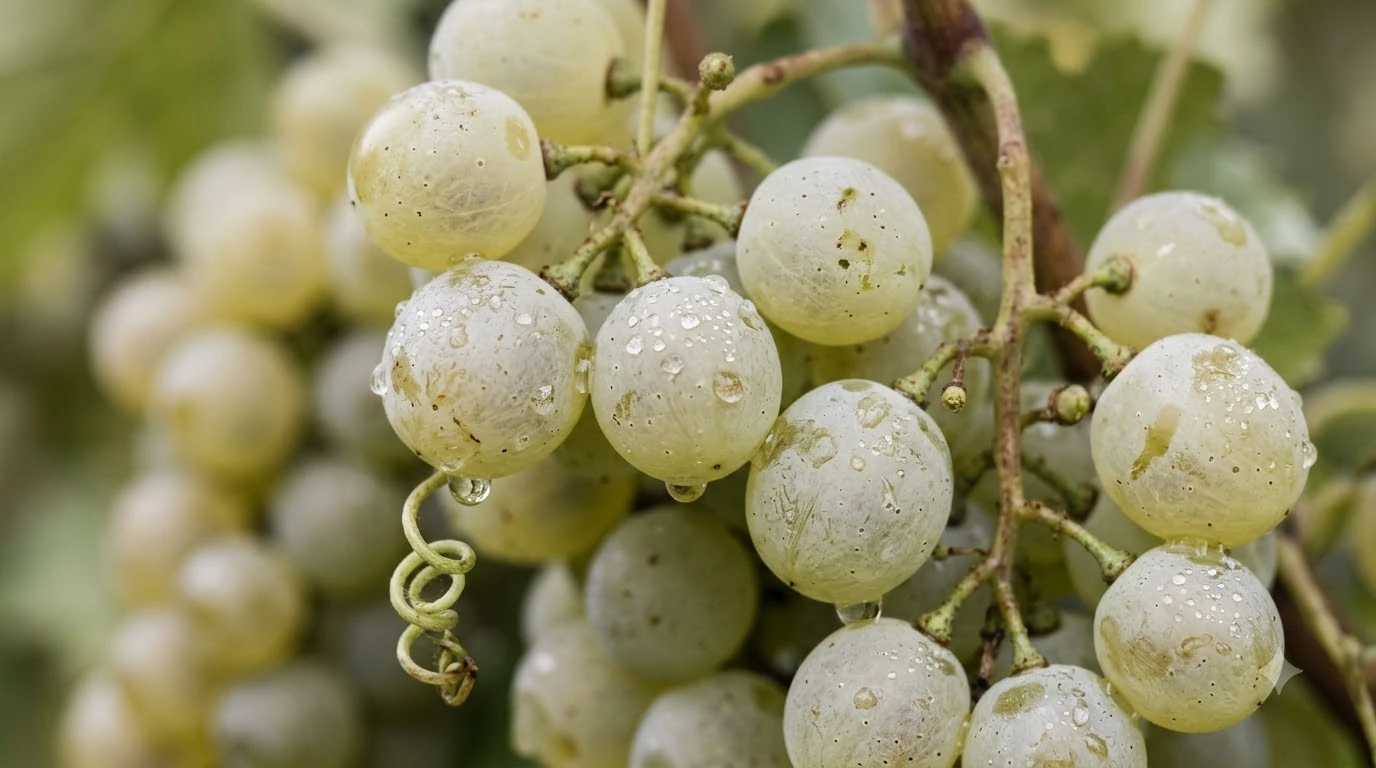
Its identity begins with its origin. Cupcake identifies its Prosecco as Prosecco D.O.C. from Italy, using Glera grapes grown in Veneto and Friuli. These northeastern Italian regions are associated with the fresh, aromatic style commonly expected from Prosecco. The grape variety is important because Glera typically produces wines with appealing orchard-fruit aromas, moderate body, and refreshing acidity. The official Cupcake Prosecco product information describes the producer’s approach and the wine’s characteristic flavors.
The production method also influences what you experience in the glass. According to Cupcake winemaker Jessica Tomei, the wine undergoes slow, cool fermentation followed by secondary fermentation in stainless steel tanks. This tank-based process, commonly called the Charmat or Martinotti method, helps retain fresh fruit aromas while producing the wine’s characteristic bubbles.
| Buying factor | Cupcake Prosecco | What it means |
|---|---|---|
| Country | Italy | Italian sparkling wine character |
| Appellation | Prosecco D.O.C. | Recognized Prosecco origin |
| Main grape | Glera | Fresh, aromatic fruit profile |
| Alcohol | 11% ABV | Moderate alcohol for sparkling wine |
| Bottle size | 750 ml | About five standard 5-ounce pours |
| Fermentation | Stainless steel tank secondary fermentation | Fresh fruit and lively bubbles |
| Calories | 110 per 5 fl. oz. | Average nutritional value listed by Cupcake |
| Carbohydrates | 5 g per 5 fl. oz. | Average nutritional value listed by Cupcake |
| Flavor profile | Peach, melon, citrus, brioche | Fruit-forward and refreshing |
Professional assessments offer another useful comparison point. Wine Enthusiast awarded its reviewed Cupcake NV Dry Prosecco 88 points and designated it a Best Buy. Tastings.com awarded its reviewed NV Prosecco DOC 87 points and a Silver Medal. These results place both assessments in a positive range, although ratings are not guarantees that every drinker will enjoy the wine equally. The Wine Enthusiast review of Cupcake NV Dry Prosecco provides additional tasting details and its professional assessment.
The sweetness question deserves particular attention. The word Prosecco does not automatically mean sweet, and the fruit aromas can make a dry wine seem sweeter than it actually is. Cupcake’s reviewed bottlings are described as dryish or gently sweet on the finish rather than dessert-like. That distinction matters if you are shopping for someone who strongly prefers either very dry or distinctly sweet sparkling wine.
Tip: Compare sweetness terminology before buying. Brut is generally drier than Extra Dry, despite the confusing name of the latter. Cupcake’s fruit-forward character should not be mistaken for a fully sweet dessert sparkling wine.
For a more detailed look at the strength of this wine, see our guide to Cupcake Prosecco alcohol content. Alcohol percentage is especially useful when comparing sparkling wines for a gathering or planning a menu with several different beverages.
Step-by-Step: How to Choose and Serve Cupcake Prosecco
Choosing Cupcake Prosecco is straightforward if you start with the occasion, determine your preferred sweetness, and serve the wine at the right temperature. A few practical steps help preserve its citrus and peach aromas while keeping its bubbles lively.
-
Decide what you want the wine for.
For a casual brunch, a weekend gathering, or a simple aperitif, Cupcake Prosecco is a practical choice. Its fruit-forward character works particularly well when the food is relatively light. If the occasion calls for a complex, traditional-method sparkling wine, consider a different category instead.
-
Consider your preferred sweetness.
Expect a refreshing, dryish profile with a little rounded sweetness rather than an intensely sweet Moscato-style experience. If you generally drink Brut sparkling wines, the fruitiness may feel slightly sweeter than expected. If you enjoy Extra Dry Prosecco, the general style should be familiar.
-
Compare the bottle information.
Wine Enthusiast lists its reviewed Cupcake NV Dry Prosecco at 11% ABV in a 750 ml bottle. These are useful reference points for estimating servings and comparing similar wines. Different bottlings and market listings can vary, so check the label once when purchasing.
-
Chill the bottle properly.
A serving temperature of approximately 40–50°F is appropriate for sparkling wine. Chilling helps maintain the wine’s refreshing character and slows the release of carbon dioxide when pouring. Avoid serving it warm, as excessive warmth can make the alcohol seem more prominent and the bubbles disappear faster.
-
Choose appropriate glassware.
A flute preserves the visual stream of bubbles and gives the wine a traditional sparkling wine presentation. A tulip-shaped glass is another useful option because its wider bowl allows peach, melon, and citrus aromas to develop while the narrower opening helps retain the bubbles.
-
Pour moderate servings.
A standard wine serving is approximately 5 ounces. A 750 ml bottle therefore provides about five standard servings, although the number of glasses depends on the amount poured. Tilt the glass slightly and pour slowly to control foam.
-
Serve it with suitable food.
Start with mild cheeses, seafood appetizers, fresh fruit, or savory brunch dishes. The wine’s acidity and carbonation help refresh the palate between bites. For richer food, choose dishes with enough seasoning and texture to complement the bubbles.
Timing also matters. Open the bottle shortly before guests are ready to drink rather than leaving it open on a counter for an extended period. Sparkling wine gradually loses carbonation after opening, so a suitable sparkling wine stopper and refrigeration are useful if the bottle will not be finished immediately.
For a cocktail, Cupcake can be combined with orange juice for a straightforward mimosa. A reasonable starting point is equal parts sparkling wine and juice, although using more wine produces a less sweet drink with a stronger Prosecco character. Fresh orange juice usually provides a brighter result than a heavily sweetened packaged alternative.
Types and Styles Explained: What Makes Cupcake Prosecco Different?
Cupcake Prosecco belongs to the Italian tank-fermented sparkling wine category, which emphasizes fresh fruit, aromatic clarity, and approachable bubbles. Understanding the difference between Prosecco, Champagne, Cava, and other sparkling styles helps put its character into perspective.

Prosecco and the Glera grape
Prosecco is primarily associated with the Glera grape and northeastern Italy. Cupcake sources its Glera grapes from Veneto and Friuli, where its winemaker describes the growing environment as suitable for balanced acidity and refreshing flavors. The resulting style is intended to retain the aromatic qualities of the grape rather than emphasize extended bottle aging.
In the tank method, secondary fermentation occurs in a pressurized stainless steel vessel. The resulting wine is then prepared for bottling under pressure. This approach is well suited to Prosecco because it emphasizes fresh fruit, floral notes, and approachable carbonation.
Cupcake’s version follows this general approach. Its flavor descriptions include white peach, grapefruit, honeydew, creamy lemon, and toasted brioche. The combination is broad enough for different occasions but remains firmly in the fresh and fruit-oriented sparkling wine category.
Prosecco compared with Champagne
Champagne uses a different production approach. Its second fermentation takes place inside the bottle, and extended contact with spent yeast can produce more pronounced bread, biscuit, and pastry characteristics. Champagne can also show greater complexity and structure, depending on the producer and the time spent aging.
Prosecco’s tank method generally preserves a fresher fruit expression. This does not mean that every Champagne is automatically superior or that Prosecco lacks quality. Rather, the two styles have different goals. Cupcake is designed around freshness and accessibility, whereas many traditional-method sparkling wines emphasize texture, yeast character, and layered development.
Prosecco compared with Cava
Cava is a Spanish sparkling wine that uses bottle fermentation. Like Champagne, it can develop more noticeable autolytic characteristics, including toast and biscuit notes, depending on its aging period. Prosecco generally presents a more direct expression of fruit.
For a drinker who enjoys peach, pear, melon, and citrus, Cupcake Prosecco is a natural category choice. Someone who prefers firmer structure and more pronounced yeasty complexity may prefer a bottle-fermented Cava or Champagne instead.
Prosecco compared with Moscato
Moscato is often a more obviously aromatic and sweeter style, with floral and ripe-fruit characteristics. Prosecco can also taste fruity, but fruit aromas should not be confused with residual sugar. Cupcake’s reviewed Prosecco is described as dryish, with a gentle sweetness, making it a different proposition from a dessert-oriented sparkling wine.
The key distinction is the balance between sweetness, acidity, and flavor intensity. If you prefer sparkling wines that are refreshing and suitable for savory food, Prosecco is often a better starting point. If you want pronounced sweetness to accompany cake or fruit desserts, Moscato may be more appropriate.
For readers comparing producers within the same category, our La Marca Prosecco guide provides another useful reference point. Comparing two Italian Proseccos side by side can help identify differences in fruit character, perceived sweetness, and overall style without confusing those differences with the distinction between Prosecco and Champagne.
Common Mistakes When Buying Cupcake Prosecco
The most common mistakes involve misunderstanding sweetness labels, expecting Champagne-like complexity, and serving the wine too warm. Recognizing these differences helps set realistic expectations before opening a bottle.
Assuming fruitiness means high sweetness
White peach, honeydew, grapefruit, and ripe lemon can create an impression of sweetness even when a wine is relatively dry. Aromatic fruit and residual sugar are different characteristics. A wine can smell intensely fruity while remaining refreshing and crisp on the palate.
Cupcake’s professional tasting descriptions support this distinction. Wine Enthusiast identifies gentle sweetness alongside balanced citrus flavors, while Tastings.com describes its reviewed bottling as dryish. These are useful indicators that the wine is not intended to be a heavily sweet sparkling dessert wine.
Confusing Extra Dry with Brut
Sparkling wine terminology can be misleading. The common sweetness sequence, from driest to sweetest, is Brut Nature, Extra Brut, Brut, Extra Dry, Dry, Demi-Sec, and Doux. Extra Dry is generally sweeter than Brut, even though the words might suggest otherwise.
This distinction becomes particularly important when shopping for a bottle to serve alongside savory food. A very dry sparkling wine may be more suitable for someone who dislikes sweetness, while a slightly softer style may appeal to drinkers who prefer rounder fruit flavors.
Expecting Champagne-style complexity
Cupcake Prosecco is tank-fermented, and its main appeal is its fresh fruit character. It is not designed to replicate the extended lees aging or pronounced autolytic character found in some traditional-method sparkling wines.
Expecting the wine to show the same complexity as a mature Champagne can lead to disappointment. A fair comparison considers whether the wine performs well within its own category and intended drinking occasion. Its positive independent reviews indicate that it can be a satisfying example of accessible Prosecco.
Serving it too warm
Warm sparkling wine can feel softer and less refreshing, with alcohol becoming more noticeable. A temperature around 40–50°F keeps the bubbles lively and the fruit profile fresh. A bottle placed in an ice bucket for approximately 20–30 minutes can become sufficiently chilled, depending on its starting temperature.
Pairing it with overly sweet desserts
A dry or dryish sparkling wine can seem tart or thin beside a dessert that is substantially sweeter. The general wine-pairing principle is to serve a wine at least as sweet as the dessert. Cupcake Prosecco is therefore more naturally suited to fruit pastries with restrained sweetness than to very sugary cakes, frosting-heavy desserts, or syrup-rich puddings.
Another mistake is choosing strongly tannic red meat dishes as the default pairing. Prosecco has a lighter structure, and its refreshing acidity is better suited to lighter proteins, seafood, salads, and appetizers than to a heavily charred steak with an intense red wine sauce.
Cupcake Prosecco Care and Storage Tips
Proper chilling, careful opening, and refrigeration after opening help preserve Cupcake Prosecco’s fruit aromas and carbonation. Because Prosecco is generally intended for relatively fresh consumption, there is little reason to keep an ordinary bottle in storage for years.
Before opening
Store the bottle in a cool, dark location away from direct sunlight, heat sources, and large temperature fluctuations. A consistent environment is more useful than a cupboard that becomes hot during the afternoon. For longer-term wine storage, a temperature near 55°F is a useful general reference, although a standard everyday Prosecco bottle does not require an elaborate cellar.
Keep the bottle away from strong vibrations and avoid repeatedly moving it between warm and cold locations. If the wine is intended for a celebration later in the week, refrigerating it ahead of time is a convenient option. Avoid freezing the bottle, as expanding liquid can damage the packaging and create an opening hazard.
Opening the bottle safely
Sparkling wine contains pressure, so the cork should be handled carefully. Remove the foil and loosen the wire cage while keeping a thumb over the cork. Point the bottle away from people, windows, and breakable objects, then hold the cork firmly while slowly turning the bottle.
The goal is a controlled release rather than a dramatic pop. A gentle opening reduces unnecessary loss of wine and helps preserve the bubbles. Keep a clean glass nearby so the bottle can be poured promptly after opening.
Serving and preserving freshness
Use clean glasses and avoid pouring the wine into a glass that contains detergent residue or strong food aromas. A narrow sparkling wine glass can help maintain visible carbonation, while a tulip-shaped glass offers additional room for the wine’s peach and citrus aromas.
If there is wine left over, reseal it with a sparkling wine stopper designed to withstand bottle pressure. Place the bottle in the refrigerator promptly. Opened sparkling wine generally retains useful carbonation for approximately one to three days under refrigeration, although the actual result depends on the closure and how much wine remains.
A bottle with very little wine remaining may lose its bubbles faster because it contains more air space. For the best drinking experience, finish it soon after opening rather than treating it like a still wine that can remain open for several days without noticeable changes.
Food and serving combinations
For brunch, serve Cupcake Prosecco with eggs, smoked salmon, fruit salad, or lightly seasoned breakfast dishes. Its citrus character can refresh the palate between bites, while its bubbles work well with foods that have a little fat or salt.
For an evening meal, consider grilled shrimp, chicken kebabs, vegetable appetizers, or a Cobb salad. Tastings.com specifically identifies oven-fried chicken, chicken kebabs, and Cobb salad as suitable pairings for its reviewed bottling.
With dessert, focus on dishes that do not overwhelm the wine’s sweetness. Fresh peaches, lightly sweetened fruit tarts, and simple lemon pastries are more suitable starting points than intensely sugary chocolate cakes or very sweet buttercream desserts.
Frequently Asked Questions
Is Cupcake Prosecco made with 100% Glera grapes?
Cupcake identifies Glera as the grape used for its Prosecco, but its general product page does not provide a complete percentage breakdown for every bottling. Prosecco DOC regulations also permit limited use of certain authorized complementary grape varieties. A precise percentage should therefore not be assumed without a specific technical specification.
Does Cupcake Prosecco contain sulfites?
Like most conventional wines, Cupcake Prosecco contains naturally occurring sulfites, and additional sulfites may be used during winemaking to help preserve the wine. Sulfite disclosure on US wine labels depends on the applicable labeling rules, including the total sulfite concentration. The absence of a prominent sulfite statement in a product description does not establish that a wine is sulfite-free.
Is Cupcake Prosecco vintage-dated?
Wine.com identifies the reviewed Cupcake Prosecco as non-vintage, meaning it is not presented as a wine from one specific harvest year. Non-vintage sparkling wines can combine wines from different harvests to maintain a recognizable house style. This approach is common in the sparkling wine category.
Can Cupcake Prosecco be used in an Aperol Spritz?
Yes. Prosecco is a traditional component of an Aperol Spritz, typically combined with Aperol and soda water. Its fruit-forward profile can work well in this cocktail, although the finished drink will have a different balance of bitterness, sweetness, and carbonation than the wine served by itself.
Should Cupcake Prosecco be decanted before drinking?
No. Ordinary young Prosecco is generally served directly from the bottle rather than decanted. Its fresh fruit character and carbonation are important parts of the drinking experience, and extended exposure to air can reduce its liveliness. Simply chill the bottle and pour it into clean sparkling wine glasses.
Overall, Cupcake Prosecco is a worthwhile everyday option for drinkers who enjoy approachable Italian sparkling wine with peach, melon, citrus, and a gently sweet finish. Its positive independent reviews, recognizable Glera character, and versatile food-pairing possibilities make it particularly suitable for brunches, informal celebrations, and casual gatherings. Choose it for freshness and easy drinking rather than Champagne-like complexity, and serve it well chilled for the most enjoyable experience.
More in Wine Brands
 Underwood Wine Price: Compare Bottles, Cans, and Pack SizesUpdated Nov 21, 2026
 Zenato Wine Price: Compare Styles and Choose the Right BottleUpdated Nov 21, 2026
 Zuccardi Wine Price: Compare Bottles and Find the Right RangeUpdated Nov 21, 2026
 Yellow Tail Moscato Review: Taste, Sweetness and Serving TipsUpdated Nov 21, 2026
 Wolf Blass Yellow Label Review: Choose Your Best StyleUpdated Nov 21, 2026
 Wolffer Estate Rose Review: Choose the Right Bottle for Your TableUpdated Nov 21, 2026