

We may earn a commission when you buy through links on this page, at no extra cost to you. Learn more.
Is champagne gluten free? In general, yes, because its base ingredients are grapes, yeast and sugar, and none of them are wheat, barley or rye. Gluten is a protein found in those grains, so the main question for people who avoid it is whether any grain-based ingredient or processing aid ends up in the bottle. Most producers do not print gluten information on the label, so the answer for a specific bottle is often unclear.
People who follow a gluten-free diet for celiac disease, a wheat allergy or a personal preference often ask this question before a celebration. Sparkling wine feels like a safe choice, but it is worth understanding how champagne is made and where gluten could, in theory, come up. This guide explains the basics, what the label can and cannot tell you, and how to plan a gluten-free toast with confidence.
What Champagne Is Made From
Champagne is a sparkling wine from the Champagne region of northeastern France, and it is made mainly from three grapes. According to the Wikipedia entry on Champagne, Chardonnay, Pinot noir and Pinot Meunier make up nearly all of the wine, with small amounts of other varieties permitted under the appellation rules. These are fruit, and fruit does not contain gluten.
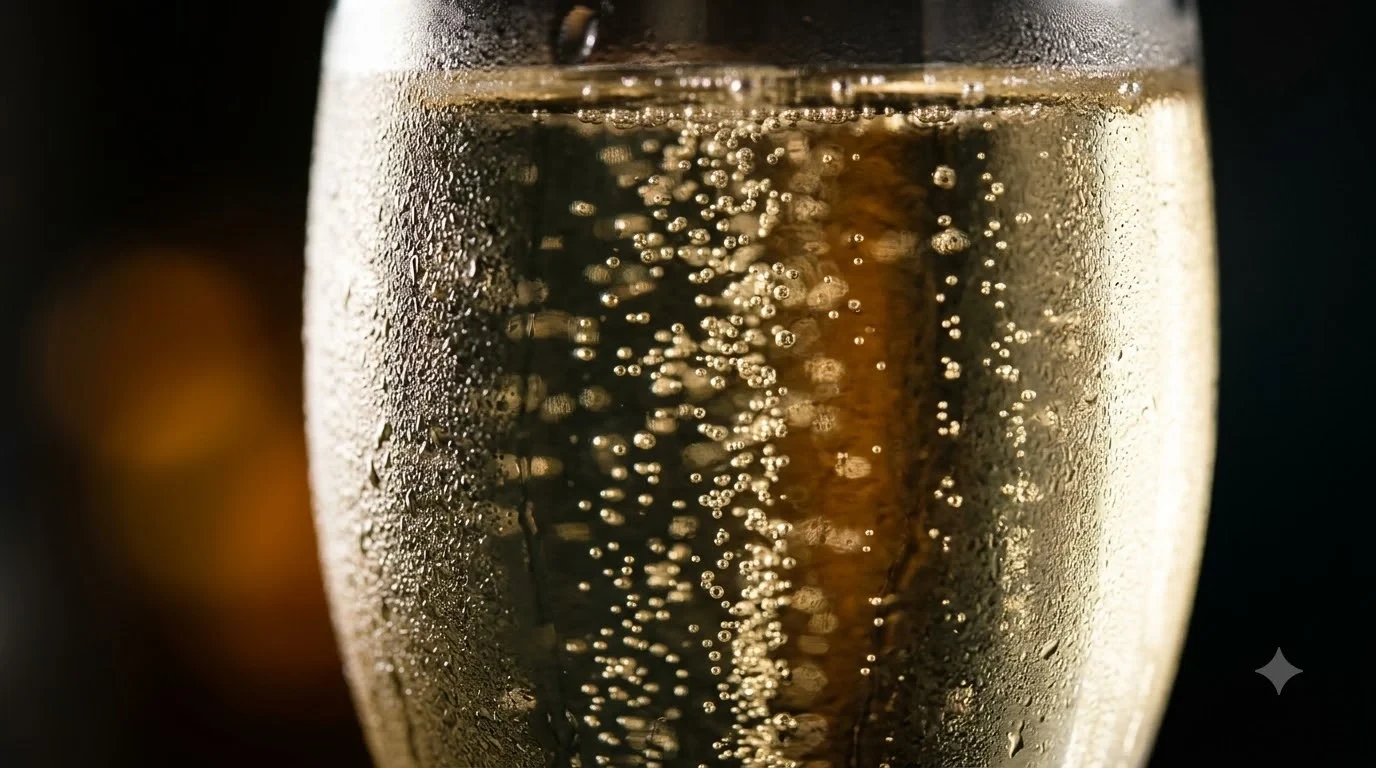
The wine is then fermented and bottled with a small addition of yeast and sugar, which triggers a second fermentation inside the bottle. That second fermentation is what creates the bubbles. The ingredients list for a standard bottle is short, and it does not include any cereal grains. This is why champagne is usually described as naturally gluten free.
Where Gluten Could Enter the Process
Gluten is only a concern when a grain-based ingredient is used at some point in winemaking. In wine, the most common processing aids are fining agents, which are added to clarify the liquid. Fining agents come from a range of sources, and the producer chooses which one to use. Whether a particular producer uses a grain-based product is a question for that producer, not something the grape or the region dictates.
Flavorings and additives are another possible route, although they are rare in traditional-method champagne. A dry, classic brut is made without added flavors. Sweetened or flavored sparkling wines and some ready-to-drink cocktails are a different category and may list ingredients that matter more for gluten-free eaters.
The practical takeaway is that the grape, the yeast and the sugar are the core of champagne, and none of them contain gluten. The variable is the producer’s processing, and that is not always visible to the consumer.
How to Check a Bottle
Because labels for wine are not always clear, the most useful step is to contact the producer directly. Many houses have customer service teams that can answer questions about fining agents and ingredients. Ask for the specific bottle or vintage, since practices can change over time. If the producer cannot answer, that is information too.
Check the label for any mention of added flavors, colorings or sweetness. Champagne sold as brut, extra brut or brut nature is typically a dry style with no added flavor. Sweeter styles such as demi-sec are more likely to include extra ingredients, so they deserve closer reading. Certification logos for gluten free products, where present, are the clearest signal on a label.
Tip: If you are cooking with champagne, the same rule applies. Use a bottle you have checked, and be aware that some recipes add other ingredients, such as flour-based thickeners, that change the result.
Gluten-Free Sparkling Wine Options
If you want the same celebratory feel without the uncertainty, other sparkling wines follow similar production methods and use the same basic grapes. Cava from Spain, crémant from several French regions and many American sparkling wines are made with the traditional method and have similar ingredient lists. Prosecco is made by a different method, but it is also built from grapes, yeast and sugar.
No sparkling wine is automatically certified gluten free, so the same label and producer checks apply. The advantage of a clear, dry style is that it has fewer added ingredients to think about, which makes the decision easier for a cautious drinker.
It also helps to separate two ideas that often get mixed up: a naturally gluten-free ingredient list and a certified gluten-free product. The first describes what goes into the wine. The second is a formal claim that a product meets a defined standard, and it usually comes with a logo or a statement from the brand. A bottle can have a simple ingredient list without carrying a certification, so both facts matter when you are deciding what to serve.
Most people with celiac disease focus on whether a product is safe for their own tolerance, which can be very different from a general rule. If you are managing a medical condition, a doctor or dietitian is the right person to advise you on what level of exposure is appropriate for you. This article covers the ingredient and label side only.
| Question | What to look for |
|---|---|
| Are the base ingredients gluten free? | Grapes, yeast and sugar contain no gluten |
| Is it a dry style? | Brut, extra brut or brut nature usually has no added flavor |
| Is there a certification? | Look for a gluten-free logo or statement on the label or website |
| Can the producer answer? | Contact the house about fining agents and processing |
Serving Champagne at a Gluten-Free Event
When you host, the simplest approach is to pick a bottle you have checked and keep the rest of the menu in mind. Champagne is often served with appetizers that contain bread, crackers or pastry, so it helps to label those dishes clearly or to offer gluten-free alternatives. The wine itself is only one part of the table.
A flute or a tulip glass helps the bubbles last and lets the aromas of toasted bread and green apple come through. Serve the wine well chilled, and pour gently to keep the foam controlled. Guests who avoid gluten will usually appreciate a clear note on the menu more than a long explanation.
When you are buying several bottles for a party, it can help to split the choices. Choose one dry champagne for the toast, since the first glass is the one most guests drink, and select a sparkling wine with a clear label for any sweet dessert pairing. Keeping track of which bottle is which avoids confusion when the evening gets busy.
For a restaurant meal, ask the server which champagne is served by the glass and whether the house can confirm the producer’s processing. Staff are often better informed about the wine list than the menu descriptions suggest.
Frequently Asked Questions
Is all champagne gluten free?
Champagne is made from grapes, yeast and sugar, so the base ingredients do not contain gluten. Individual bottles are not always labeled with gluten information, so checking with the producer is the safest way to confirm a specific wine.
Does prosecco contain gluten?
Prosecco is made from grapes, and its ingredients are similar in principle to champagne. As with champagne, the question is the producer’s processing rather than the grape itself, so the same label and producer checks apply.
Are sweet champagnes more likely to contain gluten?
Sweeter styles can include added ingredients for flavor or balance, so they deserve closer label reading. A dry brut is usually the simpler choice for someone who wants to limit added ingredients.
Should I ask the producer about gluten?
Yes, if the question matters to you. Producers can explain their fining agents and processing, and the answer is more reliable than a general claim about the region.
Champagne is a reasonable choice for a gluten-free toast, since its core ingredients are grapes, yeast and sugar. The remaining question is the producer’s processing, which is best answered directly. For more ideas on pairing and serving, the champagne with chocolate guide covers sweet matches, and the Wine by Type section explains how sparkling styles differ. You can also read the broader Wikipedia overview of Champagne as a wine for background on how the region and its rules work.
More in Wine Types & Grapes
 Zinfandel Sugar Content: Dry Red vs. White Zinfandel GramsUpdated Nov 21, 2026
 Best Zinfandel Substitute Options for Sipping and CookingUpdated Nov 21, 2026
 Zweigelt Food Pairing: Best Dishes, Cheeses, and Serving TipsUpdated Nov 21, 2026
 Zinfandel Tannins Explained: How Structure Shapes Every BottleUpdated Nov 21, 2026
 Zinfandel Sweetness Level: Dry Red vs. Sweet White Zin ExplainedUpdated Nov 21, 2026
 Xinomavro Food Pairing: Best Dishes, Styles, and Serving TipsUpdated Nov 21, 2026