

We may earn a commission when you buy through links on this page, at no extra cost to you. Learn more.
When asking is bordeaux sweet or dry, the short answer is that nearly all Bordeaux wine is dry. Over 90 percent of the wine produced in France’s Bordeaux region is dry red wine, alongside crisp dry whites and dry rosés, all fermented until almost no residual sugar remains. The famous exception is sweet white Bordeaux from sub-regions like Sauternes and Barsac, which are luscious dessert wines made from grapes affected by noble rot.
Because “Bordeaux” refers to an entire wine-producing region in southwest France rather than a single grape variety, the label covers several distinct styles. Knowing whether a bottle leans bone-dry or dessert-sweet comes down to reading the color of the wine and the specific appellation printed on the front label.
What Is Bordeaux Wine?
Bordeaux is a historic French wine region centered around the port city of Bordeaux and the Gironde Estuary, producing blended wines that serve as the blueprint for Cabernet Sauvignon and Merlot around the globe. Rather than bottling single varietals, winemakers in this region almost always blend multiple authorized grapes to achieve balance across changing coastal vintages.
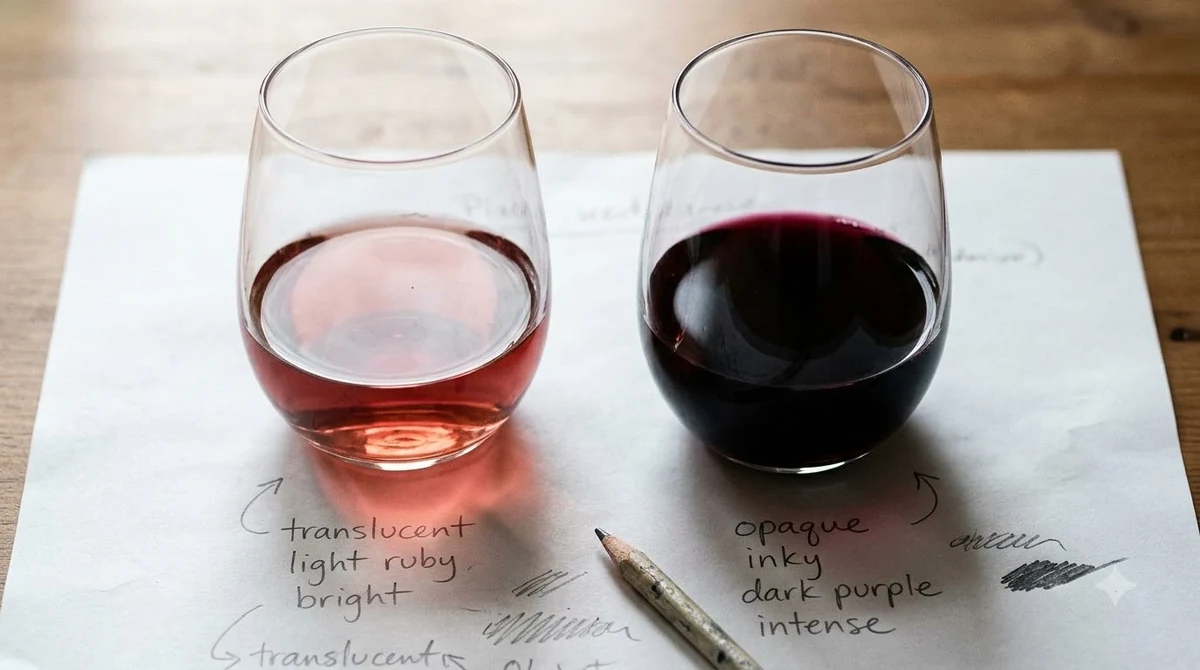
In technical winemaking terms, a wine is considered dry when yeast consumes nearly all the natural grape sugar during fermentation, leaving minimal residual sugar behind. For red Bordeaux and dry white Bordeaux, fermentation runs to completion, typically resulting in wines with an alcohol by volume (ABV) between 12.5 percent and 14 percent. While ripe fruit aromas of blackcurrant, plum, or peach might trick your palate into sensing a hint of richness, there is virtually no actual sugar in the glass.
A big reason drinkers occasionally confuse dry Bordeaux with sweet wine comes down to texture and aroma. Fruit-forward Merlot blends from warmer vintages can taste plush and juicy on the mid-palate, especially when compared to high-acid, mouth-drying Left Bank reds. If you are still getting familiar with how different Wine by Type categories balance fruitiness against actual sugar, Bordeaux is one of the clearest examples of why “fruity” does not mean “sweet.”
Flavor and Styles: Dry Reds, Dry Whites, and Sweet Dessert Wines
Bordeaux produces three primary wine styles—dry red, dry white, and sweet white—along with a small quantity of dry rosé and sparkling Crémant de Bordeaux. Your experience in the glass shifts dramatically depending on which style you pour.
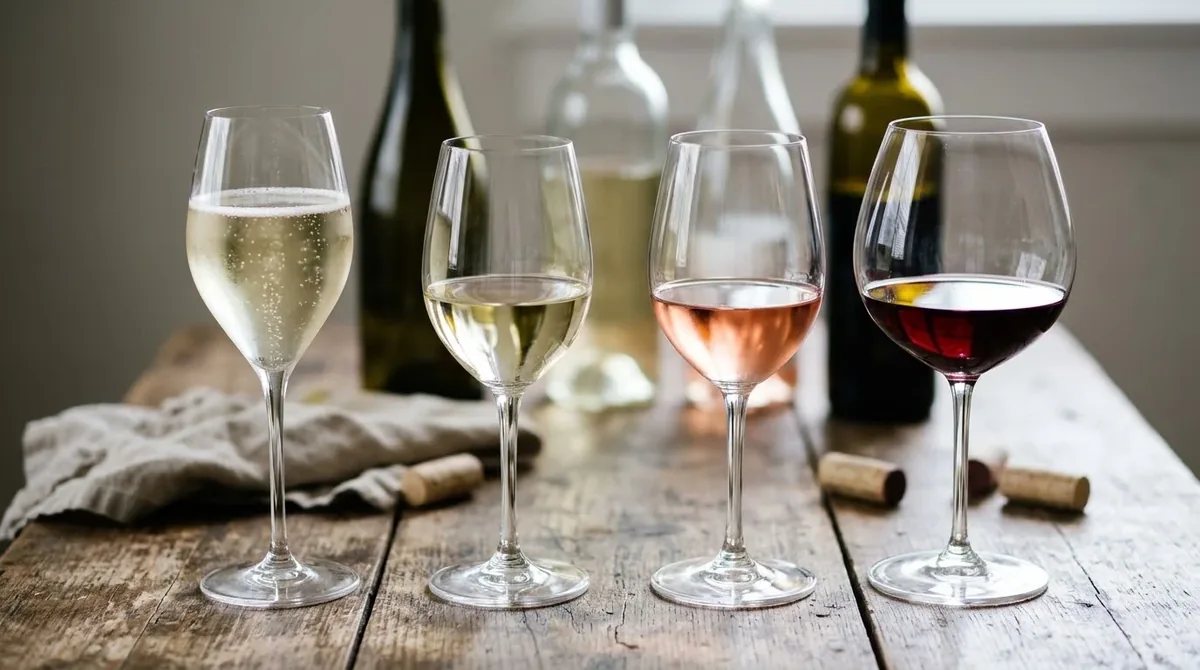
Dry red Bordeaux accounts for roughly 90 percent of total regional output and is built on Cabernet Sauvignon, Merlot, Cabernet Franc, Petit Verdot, and Malbec. According to Wine Folly’s primer on Bordeaux wine, Left Bank reds led by Cabernet Sauvignon deliver bold tannins alongside notes of blackcurrant, cedar, graphite, and tobacco, while Right Bank reds led by Merlot offer softer tannins with flavors of dark plum, milk chocolate, and baking spices. Both styles are completely dry, leaving a savory, structured finish rather than any sugary coating.
White Bordeaux splits into two sharply contrasting camps made from Sauvignon Blanc, Sémillon, and Muscadelle. Dry white Bordeaux—often labeled simply as Bordeaux Blanc or from appellations like Entre-Deux-Mers and Pessac-Léognan—is zesty and refreshing, showing grapefruit, green apple, lemon curd, and wet stone. On the opposite end of the spectrum sit sweet white Bordeaux wines from Sauternes and Barsac, where morning river fog encourages a beneficial fungus called Botrytis cinerea (noble rot) to shrivel the grapes, concentrating their sugars and yielding a golden, honeyed dessert wine bursting with apricot, ginger, and marmalade at around 14.5 percent ABV.
| Bordeaux Style | Key Appellations | Primary Grapes | Sweetness Level | Typical ABV |
|---|---|---|---|---|
| Left Bank Red | Médoc, Haut-Médoc, Pauillac, Margaux, Graves | Cabernet Sauvignon, Merlot, Cabernet Franc | Dry | 13% – 14% |
| Right Bank Red | Saint-Émilion, Pomerol, Fronsac | Merlot, Cabernet Franc | Dry | 13% – 14% |
| Dry White (Bordeaux Blanc) | Entre-Deux-Mers, Pessac-Léognan, Bordeaux AOC | Sauvignon Blanc, Sémillon, Muscadelle | Dry | 12.5% – 13.5% |
| Sweet White | Sauternes, Barsac, Cadillac, Loupiac | Sémillon, Sauvignon Blanc, Muscadelle | Sweet (Dessert) | 14% – 14.5% |
Where Bordeaux Grows and How Terroir Shapes the Wine
Bordeaux sits near the Atlantic coast in southwest France, where the Dordogne and Garonne rivers merge into the Gironde Estuary and divide the vineyards into distinct sub-regions. That geography—and the soil beneath each bank—determines which grapes ripen best and how rich or crisp the finished wine tastes.
On the Left Bank, west and south of the estuary, deep beds of gravel absorb daytime warmth and drain away frequent coastal rain, giving late-ripening Cabernet Sauvignon the heat it needs to mature fully. Across the water on the Right Bank, cooler clay and limestone soils retain moisture and suit early-ripening Merlot and Cabernet Franc, producing supple, velvety reds that feel approachable earlier in life. As noted in VinePair’s Bordeaux basics guide, Left Bank blends generally carry higher tannins, acidity, and aging potential, while Right Bank blends lean juicier and softer.
Between the two rivers lies Entre-Deux-Mers, a broad expanse of rolling hills famous for crisp, dry white blends, while further south along the Garonne River, cool autumn mists create the exact microclimate required for sweet Sauternes and Barsac. Even within a single dry vintage, Bordeaux’s maritime climate brings noticeable year-to-year variation, meaning warmer years produce riper fruit flavors and cooler years emphasize herbal, savory tension.
How to Serve Bordeaux at Its Best
Serving temperature and aeration make a noticeable difference in how dry or sweet any Bordeaux tastes in the glass. Pouring a red Bordeaux too warm makes the alcohol feel sharp, while serving a sweet Sauternes at room temperature can make its natural sugars taste heavy.
Dry red Bordeaux shines just below modern room temperature, around 63°F to 65°F (17°C to 18°C), which keeps its dark fruit crisp and its tannins integrated. Putting a room-temperature bottle in the refrigerator for about 20 minutes before opening brings it right into that target zone. Young red Bordeaux—especially firm Left Bank blends—also benefits from at least 30 minutes in a decanter so oxygen can soften the tannins and open up the aromatics.
Dry white Bordeaux tastes brightest when chilled to roughly 46°F (8°C), letting its citrus and herbal acidity stay snappy. Sweet white Bordeaux such as Sauternes should be served even colder, around 43°F (6°C), straight from the refrigerator, where brisk chill balances its honeyed richness and keeps the finish clean.
Tip: If you are unsure whether a white Bordeaux on a restaurant list is dry or sweet, look at the bottle size and appellation—sweet Sauternes and Barsac are frequently sold in 375 ml half-bottles, while dry Bordeaux Blanc comes in standard 750 ml bottles.
Food Pairing Ideas for Dry and Sweet Bordeaux
Dry Bordeaux is built for the dinner table because its firm tannins and lively acidity cut right through rich, savory dishes. Sweet Bordeaux, meanwhile, pairs both with classic desserts and with salty, intensely flavored savory courses.
For dry red Bordeaux, look for dishes with plenty of protein, fat, and umami to tame the wine’s mouth-drying tannins. Steak frites, roast leg of lamb, grilled ribeye, braised short ribs, and mushroom risotto all soften the structure of Cabernet- and Merlot-based blends, making the red and black fruit taste more generous against the savory backdrop. If you want a dry bottle with even more delicate brightness for lighter fare, compare how Bordeaux reds behave alongside crisp pink wines in our guide on is rose sweet or dry.
Dry white Bordeaux pairs effortlessly with raw oysters, grilled sea bass, roast chicken with herbs, and tangy goat cheese, especially when an oak-aged Pessac-Léognan brings extra creaminess to the glass. Sweet Sauternes and Barsac offer two classic pairing routes: match them with fruit tarts, crème brûlée, or almond cake, or serve them alongside salty Roquefort blue cheese or seared foie gras for a dramatic sweet-and-salty contrast.
How to Choose a Bottle of Bordeaux
Shopping for Bordeaux becomes straightforward once you know the few label clues that separate dry table wines from sweet dessert bottles. You do not need to memorize centuries-old château rankings to pick a reliable bottle for dinner.
Start by checking the appellation name just below the estate name on the front label. Bottles marked Bordeaux, Bordeaux Supérieur, Médoc, Haut-Médoc, Saint-Émilion, Pomerol, Graves, or Pessac-Léognan are dry wines—red unless labeled “Blanc” for white. Bottles marked Entre-Deux-Mers are always dry whites. If the label says Sauternes, Barsac, Loupiac, or Cadillac, you are holding a sweet dessert wine.
Next, think about the texture you prefer before deciding between the Left and Right Banks. If you enjoy bold, structured reds similar to Napa Cabernet Sauvignon, choose a Left Bank appellation like Haut-Médoc or Margaux; if you prefer plush, fruit-forward reds with gentler tannins, reach for a Right Bank bottle from Saint-Émilion or a Merlot-heavy Bordeaux Supérieur. And if you specifically want a low-alcohol, lightly sweet sipper rather than a rich dessert wine, you may prefer exploring is moscato sweet or dry or checking out is brut champagne sweet or dry for crisp sparkling alternatives.
Frequently Asked Questions
Is red Bordeaux wine ever sweet?
No, red Bordeaux wine is virtually always fermented completely dry with no noticeable residual sugar. Even when a Merlot-dominant Right Bank red tastes plush and ripe with plum and blackberry flavors, that sensation comes from fruit character and soft tannins rather than added or leftover sugar.
Which Bordeaux wines are sweet?
Sweet Bordeaux wines are white dessert wines made primarily in Sauternes and Barsac, as well as smaller neighboring appellations like Loupiac, Cadillac, and Sainte-Croix-du-Mont. They are crafted mainly from Sémillon and Sauvignon Blanc grapes concentrated by noble rot, yielding rich, honeyed wines with high natural acidity.
Why does dry Bordeaux sometimes make my mouth feel dry?
That cotton-mouth, puckering sensation comes from tannins—natural compounds found in grape skins, seeds, and oak barrels—rather than a lack of sweetness. Left Bank red Bordeaux blends high in Cabernet Sauvignon have especially firm tannins, which bind to proteins in your saliva and soften dramatically when paired with fatty foods.
Is white Bordeaux dry or sweet?
White Bordeaux can be either dry or sweet depending on where it is made. Bottles labeled Bordeaux Blanc, Entre-Deux-Mers, or white Pessac-Léognan are crisp, dry whites, whereas bottles labeled Sauternes or Barsac are lusciously sweet dessert wines.
Understanding Bordeaux comes down to a simple rule of thumb: red Bordeaux and standard white Bordeaux are reliably dry, while golden wines from Sauternes and Barsac deliver world-famous sweetness. Once you match the appellation on the label to your meal and preferred style, browsing the Bordeaux aisle feels effortless.
More in Wine Types & Grapes
 What Does Mourvèdre Taste Like? Flavor Profile, Regions, and PairingsUpdated Nov 20, 2026
 What Does Marsanne Taste Like? Flavors, Styles, and Food PairingsUpdated Nov 20, 2026
 What Does Malvasia Taste Like? Styles, Flavors, and Food PairingsUpdated Nov 20, 2026
 What Does Grenache Blanc Taste Like? Flavor Profile, Styles, and PairingsUpdated Nov 20, 2026
 What Does Garnacha Taste Like? Key Flavors, Styles, and Pairing TipsUpdated Nov 20, 2026
 What Does Fruit Wine Taste Like? A Complete Flavor and Style BreakdownUpdated Nov 20, 2026