


We may earn a commission when you buy through links on this page, at no extra cost to you. Learn more.
The answer to “is 19 crimes wine good” is yes for drinkers who like bold fruit, soft textures, and easygoing reds, but it is not the right fit for every palate. The range favors generous fruit and familiar flavors such as blackberry, vanilla, chocolate, and spice rather than delicate, mineral-driven character. Some bottles are sweeter-tasting and heavier than others, so the best choice depends on which 19 Crimes wine you select and what you plan to serve with it.
19 Crimes is built around a memorable label and a simple promise: approachable wine with a strong personality. Its Australian core range and California releases share a fruit-forward outlook, but differences in grape varieties, alcohol, body, and sweetness make the label worth reading closely. This guide explains what the wines taste like, which styles suit different drinkers, and how to choose a bottle that works at the table.
Who This Is For
19 Crimes is most appealing to people who want an uncomplicated bottle for pizza night, burgers, barbecue, or a casual get-together. The standard Australian Red Blend is made from Merlot, Shiraz, and Cabernet Sauvignon, and its producer describes flavors of vanilla, chocolate, spice, and dark berries. Those are recognizable, generous flavors rather than subtle notes that require a quiet room and a long tasting.

It can suit newer red-wine drinkers who prefer ripe fruit and a rounded mouthfeel to a very dry or heavily tannic style. The Australian Red Blend is listed at 13.5% alcohol by volume, while H-E-B gives Cali Red 14.1% ABV; the latter is described as denser, with dark fruit and toasted oak.
It is less suitable for someone seeking a restrained Old World red, a highly structured Cabernet for long cellaring, or a wine defined by vineyard character. The visual identity and storytelling are part of the experience, but 19 Crimes is best judged as a casual, flavor-led range rather than a collector label. Remember that the Australian Red Blend comes from South Eastern Australia, while Cali Red is a California bottling associated with Snoop Dogg; see this overview of 19 crimes wine for the range’s background.
Key Factors to Compare
Start with the style name, grape information, alcohol level, and the kind of fruit or oak character described for that particular bottle. Comparing those details is more useful than assuming every wine carrying the 19 Crimes name tastes alike.
| Wine or style | Origin and grapes | Reference ABV | Likely character and best use |
|---|---|---|---|
| Classic Red Blend | South Eastern Australia; Merlot, Shiraz, Cabernet Sauvignon | 13.5% | Jammy dark berries, vanilla, chocolate, and spice; casual red-meat or cured-meat meals |
| Cali Red | California; Petite Sirah and Zinfandel are identified in the tasting description | 14.1% | Dense black and blue fruit, smoky American oak, vanilla, hazelnut, and a slightly sweet finish |
| Martha’s Chard | California Chardonnay | 13.8% | Medium- to full-bodied, with golden apple, Bosc pear, toast, butter, and ginger in the reviewed bottling |
These are reference figures from particular product pages and a reviewed release, not guarantees for every vintage. The official Red Blend page lists 13.5% ABV, H-E-B gives Cali Red 14.1%, and Wine Enthusiast records 13.8% for Martha’s Chard. That Chardonnay received 91 points, with notes of toasted baguette, butter, ginger, golden apple, and Bosc pear—a reminder that the range is not limited to bold reds.
Sweetness also varies. The producer describes the Red Blend as rich and round with a soft fruity finish and sweet aromatics, while a retailer calls it off-dry. H-E-B says Cali Red finishes slightly sweet. Neither description suggests dessert-wine sweetness, but a drinker expecting a bone-dry red may notice the ripe fruit more.
Body and tannin matter, too. Shiraz and Cabernet Sauvignon can add structure to the Red Blend, while Petite Sirah gives Cali Red a darker, firmer profile. Compare the styles in this guide to 19 crimes red wine.
Step-by-Step: How to Choose a Bottle
A few quick decisions can narrow the range without getting lost in the label artwork. Use the occasion, preferred sweetness, and food on the table to guide the choice.
- Decide whether you want red or white. If you want a full-flavored red for burgers or pasta with meat sauce, start with the Australian Red Blend or Cali Red. For roast chicken, creamy dishes, or a richer seafood preparation, a Chardonnay such as Martha’s Chard may be a more natural match.
- Choose your preferred weight. Pick the classic Red Blend for a rounded, approachable profile. Choose Cali Red when you want a denser style with black fruit, smoky oak, and a higher listed alcohol level. If you prefer lighter reds, look for a Pinot Noir release rather than assuming the flagship blend will be light.
- Think about sweetness. If you enjoy soft, ripe fruit and a hint of sweetness, the house Red Blend and Cali Red descriptions are promising. If you want a firmly dry, savory red with restrained fruit, consider another producer or a more traditional style.
- Match the bottle to dinner. Use red blends with grilled beef, sausages, burgers, tomato-based meat sauce, or aged cheddar. Pair Chardonnay with roast poultry, mushrooms, butter-based sauces, or firm white fish. Avoid pairing a powerful tannic red with delicate oily fish.
- Check the alcohol and serve it correctly. A bottle around 14% ABV can taste warmer than a lighter wine, especially when served too warm. Lightly chill a fruit-forward red to about 55–60°F, and serve fuller reds closer to 60–65°F.
- Buy with the occasion in mind. For a casual party, choose the crowd-friendly blend or a recognizable celebrity collaboration. For a dinner where the wine needs to carry the meal, select the bottle according to the dish and the drinkers’ taste rather than choosing by label alone.
The talking-label feature can be an entertaining extra, but the style name and tasting profile tell you more about what will be in the glass.
Types or Styles Explained
The best-known choices cover Australian reds, California reds, and white wines. Styles range from soft, ripe fruit to denser oak-influenced profiles.
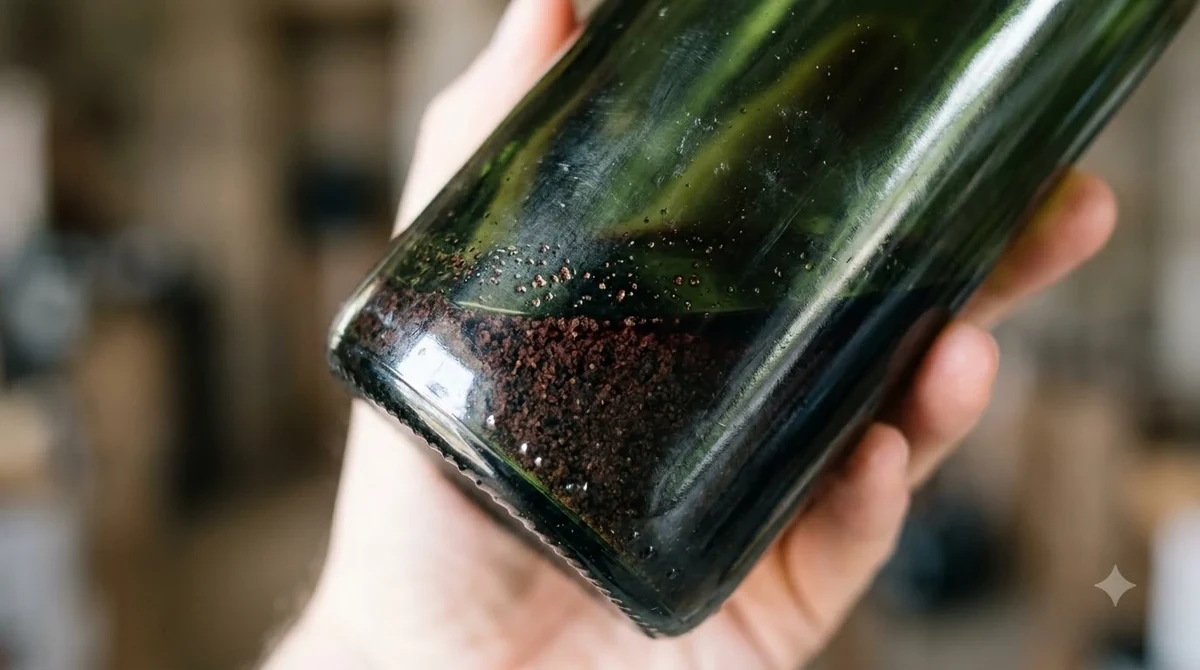
Australian Red Blend
The classic Red Blend is the obvious starting point for someone who wants to understand the brand’s house style. The producer identifies Merlot, Shiraz, and Cabernet Sauvignon in the blend and lists vanilla, chocolate, spice, and dark berry fruit among its tasting notes. It comes from South Eastern Australia and has a listed alcohol level of 13.5% ABV. Expect an ample, fruit-first red suited to relaxed meals rather than a lean, high-acid wine.
Merlot can provide a smoother middle, Shiraz adds ripe dark fruit, and Cabernet Sauvignon can contribute structure. The blend aims for a recognizable, easygoing red for pizza, meatballs, roast beef, or a cheese board rather than a showcase for one grape.
Cali Red
Cali Red moves the range into California and a fuller, darker flavor profile. H-E-B’s listing describes ripe black fruit and smoky American oak aromas of vanilla and hazelnut, followed by a dense palate with black and blue fruit attributed to Petite Sirah and brighter, slightly candied red fruit associated with Zinfandel. The same listing gives the wine 14.1% ABV and recommends rich, meaty dishes.
Choose it if you like concentrated fruit, noticeable oak, and a forceful red. It suits grilled steak, short ribs, barbecue, lamb, or a burger with sharp cheddar, but can overwhelm delicate salad or lightly seasoned fish. The 19 crimes cali red overview compares it with the Australian blend.
Cabernet Sauvignon, Shiraz, and Pinot Noir
Single-variety bottlings help shoppers choose by grape. Cabernet Sauvignon is generally firmer and more tannic, Shiraz brings dark fruit and spice, and Pinot Noir is usually lighter, with red cherry and softer tannin. These are broad grape expectations, not guarantees for every release.
Cabernet fans can start with the brand’s Cabernet, while Shiraz drinkers can seek out that bottling. Pinot Noir makes more sense with roast chicken, mushrooms, or salmon than the heavier blends; the label does not erase the basic differences between grapes.
Chardonnay and Other White Options
Martha’s Chard is a useful reminder that the range is not limited to bold reds. Wine Enthusiast’s review of its 2021 California Chardonnay described a medium- to full-bodied wine with toasted-baguette aroma and flavors of butter, ginger, golden apple, and Bosc pear; the review gave that bottling 91 points. This is a single reviewed release, not an overall score for every 19 Crimes wine, but it shows the brand can offer a white with layered oak and fruit character.
Chardonnay suits creamy pasta, roast chicken, buttery vegetables, or grilled shrimp. Serve a fuller Chardonnay around 50–55°F so its oak and texture remain apparent. For broader producer comparisons, see our guide to Wine Brands.
Common Mistakes
The biggest mistake is treating the range as a single wine with one fixed sweetness, strength, or flavor profile. A 13.5% Australian blend, a 14.1% California red, and a 13.8% Chardonnay are different drinks, even if they share a label family.
Do not mistake smooth fruit for dessert-level sweetness. Black cherry, plum, vanilla, and toasted oak can create a sweet impression; retailers describe the Red Blend as off-dry and Cali Red as finishing slightly sweet, but neither is presented as a dessert wine.
Do not buy solely for a talking label or celebrity name. PTC describes the augmented-reality project as a way to animate the brand’s historical figures and collaborators, but the feature says nothing about the wine’s body, sweetness, or structure.
Finally, avoid judging the whole range by one critic score. Wine Enthusiast gave a 2013 Red Blend 83 points and described simple black-cherry fruit with a soft mouthfeel, while a separate Martha’s Chard bottling received 91 points and praise for oak-derived complexity. Those are different wines and vintages, so the bottle in front of you matters more than a brand-wide score.
Care or Storage Tips
Good storage and serving habits can make an accessible wine taste more balanced. Keep unopened bottles away from heat and direct sunlight, and aim for a cool, stable space near 55°F when storing wine for more than a short period.
Keep unopened bottles away from heat and direct sunlight, and aim for a cool, stable space near 55°F. For longer storage, lay natural-cork bottles on their side. Avoid a shelf above the oven or a sunny counter, because repeated warmth can age wine prematurely; most everyday 19 Crimes bottles are better enjoyed young than cellared for years.
Serve the Red Blend or Cali Red at about 60–65°F, or 55–60°F if the room is warm and the wine tastes hot. A short 10–15-minute chill can soften the impression of alcohol; a young red that seems tight may benefit from 30 minutes in a decanter. Serve Martha’s Chard around 50–55°F so its apple, pear, butter, and toast notes remain expressive.
Tip: Chill a bold red for 15–20 minutes before serving if your room is warm. That small adjustment can make ripe fruit feel fresher and keep alcohol from dominating the finish.
Use a standard 5-ounce pour as a practical serving size; a 750 ml bottle provides about five glasses. If the bottle is left unfinished, refrigerate it promptly instead of leaving it open on the counter overnight. Bring it back toward the right serving temperature shortly before pouring again.
Frequently Asked Questions
A 13.5% Australian Red Blend and a 14.1% California Cali Red are not interchangeable. These answers cover the brand’s backstory and packaging details that sit alongside the wine itself.
What do the 19 Crimes numbers refer to?
The name points to 19 offenses under British law that could result in transportation to Australia instead of a death sentence. The brand’s historical account places the beginning of transportation to Australia in 1787.
Who makes 19 Crimes wine?
19 Crimes is a brand of Treasury Wine Estates, commonly abbreviated TWE. The parent company is based in Melbourne, Australia, and also owns other established wine labels.
How do the talking labels work?
For compatible bottles, scan the QR code on the back label and point the phone camera at the portrait on the front. The character is then animated and tells a story; the original Living Wine Labels app launched in July 2017.
Is there a collectible detail on the cork?
Each bottle carries one of 19 cork designs distributed at random, with each cork named after one of the offenses in the brand story. The cork is a separate collectible element, so the specific design is not selected by the wine style.
Which celebrity collaborators have appeared with the brand?
Snoop Dogg became the brand’s first celebrity face in 2021, and Martha Stewart became its second celebrity face the same year. Their collaborations expanded the range beyond the historical convict portraits.
Overall, 19 Crimes is a solid option for casual drinkers who enjoy ripe fruit, soft edges, and recognizable flavors, with the classic Red Blend offering the easiest entry point and Cali Red the bigger, darker alternative. It is not a universal recommendation for every palate, but choosing by grape, body, and food pairing makes the range easier to shop with confidence. Start with the style that matches your dinner and taste preferences, then explore other bottles once you know which profile works for you.
More in Wine Brands
 Underwood Wine Price: Compare Bottles, Cans, and Pack SizesUpdated Nov 21, 2026
 Zenato Wine Price: Compare Styles and Choose the Right BottleUpdated Nov 21, 2026
 Zuccardi Wine Price: Compare Bottles and Find the Right RangeUpdated Nov 21, 2026
 Yellow Tail Moscato Review: Taste, Sweetness and Serving TipsUpdated Nov 21, 2026
 Wolf Blass Yellow Label Review: Choose Your Best StyleUpdated Nov 21, 2026
 Wolffer Estate Rose Review: Choose the Right Bottle for Your TableUpdated Nov 21, 2026