

We may earn a commission when you buy through links on this page, at no extra cost to you. Learn more.
The iowa wine festival is an opportunity to discover Iowa-grown wines, meet local winemakers, enjoy food and entertainment, and explore the state’s growing wine industry. Visitors can sample wines made from cold-climate grapes, learn about regional vineyards, and attend events featuring local food and live music. The wider Iowa wine experience also includes the Iowa State Fair wine showcase, seasonal winery celebrations, and organized wine trails throughout the state.
Iowa might not be the first state that comes to mind when planning a wine-focused trip, but its vineyards offer something different from the familiar wine regions of California and Oregon. Cold-hardy grapes, family-operated wineries, fruit wines, and welcoming tasting rooms give visitors plenty to discover. Whether you are attending a dedicated wine festival or planning a weekend around several wineries, understanding Iowa’s wine scene will help you make the most of your visit.
What to Expect at an Iowa Wine Festival
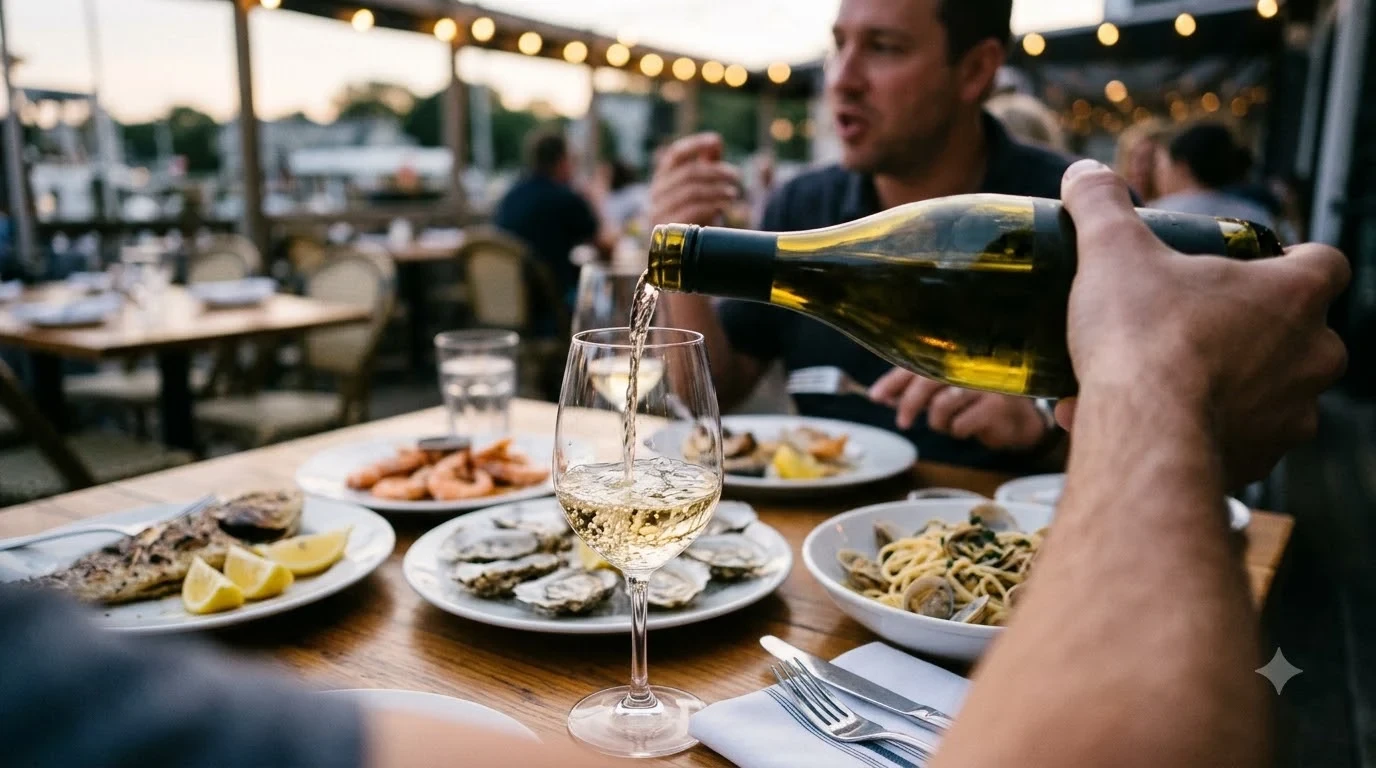
An Iowa wine festival typically combines local wine tastings, conversations with producers, regional food, and entertainment. The experience is designed for visitors who want to discover Iowa wines in a relaxed setting rather than spend the day following a formal tasting itinerary.
Festival formats vary by organizer and location. The Iowa Wine Growers Association promotes consumer events through its official wine-event calendar, which includes festivals, winery tastings, food-pairing dinners, and live entertainment. Some events take place at individual wineries, while others form part of larger agricultural or community celebrations.
A dedicated Iowa Wine Festival event described by the organizers includes access to tastings from participating local wineries. Guests can also enjoy food from local vendors, live music, winery presentations, and opportunities to speak directly with winemakers. This combination makes the event appealing to experienced wine drinkers and people who are just beginning to explore regional wines.
One particularly useful feature is the opportunity to taste before choosing bottles to take home. Rather than selecting wine based only on a label or grape name, visitors can compare different producers and styles during the same visit. Taking brief notes about grape varieties, sweetness, acidity, and favorite producers makes later purchasing decisions easier.
The organizer’s Iowa Wine Festival FAQ describes a commemorative tasting glass and an Iowa Wine Guide as general admission benefits. Its VIP experience adds an exclusive reserve-wine tasting period from noon to 1 p.m., along with access to winemakers in a more personal setting.
These details apply to the particular festival format described by its organizer, not necessarily every Iowa wine event. Visitors should distinguish between a dedicated festival, the Iowa Wine Experience at the State Fair, and individual winery celebrations because their schedules and admission arrangements can differ.
Festival Locations, Dates, and Seasonal Events
Iowa wine celebrations take place in several parts of the state, with the Des Moines area serving as an important destination for larger public wine showcases. May is also a significant month for wine tourism because it is recognized as Iowa Wine Month.
One of the best-known statewide attractions is the Iowa Wine Experience at the Iowa State Fair. The event is located at Grandfather’s Barn on the Iowa State Fairgrounds in Des Moines. It gives fair visitors an opportunity to explore locally produced beverages without having to travel to several separate vineyards.
The Iowa Wine Experience features Iowa wines, hard ciders, sangrias, and frozen wine slushies. Its presentation also highlights selections recognized in the Iowa Commercial Wine Competition. The venue combines an indoor setting with outdoor seating, giving visitors a convenient place to pause during a busy day at the fair.
The State Fair experience should not be confused with a standalone Iowa Wine Festival. The two offer different formats: one is a wine-focused attraction within a larger state celebration, while the other is a dedicated gathering centered on participating wineries and their products.
May provides another opportunity to explore the state’s wine culture. Iowa Wine Month encourages residents and visitors to support local wineries through tasting-room visits and special events. Participating producers may organize tastings, seasonal celebrations, food experiences, or other activities during the month.
There are also events throughout the rest of the year. Winery calendars may feature harvest celebrations, holiday gatherings, live music, and special tasting sessions. Because individual producers control their own schedules, a visitor planning a trip outside May or the State Fair period should review the relevant event listings before traveling.
Tip: Check the Iowa Wine Growers Association’s event calendar and the individual winery’s website before setting out. A festival date, a tasting-room opening schedule, and a special-event reservation are three different things, so confirming each detail helps prevent an unnecessary trip.
For visitors coming from neighboring states, combining a festival with an overnight stay can make the trip more rewarding. Des Moines offers access to the State Fair wine attraction, while other parts of Iowa provide opportunities to visit smaller vineyards and explore the countryside.
Discover Iowa’s Cold-Climate Grapes and Wine Styles
Iowa wine stands out because many of its vineyards grow cold-hardy grape varieties developed or selected for challenging Midwestern conditions. Short growing seasons and harsh winters influence which grapes can thrive, giving local producers a different selection from wineries in warmer regions.
The Iowa Wine Growers Association identifies more than 40 grape varieties grown in Iowa that are suited to cold winters. These include Brianna, La Crescent, Frontenac Gris, La Crosse, Edelweiss, Marquette, Marechal Foch, and St. Croix. Visitors can find useful descriptions of their aromas, flavors, and typical wine styles in the association’s Iowa grape variety directory.
Marquette is particularly interesting for visitors who enjoy red wine. It produces deeply colored wines that can show cherry, blackberry, plum, pepper, tobacco, leather, and spice characteristics. Its fruit character and medium-bodied structure make it a useful variety to compare with more familiar red grapes.
Frontenac is another cold-hardy red grape worth seeking out. Depending on the producer and winemaking approach, it can produce wines with cherry, blackberry, currant, and plum flavors. Some examples are made as red table wines, while others are presented as rosé or port-style wines.
White wine drinkers can explore varieties such as La Crescent, Brianna, and Edelweiss. La Crescent can offer aromatic apricot, peach, and citrus characteristics. Brianna is often appreciated for its pineapple, citrus, and floral profile, while Edelweiss produces sweet, aromatic white wines with fruity flavors.
Iowa producers also make wines from locally grown fruit. Depending on the winery, visitors may encounter apple, rhubarb, berry, or other fruit-based wines alongside grape wines. This broader selection is part of what makes a regional tasting experience interesting: the lineup may extend well beyond the grape varieties commonly found in international wine shops.
The state’s wine industry also has a meaningful agricultural history. WineAmerica reports that grapes were first planted in Iowa in 1857 and that the modern industry gained renewed support through the Iowa Wine Growers Association, established in 2000. The association supports research, education, promotion, and the development of the state’s grape and wine industry.
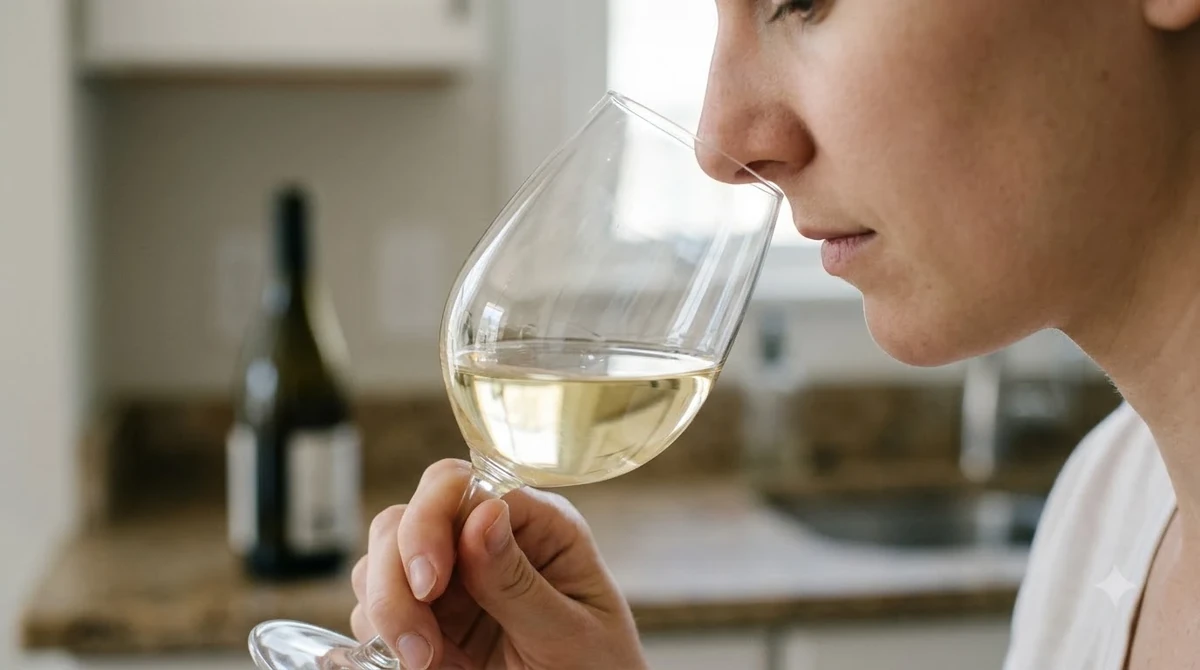
For a first-time visitor, tasting several contrasting styles is more useful than concentrating on one familiar grape. Try a dry Marquette, an aromatic white made from La Crescent, and a fruit wine. Comparing their aromas, acidity, sweetness, and finish provides a clearer understanding of Iowa’s wine identity.
Explore Iowa’s Wine Trails Beyond the Festival
A festival offers a convenient introduction to local wines, but Iowa’s wine trails provide a more detailed look at individual producers. These routes connect wineries and tasting rooms across the state, allowing visitors to discover different wine styles, landscapes, and hospitality experiences.
The Iowa Wine Growers Association identifies eight wine trails located across the state. Its regional routes and geographically focused tours cover western, northern, central, eastern, and southeastern Iowa. The routes are useful for building a weekend itinerary or extending a festival visit into a longer road trip.
The I-80 Wine Trail is especially convenient for travelers already crossing the state. The association describes 10 wineries within approximately 10 miles of the interstate. This makes it possible to add a winery stop to a journey without making a substantial detour from the main highway.
The Iowa Wine Trail covers the upper Mississippi Valley wine region and includes 11 participating wineries. Its listed communities include Anamosa, Baldwin, Bankston, Clinton, Decorah, Fredericksburg, Guttenberg, Marquette, and West Branch. Visitors can combine tasting-room stops with drives through river communities and agricultural landscapes.
Central Iowa is represented by the Heart of Iowa Wine Trail, which includes eight wineries spread across much of the central third of the state. The route provides opportunities to visit wineries outside the main metropolitan area and discover a range of local wine styles.
The Western Iowa Wine Trail focuses on cold-climate grape varieties and locally produced fruit wines. The association describes participating wineries around communities including Elk Horn, Thurman, and Crescent. Its tasting rooms provide opportunities to talk directly with producers about the varieties and winemaking methods used in their bottles.
Other routes include the Scenic Rivers Wine Trail, with nine wineries in southeastern Iowa, the Northwest Prairie Wine Trail, with 15 wineries and three brewery partners, and the Back Roads Wine Trail, with four wineries around Highway 92 southeast of Des Moines. The Amana Colonies also provide a winery-focused destination for visitors exploring the area.
| Wine trail or destination | Area | What visitors can discover |
|---|---|---|
| Iowa Wine Trail | Upper Mississippi Valley | 11 participating wineries and diverse tasting rooms |
| I-80 Wine Trail | Along Interstate 80 | 10 wineries within approximately 10 miles of the interstate |
| Western Iowa Wine Trail | Western Iowa | Cold-climate grape and fruit wines |
| Heart of Iowa Wine Trail | Central Iowa | 8 participating wineries |
| Amana Colonies | East-central Iowa | 7 wineries and shops |
| Scenic Rivers Wine Trail | Southeastern Iowa | 9 participating wineries |
| Northwest Prairie Wine Trail | Northwestern Iowa | 15 wineries and 3 brewery partners |
| Back Roads Wine Trail | Southeast of Des Moines | 4 wineries around Highway 92 |
For a more detailed overview of destinations and routes, the Iowa wine trail is a natural starting point. Visitors can also explore the wider Wine Regions section to compare Iowa’s growing conditions and wine styles with those of other American wine-producing areas.
When planning a trail visit, avoid trying to cover too many wineries in one afternoon. Two or three tasting-room stops can provide a much better opportunity to learn about individual producers than rushing through a long list of destinations. Allow enough time for conversations, food, and the drive between locations.
Plan Your Festival Tasting and Food Experience
A successful festival visit begins with a little planning. Knowing what you want to taste, allowing enough time for food, and arranging transportation before arrival can make the experience more comfortable and enjoyable.
Start by identifying the participating wineries and the types of wines they expect to present. If the event includes a wide selection, consider beginning with lighter whites and rosés before moving to fuller-bodied reds and sweeter wines. This general progression can help keep stronger flavors from dominating the earlier part of the tasting.
Small pours are useful when comparing several wines. A standard wine serving is approximately 5 ounces, and a 750 ml bottle contains about five standard glasses. Festival tasting pours are generally smaller than a full restaurant serving, allowing visitors to sample more varieties during the event.
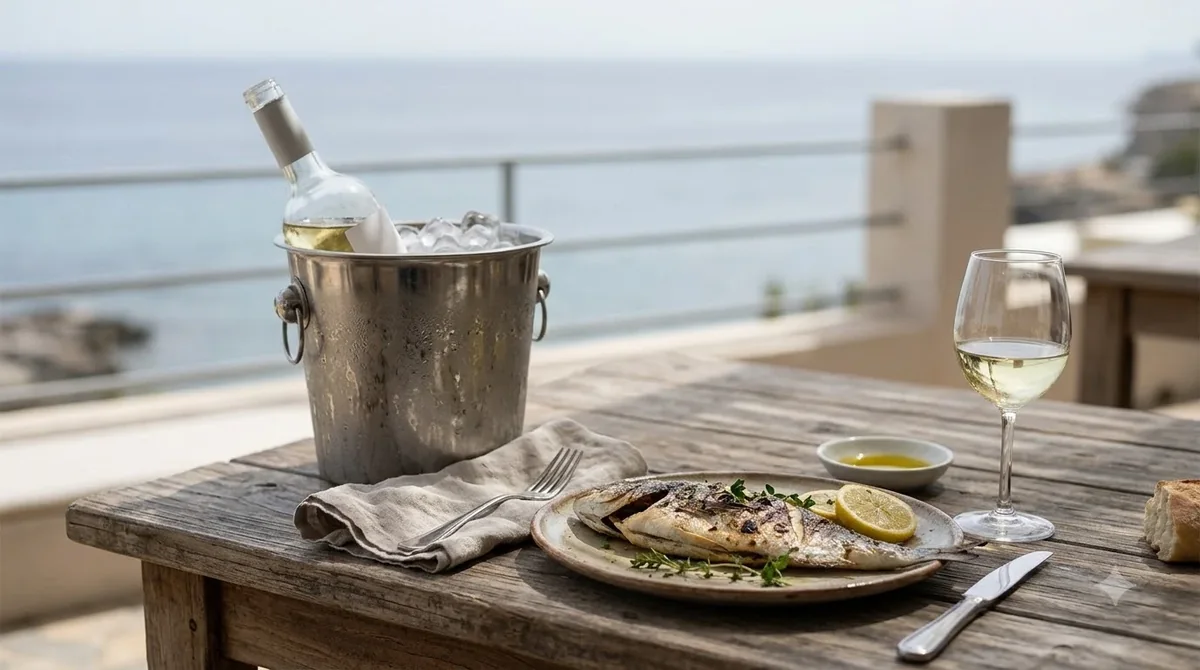
Food is an important part of the experience. Local cheeses, meats, chocolates, and other vendor offerings can complement a broad selection of wines. Cheese and savory foods are particularly helpful when comparing wines with different levels of acidity, tannin, and sweetness.
For example, a Marquette red can work with grilled meats, roasted vegetables, and savory dishes. Its fruit character can complement moderately rich foods, while its acidity helps balance the flavors of a meal. A dry aromatic white can be a better match for grilled chicken, fresh salads, or seafood.
Sweet wines are often best paired with desserts that are equally sweet or slightly less sweet than the wine. A fruity Iowa wine with noticeable residual sugar can work well with fruit-based desserts, while a dry white may be more appropriate for lighter savory dishes.
Acidity also deserves attention. Wines with high acidity, including many Sauvignon Blanc-style wines and aromatic whites, can pair well with dishes that contain lemon, vinegar, or other tart ingredients. Salt and fat can soften the perception of tannin in red wines, making savory foods useful companions for fuller-bodied styles.
For a practical tasting routine, use the following steps:
- Begin with a plan: Review the participating winery list and identify three or four wines you especially want to discover.
- Start with lighter styles: Taste sparkling wines, lighter whites, and rosés before moving to fuller reds.
- Take short notes: Record the producer, grape variety, sweetness, acidity, and your overall impression.
- Enjoy food between samples: Local cheese, bread, and other savory foods can help refresh your palate.
- Revisit favorites: If the event permits, return to a wine you particularly enjoyed before deciding which bottles to purchase.
Remember that chili heat can make alcohol and tannin feel more pronounced. If you are eating spicy food, a refreshing wine with moderate alcohol and good acidity may be a more comfortable pairing than a powerful, tannic red.
Practical Tips for First-Time Festival Visitors
First-time attendees can enjoy an Iowa wine event without extensive wine knowledge. A few practical decisions about clothing, timing, transportation, and tasting habits will make the day easier.
Many dedicated winery festivals are outdoors. The organizer’s FAQ recommends comfortable clothing suited to Iowa’s changing weather. Comfortable walking shoes are a sensible choice, particularly when the event involves vineyard grounds, outdoor vendor areas, or several tasting stations.
Weather preparation is important because outdoor events may continue in rain or changing temperatures. The specific festival FAQ describes a rain-or-shine format, with activities moved under a large tent during inclement weather. That arrangement should not be assumed for every event, so visitors should confirm the weather policy for their chosen celebration.
Some events also permit visitors to bring lawn chairs, umbrellas, blankets, sunscreen, and insect repellent. Outside food, beverages, and coolers may be restricted. Reviewing the permitted-items policy before departure can prevent problems at the entrance.
Age restrictions are another important consideration. The dedicated festival described in the organizer’s FAQ is a 21-and-over event, and pets are not permitted. Other winery events may have different policies, so families should confirm admission rules before making plans.
Transportation deserves particular attention. Wine festivals encourage sampling several products, which makes a designated driver, rideshare arrangement, or overnight accommodation a sensible part of the itinerary. Some organizers offer designated-driver admission, although the benefits vary by event.
For visitors who want to purchase bottles, taking notes is helpful. The festival organizer describes a system that allows attendees to identify wines during the event and arrange purchases through a wine checkout area. This can be especially useful when several producers offer similar grape varieties.
It is also sensible to bring a payment method, a phone for recording winery names, and a small bag for personal essentials. If you plan to buy multiple bottles, ask whether the event offers a convenient collection or vehicle-delivery service. Such arrangements are event-specific rather than guaranteed features.
Finally, do not feel pressured to sample everything. A focused selection of five or six interesting wines can provide a better learning experience than tasting continuously without considering what is in the glass. The aim is to discover producers and styles you might want to explore again.
Frequently Asked Questions
What makes Iowa’s wine industry historically significant?
Iowa ranked sixth nationally in wine production in 1919, shortly before Prohibition. The state also had a Grape Growers Association established in 1893, demonstrating that organized grape growing preceded the modern Iowa wine industry by more than a century.
How much vineyard labor does Iowa grape production require?
The Iowa Wine Growers Association estimates approximately 150 to 200 hours of vineyard labor per acre annually. The work includes activities such as pruning, canopy management, vineyard maintenance, and harvesting, although actual requirements vary with vineyard conditions and production methods.
How many grapes are needed to produce an Iowa wine bottle?
The Iowa Wine Growers Association estimates that approximately 500 grapes are needed to produce a standard 750 ml bottle. The actual number varies according to grape size, juice yield, and winemaking practices.
What percentage of grapes must come from Iowa for a wine to carry the Iowa designation?
According to the Iowa Wine Growers Association, wines labeled as Iowa wine require at least 75% of their grapes to be grown in Iowa. This requirement helps distinguish locally sourced wines from products made primarily with grapes grown elsewhere.
How much juice does one ton of Iowa grapes typically produce?
The Iowa Wine Growers Association estimates that one ton of grapes typically yields approximately 140 to 160 gallons of juice. The final yield depends on the grape variety, fruit condition, and pressing technique used by the winery.
An Iowa wine festival is an enjoyable introduction to a regional wine industry shaped by cold winters, distinctive grape varieties, and independent producers. Whether you attend the Iowa Wine Experience in Des Moines, visit a dedicated winery festival, or explore a regional wine trail, you will find plenty of opportunities to discover local wines. Plan ahead, taste thoughtfully, and leave time to explore the wineries beyond the festival grounds.
More in Wine Regions
 Willcox Wine Trail: Discover Arizona’s High-Elevation Wine CountryUpdated Nov 20, 2026
 Yakima Valley Wine Region: Find the Best Styles to TryUpdated Nov 20, 2026
 Vosne Romanee Wine Tasting: Identify Aromas and Choose Better PairingsUpdated Nov 20, 2026
 Yakima Valley Wine Festival: Find the Best Seasonal Wine EventsUpdated Nov 20, 2026
 Wales Vineyards: Discover Cool-Climate Wines and Where to VisitUpdated Nov 20, 2026
 Yountville Wine Festival: Discover Napa Wines and Local FoodUpdated Nov 20, 2026