

We may earn a commission when you buy through links on this page, at no extra cost to you. Learn more.
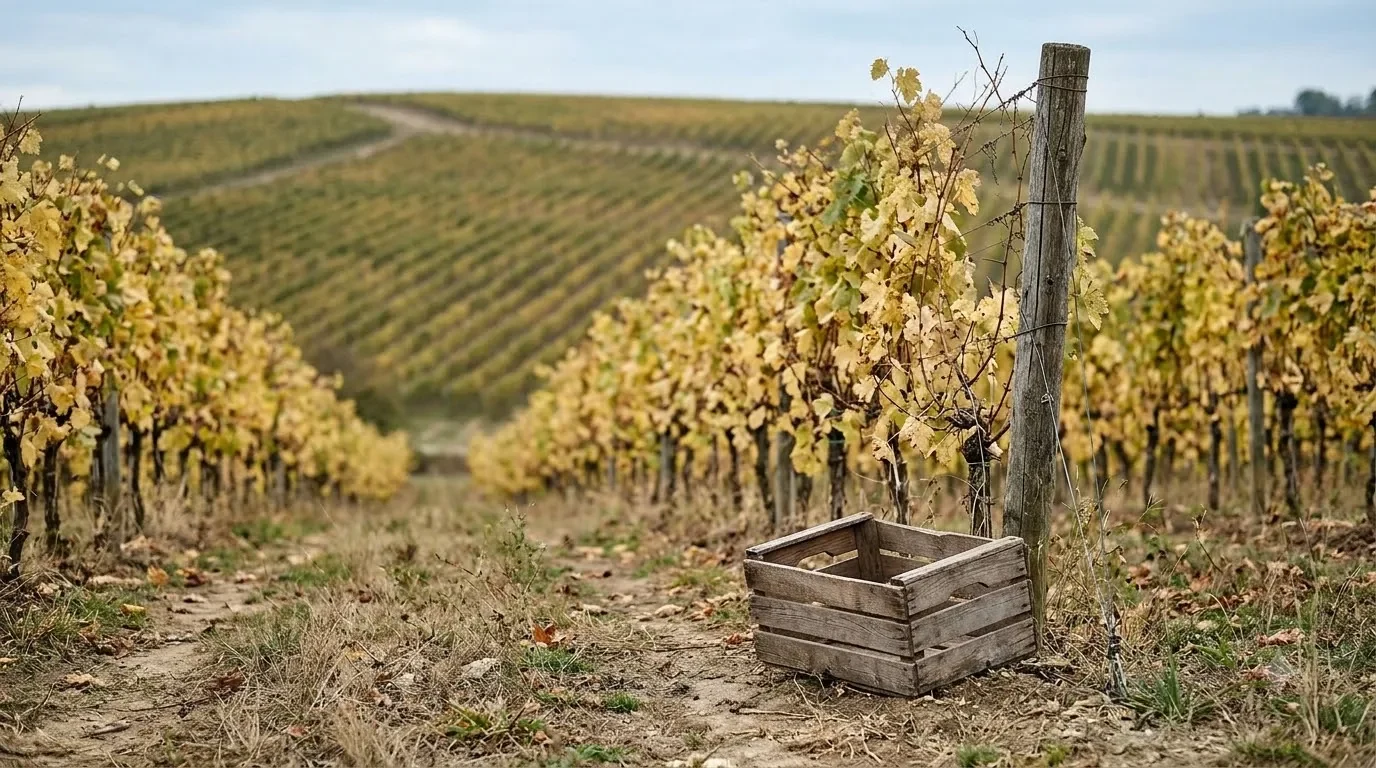
Iowa vineyards are mostly small farm operations that grow cold-hardy French hybrids and native American grapes, because the state’s harsh winters rule out most European vinifera. Iowa was once one of the largest wine producers in the United States, and today it has roughly 100 commercial wineries spread across the state. This guide covers the history, the grapes, the regions, and what to expect if you want to visit or buy.
Most people picture California or France when they think of wine country, so Iowa can seem like an unlikely place for vineyards. The reality is more interesting. Growers here work with cold winters and humid summers, and they have built a regional style around the grapes that handle those conditions. The sections below explain how that happened and how to make the most of a trip.
A Short History of Iowa Wine
Iowa’s wine story is older than many visitors expect. According to the Wikipedia entry on Iowa wine, the state was one of the largest wine producers in the country in the late 1800s and early 1900s. Prohibition ended that production, and the industry had to be rebuilt from very little decades later.
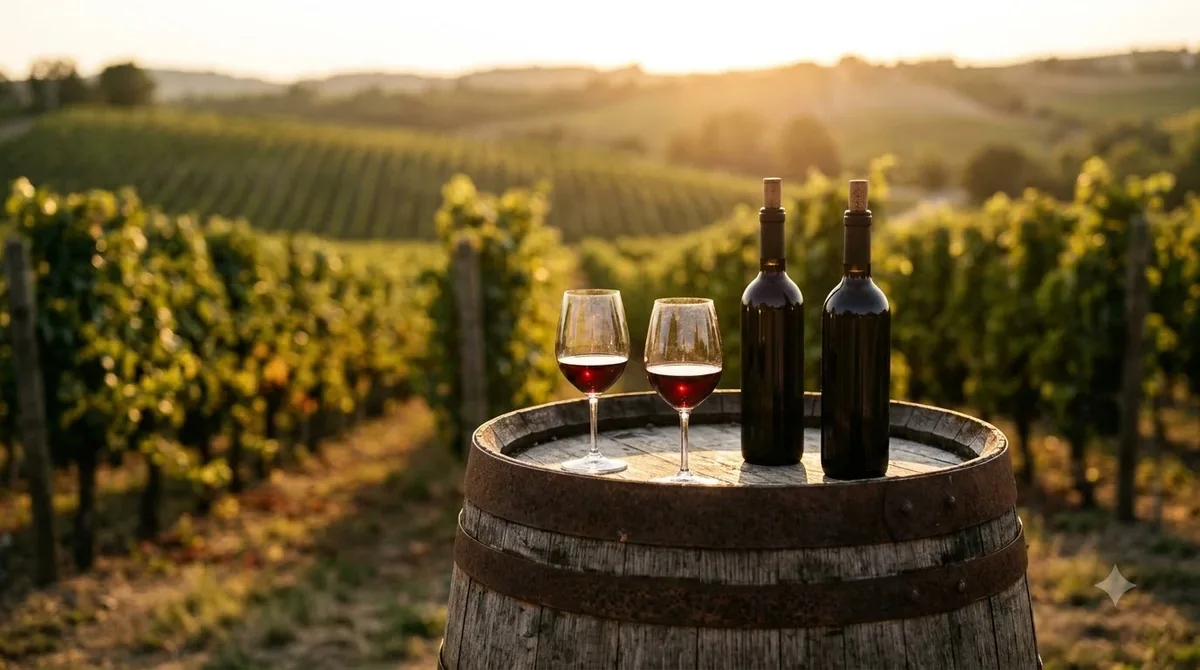
Today’s industry is far smaller than it was at its peak, but it has a clear identity. Many wineries sit on working farms, and several combine wine with fruit, cider, or local food. That mix is a big part of why a visit here feels different from a stop in a large commercial valley.
The rebuilding that followed was slow. Growers had to learn which varieties would survive the winters, which trellis systems worked on flat farmland, and how to protect young vines from disease in humid summers. Many of those lessons are still visible in the lineup today: the grapes that dominate Iowa vineyards are the ones that proved they could handle the climate year after year, not the ones that look best on a European wine map.
The Grapes Iowa Growers Plant
Because the winters are hard, most commercial vineyards in Iowa depend on French hybrids and native American grapes rather than the classic European species. The Wikipedia article on Iowa wine lists varieties such as Catawba, Concord, Chambourcin, Frontenac, La Crosse, Marquette, Niagara, Norton, Seyval blanc, Traminette, and Vidal blanc among those grown in the state. Only a few vinifera vines are planted, and some wineries bring in grapes or juice from other states and countries to fill gaps.
The result is a set of styles that many buyers will not find elsewhere. Reds tend to be fruit-forward and sometimes spicy, while whites can be crisp and aromatic. Catawba, for example, is a pink-skinned grape best known from New York, where it is used for white, rosé, and sparkling wines. The Wine Folly grape guide is a useful general reference for grape styles, though it does not cover Midwest growing conditions.
Sweetness is another area where Iowa styles differ from what many drinkers expect. Some wineries produce dry reds and whites alongside fruit-driven or semi-sweet bottles, and the sweetness level is usually stated on the tasting sheet rather than the label. If you prefer dry wine, ask for it directly, since the category names used by small producers do not always match the terms used in larger wine regions.
Where Iowa’s Vineyards Are Located
The state has two broad areas that matter when you plan a visit. Northeastern Iowa lies within the Upper Mississippi Valley AVA, so wineries there sit in a river-valley setting. Western Iowa is part of the Loess Hills District AVA, a newer designation that gives the western side of the state its own recognized growing area.
Vineyard counts vary by source, and the figures on the Wikipedia page are not fully consistent with each other.
The gap between the numbers matters for planning. A statewide count of wineries tells you the industry is active, but it does not tell you how far apart the tasting rooms are or how many are open on a given weekday. Many of the state’s vineyards are small plots attached to a farm, and some grow fruit or vegetables alongside the vines. A route built around two or three areas will work better than trying to cover the whole state in one trip.
The article body describes about 100 commercial wineries and more than 300 vineyards covering roughly 1,200 acres, so treat those numbers as a general sense of scale rather than an exact census.
| Area or feature | What to know | Why it matters for visitors |
|---|---|---|
| Northeastern Iowa | Upper Mississippi Valley AVA | River-valley setting with many small wineries |
| Western Iowa | Loess Hills District AVA | Newer designation with its own recognized area |
| Commercial wineries | Roughly 100 statewide | Plan routes by area rather than by city |
| Vineyards | More than 300, about 1,200 acres | Most are farm-scale plots near the tasting room |
Tip: Ask staff which grapes are grown on site and which are sourced from elsewhere. Some Iowa wineries blend in imported juice, and that answer tells you more about the bottle than the label alone.
Visiting Iowa Vineyards: Where to Start
Visiting a small winery is different from visiting a large valley estate. Hours are often shorter, tasting rooms may be on the farm itself, and staff tend to know the grower personally. Pick two or three wineries in the same area for a day trip, and leave room for slower stops. If you are comparing Iowa with other American wine destinations, the guide to Santa Ynez Valley vineyards shows how a coastal region built its identity around different grapes and a different climate.
It also helps to think about what you want from the day. Some visitors come for the wine and the food, others for the countryside, and some for the small-town feel of the region.
Plan for weather as well. Spring and early summer are the most reliable months for outdoor tastings, while late fall can be pleasant but may bring early cold. Before you go, check each winery’s posted hours and whether they take reservations for groups. Smaller producers often run tastings with limited seating, and a call ahead can save an empty drive.
The wine regions guide on this site explains how growing climate shapes style, which helps set expectations before you arrive.
Tasting and Buying Iowa Wine
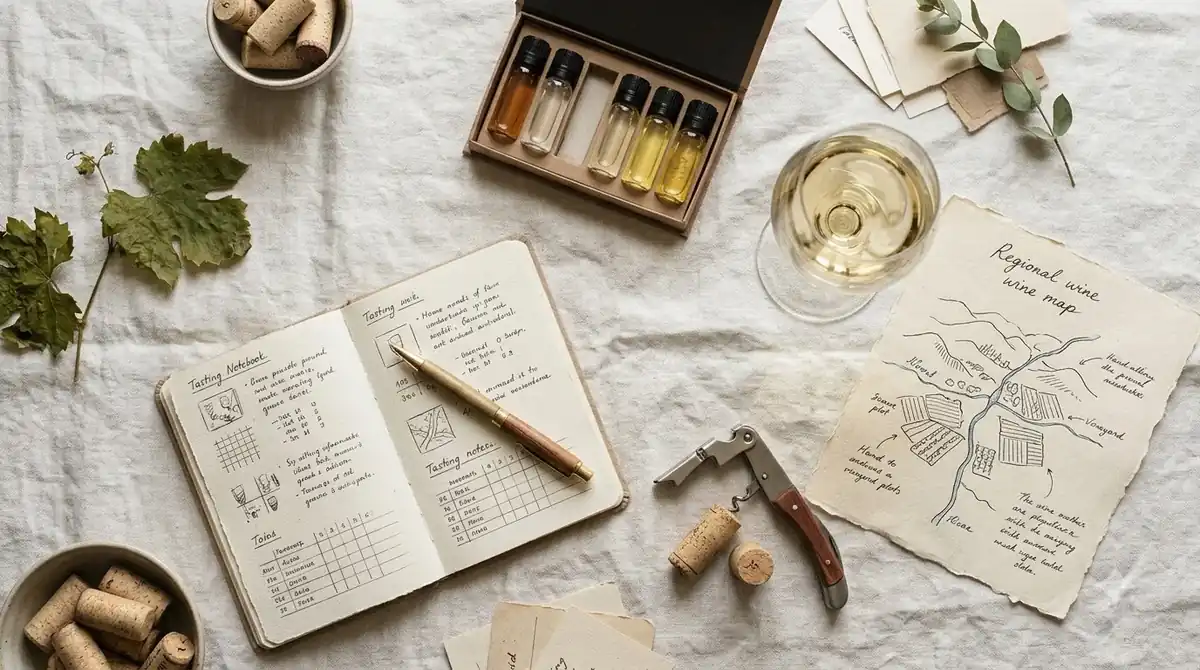
Hybrid wines often show bright fruit and softer tannin than a typical Cabernet Sauvignon, so they can feel approachable even when the label is unfamiliar. Serve most reds lightly chilled rather than at room temperature, and let the whites come up a little from fridge-cold so the aromas open. Reds with bright acidity pair well with grilled meats, smoked dishes, and hearty Midwest cooking. Lighter whites suit salads, fresh cheeses, and pork dishes, and a fruity rosé can carry a picnic spread without overwhelming it.
Storage follows the usual rules. Keep bottles out of direct sun and away from heat sources, and plan to drink lighter hybrid reds and whites within a year or two unless the producer specifically says a bottle is built to age. Ask the tasting staff for a recommendation on how long a particular wine is meant to last.
When you buy, look at the producer rather than the varietal name alone. A winery that grows its own grapes and explains its process is usually the best guide to what is in the bottle. If you want to compare with other American regions, the New Mexico vineyards guide covers another area where growers adapted to a demanding climate.
Frequently Asked Questions
Does Iowa really grow wine grapes?
Yes. Iowa has a working wine industry with commercial wineries and vineyards across the state. Most of the grapes are French hybrids and native American varieties chosen for their ability to survive cold winters.
What grapes are most common in Iowa vineyards?
Hybrid and native American grapes dominate, including varieties such as Concord, Chambourcin, Frontenac, Marquette, Norton, and Vidal blanc. Few classic European vinifera vines are planted because of winter conditions.
Are Iowa wines the same as California wines?
Not usually. Iowa wines tend to come from different grape families and a different climate, so the flavor profiles are often fruitier and lighter in tannin than many California reds. Some wineries also blend in fruit or juice from other states.
How many wineries are in Iowa?
The Wikipedia article on Iowa wine describes roughly 100 commercial wineries and more than 300 vineyards statewide. Counts change over time, so check current listings before planning a route.
Iowa vineyards reward curiosity more than they reward a checklist. Start with one or two wineries, ask what is grown on site, and taste the hybrids on their own terms. For a broader look at how regions shape wine style, return to the wine regions guide and compare what you learned here with other growing areas.
More in Wine Regions
 Willcox Wine Trail: Discover Arizona’s High-Elevation Wine CountryUpdated Nov 20, 2026
 Yakima Valley Wine Region: Find the Best Styles to TryUpdated Nov 20, 2026
 Vosne Romanee Wine Tasting: Identify Aromas and Choose Better PairingsUpdated Nov 20, 2026
 Yakima Valley Wine Festival: Find the Best Seasonal Wine EventsUpdated Nov 20, 2026
 Wales Vineyards: Discover Cool-Climate Wines and Where to VisitUpdated Nov 20, 2026
 Yountville Wine Festival: Discover Napa Wines and Local FoodUpdated Nov 20, 2026