

We may earn a commission when you buy through links on this page, at no extra cost to you. Learn more.
An Illinois wine festival is a practical way to sample wines from local producers, meet growers and winemakers, and discover how the state’s distinct wine regions differ. The best-known statewide gathering is Vintage Illinois in Utica, while vineyard events and trail weekends offer smaller, more place-focused experiences. Expect a mix of hybrid grape varieties, live music, food, and tasting formats that vary by organizer.
Illinois wine events are not limited to one town or one style of celebration. A large park festival can bring more than 20 wineries together for a broad tasting, while a wine-trail weekend may focus on food pairings, seasonal releases, or visits to individual tasting rooms. The right choice depends on whether you want many wines in one place, a scenic weekend, or a chance to learn about the grapes that suit the Midwest.
What to Expect at an Illinois Wine Festival
An Illinois wine festival usually combines tasting stations with local food, music, and a chance to talk directly with the people who make the wine. Vintage Illinois in Utica is the clearest example of a large statewide tasting, while events along the Shawnee Hills Wine Trail show how smaller regional celebrations can be organized around wineries and seasonal themes.
The scale varies considerably. Vintage Illinois brings more than 20 participating wineries and hundreds of wine choices to one venue; a trail event may spread tastings across a weekend and several winery locations. That difference affects how much time to reserve and whether an overnight stay makes sense.
Most gatherings mix tasting with live music, food, and conversations with growers or winemakers. Some provide tasting tickets and a souvenir glass; others use individual winery tastings, food-pairing flights, or passport activities. Check the format before arriving so you know whether admission includes a set number of samples or each stop is handled separately.
Vintage Illinois in Utica: The Large Statewide Tasting
Vintage Illinois is the best-known large-format option for visitors who want to compare many Illinois wineries in one place. Its most recently published program placed the event at Carey Memorial Park in downtown Utica, with a two-day schedule and more than 20 wineries represented.
The 2026 event listing gave Saturday hours of 11 a.m. to 6 p.m. and Sunday hours of noon to 5 p.m., with VIP entry one hour earlier. General admission included 10 tasting tickets and a souvenir glass; VIP admission included 15 tickets. One ticket covered a one-ounce pour. These details illustrate the format, but inclusions and hours can change between seasons.
| Published festival detail | What it means for visitors |
|---|---|
| 20-plus wineries | A broad comparison of Illinois producers in one location |
| Hundreds of wine choices | Plan a short list instead of trying every pour |
| Saturday, 11 a.m.–6 p.m. | Seven general-admission hours in the listed program |
| Sunday, noon–5 p.m. | Five general-admission hours in the listed program |
| 10 general-admission tasting tickets | Ten one-ounce tastes before any additional tickets |
| 15 VIP tasting tickets | Five more one-ounce tastes than the general-admission allocation |
Carey Memorial Park gives the event a walkable downtown setting. The published address is 105 Division Street, Utica, Illinois 61373, and the Village listing highlights local food and live music. Visitors traveling from outside the area should plan parking and lodging before the weekend.
The event rules require wine tasters to be at least 21 and to show valid photo identification. The listing also describes no-alcohol admission options for designated drivers and younger attendees; those categories do not include wine samples. Confirm age policies and ticket terms before bringing a mixed-age group.
For the next festival date, use the organizer’s current announcement rather than assuming the prior weekend will repeat without changes. The Village of Utica’s Vintage Illinois event details provide a useful reference for the location, tasting format, and schedule used in the latest published program. The official festival website is also the place to confirm new dates, participating wineries, entry arrangements, and any weather provisions.
Other Festival Formats Around Illinois
Not every Illinois wine celebration works like Vintage Illinois. Across the state, festival-style outings include downtown food-and-wine events, live-music afternoons at vineyards, harvest celebrations, and seasonal tasting weekends on organized wine trails.
In Geneva, the Festival of the Vine is described as an early-September event with food samples, wine tasting, and live music, plus additional tastings at local establishments. This format pairs wine with a town-center visit, making it a good fit for visitors who also want restaurants, shops, and a walk through downtown.
Harvest celebrations offer a different experience. Illinois tourism places the broad grape harvest period between August and October, when events may include grape stomps, tastings, music, and vineyard activities. Winery-hosted concerts and pairing weekends are usually more intimate, sometimes built around a flight with cheese or seasonal food. Check whether an event is a single-day festival, a concert series, or a multi-day harvest program. The Indiana wine festival offers a neighboring-state comparison for readers exploring Midwestern event options.
Illinois Grapes and Regional Wine Styles to Look For
Illinois wine is worth exploring partly because its grape list differs from the familiar lineup associated with warmer, drier wine regions. Look for Chambourcin, Norton, Vignoles, Seyval, Chardonel, and Vidal Blanc, as well as Traminette and other cold-hardy or hybrid varieties grown for regional conditions.
Ask whether a wine is made from one grape or a blend, and whether it is dry, off-dry, sweet, sparkling, or rosé. The grape name alone does not determine sweetness or body: one winery may make a crisp dry white while another produces a softer, sweeter version of the same variety.
Regional differences matter. Enjoy Illinois describes Northern Illinois as cooler, with longer growing seasons and wines marked by acidity; Vignoles, Chambourcin, and Frontenac are associated with the region. Central Illinois has a temperate growing climate, while Southern Illinois is warmer and has a mix of established family-run and newer vineyard operations. In western Illinois near the Mississippi River, Chambourcin and Norton are highlighted as local varieties.
Harvest timing adds context. The Illinois tourism harvest guide says Seyval, Vignoles, Chardonel, and Vidal Blanc generally ripen before Chambourcin, and Southern Illinois’ warm days and cool nights can push harvest later than in northern areas. The state tourism guide also identifies five wine trails: Shawnee Hills, Heart of Illinois, Mississippi Valley, Carlyle Lake, and Wabash Valley. For background on grape-growing areas and local wine styles, see the site’s guide to Wine Regions.
Shawnee Hills: A Wine Trail with Seasonal Events
The Shawnee Hills Wine Trail offers a different approach from a single central festival. The state tourism listing describes 11 wineries along a scenic route through the Shawnee National Forest, with special events at member wineries during summer and fall and a winter passport program in January and February.
The trail calendar lists a Holiday Open House on November 27, 2026; Wine Bingo beginning January 2, 2027; a cheese-focused pairing weekend beginning March 5, 2027; and a Rosé All Day weekend beginning June 4, 2027. The themes range from holiday festivities and a game-style trail activity to wine-and-food pairing.
Enjoy Illinois describes the route as a 35-mile scenic drive along Highways 127 and 51, with opportunities to picnic, hike, shop, or stay in a bed-and-breakfast or cabin. Eleven wineries are too many for a rushed afternoon, so choose a small cluster of stops, confirm hours, and leave time for food or outdoor scenery. Some weekends use passports or special tasting formats; others are hosted by one winery, which affects where you should begin and whether reservations are needed.
Review the Shawnee Hills Wine Trail event calendar before traveling. It lists seasonal programs and links to event details, while the broader trail directory can help you identify wineries and plan a route. For a comparison with a festival in another established wine destination, the Livermore wine festival gives readers a different regional reference point without confusing the Illinois event calendar with a single statewide schedule.
How to Plan Tickets, Travel, and a Tasting Day
A good festival day starts with the practical details: the event’s exact location, entry hours, tasting-ticket rules, age requirements, transportation, and food options. Vintage Illinois has used a two-day format at Carey Memorial Park, while Shawnee Hills events are distributed among trail wineries, so the logistics are not interchangeable.
Buy admission through the organizer’s current channel and save the confirmation for the gate. Check whether the ticket covers one day or a weekend, how many tasting tickets are included, whether extra tickets are available onsite, and whether entry is timed. For outdoor events, review rain plans and restrictions on chairs, coolers, pets, outside food, and re-entry.
Arrange transportation before tasting. A designated driver, hired ride, or overnight stay is safer than making the decision after the last pour. For a wine-trail visit, map the route and keep the number of stops realistic; the Shawnee Hills drive includes time for scenic views, food, and short walks as well as travel between wineries.
Build in food and water breaks, and do not feel obliged to use every tasting ticket. A one-ounce pour is smaller than a full glass, but samples add up. Take notes on the grape, producer, sweetness, and acidity so you can identify the wines you liked after the event.
Tip: Choose three tasting goals before you arrive: one local white grape, one local red grape, and one style you rarely order. This gives you a manageable tasting plan at a festival with dozens or hundreds of choices.
Dress for the venue rather than the word “festival.” A park event may mean walking on grass, standing in lines, and spending several hours outdoors; a winery event may involve gravel paths, patios, or uneven vineyard ground. Comfortable shoes, a light layer, sun protection, and a small notebook can make the day easier. If the organizer allows bottles to be purchased for takeaway, bring a secure way to carry them and avoid leaving wine in a hot vehicle.
Food Pairings and Getting More from Local Wine
Food can help make unfamiliar regional grapes easier to understand. Try lighter whites with seafood, salads, and fresh cheeses; fuller whites with roast chicken or creamy dishes; and reds with grilled meat, mushrooms, or tomato-based food. High acidity works well with lemony or fried dishes, while sweetness can balance spicy food when the wine is at least as sweet as the dish. Salt and fat soften red-wine tannin, which can help with a structured Chambourcin or Norton alongside barbecue or aged cheese.
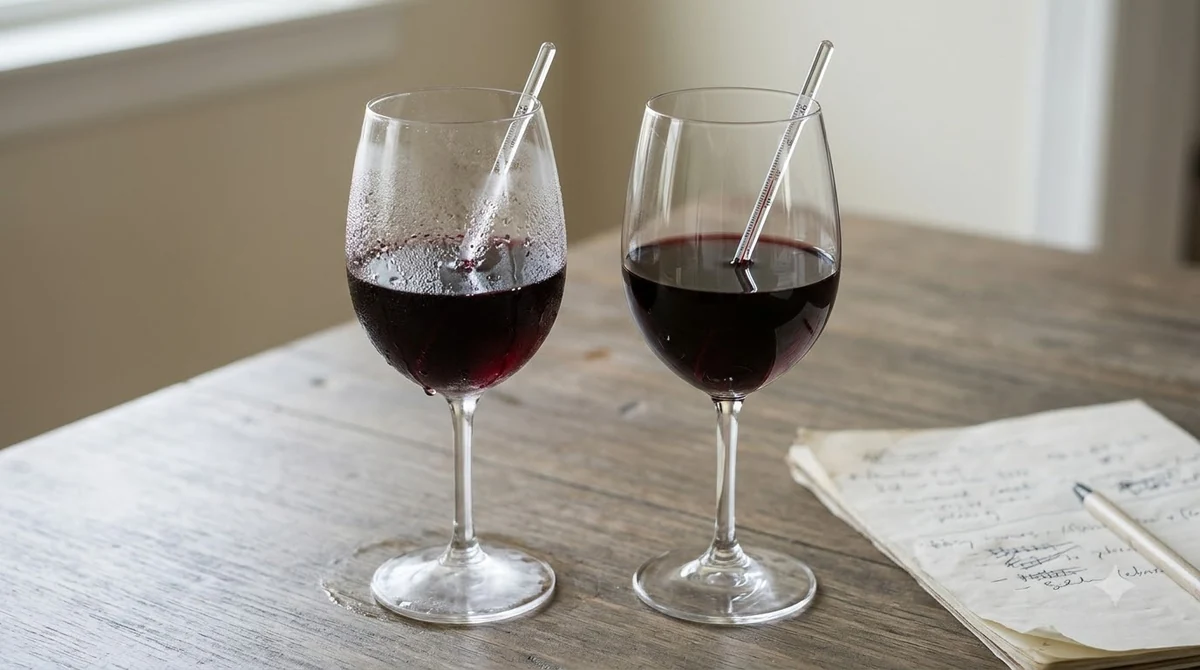
Ask how the wine should be served. A useful home range is 45–50 F for light whites and rosé, 50–55 F for fuller whites, 55–60 F for lighter reds, and 60–65 F for fuller reds; sparkling wines are usually served around 40–50 F. If you find a bottle you enjoy, note the producer and grape because small-lot wines may have limited distribution. Store bottles away from sunlight and heat, ideally near 55 F, and keep opened still wine refrigerated for three to five days.
Frequently Asked Questions
Is Illinois wine made only from hybrid grapes?
No. Illinois wineries use hybrid and native-derived varieties as well as European vinifera grapes. Some vineyards grow both, so ask which grape went into the bottle rather than assuming the state uses only one category.
Can a visitor attend Vintage Illinois without tasting wine?
The published Utica event program has included a no-alcohol designated-driver admission category, separate from wine-tasting admission. The same listing has described a child admission category for ages 5–17, also without alcohol. These arrangements are event-specific, so confirm the current policy before bringing a non-taster.
What does a one-ounce tasting pour look like?
One ounce is one-eighth of an eight-ounce measuring cup and one-fifth of a typical five-ounce wine pour. It is a sample rather than a full glass, designed to let visitors compare several wines.
Are Illinois wine-trail events held in winter?
Yes. The Shawnee Hills Wine Trail lists a winter passport activity that runs through January and February, along with a Wine Bingo event starting January 2, 2027. Winter trail programs can be structured around visits and activities at participating wineries rather than a single outdoor festival site.
Which Illinois wine grapes should a beginner try first?
Try Vignoles or Traminette as a white and Chambourcin or Norton as a red. When available, compare a dry and a sweeter bottling of the same grape to see how production choices affect the result.
An Illinois wine festival can be a single afternoon of tastings or the beginning of a weekend among vineyards, small towns, and scenic trails. Start with the event format that suits your group, taste a few regional grapes with curiosity, and leave room to discover a producer you may want to visit again.
More in Wine Regions
 Willcox Wine Trail: Discover Arizona’s High-Elevation Wine CountryUpdated Nov 20, 2026
 Yakima Valley Wine Region: Find the Best Styles to TryUpdated Nov 20, 2026
 Vosne Romanee Wine Tasting: Identify Aromas and Choose Better PairingsUpdated Nov 20, 2026
 Yakima Valley Wine Festival: Find the Best Seasonal Wine EventsUpdated Nov 20, 2026
 Wales Vineyards: Discover Cool-Climate Wines and Where to VisitUpdated Nov 20, 2026
 Yountville Wine Festival: Discover Napa Wines and Local FoodUpdated Nov 20, 2026