

We may earn a commission when you buy through links on this page, at no extra cost to you. Learn more.
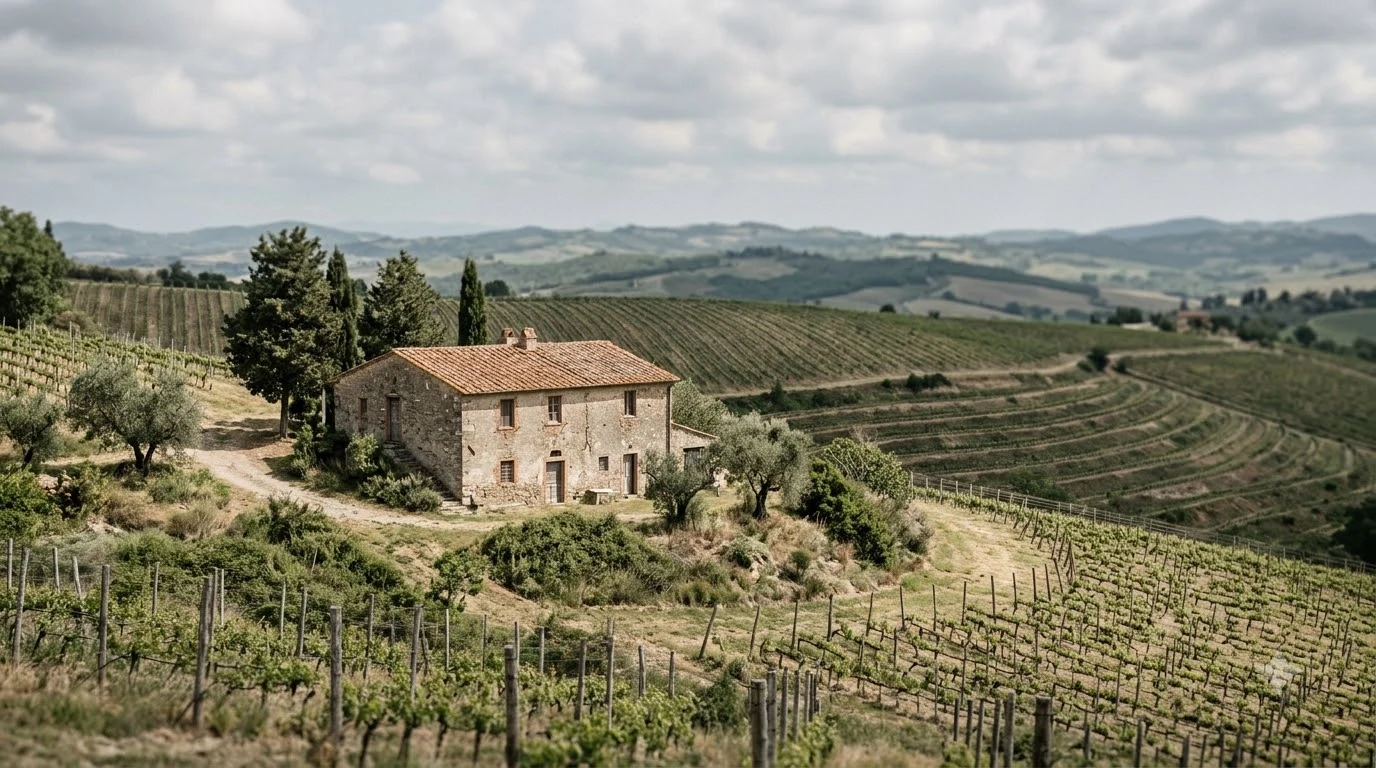
The Idaho wine trail is a collection of winery routes and tasting destinations across Idaho, with the Sunnyslope Wine Trail near Caldwell offering the most concentrated experience for visitors. Idaho has three American Viticultural Areas (AVAs), six recognized wine-growing regions, and wineries producing everything from Riesling and Chardonnay to Cabernet Sauvignon, Syrah, and Tempranillo. Start in southwestern Idaho for the greatest concentration of tasting rooms, or explore the northern Lewis-Clark Valley for a different landscape and regional wine character.
Idaho might be better known for potatoes, mountains, and outdoor recreation, but its wine industry has developed into an interesting destination for American wine enthusiasts. Vineyards benefit from sunny high-desert conditions, substantial elevation changes, and cool nighttime temperatures. The result is a wine scene with familiar international varieties alongside distinctive regional expressions. Understanding the geography before planning a visit makes it easier to choose wineries, arrange transportation, and discover bottles worth bringing home.
Understanding the Idaho Wine Trail and Its Geography
The Idaho wine trail is not one continuous road with a single official starting point. Instead, it connects several wine-growing destinations across the state, with southwestern Idaho providing the most established concentration of winery visits. The Sunnyslope Wine Trail near Caldwell is an especially practical starting point because multiple tasting destinations are located within a relatively compact agricultural area.
Idaho’s wine geography is organized into six tourism regions and three federally recognized AVAs. These designations are related but not interchangeable. An AVA identifies a geographically defined grape-growing region, while a tourism region groups destinations and experiences to help visitors organize a trip.
The three AVAs are Snake River Valley, Eagle Foothills, and Lewis-Clark Valley. Snake River Valley is the largest, encompassing approximately 8,263 square miles. Eagle Foothills is a smaller AVA located entirely within Snake River Valley, while Lewis-Clark Valley occupies northern Idaho and extends across the Washington border.
The six tourism regions provide a broader picture of where wine experiences can be found:
- Western Treasure Valley and Sunnyslope: The principal destination for exploring the Sunnyslope Wine Trail around Caldwell and Wilder.
- Eagle: A foothill destination with vineyards and tasting opportunities near the Boise metropolitan area.
- Boise and Garden City: An accessible option for visitors interested in urban tasting rooms and local craft beverages.
- Lewiston and Moscow: A northern destination associated with the Lewis-Clark Valley wine region.
- Coeur d’Alene and Sandpoint: A northern Idaho tourism area combining outdoor recreation with regional beverage experiences.
- South Central Idaho: A geographically extensive area with distinctive landscapes and developing wine experiences.
For a first visit, southwestern Idaho generally makes the most practical base. Caldwell offers access to numerous Sunnyslope producers, while Boise provides additional accommodation, restaurants, and transportation options. Visitors who have several days can extend their exploration toward Eagle or other Idaho wine regions rather than attempting to cover the entire state in one trip.
Idaho’s Three AVAs and Their Growing Conditions
Idaho’s three AVAs have different geographical characteristics that influence grape-growing conditions. The southern Snake River Valley and Eagle Foothills experience high-desert conditions, while northern Lewis-Clark Valley benefits from a comparatively temperate river-valley climate.
Snake River Valley AVA is the foundation of Idaho’s modern wine industry. Established in 2007, it stretches across southwestern Idaho and into Oregon. Its vineyards benefit from ancient geological deposits associated with Lake Idaho, including volcanic sediments and well-draining soils. The AVA covers approximately 8,263 square miles and has about 1,125 planted vineyard acres according to the Idaho Wine Commission.
Warm summer days help grapes ripen, while cooler evenings slow the accumulation of sugars and help preserve acidity. This combination supports several varieties, including Merlot, Cabernet Sauvignon, Syrah, Chardonnay, and Riesling. The region’s size also creates differences between individual vineyard sites, making it useful to compare wines from different producers rather than assuming every bottle represents the same style.
Eagle Foothills AVA became an official growing designation in 2015. It covers approximately 49,815 acres within Snake River Valley and is the only one of Idaho’s three AVAs located entirely inside the state. Its foothill geography influences sunlight exposure, cold-air drainage, and protection from frost and wind.
Granitic soils and variations in elevation contribute to the area’s distinctive vineyard conditions. Although it has a smaller planted area than the broader Snake River Valley AVA, Eagle Foothills is an important part of the state’s wine identity. Visitors can explore this area from the Boise metropolitan region without making a long-distance trip to northern Idaho.
Lewis-Clark Valley AVA was established in 2016 and follows the Snake and Clearwater rivers through northern Idaho and southeastern Washington. It covers approximately 479 square miles and is known locally as the inland Northwest’s banana belt because of its relatively mild climate compared with surrounding higher elevations.
The Washington State Wine Commission reports annual precipitation of approximately 11 to 22 inches in this AVA. Its steep canyons and lower benchlands encourage air drainage, while river-valley conditions create opportunities for growing varieties that benefit from a longer season. Chardonnay, Pinot Noir, and Merlot are among its leading grapes.
The following comparison summarizes the principal geographical differences.
| AVA | Established | Approximate area | Planted vineyard acres |
|---|---|---|---|
| Snake River Valley | 2007 | 8,263 square miles | 1,125 |
| Eagle Foothills | 2015 | 49,815 acres | 100 |
| Lewis-Clark Valley | 2016 | 479 square miles | 100 |
These acreage figures describe the regional vineyard footprint reported by the Idaho Wine Commission, rather than the total acreage of the AVAs. They also illustrate why the Snake River Valley is the natural starting point for visitors seeking a broad introduction to Idaho wine.
Planning a Visit to the Sunnyslope Wine Trail
The Sunnyslope Wine Trail is one of the most convenient ways to experience Idaho wine country. Located near Caldwell in the Western Treasure Valley, it brings together multiple wineries, vineyard landscapes, tasting rooms, and food destinations in southwestern Idaho.
Several participating wineries are located along or near roads connecting Caldwell, Wilder, and the surrounding countryside. This concentration makes it possible to organize a tasting day without spending most of the itinerary driving between distant towns.
Useful starting points include the following destinations:
- Bitner Vineyards: Located at 16645 Plum Road in Caldwell, Bitner Vineyards is a recognizable stop on the Sunnyslope route. Its tasting experience provides an opportunity to explore locally produced wines in a vineyard setting.
- Huston Vineyards: At 16473 Chicken Dinner Road in Caldwell, Huston is another established destination for visitors exploring the local wine scene. Its location makes it practical to include in a route through the surrounding countryside.
- Koenig Vineyards: Located at 21452 Hoskins Road in Caldwell, Koenig offers another tasting-room destination within the Sunnyslope area.
- Ste. Chapelle Winery: Found at 19348 Lowell Road in Caldwell, Ste. Chapelle has an important place in Idaho wine history. The winery opened in 1975 and is identified by the Idaho Wine Commission as the state’s largest winery.
- Sawtooth Estate Winery: Located at 19348 Lowell Road, Building C, in Caldwell, Sawtooth is another useful stop for visitors comparing regional wine styles.
- Fujishin Estate Winery: Located at 17543 Allendale Road in Wilder, Fujishin offers an additional opportunity to explore producers in the wider Sunnyslope area.
These wineries provide a useful selection rather than a mandatory route. Tasting-room schedules, reservation policies, event arrangements, and seasonal availability can differ. The official Sunnyslope Wine Trail winery directory provides participating winery names and addresses to help visitors organize their stops.
A sensible first visit should include approximately three wineries rather than attempting to visit every tasting room. Allow around 60 to 90 minutes at each destination, depending on the tasting format and whether food is available. This leaves time for lunch, photographs, conversations with winery staff, and a relaxed drive through the vineyard countryside.
For a one-day itinerary, begin with a late-morning tasting, take a proper lunch break, and schedule two additional afternoon visits. Visitors interested in purchasing bottles should leave sufficient space in their vehicle and avoid leaving wine in a hot parked car.
Idaho Wine Grapes and Styles Worth Discovering
Idaho produces a wider selection of wine than many first-time visitors expect. Riesling, Chardonnay, Merlot, Cabernet Sauvignon, Syrah, Cabernet Franc, Malbec, and Tempranillo are among the varieties worth looking for, with regional conditions influencing their ripeness, acidity, and flavor profiles.
Riesling is one of the state’s most important white varieties. The Idaho Wine Commission identifies approximately 105 vineyard acres devoted to Riesling. Idaho-grown examples can show floral aromas, including rose and honeysuckle, alongside peach and lime flavors. The cooler nighttime temperatures of southern Idaho help maintain the natural acidity that makes this grape particularly versatile.
Riesling may be made in dry, off-dry, or sweeter styles. Visitors should pay attention to the wine’s actual sweetness when selecting a bottle. A dry Riesling works well with seafood, grilled chicken, and spicy dishes, while sweeter examples can complement fruit desserts and foods with pronounced chili heat.
Chardonnay is another important Idaho variety. The state’s warm summers encourage citrus, peach, and melon characteristics, and local producers also make sparkling wines from this grape. Depending on winemaking choices, Chardonnay can be fresh and citrus-driven or richer with oak-derived vanilla and toasted notes.
Merlot is Idaho’s most planted red wine grape, with more than 90 vineyard acres according to the Idaho Wine Commission. It often displays black cherry, cedar, and vanilla characteristics. Its medium tannin level and softer structure make it a useful introduction to Idaho reds, especially for visitors who prefer approachable wines rather than intensely structured Cabernet Sauvignon.
Cabernet Sauvignon offers a fuller-bodied alternative. Idaho examples can combine dark fruit with substantial tannin and acidity. These characteristics make the variety particularly suitable for grilled beef, lamb, and rich mushroom dishes.
Cabernet Franc is another interesting regional variety. Approximately 41 vineyard acres are devoted to it in Idaho. Depending on the producer and growing conditions, its aromas may include raspberry, cassis, tobacco, bell pepper, and violets. Its brighter character can make it a useful alternative to heavier red blends.
Syrah benefits from Idaho’s warm summer conditions and can develop savory characteristics, including black pepper and violets. It is a good choice for visitors who enjoy Rhône-style reds and want to compare Idaho interpretations with wines from other American regions.
Malbec and Tempranillo add further diversity. Malbec can show deep color, ample tannin, and plum-like flavors. Tempranillo is well suited to the hot, dry vineyards of the Snake River Valley and may display vanilla, plum, and strawberry notes. The Idaho Wine Commission identifies approximately 32 vineyard acres devoted to Tempranillo.
For a broader introduction to the varieties and growing areas discussed here, explore our guide to Wine Regions. Comparing regional wines alongside established examples from other growing areas can help visitors recognize which Idaho styles they enjoy most.
Food Pairings and Tasting Tips for Idaho Wines
Food is an important part of a successful Idaho wine visit, particularly because the state’s producers make both fresh, high-acidity whites and structured red wines. Matching the wine’s acidity, sweetness, and tannin to the dish usually produces better results than choosing a bottle simply because it comes from a particular grape variety.
Riesling is especially flexible at the table. Its acidity works with seafood, while off-dry versions can complement spicy Asian dishes. Grilled salmon with a soy and honey glaze is a particularly useful pairing. Chardonnay works well with roasted turkey, baked brie, and grilled fish, especially when the wine has sufficient body to match the dish.
For red wines, Idaho Merlot is a good partner for smoked ribs, roasted mushrooms, and pork. Its softer tannins make it easier to pair with dishes that have moderate richness without requiring the strong flavors needed by more structured reds.
Cabernet Sauvignon is better suited to pepper-crusted beef, lamb, and smoked meats. Its substantial tannins respond well to the protein and fat in these dishes. Syrah can accompany grilled lamb, roasted vegetables, and dishes seasoned with black pepper. Tempranillo is a natural match for roasted pork, beef, and foods with smoky or savory seasonings.
Temperature also makes a noticeable difference during a tasting. Serving a white wine too cold can hide its aromas, while a red served too warm may seem overly alcoholic. Use the following temperatures as a practical starting point:
| Wine style | Serving temperature |
|---|---|
| Sparkling wine | 40–50°F |
| Light white wines and rosé | 45–50°F |
| Full-bodied white wines | 50–55°F |
| Light-bodied red wines | 55–60°F |
| Full-bodied red wines | 60–65°F |
| Sweet white wines | 43–50°F |
For a structured tasting, start with sparkling wines and lighter whites before moving to fuller whites and reds. Taste dry wines before sweeter wines when possible, because sweetness can influence how subsequent wines appear. A standard tasting pour is smaller than a full restaurant serving, giving visitors an opportunity to compare several bottles without committing to a full glass at each stop.
Tip: Take notes on grape variety, producer, vintage, acidity, and finish after each tasting. If you particularly enjoy a wine, ask the winery about its production style and whether the same grape is available in another blend or vintage. This makes it easier to identify the Idaho wines worth purchasing later.
Food pairing also matters when choosing wines to bring home. High-acidity Riesling works particularly well with acidic foods, while the softer tannins of Merlot make it versatile with moderately rich meals. Avoid pairing highly tannic reds with delicate oily fish, and remember that alcohol and tannin can intensify the sensation of chili heat.
When to Visit and How to Organize Your Trip
The best time to explore the Idaho wine trail depends on the experience you want. Late spring and summer are attractive for vineyard scenery and outdoor tasting spaces, while autumn offers harvest-related activity and the opportunity to see vineyards during one of their most visually interesting periods.
Southwestern Idaho experiences a high-desert climate with hot summers, limited rainfall, and substantial temperature differences between day and night. These conditions are important for grape growing, but they also influence visitor comfort. Summer afternoons can be warm, so morning tastings and shaded outdoor seating are useful considerations.
Autumn is especially appealing for visitors interested in the production side of winemaking. Harvest schedules vary according to grape variety, vineyard elevation, weather, and producer decisions. Some wineries may have increased activity during this period, while tasting-room experiences can differ from their quieter seasonal schedules.
Winter and early spring can also be suitable for tasting-room visits. The official Sunnyslope Wine Trail directory describes participating tasting rooms as operating year-round, although individual opening days and appointments should always be confirmed before traveling. These quieter periods can provide more opportunities for conversations with winery staff.
Transportation requires particular attention. A wine trail visit should never depend on one person driving after drinking at multiple tasting rooms. Arrange a designated driver, private transportation, or an organized tour before beginning the day. Keep the route compact, especially if visiting three or more wineries.
Boise is a useful accommodation base because it offers a wider range of hotels, restaurants, and other visitor services. Caldwell is closer to the Sunnyslope wineries and can reduce driving between the hotel and tasting destinations. Visitors spending several days in the region may also consider combining wine tasting with outdoor activities and local dining.
For travelers comparing wine destinations in other parts of the United States, the traverse city wine trail offers a contrasting experience around Michigan’s Great Lakes, while the applegate valley wine trail provides another opportunity to explore American regional wine producers.
Before leaving, check winery hours, reservation requirements, tasting fees, food availability, and any special event schedules. Some destinations may have limited seating or private-event closures. Confirming these details helps prevent unnecessary driving and leaves more time for the wineries you most want to visit.
What to Buy and Bring Home from Idaho Wine Country
Buying wine directly from the producer is one of the most rewarding parts of visiting Idaho wine country. Tasting-room selections can include individual varietal wines, regional blends, sparkling wines, and special releases that provide a more complete picture of each producer’s style.
For a balanced introduction, consider bringing home one bottle of Riesling, one Chardonnay, and one red wine. This combination offers a useful comparison of Idaho’s white-wine acidity, richer white styles, and red-wine structure. Visitors who prefer red wine can substitute Cabernet Franc, Syrah, or Tempranillo depending on their preferences.
Regional blends deserve attention, too. A blend can bring together grapes from different vineyard sites or combine varieties to achieve a particular balance of fruit, acidity, and tannin. Rather than assuming a single-variety wine always provides the clearest expression of a region, compare blends with varietal bottlings from the same producer.
Storage and transportation are important when buying bottles during a road trip. Wine should ideally be kept near 55°F in a relatively stable environment, away from direct sunlight and excessive temperature changes. Bottles intended for longer storage are generally best kept on their sides when sealed with natural cork.
For visitors flying home, airline baggage restrictions and local shipping rules may affect how wine can be transported. Ask the winery about available shipping services and suitable packaging. Do not leave purchased bottles inside a hot vehicle for extended periods, particularly during Idaho’s summer months.
Once home, serve the wines at appropriate temperatures and use standard tasting pours of approximately 5 ounces when opening a bottle with friends. A 750-milliliter bottle provides about five such servings. Opened still wines generally keep for approximately three to five days in the refrigerator when properly resealed, although freshness varies with the wine and storage conditions.
Keeping a record of the producer, grape variety, and vintage is useful when returning to Idaho or looking for the same wine through a retailer. It also makes comparisons between different Idaho AVAs more meaningful over time.
Frequently Asked Questions
Is the Idaho wine trail suitable for beginners?
Yes. The concentrated winery options around Caldwell make southwestern Idaho approachable for visitors who are new to wine tasting. Many tasting experiences allow guests to sample several varieties in one visit, making it easier to discover preferences without needing advanced wine knowledge. Asking staff to explain the differences between dry Riesling, Chardonnay, and Merlot is a useful starting point.
Does Idaho produce sparkling wine?
Yes. Idaho producers make sparkling wines, including examples using Chardonnay. Production methods and sweetness levels vary between wineries. When comparing bottles, look for the sweetness designation and production information, particularly if you prefer traditional-method sparkling wine over fresher, fruit-driven styles.
Are Idaho wines available outside the state?
Some Idaho wines are distributed beyond the state, although availability depends on the producer and distribution arrangements. Smaller wineries may have more limited distribution than larger producers. Direct winery purchases and shipping arrangements can provide another way to obtain bottles after a visit, subject to applicable shipping regulations.
What does an Idaho AVA designation tell wine buyers?
An American Viticultural Area identifies a geographically defined grape-growing region with distinguishing geographical or climatic characteristics. Federal recognition does not establish a wine’s quality ranking or guarantee a particular flavor. A bottle labeled Snake River Valley or Lewis-Clark Valley identifies its regional origin rather than a specific winemaking method.
Can Idaho wineries accommodate visitors who do not drink alcohol?
Some wineries and surrounding tourism destinations may offer food, vineyard scenery, outdoor seating, and events that do not require participating in a wine tasting. Availability varies by property and occasion. It is helpful to ask about nonalcoholic options and visitor arrangements when making a reservation.
The Idaho wine trail offers a rewarding introduction to an American wine region with distinctive geography, varied grape varieties, and a growing collection of tasting destinations. Begin with the Sunnyslope wineries near Caldwell, compare wines from different producers, and leave time to explore Idaho’s other AVAs. Whether the preference is Riesling, Merlot, Syrah, or a regional blend, Idaho wine country offers plenty of reasons to make a dedicated visit.
More in Wine Regions
 Willcox Wine Trail: Discover Arizona’s High-Elevation Wine CountryUpdated Nov 20, 2026
 Yakima Valley Wine Region: Find the Best Styles to TryUpdated Nov 20, 2026
 Vosne Romanee Wine Tasting: Identify Aromas and Choose Better PairingsUpdated Nov 20, 2026
 Yakima Valley Wine Festival: Find the Best Seasonal Wine EventsUpdated Nov 20, 2026
 Wales Vineyards: Discover Cool-Climate Wines and Where to VisitUpdated Nov 20, 2026
 Yountville Wine Festival: Discover Napa Wines and Local FoodUpdated Nov 20, 2026