

We may earn a commission when you buy through links on this page, at no extra cost to you. Learn more.
Ice wine color typically ranges from pale straw yellow and golden yellow to deep amber for white varieties, while red ice wine can appear pink, ruby, or light burgundy. Its appearance depends primarily on grape variety, winemaking choices, and bottle age. Young white ice wines often look bright and golden, whereas mature examples can develop deeper honey and amber tones. Red varieties produce a separate range of pinkish and reddish shades.
Ice wine is a naturally sweet dessert wine made from grapes that freeze on the vine before harvest. The freezing process concentrates the sugars, acids, and flavors in the remaining juice, creating a distinctive wine with an intense appearance and flavor. Understanding its different colors makes it easier to recognize grape varieties, appreciate changes during aging, and distinguish white ice wine from red styles.
The Natural Color Spectrum of Ice Wine
White ice wine generally appears somewhere between pale straw yellow and rich golden amber, with many bottles showing a clear golden-yellow color. Red ice wine occupies a different spectrum, ranging from delicate pink to light ruby and burgundy. These differences are normal characteristics of the grapes and winemaking style rather than automatic signs of quality.
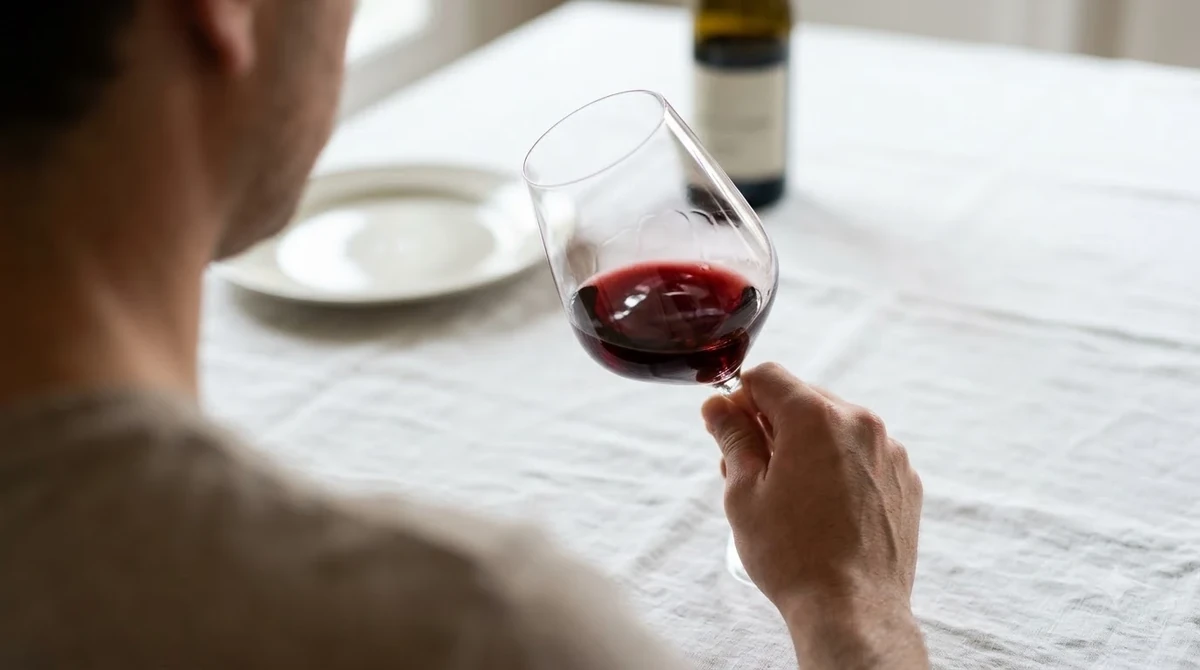
White ice wine made from Riesling, Vidal Blanc, or Gewürztraminer commonly has a yellow or golden appearance. A young bottle may look almost straw-colored when held against a white background. Other examples have a deeper golden tone, especially when the producer describes the wine as rich or concentrated. The color can also vary between vintages, even when the same grape variety is used.
Red ice wine is less common but offers an interesting alternative. Cabernet Franc is an established choice for this style in Canada. Depending on the producer and winemaking approach, its color can resemble rose-petal pink, raspberry, light ruby, or pale burgundy. These wines are not necessarily as dark as conventional Cabernet Franc red wines because their production does not follow the same extended red-wine skin extraction process.
Age introduces another visual dimension. White ice wines can gradually change from pale yellow toward golden amber and deeper honey-colored shades. A bottle that has developed an amber appearance may still be enjoyable, particularly if its aromas and flavors remain balanced. However, a darker color alone cannot establish whether a wine has aged well.
Tip: Examine ice wine against a white surface under natural daylight. A clear glass and neutral lighting make it easier to distinguish pale straw, golden yellow, pink, and amber shades without confusing reflections or artificial lighting with the wine’s actual color.
How Grape Variety Determines Appearance
Grape variety has a major influence on the appearance of ice wine, especially the distinction between white and red styles. Vidal Blanc and Riesling commonly produce golden-colored wines, while Cabernet Franc can create a pinkish-red dessert wine. The grape also influences aroma, acidity, and the way the wine develops in the bottle.
Vidal Blanc: Vidal is particularly associated with Canadian ice wine. Its naturally thick skins and cold tolerance make it suitable for remaining on the vine until winter harvesting. Vidal ice wine commonly displays golden yellow or deeper yellow-gold hues. Its concentrated fruit profile can include apricot, peach, nectarine, and tropical fruit characteristics. For example, G. Marquis describes its Niagara Peninsula Vidal Icewine as golden yellow, with aromas of ripe nectarine, apricot, and tropical fruit.
Riesling: Riesling ice wine is often pale golden yellow when young. It can display citrus, peach, apricot, and floral characteristics, with a bright acidity that balances its sweetness. G. Marquis describes its Niagara Peninsula Riesling Icewine as pale golden yellow. German Riesling Eiswein also belongs to this traditional style, although appearance varies with the individual wine and its maturity.
Cabernet Franc: This red grape can produce pinkish-red ice wine rather than the deep ruby color commonly associated with conventional red wine. G. Marquis describes its Cabernet Franc Icewine as rose-petal pinkish red. Its tasting profile includes watermelon, strawberry jam, ripe cranberry, dried fig, and raisin.
Other grapes can produce different variations. Gewürztraminer is valued for its aromatic character and can make richly flavored golden ice wine. Pinot Noir can also be used for pink or red styles. Chenin Blanc is another white variety associated with some ice wine-producing regions.
| Grape variety | Typical color | Common characteristics |
|---|---|---|
| Vidal Blanc | Golden yellow | Apricot, nectarine, tropical fruit |
| Riesling | Pale gold | Peach, citrus, floral notes |
| Gewürztraminer | Yellow to gold | Floral, aromatic, spicy notes |
| Cabernet Franc | Pinkish red | Strawberry, cranberry, watermelon |
| Pinot Noir | Pink to light ruby | Red fruit characteristics |
| Chenin Blanc | Pale yellow to gold | Fruit-driven, refreshing acidity |
These colors are general visual expectations, not fixed specifications. Two Vidal ice wines can have noticeably different shades, and two Cabernet Franc examples may not have identical pink or ruby tones. The producer’s winemaking decisions, grape condition, and storage history all contribute to the final appearance.
How Natural Freezing and Winemaking Affect Color
Ice wine gets its concentrated character from grapes that freeze naturally while remaining attached to the vine. The water inside the berries forms ice crystals, while the remaining liquid becomes concentrated in sugar, acidity, and flavor. The pressing process and subsequent winemaking decisions influence how the finished wine looks.
Authentic ice wine production depends on natural freezing rather than simply putting harvested grapes into a commercial freezer. Under the Canadian Vintners Quality Alliance standard, grapes must freeze naturally on the vine and be harvested below -8°C. The International Organisation of Vine and Wine specifies harvesting and pressing naturally frozen grapes at temperatures not exceeding -7°C.
These temperature requirements help distinguish naturally produced ice wine from artificially frozen sweet wine. The Canadian VQA standard also requires a minimum must concentration of 35 degrees Brix. This concentration helps explain why the resulting wine can have such an intense visual and sensory character despite the small quantity of juice extracted from each frozen berry.
After pressing, the concentrated juice undergoes fermentation. High sugar concentration can make fermentation slower than it is for ordinary table wine. Producers may use stainless steel tanks to maintain controlled conditions and preserve fresh fruit characteristics. The choice of fermentation conditions, maturation vessel, and handling can influence the final appearance.
Skin contact is particularly relevant when considering red ice wine. Conventional red wine production commonly extracts color from grape skins during maceration. Ice wine production involves pressing the frozen fruit to separate the concentrated liquid from ice crystals, rather than following the same extended extraction approach. Consequently, red grape ice wines often have a lighter appearance than conventional wines made from those varieties.
Oxidation and maturation can also change the appearance of a finished bottle. Some wines develop deeper golden or amber tones over time. Oak maturation, where used, can contribute additional complexity and influence the wine’s visual development. Nevertheless, there is no single color progression that applies to every producer or grape variety.
For a closer look at the technical differences between natural freezing, grape selection, and production standards, the research review examining ice wine production and its characteristics provides additional background.
Why White Ice Wine Becomes Golden or Amber
White ice wine can become progressively deeper in color as it matures, moving from pale straw and light gold toward golden amber. This development is associated with chemical changes during bottle aging, including oxidative reactions and the evolution of aromatic compounds. The precise speed and extent of these changes depend on the grape variety, vintage, production methods, and storage conditions.
A young Riesling ice wine may have a delicate pale yellow appearance with greenish or light golden reflections. As it develops, its color can become more pronounced and take on richer golden tones. Mature examples may show honey, copper, or amber highlights. These changes can accompany the development of more complex aromas, including dried fruit, nuts, caramel, and honey.
Vidal ice wine also develops beyond its initial golden appearance. A young Vidal bottle may look bright yellow-gold, while an older example can appear darker and more amber. Its ripe peach and apricot characteristics may gradually become less fresh and more reminiscent of preserved fruit, dried apricot, and honey.
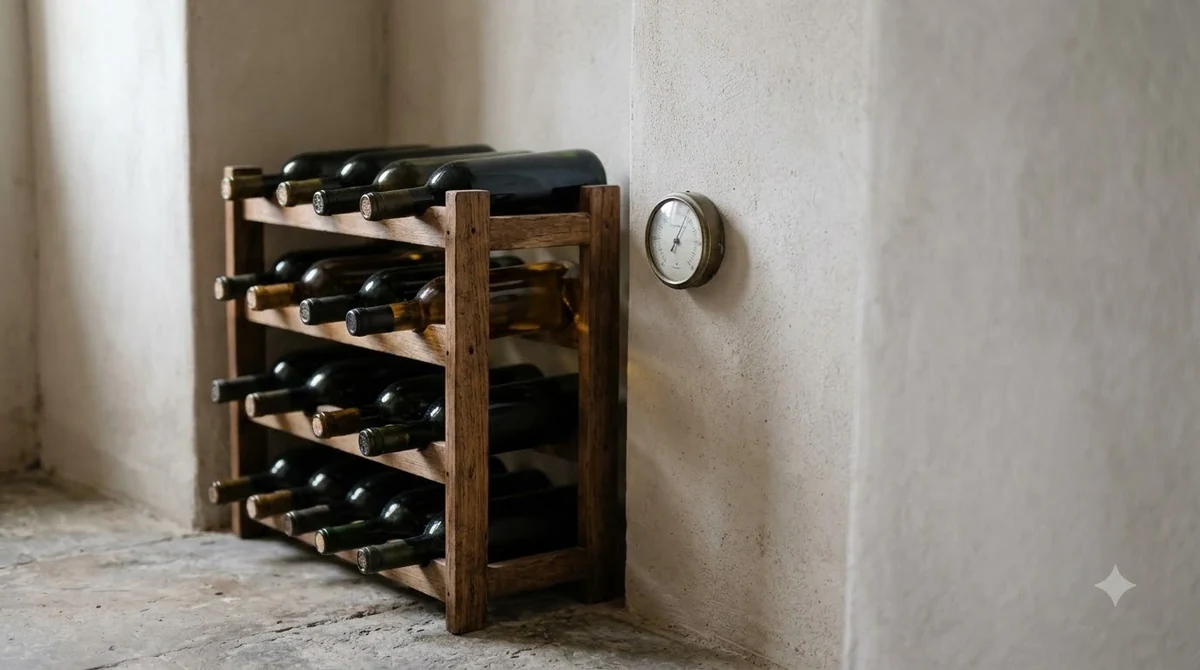
Storage has an important role in preserving a wine’s intended character. Bottles should generally be kept in a cool, dark environment with a relatively stable temperature. Excessive heat and exposure to light can accelerate undesirable changes. A bottle stored properly may develop gradually, while poor storage conditions can cause premature browning and loss of fresh fruit character.
It is important to distinguish normal maturation from deterioration. A deeper amber color can be part of a wine’s natural development, but an unusually brown appearance accompanied by dull aromas, flat fruit, or unpleasant oxidative characteristics may indicate that the wine has not aged well. Color should always be considered alongside aroma and flavor.
Age also does not guarantee that every ice wine will become darker at the same rate. A Riesling from one producer may retain a relatively bright golden appearance, while a Vidal from another producer may develop amber tones more quickly. Bottle size, closure, and storage conditions can contribute to these differences.
How to Read Ice Wine Color During a Tasting
Looking at ice wine before tasting it provides useful information about its grape variety, maturity, and possible winemaking style. A simple visual examination can reveal whether a bottle is likely to be a white or red style and whether it displays youthful or developed characteristics. However, color is only the first part of a complete tasting assessment.
Begin by pouring a small amount into a clean, transparent wine glass. Tilt the glass slightly against a white background and observe the center of the wine before examining its outer edge. The center usually shows the deeper part of the color, while the rim allows you to see lighter reflections and subtle changes in hue.
Look for clarity and intensity. A pale golden Riesling may appear delicate and bright, whereas a Vidal ice wine can have a more pronounced yellow-gold appearance. A Cabernet Franc ice wine may display pink or rose-petal red tones. These visual differences provide useful clues, but they should not replace the grape information on the bottle.
Next, examine the aroma. Young white ice wines commonly show peach, apricot, citrus, pineapple, and floral notes. Older examples can develop honeyed, nutty, caramel, and dried-fruit characteristics. Red ice wines may show strawberry, cranberry, raspberry, and watermelon notes, depending on the grape and producer.
Finally, taste the wine and consider the balance between sweetness and acidity. Ice wine can be extremely sweet, but refreshing acidity prevents the sweetness from becoming excessively heavy. A wine with concentrated fruit, lively acidity, and a persistent finish can be enjoyable regardless of whether its appearance is pale gold or deep amber.
Do not assume that a darker wine is automatically sweeter, stronger, or better. Color intensity does not directly measure residual sugar, alcohol, or quality. A pale Riesling can be highly concentrated, and a golden Vidal can be just as sweet as a darker example from the same region.
Serving Temperature, Food Pairings, and Related Wine Colors
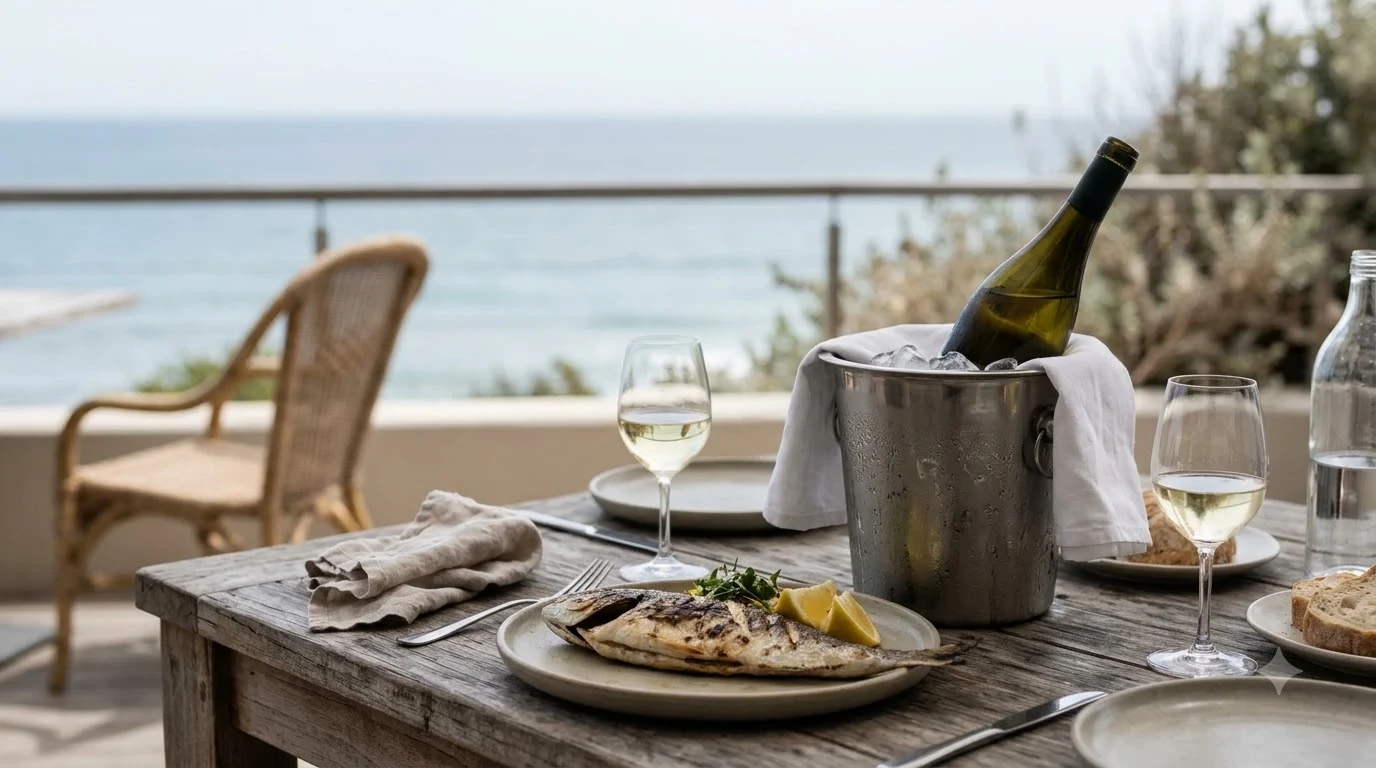
Ice wine is best served chilled so its sweetness, acidity, and aromatic character remain balanced. A temperature of approximately 43–50°F works well for sweet white styles, while red ice wine can also benefit from a chilled serving temperature. Food pairings should complement the wine’s sweetness rather than compete with it.
White ice wine works particularly well with fruit-based desserts, mature cheeses, and rich pastries. Vidal and Riesling can complement peach tart, apricot desserts, cheesecake, and fruit-based pastries. Saltier cheeses offer an appealing contrast to the wine’s sweetness, while the acidity helps balance rich textures.
Red ice wine offers additional pairing possibilities. Cabernet Franc ice wine can accompany strawberry desserts, dark chocolate, and rich pastries. Its red-fruit profile can complement desserts featuring berries, while its sweetness provides a useful contrast to mildly bitter chocolate. Avoid pairing very sweet ice wine with desserts that are considerably sweeter than the wine itself.
Serving temperature affects how the color and aroma are perceived. Excessive chilling can make aromatic details harder to detect, while serving too warm can make sweetness seem heavier. The following temperatures provide practical reference points for different styles.
| Wine style | Serving temperature | Appearance to look for |
|---|---|---|
| Young white ice wine | 43–50°F | Pale yellow to golden |
| Mature white ice wine | 43–50°F | Golden yellow to amber |
| Red ice wine | 43–50°F | Pink to light burgundy |
| Riesling ice wine | 43–50°F | Pale gold to deeper gold |
| Vidal ice wine | 43–50°F | Golden yellow to amber |
For comparison, other wine styles have their own recognizable visual characteristics. Cava color generally ranges from pale straw to deeper golden shades, depending on the grape varieties and maturation. Moscato color can range from pale yellow to gold, with pink and red variations also available.
Alcohol content provides another useful comparison. Ice wine is often lower in alcohol than many conventional dry wines because fermentation can stop while substantial natural sugar remains. The grape variety and fermentation process influence the finished strength, so appearance alone cannot tell you the alcohol level. Our explanation of ice wine alcohol content covers the factors behind those differences.
For readers exploring additional wine styles, the broader Wine by Type resource provides a useful starting point for understanding the distinctions between still, sparkling, red, white, rosé, and dessert wines.
Frequently Asked Questions
Is ice wine naturally colored or artificially colored?
Authentic ice wine gets its color from the grapes and the winemaking process rather than added artificial coloring. Natural grape pigments, especially in red-skinned varieties, contribute to the finished appearance. Production regulations also govern the use of permitted winemaking materials and practices.
Can ice wine have a greenish tint?
Some young white ice wines can show faint greenish reflections around the rim, particularly when viewed in bright natural light. These subtle highlights are different from a distinctly green wine color. They can occur alongside pale straw or light yellow tones without indicating a problem.
Does the bottle glass change how ice wine color looks?
Yes. Dark green or brown bottle glass can make the wine difficult to inspect before opening. A clear tasting glass provides a much more accurate view of the actual liquid, while colored bottle glass can also help protect wine from light exposure during storage.
Why do some ice wines come in smaller bottles?
Many producers use 200 ml or 375 ml bottles because naturally frozen grapes produce very little concentrated juice. These smaller formats are practical for a dessert wine generally served in modest portions. They also make it easier to enjoy a bottle over more than one occasion.
Can an unopened ice wine be stored for several years?
Yes. Some quality ice wines can develop over many years when stored correctly. G. Marquis, for example, states a two-to-ten-year cellaring potential for its Niagara Peninsula Vidal and Riesling Icewines. The ideal drinking period still depends on the individual wine, vintage, and storage conditions.
Ice wine color ranges from pale straw and golden yellow to amber in white varieties, while red examples can display pink, ruby, and burgundy shades. Grape variety, natural freezing, and bottle maturation all contribute to these differences. By examining the wine in a clear glass and considering its aroma and acidity, you can better appreciate the distinctive character of every ice wine style.
More in Wine Types & Grapes
 Zinfandel Sugar Content: Dry Red vs. White Zinfandel GramsUpdated Nov 21, 2026
 Best Zinfandel Substitute Options for Sipping and CookingUpdated Nov 21, 2026
 Zweigelt Food Pairing: Best Dishes, Cheeses, and Serving TipsUpdated Nov 21, 2026
 Zinfandel Tannins Explained: How Structure Shapes Every BottleUpdated Nov 21, 2026
 Zinfandel Sweetness Level: Dry Red vs. Sweet White Zin ExplainedUpdated Nov 21, 2026
 Xinomavro Food Pairing: Best Dishes, Styles, and Serving TipsUpdated Nov 21, 2026