

We may earn a commission when you buy through links on this page, at no extra cost to you. Learn more.
Huxelrebe wine is an aromatic German white wine made from a 1927 crossing of Gutedel (Chasselas) and Courtillier Musqué. Known for high natural sugar accumulation paired with brisk acidity, it is most famous for rich, late-harvest dessert styles like Auslese, Beerenauslese, and Trockenbeerenauslese, though cool-climate producers also craft crisp, dry table versions. Bottles typically show distinctive aromas of rhubarb, ripe stone fruit, honey, and delicate Muscat-like floral notes.
While Riesling dominates international conversations around German viticulture, Huxelrebe occupies a cherished niche among collectors of rare aromatic whites and sweet wines. Developed in the early twentieth century to ripen reliably in northern European latitudes, the huxelrebe grape rewards disciplined vineyard management with remarkable concentration and structural freshness.
What It Is
Huxelrebe is a white Vitis vinifera crossing created in 1927 by German viticulturist Dr. Georg Scheu at the grape-breeding institute in Alzey, Rheinhessen, and later named after grower Fritz Huxel. Scheu crossed Gutedel (known outside Germany as Chasselas) with Courtillier Musqué (Muscat Précoce de Saumur) to combine reliable early ripening with expressive aromatics.
Although Dr. Scheu bred the vine in the late 1920s, it remained a quiet experimental selection known as Alzey S 3962 until the 1950s. During that decade, a pioneering Rheinhessen vintner named Fritz Huxel planted the variety extensively in the village of Westhofen and championed its potential in the cellar. His award-winning bottlings brought widespread attention to the cultivar, leading German authorities to grant official varietal protection in 1969 and name the grape in his honor.
In the vineyard, Huxelrebe is vigorous and naturally high-yielding, capable of accumulating high must weights even in cooler or shorter growing seasons. Viticulturists note that if yields are left unchecked, the resulting wine can taste dilute and simple. However, when growers prune strictly and limit crop loads, the berries achieve extraordinary ripeness—regularly reaching Prädikat levels such as Auslese even in modest vintages. Because of this natural sugar-building capacity alongside brisk acidity, it stands apart from neutral bulk whites like the airen grape.
Flavor and Styles
Huxelrebe wine spans a wide spectrum from bone-dry table whites to intensely sweet, botrytis-affected dessert wines, united by bright acidity and aromatic lift. Depending on harvest timing and residual sugar, the flavor profile shifts from tart green fruit and herbs to lush tropical fruit and honey.
At the dry and off-dry end of the spectrum—most commonly seen in cool-climate regions such as England or in select German QbA bottlings—the wine shows a snappy, refreshing character. Reviewers and producers describe distinct aromas of tart rhubarb, green apple, citrus blossom, and subtle spice, supported by a clean, vibrant backbone. When harvested slightly riper, its Courtillier Musqué parentage emerges through lifted floral tones and a gentle Muscat perfume that feels aromatic without becoming heavy.
In Germany, Huxelrebe is prized above all for noble sweet Prädikat wines, including Spätlese, Auslese, Beerenauslese (BA), and Trockenbeerenauslese (TBA). According to Wines of Germany, fully ripened berries develop a rich bouquet and flavor accented by a refined Muscat tone. As the grapes concentrate on the vine or succumb to noble rot (Botrytis cinerea), the palate expands into layers of dried apricot, mango, candied citrus peel, wildflower honey, and exotic spice, balanced by high natural acidity that keeps the sweetness from feeling cloying.
| Style / Prädikat Level | Sweetness Profile | Typical Alcohol (ABV) | Dominant Tasting Notes |
|---|---|---|---|
| Dry / QbA White | Dry to off-dry | 11.5% – 12.5% | Tart rhubarb, citrus blossom, green apple, subtle spice |
| Spätlese | Medium-sweet | 10.0% – 11.5% | Ripe peach, yellow plum, floral Muscat lift, crisp acidity |
| Auslese | Sweet | 9.5% – 11.0% | Apricot, nectarine, honeyed citrus, bright rhubarb finish |
| Beerenauslese & TBA | Lusciously sweet | 7.0% – 10.0% | Tropical mango, dried apricot, wildflower honey, marmalade |
Where It Grows
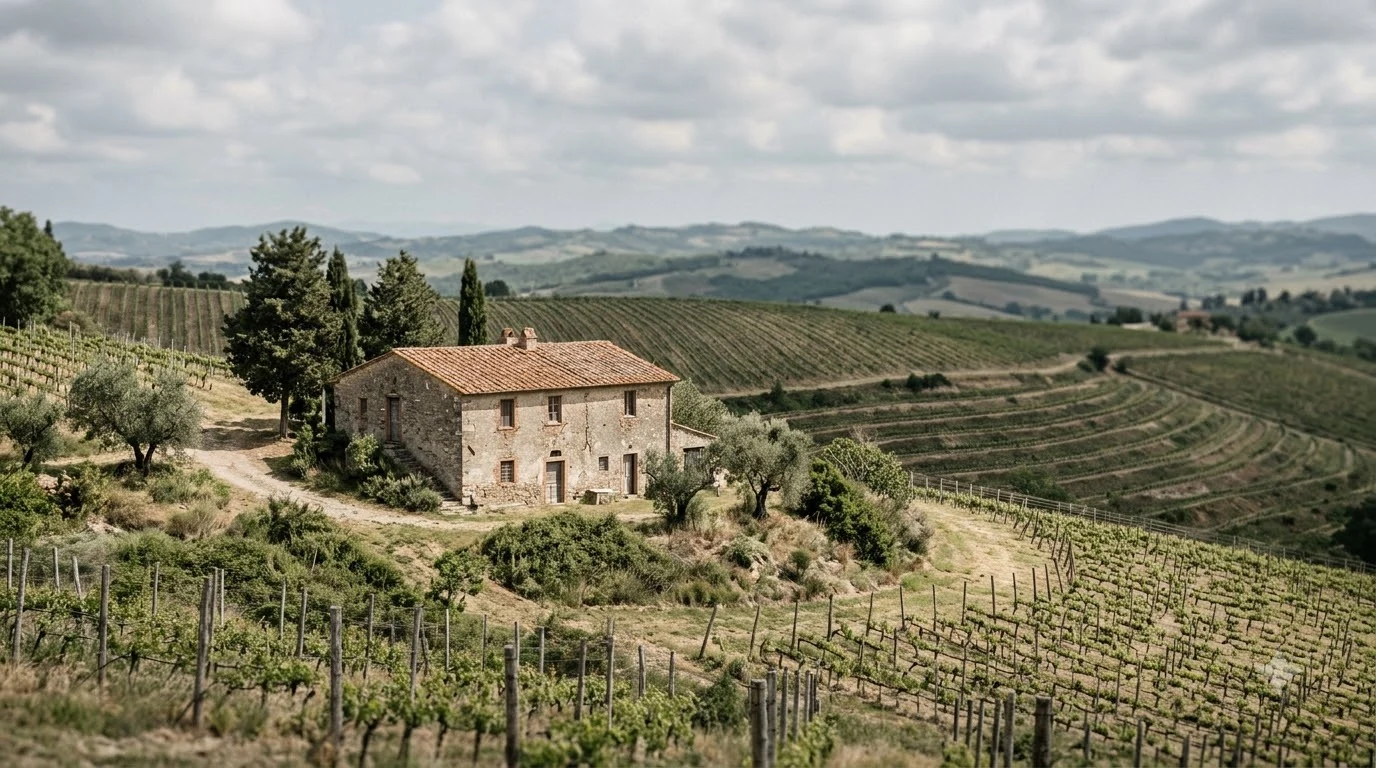
Huxelrebe is grown almost exclusively in Germany, where total plantings covered roughly 396 hectares (about 980 acres) in recent agricultural surveys, alongside small experimental and commercial plots in England and North America. Its early ripening cycle makes it particularly valuable in marginal northern climates where late-ripening grapes struggle to mature.
Within Germany, the spiritual and statistical heartland of the variety remains Rheinhessen, the rolling hills south and west of Mainz where Georg Scheu first bred the vine and Fritz Huxel popularized it. Neighboring Pfalz (the Palatinate) holds the second-largest concentration of vines, benefiting from slightly warmer, sunnier conditions that consistently push the grapes toward rich late-harvest ripeness. Smaller pockets also appear in the Nahe region, where diverse soils lend mineral tension to the wine’s natural fruitiness.
Outside Germany, Huxelrebe found an enthusiastic secondary home in England during the modern revival of British viticulture in the mid-to-late twentieth century. Planted in counties such as Kent, Herefordshire, and Staffordshire, the grape thrives in cool maritime summers because it ripens earlier than many traditional continental varieties. English winemakers frequently bottle it as a crisp single-varietal dry white or blend it with Bacchus, Madeleine Angevine, and Reichensteiner to add aromatic breadth and natural ripeness. Tiny boutique plantings also exist in cool-climate American regions such as Oregon’s Willamette Valley.
How to Serve
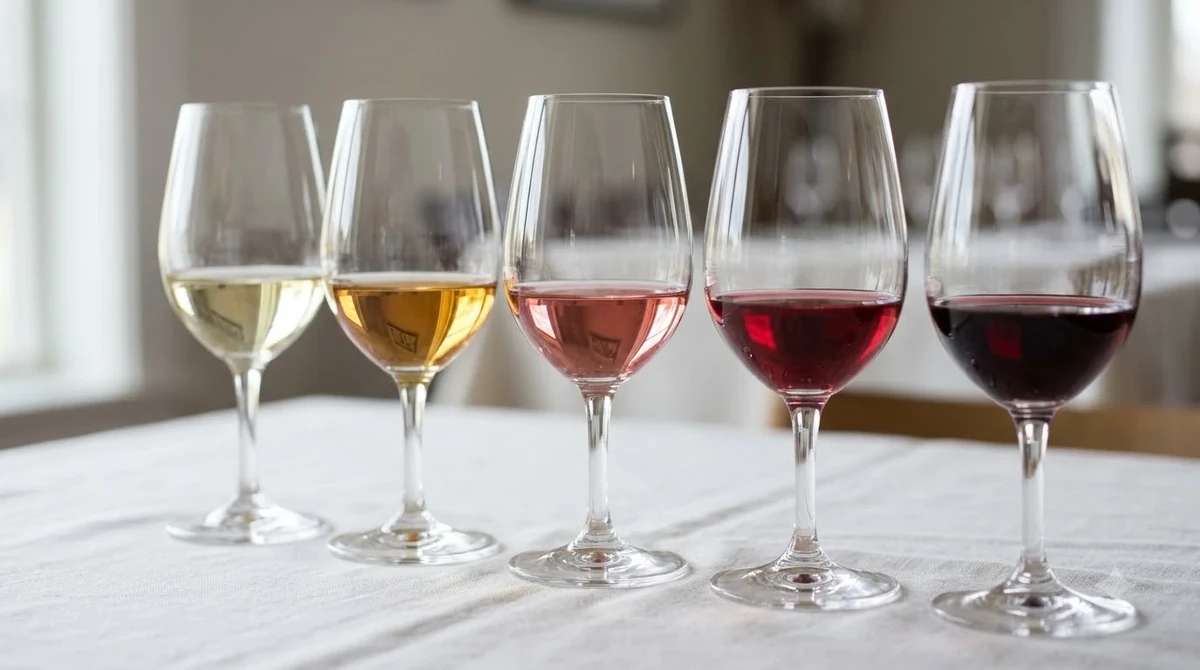
Serve Huxelrebe wine well chilled to preserve its brisk acidity and sharpen its aromatic focus, using a smaller white wine or dessert wine glass. Proper temperature control ensures the wine’s expressive floral and fruit notes shine without letting residual sugar feel heavy on the palate.
For dry and off-dry bottlings, aim for a serving temperature between 43°F and 50°F (6°C to 10°C), which corresponds to roughly two hours in a standard kitchen refrigerator. At this cool temperature, the tart rhubarb, citrus, and herbal notes stay crisp and invigorating, making the wine an effortless apéritif. Pour it into a standard tulip-shaped white wine glass to funnel the delicate Muscat-like aromatics toward the nose.
Sweet Prädikat styles such as Auslese, Beerenauslese, and Trockenbeerenauslese benefit from being served slightly colder, around 43°F to 46°F (6°C to 8°C), in smaller dessert wine glasses with a 2- to 3-ounce pour. Decanting is generally unnecessary for young bottles, as gentle swirling in the glass opens up the honeyed stone-fruit and tropical bouquet naturally. However, older, cellar-aged Beerenauslese or Trockenbeerenauslese bottlings can benefit from 15 to 20 minutes of air in the glass to blow off any bottle-age reduction and reveal deeper notes of caramelized apricot and spice.
Tip: Because high-sugar Huxelrebe dessert wines are naturally preserved by sugar and acidity, an opened bottle recorked tightly and stored in the refrigerator will stay fresh for one to two weeks.
Food Pairing
Huxelrebe’s combination of aromatic fruit, bright acidity, and varying sweetness levels makes it remarkably adaptable at the table, pairing effortlessly with smoked fish, spiced Asian dishes, rich cheeses, and fruit desserts. Matching the weight and sweetness of the dish to the wine’s Prädikat level is the key to a pairing that works every time.
Dry and off-dry expressions work wonderfully alongside delicate savory fare that might overwhelm heavier whites. According to Wine-Searcher, classic matches include German-style smoked trout (Geräucherte Forelle), hot-smoked salmon with mango and avocado salad, and Japanese-style pork gyoza. The wine’s zippy acidity cuts cleanly through the rich oils of smoked fish, while its subtle Muscat and rhubarb notes echo sweet-and-savory glazes, roasted poultry, and mild cured meats.
When pouring richer Spätlese, Auslese, or Beerenauslese bottles, lean into contrast and intensity. Off-dry to medium-sweet bottlings tame the chili heat and aromatic spices of Thai curries, Sichuan dishes, and ginger-infused stir-fries, much like aromatic off-dry Riesling. Lush, botrytized dessert bottlings pair naturally with pungent blue cheeses like Roquefort or Stilton, aged hard cheeses, foie gras, or fruit-driven pastries such as apricot tarts and rhubarb crumble—just ensure the wine is at least as sweet as the dessert on the plate.
How to Choose a Bottle
Selecting a great bottle of Huxelrebe comes down to checking the label for regional origin, Prädikat ripeness designation, and producer reputation for yield control. Because the grape is rarely mass-marketed in the United States, paying attention to a few label cues will help you find the exact style you want.
Start by identifying whether you want a dry table wine or a sweet dessert bottling. Look for German Prädikat terms on the front label: Spätlese indicates a late-harvest wine that is typically medium-sweet; Auslese signals riper, selected bunches with noticeable sweetness; and Beerenauslese or Trockenbeerenauslese denotes rare, intensely sweet nectar made from individually selected, often botrytis-affected berries. If you prefer a dry style, look for the word Trocken on German bottles, or seek out English labels from Kent or Herefordshire, which almost always lean dry and crisp.
Because Huxelrebe is naturally high-yielding, quality depends heavily on conscientious vineyard work. Seek out established estate producers in Rheinhessen and Pfalz—such as Weingut Keller, Weingut Bischel, Schales, or Weingut Anselmann—who limit crop loads to concentrate flavor. If you are exploring Wine by Type and enjoy expressive, high-acid whites like Riesling or crisp Iberian varieties such as arinto wine, start with a Rheinhessen Spätlese or Auslese to experience the grape’s signature balance of tropical richness and electric acidity.
Frequently Asked Questions
Is Huxelrebe wine always sweet?
No, Huxelrebe is not always sweet, although it is most famous for German late-harvest dessert styles. Producers in England and select winemakers in Germany also craft crisp, dry table versions labeled Trocken, which showcase tart rhubarb, citrus, and floral aromas without noticeable residual sugar.
What does Huxelrebe wine taste like?
Dry styles typically taste crisp and bright, with notes of tart rhubarb, green apple, citrus blossom, and light spice. Sweeter late-harvest bottlings develop lush flavors of ripe apricot, peach, mango, wildflower honey, and a delicate Muscat-like floral aroma balanced by high acidity.
How does Huxelrebe compare to Riesling?
Both grapes thrive in Germany and share brisk, mouthwatering acidity capable of balancing high residual sugar. However, Huxelrebe ripens earlier, accumulates sugar more easily, and leans toward Muscat-like floral and rhubarb aromatics rather than Riesling’s classic lime, green apple, and petrol notes.
Can you age Huxelrebe wine?
Yes, particularly the sweeter Prädikat styles. While dry and off-dry Huxelrebe wines are best enjoyed young within two to four years of vintage for their fresh aromatics, well-made Auslese, Beerenauslese, and Trockenbeerenauslese bottlings can age gracefully for ten years or more thanks to their high sugar and acidity.
Whether you encounter it as a zesty English dry white or a golden, honeyed Beerenauslese from Rheinhessen, Huxelrebe offers a distinct and rewarding expression of cool-climate viticulture. Keep a bottle chilled for smoked seafood, spicy takeout, or an indulgent cheese board whenever you want an aromatic white outside the everyday mainstream.
More in Wine Types & Grapes
 Zinfandel Sugar Content: Dry Red vs. White Zinfandel GramsUpdated Nov 21, 2026
 Best Zinfandel Substitute Options for Sipping and CookingUpdated Nov 21, 2026
 Zweigelt Food Pairing: Best Dishes, Cheeses, and Serving TipsUpdated Nov 21, 2026
 Zinfandel Tannins Explained: How Structure Shapes Every BottleUpdated Nov 21, 2026
 Zinfandel Sweetness Level: Dry Red vs. Sweet White Zin ExplainedUpdated Nov 21, 2026
 Xinomavro Food Pairing: Best Dishes, Styles, and Serving TipsUpdated Nov 21, 2026