

We may earn a commission when you buy through links on this page, at no extra cost to you. Learn more.
The best howell mountain wineries to visit include CADE Estate, Neal Family Vineyards, O’Shaughnessy Estate Winery, Robert Craig Winery, and Howell Mountain Vineyards for distinctive mountain-grown Cabernet Sauvignon and memorable Napa Valley tasting experiences. Located above the fog line east of St. Helena, Howell Mountain is known for volcanic soils, concentrated fruit, and structured wines. Most estate visits require advance reservations, so choosing wineries according to their tasting experiences, wine styles, and locations makes a trip considerably easier to plan.
Howell Mountain offers a different perspective on Napa Valley wine country. Rather than concentrating on the busy valley-floor tasting corridors, visitors climb into the Vaca Mountains, where vineyards occupy elevated terrain and wineries emphasize the character of their individual properties. Cabernet Sauvignon is the leading attraction, but the region also produces Zinfandel, Merlot, and other varieties worth exploring. Whether you are building a full wine-country itinerary or choosing bottles to add to your collection, understanding the producers and the mountain’s growing conditions helps identify the right places to visit.
Who Should Visit Howell Mountain Wineries
Howell Mountain is particularly appealing to Cabernet Sauvignon enthusiasts, collectors interested in mountain appellations, and travelers who prefer smaller, appointment-based tasting experiences. Its vineyards generally sit between 1,400 and 2,600 feet, creating a distinctive growing environment compared with Napa Valley’s lower elevations.
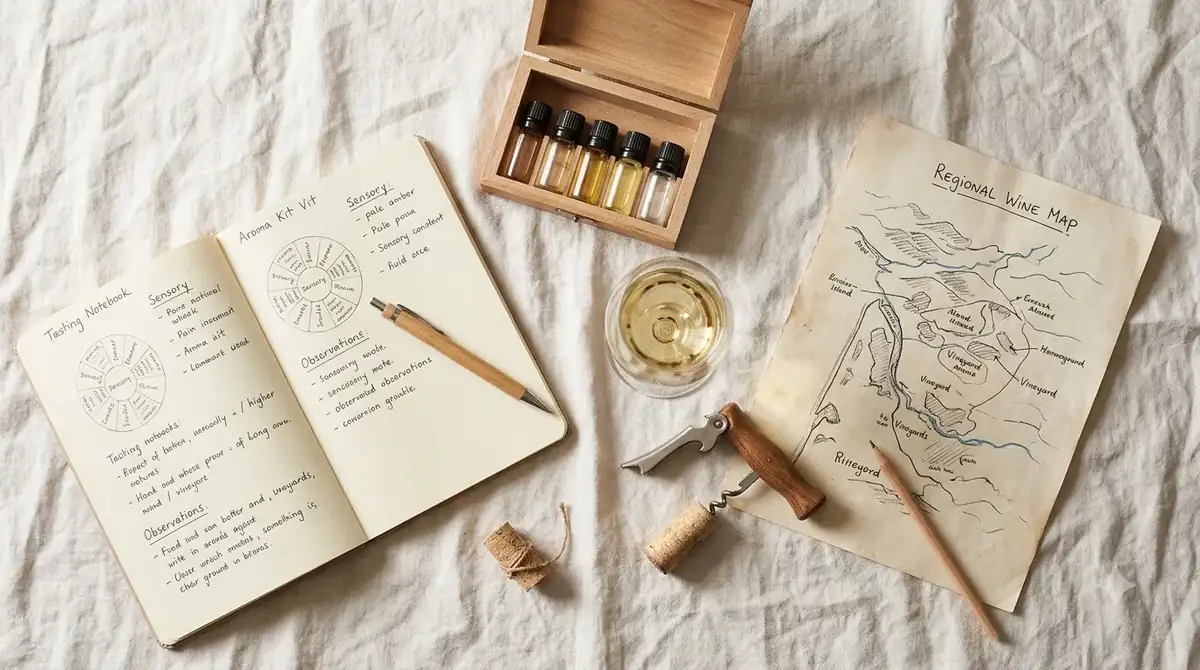
The appellation lies east of St. Helena, above the valley floor. According to the Howell Mountain Vintners & Growers Association, the AVA was established in 1983 and was the first sub-appellation within the greater Napa Valley AVA. Its boundary begins at 1,400 feet, an elevation associated with the point where the fog typically crests. This geographical distinction helps explain why Howell Mountain has developed such a recognizable reputation.
Cabernet Sauvignon drinkers are especially well served here. The mountain’s shallow volcanic soils and growing conditions can produce small berries with concentrated color, substantial tannin, and pronounced dark-fruit character. Depending on the producer, wines may show blackberry, black cherry, plum, dried herbs, spice, or earthy notes. These are generally more structured bottles than easygoing, fruit-forward everyday reds.
Visitors who enjoy learning about vineyard differences will also find plenty to appreciate. Neal Family Vineyards, for example, describes its estate vineyard as occupying elevations between 1,700 and 1,800 feet. CADE Estate operates at 1,800 feet, while O’Shaughnessy also places its mountain winery at approximately 1,800 feet. Those similarities in elevation do not make the wineries interchangeable: vineyard exposure, farming, winemaking, and individual site conditions all influence the finished wine.
Howell Mountain is also a good choice for travelers who appreciate a quieter, more focused wine-country experience. Many wineries operate by appointment rather than accepting casual walk-in visitors. That arrangement can mean more time for questions about vineyards, grape varieties, and production methods, although it requires advance planning.
Travelers seeking a broader California itinerary can also compare mountain-focused Napa visits with the best Temecula wineries or the best Paso Robles wineries. Each destination offers a different combination of grape varieties, landscapes, and tasting-room experiences.
Key Factors to Compare When Choosing a Winery
The best winery depends on whether you value Cabernet Sauvignon, vineyard access, architectural interest, educational tours, or a more intimate tasting. Comparing appointment policies, wine selections, and the experience itself is more useful than choosing a destination based on scenery alone.
| Winery or producer | Known location or elevation | What stands out | Best suited to |
|---|---|---|---|
| CADE Estate Winery | 1,800 feet | LEED Gold Certified winery and panoramic views | Architecture and guided winery experiences |
| Neal Family Vineyards | 1,700–1,800 feet | CCOF-certified organic Howell Mountain vineyard | Organic farming and estate Cabernet |
| O’Shaughnessy Estate Winery | 1,800 feet | Volcanic-rock winery and cave tastings | Private, immersive experiences |
| Robert Craig Winery | Above 2,300 feet | Summit Experience and private estate vineyard | Mountain vineyard exploration |
| Howell Mountain Vineyards | Beatty Ranch at approximately 1,800 feet | Cabernet Sauvignon and Zinfandel from Beatty Ranch | Comparing two classic mountain varieties |
These producers offer different ways to understand the appellation. CADE is a particularly interesting choice for visitors who want to combine wine tasting with architecture and views. Its winery occupies a 54-acre property, and the Napa Valley Vintners identifies it as the first LEED Gold Certified winery in Napa Valley. Its tasting experiences include current-release wines and winery tours. For current estate details and appointment information, consult the CADE Estate visit information.
Neal Family Vineyards is a compelling option for visitors interested in vineyard management. Its Howell Mountain estate has been organically farmed since 1991 and is certified by CCOF. The property includes 12.5 planted acres of Cabernet Sauvignon, making it a useful example of how a relatively focused estate vineyard can express mountain conditions.
O’Shaughnessy offers a different type of visit. Its winery is carved into the volcanic rock, and its appointment-based experiences can include a cave tour and a seated tasting among the barrels. Robert Craig is another strong candidate for visitors who want access to an elevated estate vineyard, although its Summit Experience is reservation-only and has limited availability.
Howell Mountain Vineyards is worth considering for a wine-focused comparison. Its wines come from Beatty Ranch, a property with approximately two-thirds Cabernet Sauvignon and one-third Zinfandel plantings. Tasting both varieties provides a useful perspective on how the mountain’s growing conditions work with different grapes.
Before booking, consider the number of people in your party, the time required to reach each estate, and the style of tasting offered. A private cave experience is not interchangeable with a seated tasting or an educational winery tour. Check the winery’s reservation information for current availability, tasting fees, age requirements, and any restrictions on group size.
Step-by-Step: Planning a Howell Mountain Winery Visit
A successful Howell Mountain wine-tasting day begins with reservations and a realistic driving schedule. Choosing two or three appointments, allowing time for mountain roads, and leaving room for a relaxed lunch will make the experience more enjoyable.
-
Choose your main wine interest.
Start with the variety you most want to explore. Cabernet Sauvignon is the natural starting point for Howell Mountain, but Zinfandel is also an important regional variety. If you are interested in vineyard management, Neal Family Vineyards provides an opportunity to learn about organic farming. For architectural and educational interest, CADE is an appealing starting point.
-
Select two or three wineries.
Keep the schedule manageable. Two substantial appointments may provide a better experience than attempting to visit five estates in one afternoon. Consider O’Shaughnessy for its cave experience, Robert Craig for its Summit Experience, or Howell Mountain Vineyards for its Beatty Ranch wines.
-
Make reservations directly.
Contact each winery through its official booking channel. O’Shaughnessy specifically describes its Howell Mountain visits as appointment-only and advises that reservations can book several weeks ahead during much of the year. CADE also requires appointments. Request confirmation of the tasting format, duration, and directions.
-
Confirm the transportation arrangements.
Howell Mountain’s elevated location means winding roads and additional driving time compared with a compact valley-floor itinerary. Arrange a designated driver or professional transportation if the group plans to taste wine at multiple estates. Avoid treating the distances between wineries as equivalent to ordinary city driving.
-
Plan a substantial meal.
Food is useful during a tasting day, especially when comparing structured red wines. A lunch featuring grilled beef, mushrooms, roasted vegetables, or aged cheese can complement Cabernet Sauvignon. Avoid scheduling tastings so closely that there is no opportunity to eat or take a break.
-
Ask focused questions at each appointment.
Find out which vineyard blocks contribute to the wines, how elevation affects ripening, and how the winemaker approaches tannin and oak. Ask whether the winery offers current-release and library wines together. These questions help turn a series of tastings into a meaningful comparison of mountain sites.
-
Record your preferences and arrange purchases.
Note the producer, grape variety, vintage, and characteristics you enjoyed. If you find a bottle that suits your taste, ask about availability, shipping to your state, and storage recommendations. Some wines may be available only through winery allocations or membership programs.
Tip: Build the day around confirmed reservations rather than assuming mountain wineries accept walk-ins. Contact the estates several weeks ahead, particularly for private cave visits and limited-access vineyard experiences. Save each winery’s directions before leaving St. Helena because some properties provide specific directions after booking.
Howell Mountain Wine Styles and Producers Explained
Howell Mountain is best known for structured Cabernet Sauvignon, but its identity is broader than one grape. The combination of elevation, volcanic soils, sunshine, and individual vineyard sites creates opportunities for several varieties and distinctive interpretations of Napa Valley wine.
Cabernet Sauvignon: The Signature Mountain Red
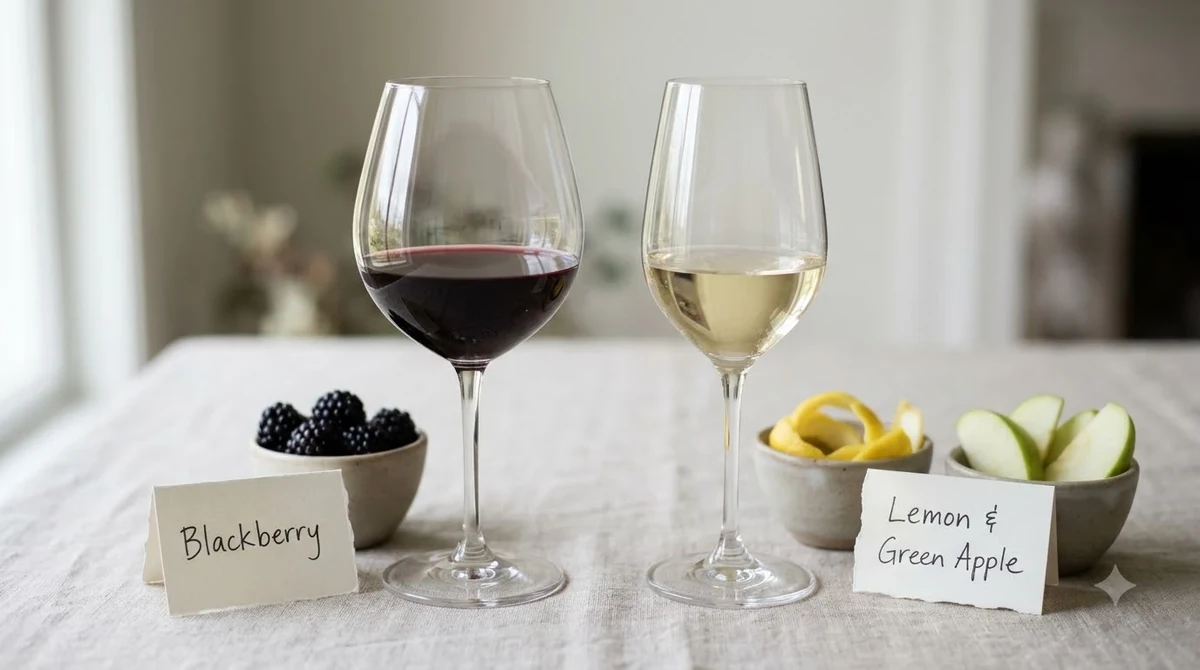
Cabernet Sauvignon is the principal reason many wine enthusiasts seek out Howell Mountain. The wines can show concentrated blackberry, black currant, plum, dark cherry, and savory herbal notes. Tannin is often prominent, giving the wines a firm structure that can make them suitable candidates for extended bottle aging.
Neal Family Vineyards explains that its smaller mountain-grown grapes have a relatively high skin-to-juice ratio, contributing to increased color and tannin. Its vineyard description also identifies higher acidity as an important part of the wines’ structure. This combination helps explain why some Howell Mountain Cabernets feel powerful without being simply heavy.
For buyers, the important distinction is the balance between fruit, tannin, acidity, and oak. Some producers emphasize dark, dense fruit, while others aim for a more fragrant or restrained expression. A tasting flight from different estates is one of the most useful ways to discover which interpretation is most appealing.
Zinfandel: A Different Expression of the Mountain
Zinfandel offers a useful contrast to Cabernet Sauvignon. It can display ripe blackberry, raspberry, plum, pepper, and baking-spice characteristics, often with a more generous fruit profile. Howell Mountain Vineyards’ Beatty Ranch is particularly relevant because its 34-acre property is planted approximately two-thirds to Cabernet Sauvignon and one-third to Zinfandel.
Comparing the two varieties can reveal how grape characteristics interact with the same general mountain environment. Cabernet typically emphasizes tannin and dark currant flavors, while Zinfandel often presents a more open, fruit-driven profile. The specific vineyard site and winemaking approach still matter considerably.
Merlot, Cabernet Franc, and Other Varieties
Merlot, Cabernet Franc, Petite Verdot, Malbec, Petite Sirah, and Syrah are among the additional varieties identified by the Howell Mountain Vintners & Growers Association. These grapes may appear in blends or in wines that explore styles beyond traditional Cabernet Sauvignon.
Merlot can provide softer fruit and a rounder texture, while Cabernet Franc may contribute herbal and floral character. Petite Verdot is often used in small proportions to add color, structure, and depth to Bordeaux-style blends. For enthusiasts who already know Napa Cabernet, exploring these supporting varieties can reveal another side of the appellation.
White Wines and Less Familiar Bottles
Although Howell Mountain is primarily associated with red wine, Sauvignon Blanc, Chardonnay, and Viognier are among the varieties grown in the broader appellation. These wines are worth considering if your group includes people who prefer white wine or if you want a comparison beyond the mountain’s signature reds.
CADE Estate lists both Cabernet Sauvignon and Sauvignon Blanc among its varieties. A visit that includes a white wine can provide a useful contrast to a structured mountain Cabernet. Pay attention to acidity, fruit intensity, texture, and oak treatment rather than assuming every bottle from the appellation will share the same profile.
Common Mistakes When Choosing Howell Mountain Wineries
The most common planning mistakes involve assuming all wineries welcome walk-ins, confusing valley-floor and mountain appellations, and scheduling too many tastings. Understanding these differences before arriving can prevent unnecessary driving and help visitors make more informed wine choices.
Assuming Every Winery Accepts Walk-Ins
Howell Mountain is not a destination where visitors should rely on spontaneous tasting-room stops. The Howell Mountain Vintners & Growers Association notes that only a handful of wineries are open to the public, while most operate by appointment. CADE and O’Shaughnessy both publish appointment requirements for their estate experiences.
Even when a winery has a public-facing website or a listed address, that does not necessarily mean visitors can arrive without a booking. Confirm the exact experience, appointment time, and arrival instructions. For private tastings, also ask whether the appointment includes a vineyard tour or only a seated wine presentation.
Confusing Howell Mountain With the Napa Valley Floor
Howell Mountain is a distinct sub-appellation rather than a general description of any Napa wine made on elevated terrain. The AVA boundary begins at 1,400 feet, and a bottle carrying the appellation designation must meet the applicable origin requirements. A winery located in Napa Valley may produce wines from grapes grown in multiple appellations.
CADE, for example, lists Howell Mountain, Napa Valley, and Oakville among its associated appellations. That distinction matters when comparing bottles. A winery visit on the mountain does not automatically mean every wine poured comes exclusively from Howell Mountain fruit.
Expecting Every Cabernet to Taste the Same
Mountain Cabernet is not a single uniform style. Napa Valley Vintners describes Howell Mountain wines as ranging from dark and decadent to fragrant and tannic, depending on the producer. Differences in vineyard exposure, soil, harvest timing, blending, and oak treatment can create markedly different results.
One producer may favor a dense, muscular wine with pronounced tannin, while another may seek greater aromatic detail and freshness. If you are choosing bottles for a collection, comparing multiple producers is more informative than buying several wines based on the appellation name alone.
Planning Too Many Tastings
Another mistake is attempting to fit too many appointments into a single day. Mountain roads, private tours, and seated tastings require more time than a quick stop at a roadside tasting room. A schedule with two or three well-chosen experiences usually leaves more room for conversation and learning.
Also avoid choosing wineries solely because they appear close together on a map. Ask each estate about its recommended route and directions. Some properties provide directions after a reservation has been confirmed, which is another reason to plan ahead.
Ignoring the Difference Between Tasting and Buying
A memorable tasting does not necessarily mean the winery’s most expensive or most concentrated wine will suit your preferences. Think about the occasions for which you are buying. A structured Cabernet may be ideal for a special dinner or a cellar, while a softer red or white wine may be more appropriate for regular meals.
Ask about release timing, availability, bottle formats, and shipping. If a winery offers library wines, inquire about how the bottles have been stored and whether they are intended for immediate drinking or further aging.
Wine Buying, Serving, and Storage Tips
Buying Howell Mountain wine successfully means considering structure, vintage, drinking plans, and storage conditions. These mountain-grown reds can be tannic and concentrated, so serving temperature and food pairing have a noticeable effect on how they taste.
Choose Bottles According to Your Drinking Plans
For near-term drinking, choose a bottle that already shows enough fruit and balance to be enjoyable without extensive aging. For a longer-term collection, consider wines with substantial tannin, acidity, and concentrated fruit. These characteristics can support development in the bottle, although aging potential differs by producer, vintage, and individual wine.
Ask the winery about recommended drinking windows rather than assuming every Howell Mountain Cabernet requires decades in the cellar. Some bottles may be approachable earlier, while more tightly structured examples can benefit from additional time.
Serve Cabernet Sauvignon at the Right Temperature
Full-bodied red wines are generally best served around 60–65°F. Serving a Cabernet too warm can emphasize alcohol and make the wine seem heavy, while serving it too cold can suppress aromas and accentuate tannin. If the bottle has been stored at a typical warm room temperature, a short period in a cool environment can help bring it into the preferred range.
Young, full-bodied Cabernet Sauvignon may benefit from approximately 30–60 minutes of decanting. This gives the wine time to open and can soften the impression of tightly wound aromas and tannins. Older bottles require more care because extended exposure to air may diminish delicate aromas.
Pair Mountain Cabernet With Suitable Food
Cabernet Sauvignon’s high tannin makes it a natural companion for foods containing protein and fat. Grilled steak, braised short ribs, lamb, aged cheddar, and roasted mushrooms are useful choices. Salt and fat can soften the wine’s tannic impression, making a structured red feel more balanced alongside dinner.
For a less traditional pairing, try roasted eggplant, lentil dishes, or mushroom-based recipes. The earthy and savory elements can complement the herbal and dark-fruit notes found in some mountain wines. Avoid pairing strongly tannic reds with delicate oily fish, which can create an unpleasant metallic impression.
Store Bottles Correctly
For wines sealed with natural cork, store bottles on their sides so the cork remains in contact with the wine. A consistent environment near 55°F is a useful storage target. Avoid direct sunlight, frequent temperature changes, excessive vibration, and areas near ovens or heating equipment.
For bottles intended for long-term aging, a dedicated wine refrigerator or temperature-controlled cellar is preferable to a kitchen cabinet. Humidity and temperature stability also matter. If a bottle is intended for immediate consumption, a cool, dark storage location is generally sufficient for the short term.
Preserve Opened Bottles
Once opened, a full-bodied red can generally remain enjoyable for approximately three to five days when properly resealed and refrigerated. The refrigerator slows oxidation, even for red wines. Bring the bottle toward serving temperature before pouring again.
Use a suitable closure to limit air exposure, and avoid leaving wine in a half-empty bottle for extended periods. If you regularly open premium mountain Cabernet, a preservation system may help maintain quality across several servings.
For additional purchasing fundamentals, the wine-buying resource offers a useful starting point for understanding labels, grape varieties, and the decisions involved in choosing bottles for different occasions.
Frequently Asked Questions
Is Howell Mountain Cabernet Sauvignon always made from 100% Cabernet Sauvignon?
No. A wine labeled Cabernet Sauvignon can contain other permitted grape varieties under the applicable labeling rules. Bordeaux-style blends may include Merlot, Cabernet Franc, Malbec, or Petite Verdot, depending on the producer’s approach. Read the winery’s technical description if the exact blend composition matters to your purchase.
Can Howell Mountain wines be purchased outside California?
Many Napa wineries offer direct shipping, but destination-state laws and winery shipping policies determine where bottles can be delivered. Some wineries also work through authorized retailers or wine clubs. Contact the producer before purchasing if you need delivery to a particular state.
What does an AVA designation tell a wine buyer?
An American Viticultural Area identifies a defined grape-growing region with distinguishing geographical characteristics. It does not establish a quality grade or guarantee that every wine from that region tastes alike. The designation helps buyers understand grape origin, but the individual producer and vintage remain important.
Does Howell Mountain produce wines suitable for vegetarian meals?
Yes. Cabernet Sauvignon can pair well with roasted mushrooms, grilled eggplant, lentils, and dishes featuring aged hard cheese. However, winemaking practices such as fining can vary, so strict vegetarians and vegans should ask the winery about its production methods and the fining agents used.
Why might two Howell Mountain wines from the same vintage taste different?
Differences can arise from vineyard aspect, soil composition, vine age, grape selection, fermentation methods, and barrel maturation. Even vineyards at similar elevations can receive different amounts of sunlight and experience different drainage conditions. These factors allow individual producers to create distinct expressions within the same appellation.
The best Howell Mountain wineries combine distinctive mountain-grown wines with experiences that help visitors understand the region’s volcanic soils, elevation, and Cabernet Sauvignon heritage. CADE, Neal Family Vineyards, O’Shaughnessy, Robert Craig, and Howell Mountain Vineyards each provide a different reason to explore the appellation. Reserve appointments in advance, focus on a manageable number of estates, and take time to compare the wines rather than rushing through the mountain.
More in Wine Buying Guides
 Cheap Red Blend: How to Find a Flavorful Bottle for LessUpdated Nov 20, 2026
 Pinot Grigio Gift: How to Choose a Bottle They’ll EnjoyUpdated Nov 20, 2026
 Best White Wine at Total Wine for Every MealUpdated Nov 20, 2026
 Wine Fridge Replacement Shelves: Find the Right FitUpdated Nov 20, 2026
 Best Sparkling Wine Under 20: Find Bubbles Worth BuyingUpdated Nov 20, 2026
 Best Wine For Birthday Celebrations With Perfect Party PairingsUpdated Nov 20, 2026