

We may earn a commission when you buy through links on this page, at no extra cost to you. Learn more.
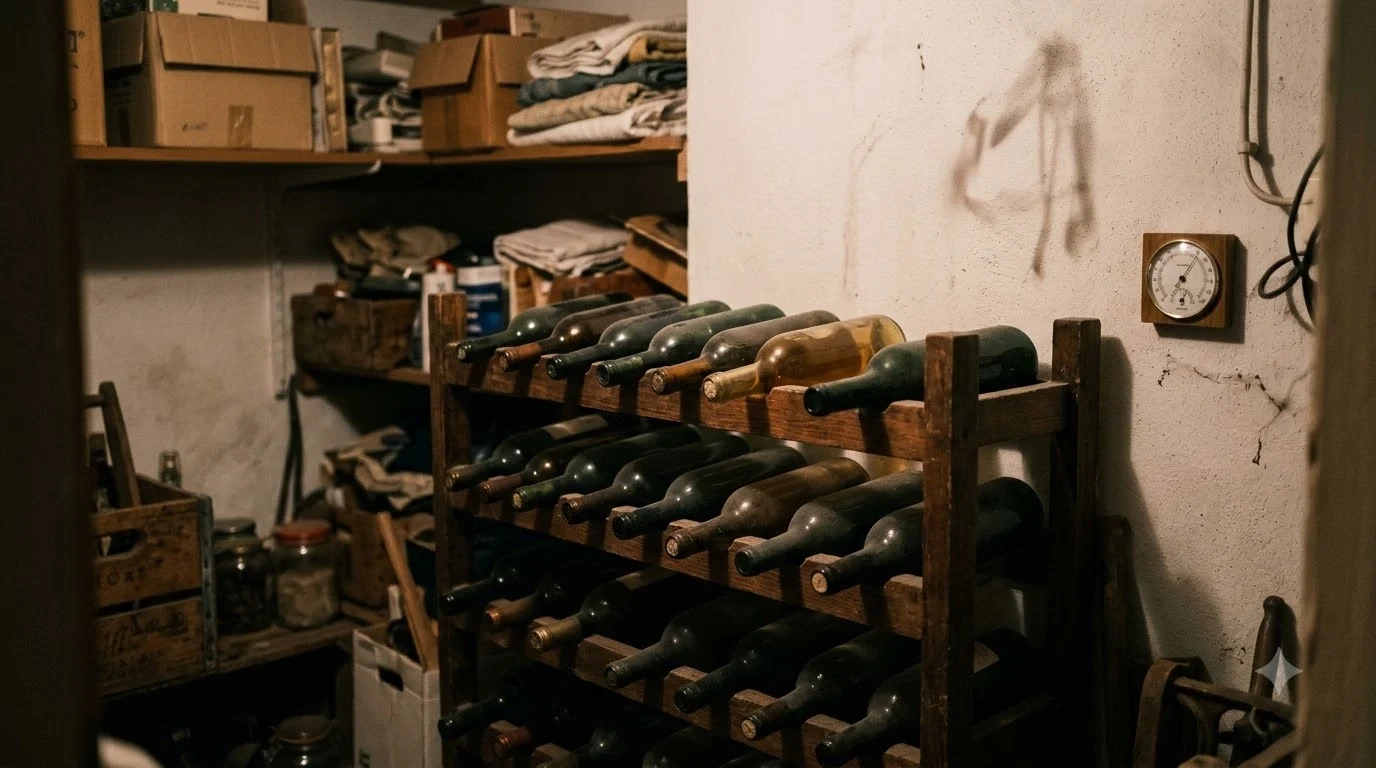
Here is how to store wine long term: keep bottles somewhere cool, steady, dark, and quiet, ideally around 13 °C (55 °F) with temperature changes kept small. Temperature stability matters most. Light, vibration, and large swings in heat do more harm over years than almost anything else, while humidity is less settled and matters less than many people assume.
Many wines are made to be opened within a few months, but a smaller group is built to change slowly over years in the bottle. If you have bought a bottle to keep, or you have a few you want to hold back, the way you store it will decide whether it ages well or slowly goes flat. This guide covers the conditions that matter, what is still debated, and how to set up a simple storage spot at home.
Why temperature matters more than anything else
Temperature drives how fast a wine changes. Wine keeps well between about 7 and 18 °C (45 to 64 °F) as long as the temperature changes gradually. Around 13 °C (55 °F) is commonly treated as ideal for both short-term storage and long-term aging, and most wine ages normally in the range of about 10 to 14 °C (50 to 57 °F).
Colder storage slows maturation, which is not a problem for a wine you plan to drink soon but can mean a wine you want to age takes longer to develop. Warmer storage speeds everything up, and that is where problems start. The Wikipedia article on wine cellars describes how large temperature swings are especially harmful, because the expansion and contraction of the air in the bottle can push air past the cork. Swings of roughly 14 degrees or more are the kind that cause concern.
Choosing the right spot in your home
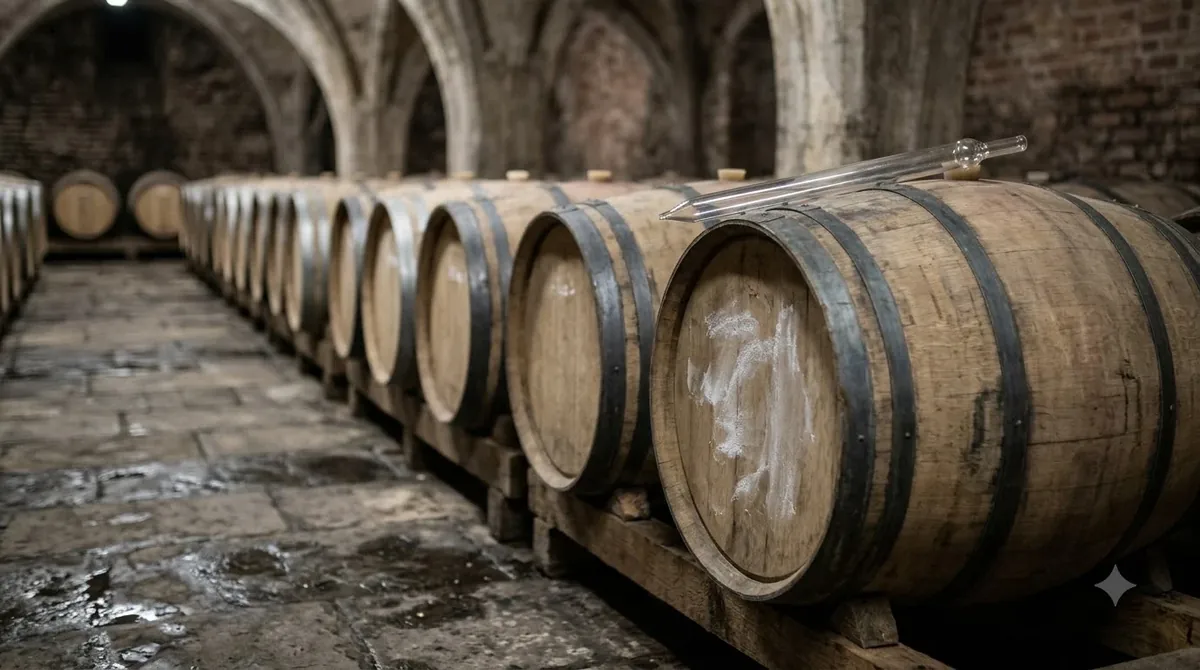
The best storage space is one that stays the same from day to day and season to season. A basement, an interior closet on the lowest floor, or a dedicated wine fridge with a stable thermostat usually works far better than a kitchen cabinet next to the oven, a garage that gets very hot in summer, or an attic that swings sharply with the weather.
Avoid spots near the furnace, water heater, dishwasher, or any appliance that gives off heat or vibration. The same goes for a shelf in direct sunlight. Keep the area as dark as you practically can, because light is one of the external influences that can harm wine over time, and a dark cellar protects bottles in a way that an open rack in a sunny room does not.
It also helps to keep a simple record of the bottles you store: the vintage, the date they went into the rack, and a note on any wine you open to check. A short log makes it easier to see whether a wine is developing as you expected or whether storage conditions need changing, and it stops a bottle from being forgotten for a decade in the back corner of a closet.
Light, vibration, and bottle position
Light and vibration are both harmful to wine in storage. Darkness is part of what makes a traditional cellar protective, and the same logic applies to a closet or box at home. Vibration from a washing machine, a fridge motor, or a busy road can disturb the sediment in an aged bottle and, over long periods, is considered a risk to the wine.
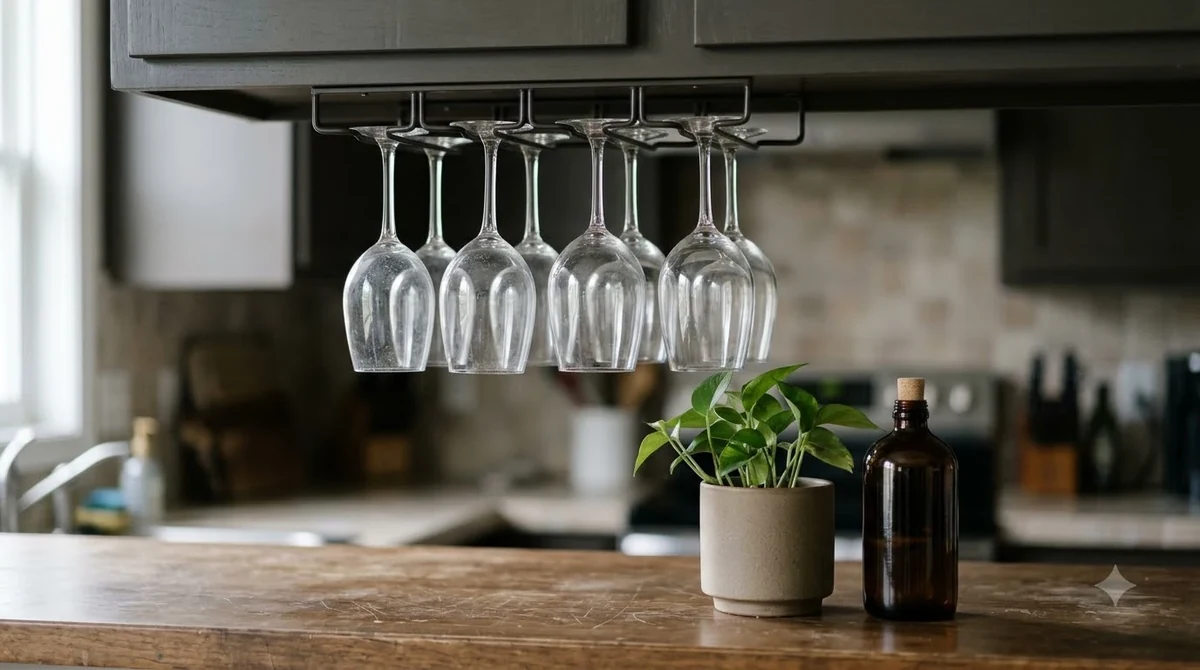
Bottle orientation is less clear. Many cellars store bottles on their sides so the wine stays in contact with the cork, which helps keep it from drying. The source reviewed for this guide does not give a firm recommendation on orientation, so treat lying bottles as a common cellar practice rather than a guaranteed rule, and check the closure type of the bottles you plan to keep. Screw-cap and synthetic-cork bottles behave differently from natural cork.
Humidity: less settled than most advice suggests
Humidity is the most debated factor. Experts do not agree on how much it matters. One French study reported that the humidity inside a sealed bottle stays near 100 percent regardless of the closure or the bottle position, which would make outside humidity less important than people expect.
Other writers take the opposite view. Alexis Lichine warned that low humidity can dry out natural corks, and he suggested a gravel floor that is occasionally dampened with water to hold moisture in a cellar. Very dry climates may need active humidification. A practical middle path is to avoid extremes: a room that is not bone dry and not soaking wet is usually fine for most bottles.
| Factor | Recommended approach | Why it matters |
|---|---|---|
| Temperature | Around 13 °C (55 °F), changes kept small | Controls the speed of aging |
| Temperature swings | Avoid large day-to-day or seasonal changes | Air can pass the cork during swings |
| Light | Store in darkness | Light is an external influence that harms wine |
| Vibration | Keep bottles still | Disturbs sediment and is a long-term risk |
| Humidity | Avoid extremes | Experts disagree on its importance |
Tip: Use a simple thermometer in your storage spot for a few weeks before you commit bottles to it. A reading that holds steady is a better guide than the spot’s appearance.
Not every wine is built to age
Storage only pays off for wines that are made to change over time. Many everyday bottles are designed to be opened within a year or two of release, and keeping them longer does not usually improve them. Wines with higher acidity, firm tannins, and enough structure tend to be the ones that develop interestingly over years.
Before you store a bottle, it is worth reading the producer’s own notes or a reputable tasting resource to see whether the wine is meant for aging. Producers usually say so on their websites, and tasting resources often describe how a style changes over time. Wines sold as ready to drink are rarely improved by a long hold, so the time spent in storage is better used on bottles that were made to last.
Before you store a bottle, check whether the producer or a reputable tasting resource says it is meant for aging. If you are not sure, a shorter hold and a regular check of one bottle is a safe way to learn how a particular wine changes. For more on the basics of wine, the Wine Q&A section covers many of the terms you will see on labels and tasting notes.
Frequently Asked Questions
What is the best temperature to store wine long term?
Around 13 °C (55 °F) is commonly treated as ideal for long-term aging. The more important point is to keep the temperature steady, because gradual changes within roughly 7 to 18 °C are generally tolerated better than sudden swings.
Does a wine fridge work for long-term storage?
A wine fridge with a stable thermostat can work well, especially if it keeps the temperature close to the cellar range and does not vibrate much. Check the temperature with a separate thermometer before you rely on the display alone.
Should I store wine bottles on their side?
Many cellars lay bottles on their sides so the cork stays in contact with the wine. The sources reviewed for this guide do not give a firm rule, so keep the practice in mind, especially for natural-cork bottles you plan to keep for years.
Is humidity important for storing wine?
Experts disagree. Some argue the humidity inside a sealed bottle stays high regardless of outside conditions, while others warn that very dry air can dry out natural corks. Avoid extremes, and do not expect humidity alone to decide whether a wine ages well.
Good storage is mostly about consistency. Pick a dark, quiet spot that stays close to 13 °C, keep the bottles still, and only hold wines that are built to change. For the question of how long a specific wine can rest, the decanting guide is a useful next read for the moment the bottle comes out of storage.
More in Wine Basics
 Which Rose Is Best for Your Taste, Budget, and Food PairingsUpdated Nov 21, 2026
 Is Cheap Wine Bad? How to Find Bottles Worth DrinkingUpdated Nov 21, 2026
 What To Write On A Wine Gift Tag: Thoughtful Messages For Every OccasionUpdated Nov 21, 2026
 Which Wine Is Best For Weight Loss? Compare Lower-Calorie ChoicesUpdated Nov 21, 2026
 What Is The Best Wine For Mimosas? Choose Bubbly That Balances Orange JuiceUpdated Nov 20, 2026
 Which Prosecco Is Best for Your Taste and OccasionUpdated Nov 20, 2026