

We may earn a commission when you buy through links on this page, at no extra cost to you. Learn more.
Knowing how to store white zinfandel properly comes down to keeping unopened bottles in a cool, dark place at 50–59°F and refrigerating opened bottles tightly sealed at 38–45°F for up to three to five days. Because white zinfandel is a light, fruit-forward blush wine with residual sugar and low tannins, it lacks the natural preservatives that help fuller-bodied reds age over decades. Proper storage protects its bright strawberry, melon, and citrus aromas from heat, ultraviolet light, and oxygen.
Unlike collector-grade Cabernet Sauvignon or vintage Champagne, white zinfandel is crafted for immediate, refreshing enjoyment. Treating a bottle like a shelf-stable pantry item—or leaving an unfinished bottle on the kitchen counter overnight—quickly strips away the crisp acidity and fresh berry character that make this style so appealing. Whether you picked up a single bottle for weekend brunch or bought a case for summer gatherings, a few straightforward storage habits will keep every pour tasting clean and lively.
Ideal Storage Conditions for Unopened White Zinfandel
Unopened white zinfandel stays freshest when kept in a dark, vibration-free environment with a consistent temperature between 50°F and 59°F and relative humidity around 55% to 75%. Under these conditions, an unopened bottle maintains its vibrant fruit profile for roughly one to two years from the vintage date.
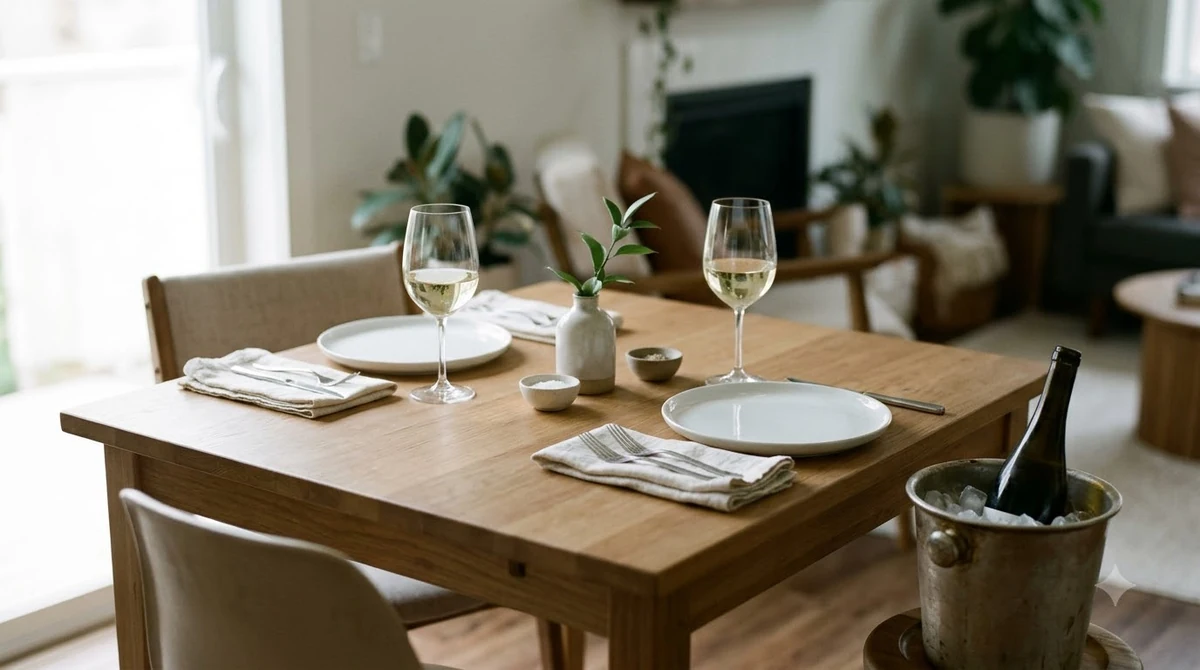
Temperature stability matters far more than hitting a single magic number. According to research highlighted by Wine Folly, wine stored at standard room temperature ages roughly four times faster than wine held in cool cellar conditions, losing color and protective antioxidants along the way. Because white zinfandel typically contains noticeable residual sugar, exposure to warm rooms above 75°F can also trigger unwanted refermentation in the bottle, pushing out the cork or creating fizzy, off-dry flavors that the winemaker never intended.
Light protection is equally important for blush and rosé styles. Most white zinfandel is bottled in clear flint glass to showcase its signature salmon-pink hue, which leaves the liquid completely exposed to ultraviolet rays. Sunlight and harsh fluorescent bulbs trigger light strike, a chemical reaction that degrades delicate fruit esters and leaves the wine smelling like wet cardboard or cooked cabbage. Always tuck unopened bottles inside a closed cabinet, pantry, basement rack, or opaque wine cooler away from sunny windows.
If your bottle is sealed with a natural or agglomerated cork, store it horizontally on its side so the wine stays in contact with the cork. Keeping the cork moist prevents it from drying out, shrinking, and letting oxygen seep into the headspace. Bottles closed with aluminum screw caps or synthetic stoppers do not require horizontal placement and can safely stand upright on a pantry shelf or wine rack until you are ready to chill them.
How to Store Opened White Zinfandel
Once uncorked or unscrewed, white zinfandel should be resealed immediately and placed upright in your kitchen refrigerator, where it will stay fresh for three to five days. Cold temperatures slow down the chemical reaction between oxygen and wine, preserving the bright fruit notes for several evenings.
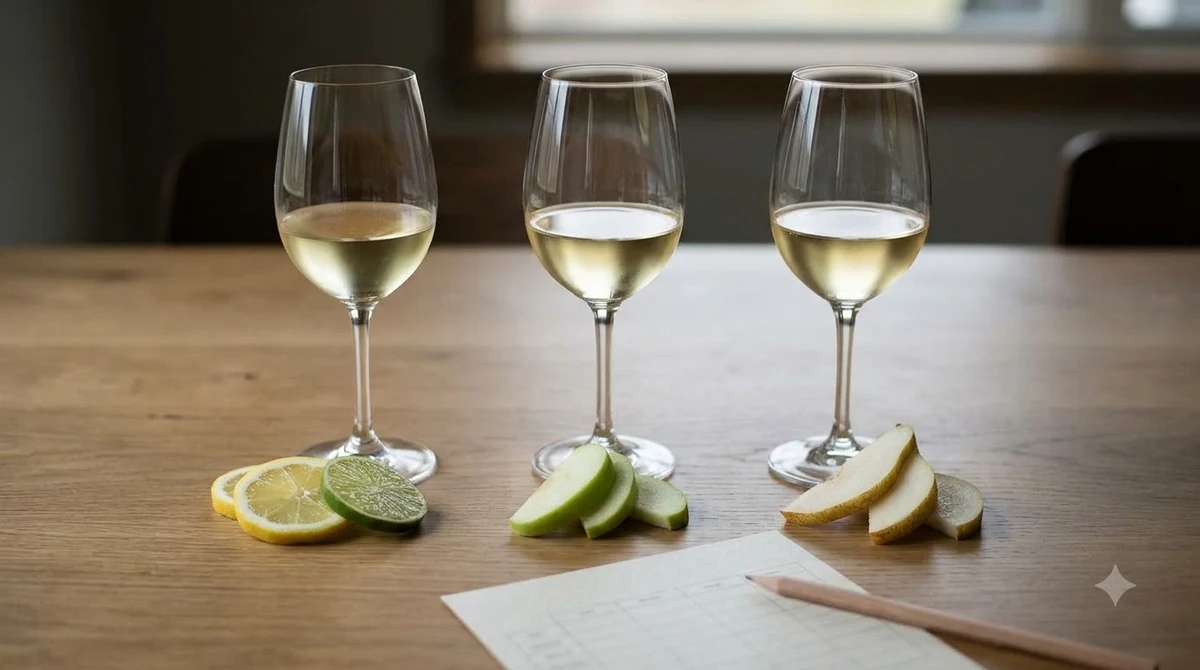
Oxygen is the primary enemy of any opened bottle, and delicate pink wines show signs of oxidation faster than tannic reds. The moment you pour your first glass, air rushes into the bottle and begins flattening the aromatics. As editors at Wine Enthusiast point out, if you are reinserting the original cork, always push the wine-stained end back into the neck rather than flipping it around, since the dry top end can introduce dust or surface contaminants into the wine.
You can stretch an opened bottle toward the five-day mark by reducing the amount of air trapped inside the glass. If you only poured a glass or two and plan to finish the rest later in the week, consider using a rubber vacuum pump stopper to draw excess air out of the neck. Another effective trick is decanting the leftover wine into a clean 375-milliliter half-bottle with a tight screw cap; filling a smaller vessel leaves almost no headspace for oxygen to interact with the liquid.
Avoid storing an opened bottle in the refrigerator door if you open and close the fridge constantly throughout the day. The door experiences the widest temperature swings and repeated agitation, both of which accelerate flavor loss. Instead, place the upright bottle on a main interior shelf toward the back, where the temperature stays consistently cold and undisturbed.
Tip: Keep a clean, empty 375-milliliter half-bottle in your pantry so you can funnel leftover white zinfandel into a smaller container whenever you only want a single glass.
White Zinfandel Storage Quick-Reference Guide
Different stages of a bottle’s lifecycle call for different temperatures, orientations, and timelines. Use the reference table below to match your storage setup to how soon you plan to pour.
| Storage Scenario | Ideal Temperature | Bottle Position | Expected Shelf Life | Best Location |
|---|---|---|---|---|
| Unopened (Long-Term) | 50°F – 59°F | Horizontal (cork) or Upright (screw cap) | 1 – 2 years from vintage | Wine fridge, basement, or dark closet |
| Unopened (Short-Term) | 38°F – 45°F | Upright or Horizontal | Up to 3 weeks | Kitchen refrigerator |
| Opened (Standard Recork) | 38°F – 45°F | Upright | 3 – 5 days | Interior refrigerator shelf |
| Opened (Half-Bottle Transfer) | 38°F – 45°F | Upright | 5 – 7 days | Interior refrigerator shelf |
| Serving Temperature | 42°F – 45°F | In ice bucket or chiller | 2 – 3 hours during meal | Tabletop ice bath between pours |
While a standard kitchen refrigerator works well for short-term chilling and post-opening preservation, avoid leaving unopened cork-finished bottles in the fridge for months at a time. Standard refrigerators maintain very low humidity—often below 30%—to keep produce crisp, which can eventually dry out natural corks over long periods. Keep unopened bottles in a cooler or dark cabinet until a few days before you plan to serve them, then transfer them to the fridge to chill.
If you explore other sweet or lightly bodied categories across our guide to Wine by Type, you will notice similar temperature rules apply to most crisp whites and rosés. In contrast, fermented honey beverages follow slightly different aging curves, which we cover in our breakdown on how to store mead.
Common Storage Mistakes That Ruin White Zinfandel
The fastest ways to ruin white zinfandel are storing bottles near kitchen heat sources, leaving clear glass exposed to sunlight, and keeping wine above the refrigerator. Even brief exposure to high heat can permanently cook the delicate berry flavors out of the bottle.
Many home cooks instinctively place wine racks on top of the refrigerator or on a countertop near the stove, oven, or dishwasher. Appliances generate continuous ambient heat and subtle mechanical vibrations every time their compressors or heating cycles kick on. Heat causes the liquid inside the bottle to expand, pushing against the closure and breaking the airtight seal, while vibration prevents the wine from resting cleanly. Always keep wine racks in an interior hallway closet, pantry, or dedicated cooling unit far away from heat-generating appliances.
Another frequent misstep is chilling a bottle in the freezer and forgetting about it. While twenty minutes in the freezer can rescue a warm bottle before guests arrive, leaving wine in sub-freezing temperatures causes the water content to freeze and expand. Freezing can push the cork right out of the neck, crack the glass, and alter the balance of sugars and acids once the wine thaws.
Finally, treat white zinfandel as a fresh, young wine rather than a cellar candidate. Unlike structured reds or fortified wines, white zinfandel does not gain complexity with age. Buying current-release vintages and enjoying them within a year or two guarantees you experience the lively watermelon, strawberry, and citrus notes the winemaker bottled.
How to Tell If White Zinfandel Has Gone Bad
Spoiled or oxidized white zinfandel shows clear visual and aromatic warning signs, including a brownish or dull orange tint, flat or vinegary smells, and unexpected fizziness. Checking the color and aroma before pouring a full glass saves you from an unpleasant sip.
Start by inspecting the wine in a clear glass against a white napkin or bright light. Fresh white zinfandel displays a bright, translucent pink, salmon, or pale coral hue. As oxygen and age take their toll, the vibrant pink pigments break down and shift toward dull amber, tawny orange, or brownish tones. If the wine looks murky or brownish, oxidation has already stripped away its freshness.
Next, give the glass a quick swirl and sniff before tasting. Well-preserved white zinfandel smells clean, fruity, and slightly floral, reminiscent of fresh strawberries, raspberries, or sweet citrus. If the wine smells sharp like cider vinegar, nutty like dry sherry, or musty like damp cardboard, it is past its prime. Tiny, unexpected bubbles clinging to the side of the glass—accompanied by a yeasty odor—indicate unwanted secondary fermentation triggered by warm storage.
Drinking oxidized white zinfandel will not make you sick, because the alcohol and acidity prevent harmful pathogens from growing, but the flavor will be sour and unenjoyable. If a bottle has started to lose its crisp snap on day four or five without turning vinegary, you can still put it to good use by mixing it with fresh berries, citrus slices, and brandy for a batch of white zinfandel sangria, or simmering it into a simple fruit reduction sauce—much like repurposing leftover spiced wine after learning how to store mulled wine.
Frequently Asked Questions
Does unopened white zinfandel need to be refrigerated?
Unopened white zinfandel does not need to be kept in the refrigerator unless you plan to drink it within the next two to three weeks. For longer storage up to one or two years, keep unopened bottles in a cool, dark closet, pantry, or wine cooler held between 50°F and 59°F so natural corks do not dry out in low refrigerator humidity.
How long does white zinfandel last after opening?
An opened bottle of white zinfandel lasts three to five days when tightly resealed and stored upright in the refrigerator. Transferring the remaining wine into a smaller half-bottle or using a vacuum pump stopper can preserve its fresh berry aromas for up to five to seven days.
Can you age white zinfandel in a wine cellar for several years?
White zinfandel is not meant for multi-year cellaring and tastes best within one to two years of its vintage date. Because it is made with minimal skin contact and low tannins, extended aging causes its delicate strawberry and melon flavors to fade while turning the color dull amber or brown.
What is the best serving temperature for white zinfandel?
White zinfandel tastes best well chilled between 42°F and 45°F, which highlights its crisp acidity and balances its gentle sweetness. Chilling the bottle in a standard refrigerator for three to four hours before serving—or spinning it in an ice-and-water bath for ten minutes—brings it right into that ideal range.
Keeping white zinfandel at its peak requires little more than protecting unopened bottles from heat and sunlight, then chilling opened bottles promptly in the fridge. By following these simple temperature and sealing habits, you can enjoy every glass with the crisp acidity and bright berry character it was meant to deliver.
More in Wine Types & Grapes
 Zinfandel Sugar Content: Dry Red vs. White Zinfandel GramsUpdated Nov 21, 2026
 Best Zinfandel Substitute Options for Sipping and CookingUpdated Nov 21, 2026
 Zweigelt Food Pairing: Best Dishes, Cheeses, and Serving TipsUpdated Nov 21, 2026
 Zinfandel Tannins Explained: How Structure Shapes Every BottleUpdated Nov 21, 2026
 Zinfandel Sweetness Level: Dry Red vs. Sweet White Zin ExplainedUpdated Nov 21, 2026
 Xinomavro Food Pairing: Best Dishes, Styles, and Serving TipsUpdated Nov 21, 2026