

We may earn a commission when you buy through links on this page, at no extra cost to you. Learn more.
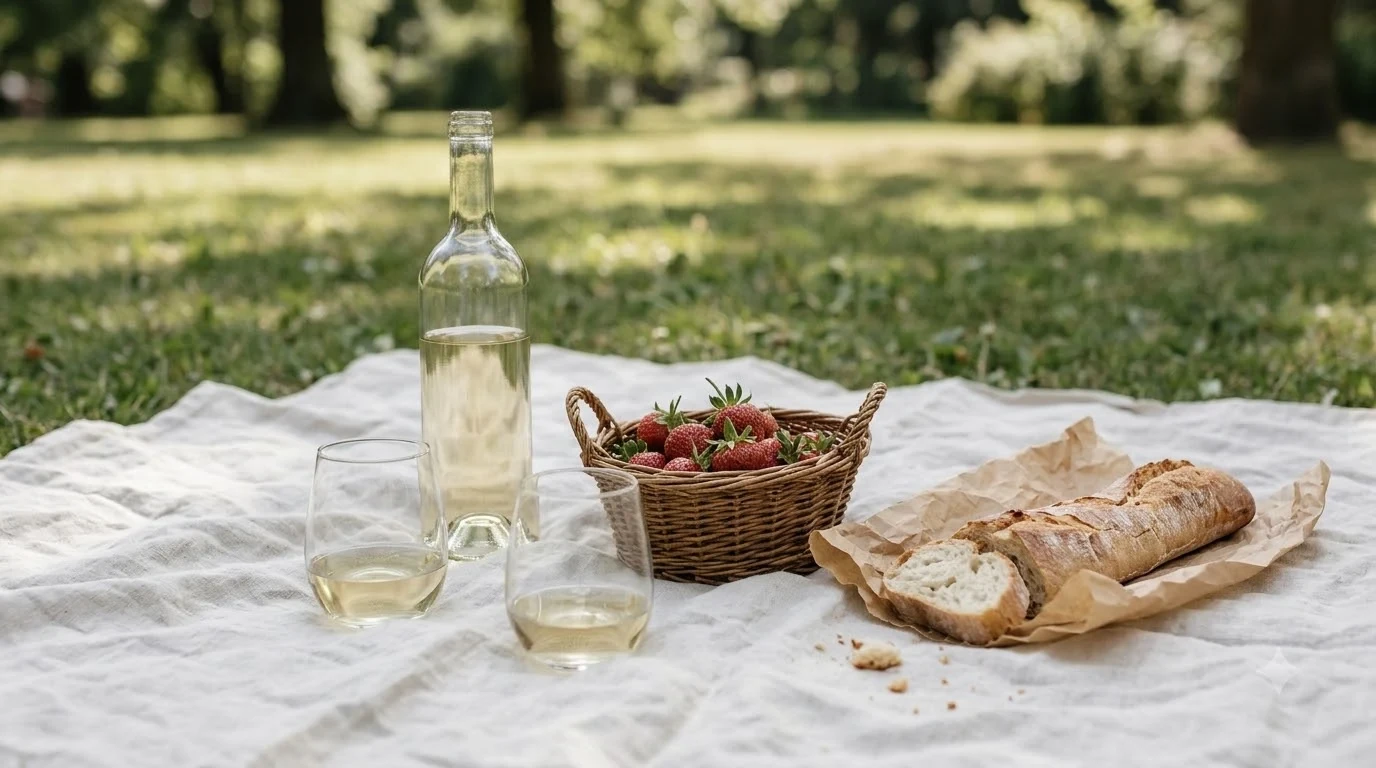
Knowing how to store orange wine properly means keeping unopened bottles in a dark, vibration-free space at a steady cellar temperature between 55°F and 59°F (12°C to 15°C) with 55% to 75% relative humidity. Unopened bottles with natural corks should rest horizontally so the cork stays moist and airtight, while opened bottles should be tightly resealed, stood upright in a standard refrigerator, and finished within three to five days. Because skin-contact whites are frequently bottled unfiltered with minimal or zero added sulfites, protecting them from heat spikes and ultraviolet light is essential for preserving their savory aromatics and structure.
Orange wine sits in an intriguing middle ground between white and red winemaking, produced by fermenting white wine grapes with their skins and seeds left in the juice. That extended maceration gives amber-hued bottles extra tannin and antioxidant compounds, yet many producers bottle them with minimal intervention, making proper storage a balancing act between resilience and sensitivity.
Unopened Orange Wine Storage Conditions
Unopened orange wine thrives in cool, dark, humid environments where ambient temperatures remain steady throughout the year. Keeping bottles away from fluctuating household heat and direct sunlight prevents premature oxidation and preserves the nuanced aromas derived from grape skins.
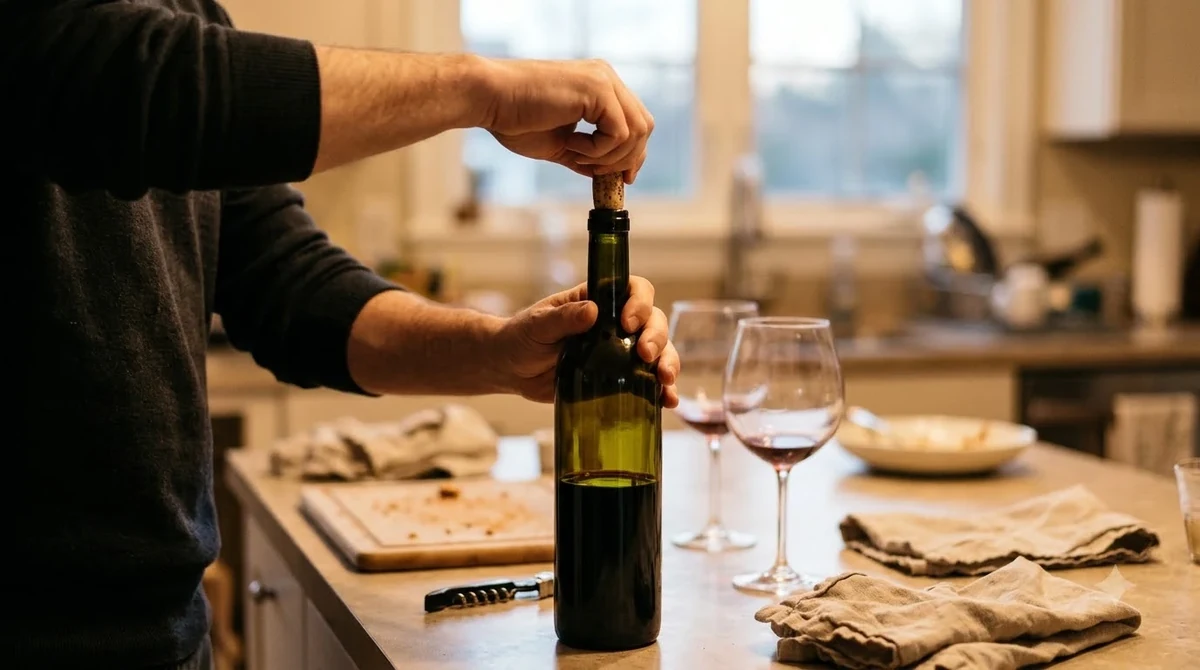
According to Wine Folly’s wine storage temperature guidelines, the ideal long-term storage range for wine is 55°F to 59°F (12°C to 15°C) with 55% to 75% relative humidity. Wine Folly also highlights research from Northern Italy showing that wine ages roughly four times faster at typical room temperature than in a proper cellar. For orange wine, rapid heat-driven aging dulls bright citrus peel and stone fruit notes, pushing the profile prematurely toward flat, bruised-apple flavors.
Humidity and light matter just as much as coolness. When air drops below 50% relative humidity, natural corks can shrink and allow oxygen to seep into the headspace, whereas humidity above 80% encourages mold on labels and capsules. Ultraviolet rays from windows or bright kitchen fixtures pass through clear or lightly tinted glass and trigger lightstrike, which flattens delicate herbal and floral aromatics. A dedicated wine fridge, an insulated basement corner, or a dark interior closet far from appliances gives unopened bottles the stability they need.
Bottle orientation depends entirely on the closure type. If your bottle uses a traditional natural cork or agglomerated cork, lay it flat on a rack so the liquid remains in constant contact with the underside of the stopper. If the winemaker used a screw cap, crown cap, or glass stopper, the bottle can stand upright or lie on its side without affecting the seal, much like the storage principles covered in our guide on how to store mead.
How to Store Opened Orange Wine
Once uncorked, orange wine should be resealed immediately, stored upright in a standard kitchen refrigerator, and enjoyed within three to five days. Cold temperatures dramatically slow the chemical reactions triggered by oxygen exposure, keeping the wine fresh between pours.
Unlike conventional white wines that are fined, filtered, and stabilized with higher doses of sulfur dioxide, many skin-contact wines are bottled raw or with very low sulfite additions. While natural phenolics and tannins extracted from the grape skins offer a modest buffer against air, an uncorked bottle left on a warm dining table will lose its crispness within hours. Push the original cork back into the neck or insert a snug rubber wine stopper right after pouring your glass, rather than waiting until the end of the evening.
Always stand an opened bottle upright in the refrigerator door or on a tall shelf. Laying an open bottle on its side increases the surface area of wine exposed to trapped oxygen inside the glass, accelerating oxidation. If you own a hand-operated vacuum pump stopper, pumping out the excess air before refrigerating can help preserve bright acidity and savory grip toward the five-day mark.
Tip: Pull an opened bottle of orange wine out of the kitchen fridge 20 to 30 minutes before pouring so it warms closer to cellar temperature and releases its full aromatic range.
Storage and Serving Temperatures Compared
Storage temperature and serving temperature serve two distinct purposes, and mixing them up is one of the easiest ways to mute an expressive bottle. While long-term storage prioritizes slow, steady preservation, serving temperature controls how strongly you perceive tannin, acidity, and aroma in the glass.
| Stage or Wine Style | Target Temperature | Ideal Location | Expected Timeline |
|---|---|---|---|
| Unopened Long-Term Storage | 55°F–59°F (12°C–15°C) | Wine cooler or dark basement | 1 to 10+ years (producer dependent) |
| Opened Bottle Preservation | 37°F–41°F (3°C–5°C) | Standard kitchen refrigerator (upright) | 3 to 5 days |
| Light Skin-Contact Serving | 50°F–54°F (10°C–12°C) | 30–45 minutes in fridge before pouring | Serve immediately |
| Full-Bodied / Extended Maceration Serving | 54°F–57°F (12°C–14°C) | Direct from cellar or brief chill | Serve immediately |
Standard kitchen refrigerators run around 37°F to 41°F (3°C to 5°C), which is ideal for slowing spoilage in an open bottle, yet far too cold for serving or long-term aging. Over many months, a household fridge’s dry air can desiccate natural corks, and its compressor vibrations can disturb fine sediment. In the glass, serving orange wine straight from a 38°F refrigerator clamps down on aromatics and makes skin tannins feel harsh and astringent.
As Decanter’s wine experts explain, lighter orange wines made with just a few days of skin contact shine at 10°C to 12°C (50°F to 54°F), while fuller, more mature amber wines open up best around 12°C to 14°C (54°F to 57°F). Storing your bottles at cellar temperature puts them right in the sweet spot for pouring a structured style with almost no prep time. If you want to compare how temperature rules shift across other categories, explore our overview of Wine by Type.
Why Skin Contact and Low Sulfites Change Storage Needs
Orange wine behaves differently in storage than standard white wine because extended maceration extracts structural tannins while minimal-intervention winemaking leaves fewer chemical preservatives in the bottle. Understanding how those two traits interact helps you decide which bottles to drink young and which ones can rest in a cellar.
During fermentation, white grape juice stays in contact with skins, pips, and sometimes stems for anywhere from a few days to several months in amphorae, oak casks, or stainless steel. Those grape skins contribute polyphenols and tannins that act as natural antioxidants, giving structured orange wines far more aging potential than crisp, early-drinking whites like Pinot Grigio. Master of Wine Isabelle Legeron has noted in Decanter that well-made, low-intervention wines kept in cool, humid cellar conditions can mature gracefully for years.
At the same time, many skin-contact producers skip fining, sterile filtration, and heavy sulfur additions. Unfiltered bottles carry fine lees and suspended solids that can react poorly to heat spikes, turning hazy or developing mousiness and volatile acidity if left near a warm stove or sunny window. By keeping these bottles cool, dark, and still, you allow the natural tannins to integrate smoothly rather than forcing rapid, uneven oxidation.
Handling Sediment and Bottle Position Before Pouring
Because many orange wines are bottled unfined and unfiltered, natural sediment often collects along the side or bottom of the bottle during storage. Planning how you position and move the bottle before opening keeps your pours clear and balanced.
If a bottle has been resting horizontally on a wine rack for several months, fine lees will settle along the lower wall of the glass. Standing the bottle upright in a cool room or cellar 12 to 24 hours before you plan to open it gives those particles time to drift gently down to the punt at the base. Avoiding sudden shaking or vigorous swirling right before pulling the cork prevents cloudiness from muddying the first glass.
For bottles aged for several years or fermented in clay qvevri with heavy texture, pouring slowly into a decanter—or simply pouring steadily in one smooth motion—leaves the sediment behind in the shoulder of the bottle. When storage space is tight at home, treating delicate, unfiltered amber bottles with the same care you would give spiced or fortified preparations—similar to the advice in our guide on how to store mulled wine—ensures every glass tastes clean and intentional.
Common Storage Mistakes That Ruin Orange Wine
Even well-made skin-contact wines can lose their vibrant citrus, tea, and orchard-fruit character when stored in everyday household spots that seem harmless at first glance. Avoiding a few frequent missteps protects both the flavor and texture of your bottles.
The most common error is storing wine on a kitchen counter, above the refrigerator, or near a stovetop. Kitchens experience dramatic daily temperature swings from cooking, and the top of a refrigerator radiates steady warmth from its condenser coils. Even a few weeks of warm storage can flatten the aromatic lift of a lightly macerated skin-contact wine, leaving it dull or overly nutty before you ever pull the cork.
Another frequent mistake is leaving an opened bottle on the counter overnight because orange wine is often served closer to cellar temperature than conventional whites. Serving temperature and storage temperature are separate rules: once oxygen enters the bottle, room-temperature warmth accelerates spoilage rapidly. Similarly, keeping bottles in a bright bar cart near a window exposes the liquid to UV light, while storing cork-finished bottles upright for years in a dry pantry risks cork shrinkage and seepage.
Frequently Asked Questions
Can you age orange wine for several years?
Yes, structured orange wines with extended skin contact and firm acidity can age for five to ten years or longer in proper cellar conditions. Natural tannins extracted from the grape skins act as a preservative, allowing complex notes of dried apricot, honey, nuts, and tea to develop over time. Lighter, short-maceration styles are best enjoyed within one to three years of release.
Should orange wine be stored in the fridge before opening?
No, a standard kitchen refrigerator is too cold and too dry for storing unopened orange wine long term. Temperatures around 37°F to 41°F can dry out natural corks over several months and mute the wine’s aromatics. Use a wine cooler set to 55°F–59°F for storage, and place the bottle in your kitchen fridge for only 30 to 45 minutes right before serving.
How do you know if stored orange wine has gone bad?
Spoiled or heat-damaged orange wine often smells sharply of vinegar, nail polish remover, or damp cardboard rather than fresh citrus, herbs, or dried fruit. On the palate, it will taste flat, thin, or aggressively sour without any refreshing fruit balance. Visual clues include a cork pushing out past the rim of the bottle or wine seeping around the foil capsule.
Can you cook with orange wine that has been open too long?
If an opened bottle has simply lost its fresh aromatics after four or five days but still smells clean, you can use it to deglaze pans, braise poultry, or enrich mushroom risottos. However, if the wine has turned vinegary or smells unpleasant, discard it rather than cooking with it. For broader kitchen storage tips, check our guide on how to store cooking wine.
Mastering how to store orange wine comes down to keeping unopened bottles cool, dark, and horizontal at cellar temperature, then moving opened bottles upright into the refrigerator right after pouring. With steady humidity and protection from heat and UV light, every skin-contact bottle will retain the vibrant aromatics and tactile grip that make amber wines so rewarding at the table.
More in Wine Types & Grapes
 Zinfandel Sugar Content: Dry Red vs. White Zinfandel GramsUpdated Nov 21, 2026
 Best Zinfandel Substitute Options for Sipping and CookingUpdated Nov 21, 2026
 Zweigelt Food Pairing: Best Dishes, Cheeses, and Serving TipsUpdated Nov 21, 2026
 Zinfandel Tannins Explained: How Structure Shapes Every BottleUpdated Nov 21, 2026
 Zinfandel Sweetness Level: Dry Red vs. Sweet White Zin ExplainedUpdated Nov 21, 2026
 Xinomavro Food Pairing: Best Dishes, Styles, and Serving TipsUpdated Nov 21, 2026