

We may earn a commission when you buy through links on this page, at no extra cost to you. Learn more.
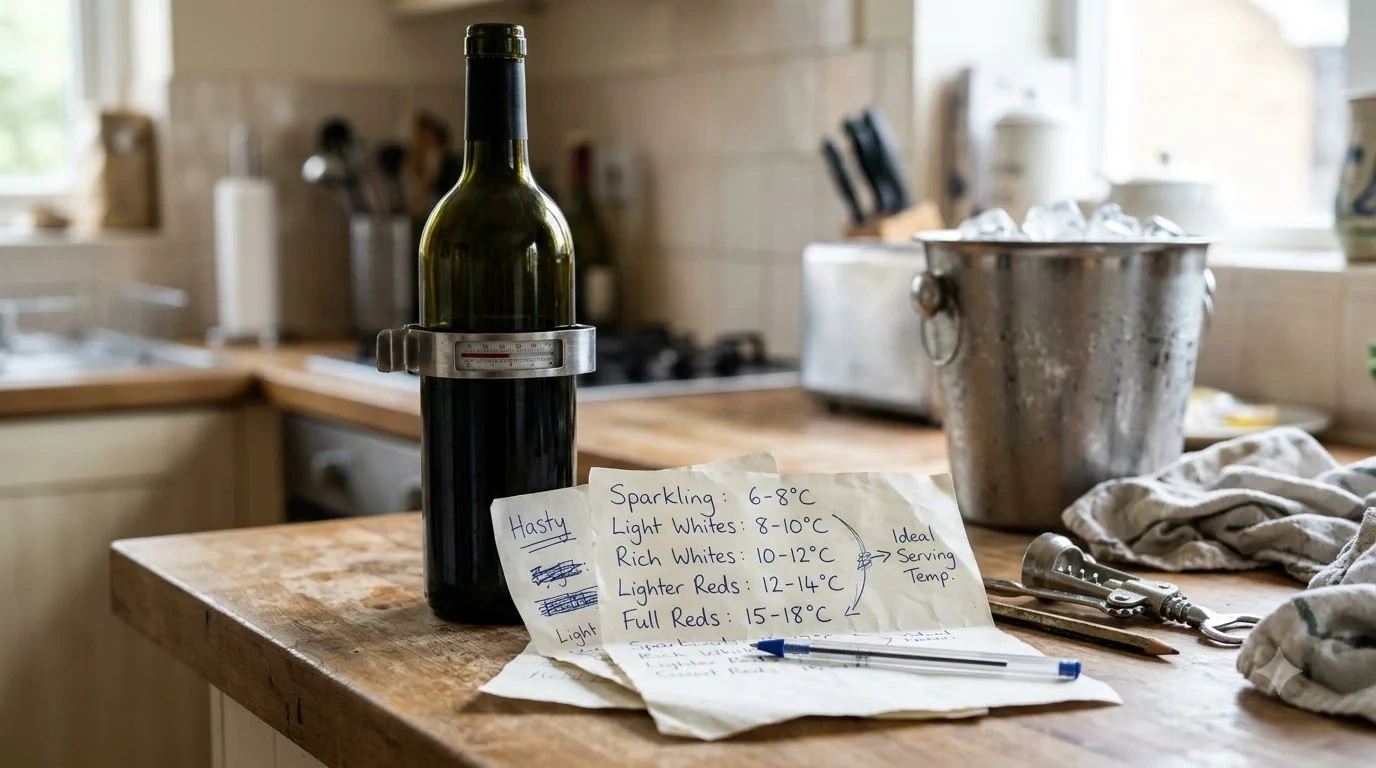
Learning how to store natural wine starts with keeping unopened bottles in a cool, dark space between 55°F and 59°F with 55% to 75% humidity, and refrigerating every opened bottle immediately. Because winemakers make natural wine with minimal or no added sulfites and rarely filter out native yeasts, heat and oxygen spoil these bottles much faster than conventional wines. Treat unopened bottles like delicate fresh produce rather than shelf-stable pantry goods, and always stand opened bottles upright in the refrigerator—even reds—to slow down oxidation and secondary fermentation.
Natural wine offers vibrant, unvarnished flavors, cloudy textures, and living microbial character, yet those exact qualities make it sensitive to its surroundings. Whether you have a single pét-nat chilling for Friday night or a mixed case of skin-contact whites and zero-zero reds, understanding how temperature, light, and air affect low-intervention bottles protects every pour from turning flat, fizzy, or vinegary.
Why Natural Wine Needs Extra Storage Care
Natural wine spoils faster than conventional wine in warm rooms because it lacks high doses of added sulfur dioxide and sterile filtration. These minimal-intervention choices leave live yeasts, bacteria, and delicate aromatic compounds exposed to heat and oxygen.
In conventional winemaking, producers add sulfites to stabilize the liquid, prevent unwanted microbial activity, and act as an antioxidant buffer against stray oxygen. According to Wine Folly, well-made dry red wines typically contain around 50 milligrams per liter of sulfites, and United States regulations allow up to 350 milligrams per liter. By contrast, natural winemakers either add zero sulfites or use tiny amounts just before bottling, meaning their wines lack a chemical safety net once the bottle leaves a temperature-controlled cellar.
Additionally, many natural wines skip fining and heavy filtration. Remaining yeast cells and organic solids can wake back up if a bottle gets warm, triggering unintended refermentation inside the glass. This can turn a still wine unexpectedly spritzy, push a cork out of the neck, or create off-putting barnyard and vinegar aromas. Exploring the broader differences across Wine by Type shows just how much production choices shape a bottle’s shelf stability.
Ideal Conditions for Unopened Natural Wine
Unopened natural wine thrives in steady temperatures between 55°F and 59°F, relative humidity from 55% to 75%, total darkness, and minimal vibration. Avoiding temperature swings matters even more than hitting an exact degree on the thermostat.
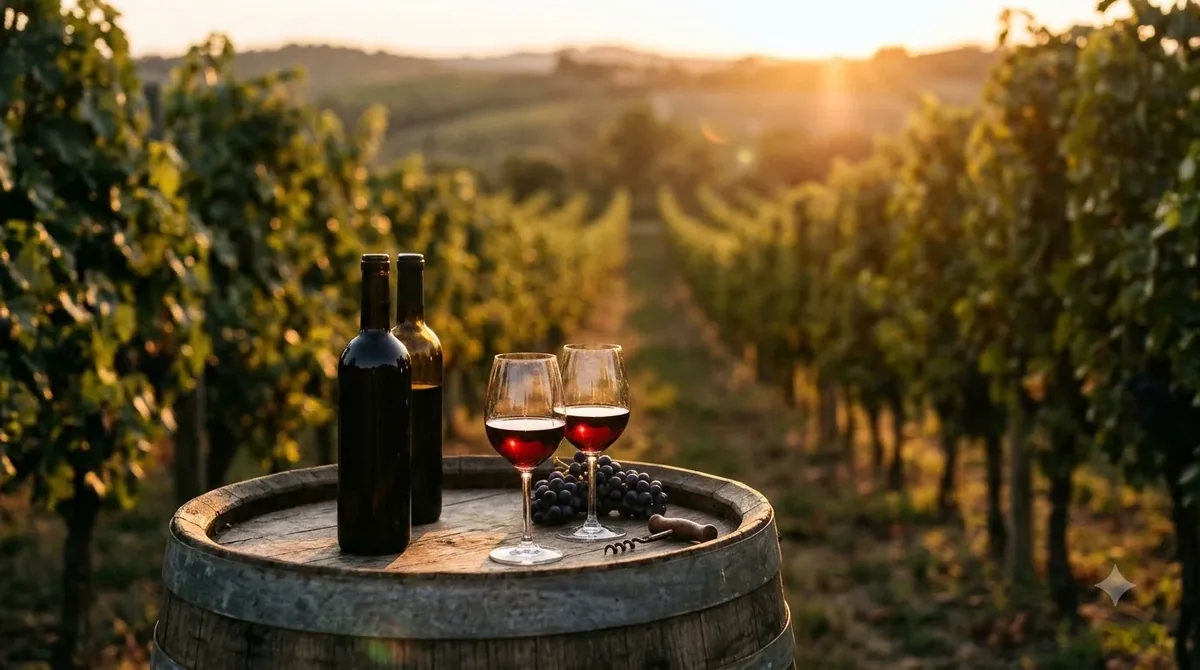
Heat is the fastest way to ruin a low-intervention bottle. Research highlighted by Wine Folly’s wine storage temperature guide demonstrates that wine stored at typical room temperature ages four times faster than wine kept in proper cellar conditions, losing color and protective antioxidants along the way. For natural wines without added preservatives, sitting in a warm kitchen or sunny dining room for just a few weeks can flatten bright fruit notes or cause volatile acidity to spike.
Sunlight and ultraviolet rays also break down delicate organic compounds, creating what winemakers call lightstrike—a fault that smells like wet cardboard or cooked cabbage. Keep bottles in dark cabinetry, a basement, or a dedicated wine fridge away from windows and appliances. Store cork-finished bottles horizontally so the liquid keeps the cork moist and airtight, while bottles sealed with crown caps—such as most pétillant naturel sparkling wines—can stand upright or lie flat without drying out.
| Wine Style | Unopened Storage Temp | Unopened Shelf Life | Opened Fridge Life | Key Storage Priority |
|---|---|---|---|---|
| Pét-Nat (Sparkling) | 45°F–55°F | 6–18 months | 1–2 days (with stopper) | Keep cold to contain internal pressure |
| Natural White & Rosé | 50°F–55°F | 1–2 years | 3–4 days | Strict darkness to prevent lightstrike |
| Skin-Contact (Orange) | 55°F–59°F | 2–5 years | 4–6 days | Stable cool temp; phenolic tannins add buffer |
| Light Natural Red | 55°F–59°F | 1–3 years | 3–5 days | Refrigerate immediately after opening |
| Structured Natural Red | 55°F–59°F | 3–7+ years | 4–5 days | Horizontal storage for natural corks |
Where to Store Natural Wine Without a Cellar
You do not need an underground wine cellar to store natural wine safely at home, provided you pick a dark, cool spot away from heat sources and vibrating appliances. A compressor wine cooler is ideal for multi-month holding, while an interior closet works well for short-term stashing.
If you plan to keep bottles for several months or longer, a dual-zone or single-zone compressor wine refrigerator offers the most reliable protection. Unlike thermoelectric coolers, which struggle when ambient room temperatures climb during summer, compressor units hold steady between 55°F and 59°F year-round. Keep bottles inside dark boxes or racks away from vibrating washing machines, dishwashers, and speakers, since constant agitation disturbs fine sediment and accelerates chemical aging.
For bottles you intend to drink within a few weeks, choose the coolest interior closet on the lowest floor of your home, far from ovens, radiators, water heaters, and exterior walls. Avoid storing wine on top of your kitchen refrigerator, where rising exhaust heat warms bottles constantly. Similarly, a standard kitchen refrigerator runs too cold—usually around 37°F to 40°F—for long-term storage of unopened still wine, as prolonged extreme cold can dry out natural corks and mute subtle aromatics.
Tip: Never store natural wine in a garage, attic, or sun-facing wine rack, as even a single afternoon heat spike above 75°F can permanently cook the fruit and trigger refermentation.
How to Store Natural Wine After Opening
Once opened, every natural wine—including reds and orange wines—should be tightly sealed, kept upright, and placed straight into the refrigerator. Cold temperatures slow down oxygen reactions and keep wild microbes dormant so your leftovers stay fresh for several days.
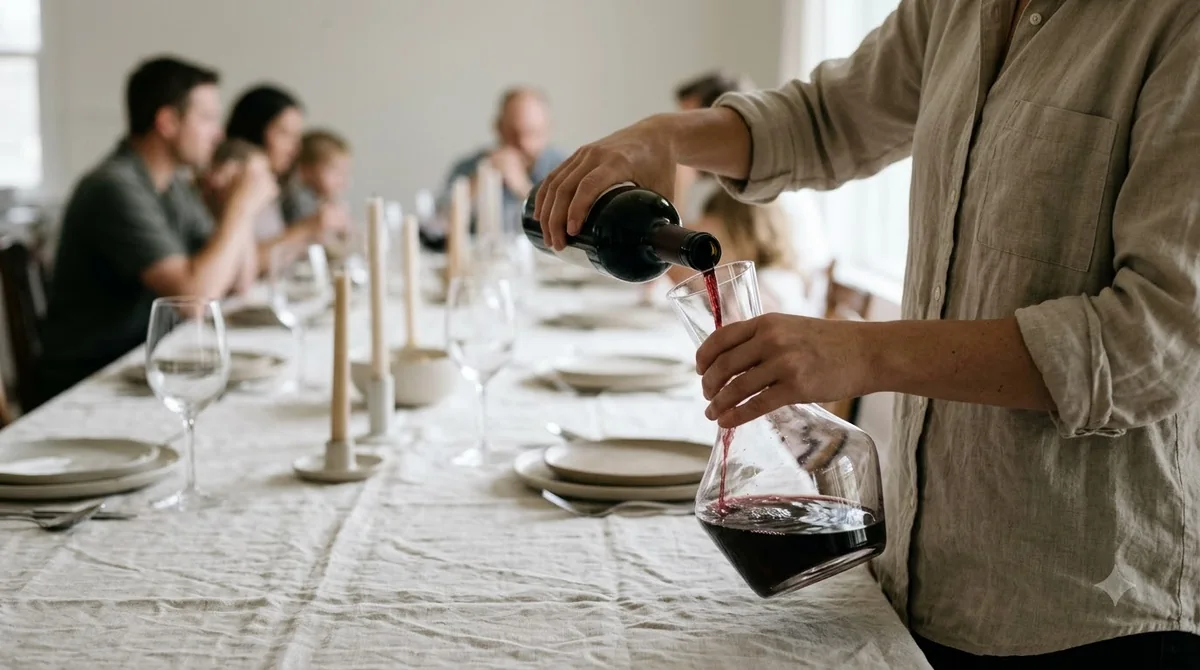
Opinions on opened natural wine vary, yet proper cold storage makes a dramatic difference. Wine writers at Decanter’s natural wine storage column note that many low-intervention bottles hold up remarkably well for days in the fridge once re-corked, sometimes evolving intriguing secondary flavors rather than falling apart. Still, leaving an opened bottle on the dinner table overnight invites rapid oxidation and acetic bacteria, which can quickly push volatile acidity into sharp vinegar territory.
Follow a few simple habits the moment you finish pouring your first glasses. Push the original cork firmly back into the neck or insert a snug rubber wine stopper, then place the bottle upright on a fridge shelf so the smallest possible surface area of wine touches the trapped air inside. If less than half the bottle remains, pour the leftover wine into a clean half-bottle or small glass jar with a tight lid to eliminate excess headspace. When you are ready for another glass of natural red, take the bottle out of the refrigerator 15 to 20 minutes early so it warms back toward cellar temperature.
Signs Your Natural Wine Has Spoiled or Refermented
Natural wine naturally features cloudy juice, tart acidity, and earthy funk, so spotting true spoilage means looking for physical warning signs and sharp chemical off-aromas rather than simple haze. Bulging corks, stained labels, and overwhelming nail-polish or vinegar smells tell you a bottle was stored too warm.
Before pulling a cork, inspect the bottle’s exterior for clues about its storage history. Wine seepage around the capsule, sticky streaks down the glass, or a cork pushing upward above the lip indicate that heat caused the liquid to expand or sparked unwanted secondary fermentation. Inside the bottle, fine sediment resting at the bottom is completely normal for unfiltered natural wine; stand the bottle upright for a few hours before serving so the solids settle cleanly.
Once poured, let your nose separate stylistic quirks from storage damage. A brief whiff of struck match or barnyard often blows off after ten minutes of swirling in the glass. By contrast, intense aromas of wet cardboard, cooked stewed fruit, sharp vinegar, or acetone signal irreversible lightstrike, heat damage, or extreme oxidation. If a wine has gone too flat or sour for drinking, you can still put leftovers to work in the kitchen—just be sure to check guidelines on how to store cooking wine before saving open bottles near the stove.
Frequently Asked Questions
Should you refrigerate unopened natural wine?
You can keep unopened natural wine in a standard kitchen refrigerator for up to a few weeks if your home is warm, especially for pét-nats and crisp whites. For storage lasting several months or more, a wine fridge or dark cellar between 55°F and 59°F is much better because standard refrigerators are too cold and dry for long-term cork health.
Why did my still natural wine become fizzy in storage?
Unfiltered natural wines often contain live residual yeast cells and trace amounts of unfermented sugar. When the bottle warms up above 65°F, those dormant yeasts wake up and start fermenting again inside the sealed glass, creating carbon dioxide bubbles and raising internal pressure.
How long does natural wine last after opening?
Most opened natural whites, rosés, and light reds stay fresh for 3 to 5 days when tightly sealed and stored upright in the refrigerator. Skin-contact orange wines often hold up for 4 to 6 days thanks to their extra grape-skin tannins, while sparkling pét-nats lose their fizz within 1 to 2 days even with a champagne stopper.
Can you age natural wine long-term?
Yes, structured natural wines made from high-acid or tannic grapes—such as Chenin Blanc, Nebbiolo, or skin-contact whites—can age beautifully for 5 to 10 years or more. However, long-term aging requires strict, uninterrupted storage at 55°F to 59°F with steady humidity, since low-sulfite wines cannot tolerate warm closets or fluctuating temperatures.
Caring for low-intervention bottles comes down to consistency: shield unopened wine from heat and sunlight, and treat every opened bottle to an immediate chill. Once you master those basics, you can apply similar temperature and air-control habits across your home bar, whether you are learning how to store mead or figuring out how to store mulled wine after a winter gathering.
More in Wine Types & Grapes
 Zinfandel Sugar Content: Dry Red vs. White Zinfandel GramsUpdated Nov 21, 2026
 Best Zinfandel Substitute Options for Sipping and CookingUpdated Nov 21, 2026
 Zweigelt Food Pairing: Best Dishes, Cheeses, and Serving TipsUpdated Nov 21, 2026
 Zinfandel Tannins Explained: How Structure Shapes Every BottleUpdated Nov 21, 2026
 Zinfandel Sweetness Level: Dry Red vs. Sweet White Zin ExplainedUpdated Nov 21, 2026
 Xinomavro Food Pairing: Best Dishes, Styles, and Serving TipsUpdated Nov 21, 2026