

We may earn a commission when you buy through links on this page, at no extra cost to you. Learn more.
To understand how to store Lillet properly, treat it like a delicate white wine rather than a shelf-stable spirit: keep unopened bottles upright in a cool, dark place for up to two years, and always refrigerate opened bottles tightly capped. Because Lillet is crafted from 85 percent Bordeaux wine and 15 percent macerated fruit liqueurs at 17 percent ABV, exposure to oxygen and room temperatures dulls its citrus and floral aromatics quickly. According to the producer, an opened bottle stays at peak freshness in the refrigerator for about three weeks, though careful sealing can stretch its cocktail usability to four to six weeks.
Many home bartenders mistakenly leave Lillet sitting next to gin and bourbon on a warm bar cart, only to find a flat, vinegary bottle a few months later. Understanding how this French quinquina is built makes preserving every ounce of its bright, bitter-sweet character simple.
Why Lillet Requires Refrigerator Storage After Opening
Lillet is a wine-based aromatized aperitif rather than a distilled spirit, which means it oxidizes once oxygen enters the bottle. Cold temperatures slow down chemical reactions and keep its volatile citrus and quinine notes intact.
According to VinePair’s guide to Lillet, every expression in the lineup—Blanc, Rosé, and Rouge—is made from 85 percent Bordeaux-region wines blended with 15 percent macerated citrus and fruit liqueurs. That wine foundation gives Lillet its crisp acidity and stone-fruit depth, but it also makes the liquid vulnerable to oxygen, heat, and ultraviolet light just like any bottle from Wine by Type.
Distilled spirits such as gin, vodka, and whiskey sit around 40 percent ABV or higher, an alcohol concentration strong enough to prevent spoilage indefinitely at room temperature. Lillet clocks in at 17 percent ABV, a modest fortification that slows oxidation compared to standard table wine without halting it altogether. Once you twist off the cap, air replaces the poured liquid and immediately begins muting the orange peel and cinchona bark aromatics.
Leaving an opened bottle on a sunny kitchen counter or a warm bar cart accelerates that breakdown. Within days, bright notes of sweet orange and honey flatten out, giving way to a bruised, slightly sour finish that throws off balanced cocktails like a Vesper Martini or a summer spritz.
How to Store Unopened Bottles of Lillet
Unopened bottles of Lillet should be kept upright in a cool, dark cabinet, pantry, or wine cellar away from direct sunlight and heat sources. Under steady storage conditions, the producer recommends enjoying an unopened bottle within two years.
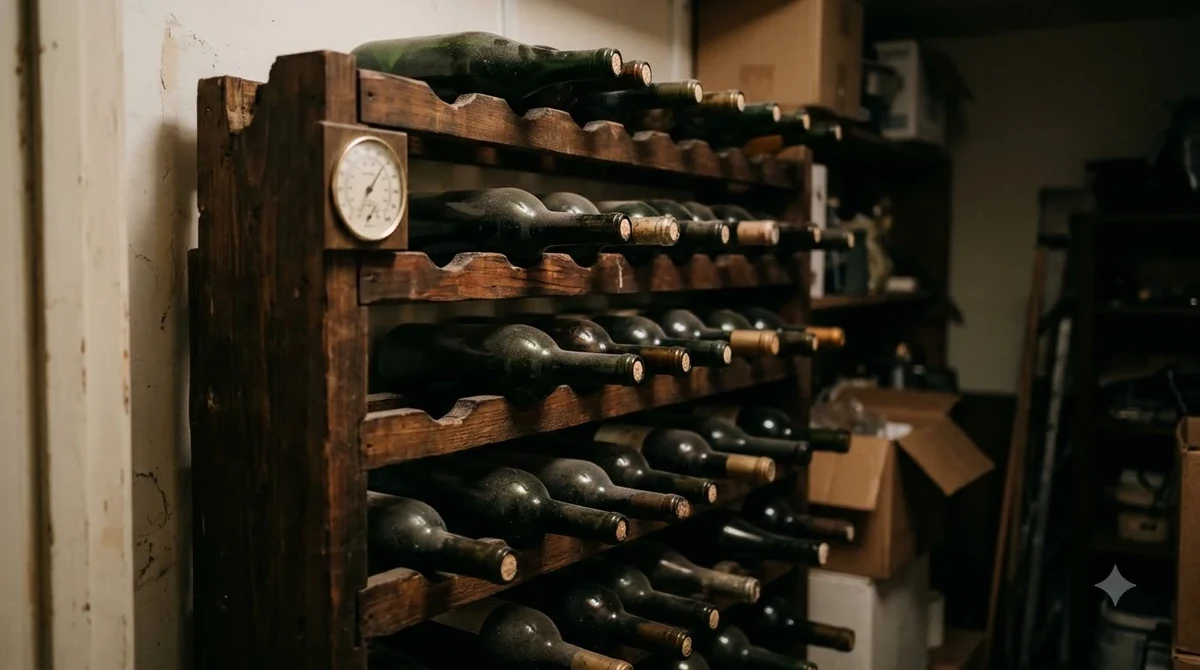
Unlike traditional cork-finished Bordeaux table wines, modern Lillet bottles are sealed with a screw cap closure. Because there is no natural cork that needs to stay moist to prevent drying and air seepage, you should store Lillet standing upright rather than on its side. Upright storage also minimizes the surface area of the wine exposed to the tiny pocket of air inside the neck.
Temperature stability matters far more than extreme cold before the seal is broken. A dark pantry, basement shelf, or interior closet away from ovens, radiators, dishwashers, and sunny windows protects the wine base from premature aging. Fluctuating temperatures cause the liquid to expand and contract, which can gradually stress the cap seal and dull the vibrant fruit character before you ever pour a glass.
While Lillet is aged in French oak barrels from the Tronçais Forest prior to bottling, it is released ready to drink and does not improve with prolonged bottle aging. Keeping a spare bottle on hand for upcoming entertaining works well within that two-year window, provided it stays out of bright light and warm rooms.
Step-by-Step Guide to Storing Opened Lillet
Once opened, Lillet belongs in the coldest part of your refrigerator with its original cap screwed on tightly immediately after pouring. Following a few simple habits preserves its delicate aromatics from the first pour to the last.
The official Lillet guidelines state that an opened bottle should be stored in the fridge and consumed within three weeks to experience its best flavor. Placing the bottle on an interior refrigerator shelf rather than the door keeps it at a steadier chill, since door compartments warm up every time someone reaches for milk or condiments.
Reducing oxygen contact inside the bottle makes a noticeable difference over those three to six weeks. Always reseal the bottle right after measuring your pour instead of leaving it uncapped on the counter while you shake or stir drinks. If you drink Lillet slowly, using a wine vacuum pump stopper or decanting the remaining half-bottle into a smaller clean glass bottle cuts down the empty headspace where oxygen sits.
Tip: Write the date you opened the bottle on a small piece of painter’s tape on the back label so you never have to guess how long it has been sitting in the fridge.
Keep Lillet chilled right up until service as well. Reviewers and classic French service guides note that Lillet tastes best served well-chilled around 43 to 46 degrees Fahrenheit, so pulling the bottle straight from the refrigerator means it is already at ideal serving temperature for pouring over ice with an orange slice.
Shelf Life Comparison: Unopened vs. Opened Lillet
How long Lillet stays fresh depends entirely on whether the seal has been broken and where you keep the bottle. The table below outlines expected timelines and storage conditions across different scenarios.
| Bottle Status | Storage Location | Recommended Window | Expected Flavor Quality |
|---|---|---|---|
| Unopened (factory sealed) | Cool, dark pantry or cellar, upright | Up to 2 years | Peak brightness, crisp citrus, balanced quinine |
| Opened (original screw cap) | Interior refrigerator shelf, upright | 3 weeks (producer) to 4–6 weeks | Fresh floral and orange aromatics; gradual softening after week 3 |
| Opened (vacuum-sealed stopper) | Interior refrigerator shelf, upright | Up to 6–8 weeks | Preserves delicate aromatics longer by limiting headspace oxygen |
| Opened (left at room temperature) | Bar cart or kitchen counter | 1 to 2 weeks | Rapid oxidation; citrus fades into flat, slightly sour notes |
All three core expressions—Lillet Blanc, Lillet Rosé, and Lillet Rouge—share the same 17 percent ABV and 85 percent wine composition, so they follow the same storage clock. While Lillet Rouge draws its deeper color and structure from red Bordeaux grapes like Merlot and Cabernet Sauvignon, its fruit-forward character still relies on cold storage to stay lively.
This timeline mirrors other wine-based and fermented beverages in your home bar. If you have ever researched how to store mead or looked into how to store mulled wine, the same rule applies: lower-ABV fermented bases lose their aromatic nuance rapidly once exposed to warm air, whereas chilling buys you weeks of clean flavor.
Signs Your Lillet Has Gone Bad
Spoiled or heavily oxidized Lillet is not dangerous to sip, but it loses the vibrant citrus and herbal balance that makes cocktails shine. Checking the color, aroma, and taste before mixing a drink saves you from ruining good gin or sparkling wine.
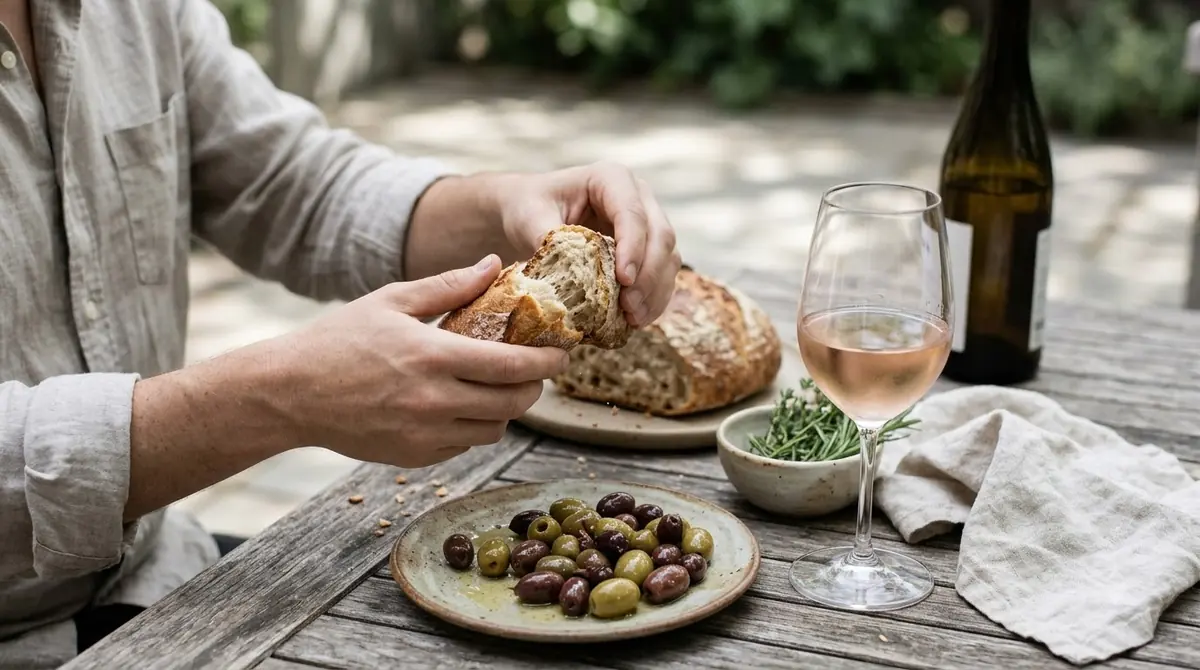
Start by inspecting the appearance of the liquid in a clear glass. Fresh Lillet Blanc has a bright, pale golden hue, while Lillet Rosé shows a clean, luminous pink tone. When oxidation sets in, Lillet Blanc darkens toward a dull amber or brownish tint, and Lillet Rosé takes on a tired, brick-orange cast.
Next, give the glass a quick swirl and sniff before pouring it into a shaker. A fresh bottle smells vividly of sweet orange peel, honey, white flowers, or ripe red berries depending on the expression. Past-its-prime Lillet smells muted, musty, or distinctly sharp like bruised apples and white wine vinegar.
Finally, taste a small drop on its own. Good Lillet balances gentle sweetness with brisk acidity and a clean, mildly bitter finish from cinchona bark. If the liquid tastes flat, overly tart, stale, or harshly bitter without any citrus lift, it has oxidized beyond cocktail quality. Even then, a slightly tired bottle does not always have to go down the drain—just as cooks learn how to store cooking wine for deglazing pans, mildly oxidized Lillet Blanc works well for caramelizing onions or simmering pan sauces where bright aromatics matter less.
Frequently Asked Questions
Does Lillet need to be refrigerated after opening?
Yes, Lillet should always be refrigerated once opened because it is made from 85 percent Bordeaux wine and sits at just 17 percent ABV. Cold temperatures slow down oxidation and keep its citrus, floral, and quinine flavors fresh for three to six weeks.
How long does unopened Lillet last in a cabinet?
An unopened bottle of Lillet lasts up to two years when stored upright in a cool, dark place away from sunlight and heat. Because it uses a screw cap rather than a natural cork, you do not need to lay the bottle on its side.
Can you drink Lillet that has been left out of the fridge for a few months?
Lillet left opened at room temperature for several months is generally safe to taste, though it will likely be heavily oxidized and unpleasant. Check for a darkened brownish color, a vinegary smell, and a flat, sour flavor before deciding whether to pour it out or use a splash in cooking.
Do Lillet Blanc, Lillet Rosé, and Lillet Rouge have different storage rules?
No, Lillet Blanc, Lillet Rosé, and Lillet Rouge all share the same 17 percent ABV and wine-based formula, so they follow identical storage guidelines. Keep every expression upright in a cool, dark spot before opening, and refrigerate all three promptly after breaking the seal.
Treat every bottle of Lillet with the same care you give a crisp bottle of white wine, and your home bar will always be ready for an effortless spritz or Vesper Martini. Store unopened bottles upright out of the sun, move opened bottles straight to the refrigerator, and enjoy them within a month for the brightest French aperitif flavor.
More in Wine Types & Grapes
 Zinfandel Sugar Content: Dry Red vs. White Zinfandel GramsUpdated Nov 21, 2026
 Best Zinfandel Substitute Options for Sipping and CookingUpdated Nov 21, 2026
 Zweigelt Food Pairing: Best Dishes, Cheeses, and Serving TipsUpdated Nov 21, 2026
 Zinfandel Tannins Explained: How Structure Shapes Every BottleUpdated Nov 21, 2026
 Zinfandel Sweetness Level: Dry Red vs. Sweet White Zin ExplainedUpdated Nov 21, 2026
 Xinomavro Food Pairing: Best Dishes, Styles, and Serving TipsUpdated Nov 21, 2026