

We may earn a commission when you buy through links on this page, at no extra cost to you. Learn more.
To understand how to serve gewurztraminer properly, chill the bottle to between 38 and 45 degrees Fahrenheit and pour it into a standard tulip-shaped white wine glass without decanting. Serving it well chilled keeps the grape’s naturally low acidity feeling crisp while focusing its bold lychee, rose petal, and ginger aromas. Most bottles are best enjoyed young within three to five years of the vintage, and an opened bottle will stay fresh in the refrigerator for several days when sealed tightly.
Gewürztraminer is one of the most expressive white wines in the world, famous for an unmistakable perfume that jumps out of the glass before you even take a sip. Because its aromatic compounds are so concentrated and its alcohol levels can run relatively high, small adjustments in temperature and glassware make a noticeable difference in how balanced the wine feels on the palate. Whether you are opening a dry bottle from Alsace or an off-dry style from the Pacific Northwest, getting the service details right ensures the wine tastes vibrant rather than heavy.
What Makes Gewürztraminer Unique
Gewürztraminer is a pink-skinned aromatic white wine grape celebrated for its heady floral bouquet, exotic fruit flavors, and rich, full-bodied texture. Originally traced to the Alpine region of Alto Adige in northern Italy and now closely associated with Alsace in France, the grape is a distinct aromatic mutation of the Savagnin (Traminer) family.
What sets this variety apart in the glass is its unusually high concentration of natural aroma compounds known as terpenes. According to wine educators at Wine Folly, specific terpenes such as linalool create the signature scent of fresh lychee, while geraniol, citronellol, and nerol layer in notes of rose petal, tangerine, grapefruit, and sweet baking spices. Even before the wine hits your tongue, the bouquet gives an impression of sweetness that can surprise drinkers who are expecting a neutral white wine.
Structurally, Gewürztraminer behaves very differently from high-acid whites like Sauvignon Blanc or Riesling. The grape naturally ripens with high sugar levels and moderate-to-low acidity, resulting in wines that commonly reach 13.5 to 15 percent ABV with an oily, velvety mouthfeel and zero tannins. Because of that low acidity and generous body, temperature control is the single most important factor when pouring a glass—too warm, and the alcohol and weight can overwhelm the delicate floral notes.
Ideal Serving Temperature for Every Style
The ideal serving temperature for Gewürztraminer is between 38 and 45 degrees Fahrenheit (4 to 8 degrees Celsius), which corresponds to standard refrigerator temperature or just slightly warmer. Chilling the bottle to this range preserves aromatic freshness and gives the wine’s naturally low acidity a crisp, refreshing lift.
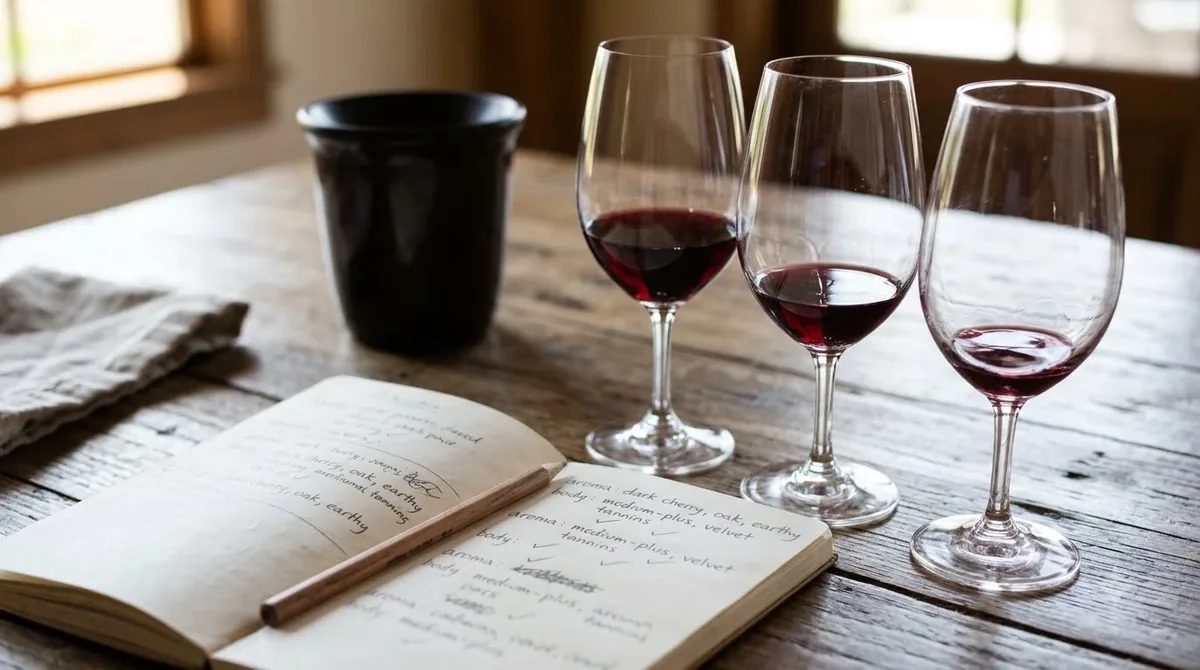
Unlike full-bodied, oak-aged white wines that benefit from warming up toward cellar temperature, Gewürztraminer relies on a thorough chill to keep its lush texture in check. Because many bottlings carry higher alcohol alongside residual sugar or rich glycerol weight, serving the wine near room temperature causes ethanol to evaporate faster, masking the floral perfume and making the finish feel heavy. Keeping the bottle cold sharpens the citrus and ginger notes so the wine feels lively from the first sip to the last.
You can achieve the right chill by placing the bottle in a standard kitchen refrigerator for at least two to three hours before serving. If you are short on time, submerge the bottle in an ice-and-water bath—half ice, half cold water, plus a handful of salt—for about 15 to 20 minutes. If the bottle has been sitting in a very cold refrigerator overnight and feels muted at first pour, simply let it sit in the glass for five to ten minutes; as it warms slightly toward 45 degrees Fahrenheit, the rose and tropical fruit aromatics will bloom.
If you regularly serve crisp aromatic whites, you will find that this temperature window sits slightly cooler than the range recommended when learning how to serve pinot gris, which often benefits from a touch more warmth to show off its orchard fruit texture. For late-harvest dessert bottlings such as Vendanges Tardives, serving near the upper end of the chill range—around 45 to 48 degrees Fahrenheit—allows their honeyed and candied apricot layers to open up without losing structural tension.
Choosing the Best Glassware and Pour Size
A standard tulip-shaped white wine glass is the best choice for serving Gewürztraminer because its tapered rim captures and directs intense floral aromas toward the nose. Avoid oversized red wine bowls, which allow the volatile aromatics to dissipate too quickly, as well as narrow champagne flutes that trap the bouquet.
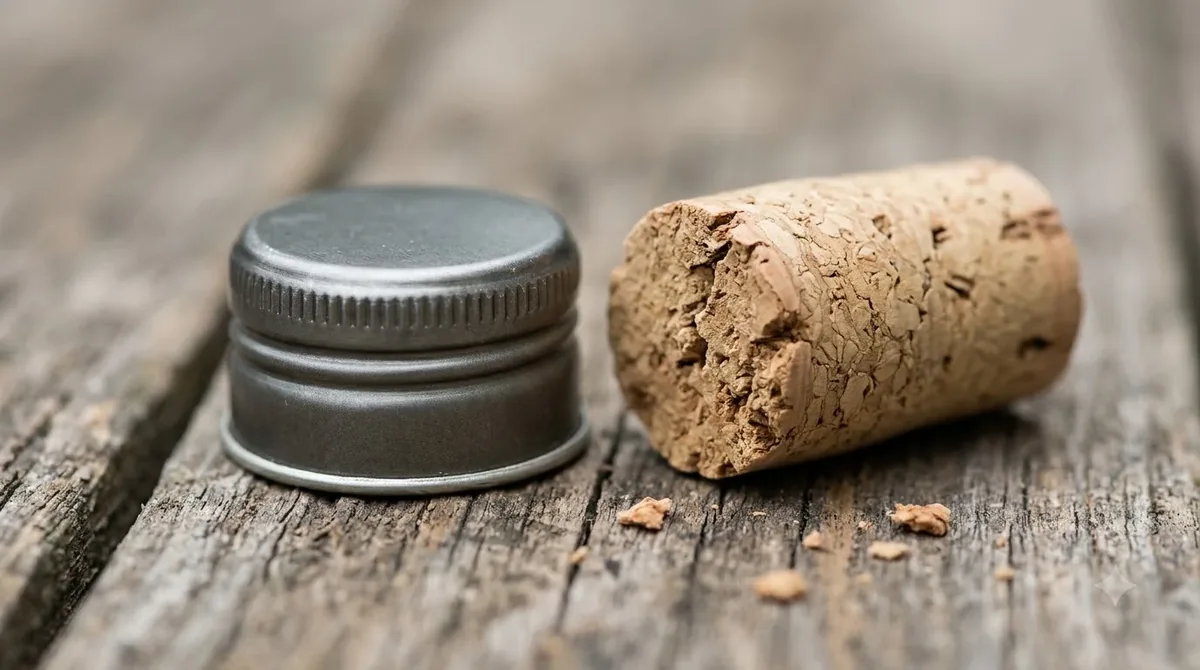
Glass geometry plays a direct role in how you experience an aromatic white wine. A medium-sized white wine glass with a gently curving bowl gives the liquid enough surface area to release its terpene-driven scents of lychee and spice, while the narrower opening concentrates those vapors right under your nose. Always hold the glass by the stem rather than cupping the bowl; body heat transfers through thin crystal quickly and will push the wine past its ideal serving temperature within minutes.
When pouring, aim for a standard three- to five-ounce serving, filling the glass no more than one-third full. Leaving ample headspace inside the bowl lets the bouquet collect above the wine and makes swirling effortless without spilling. If you are stocking a versatile home bar for different Wine by Type, the same classic white wine stemware you use when mastering how to serve pinot grigio will work smoothly here without requiring specialized crystal.
Decanting, Opening, and Storage Basics
Most bottles of Gewürztraminer do not need to be decanted because the wine is already intensely aromatic upon opening and is crafted to be enjoyed young. Simply chill the bottle, remove the closure, and pour directly into your glass to preserve its fresh floral lift.
Exposing a standard dry or off-dry Gewürztraminer to prolonged aeration in a decanter can actually flatten the delicate top notes of rose water and grapefruit that make the grape so captivating. The only exception is a concentrated, age-worthy Grand Cru or late-harvest bottling that has spent several years in the cellar; even then, 20 to 30 minutes of gentle breathing in the glass is usually plenty to soften any tight edges. When opening a bottle sealed with a natural cork, cut the foil beneath the lower lip of the bottle neck to prevent stray drips when pouring at the table.
Before opening, store bottles horizontally in a cool, dark spot away from kitchen heat and direct sunlight—ideally around 50 to 55 degrees Fahrenheit—so the cork stays moist and the aromatics remain intact. While most Gewürztraminer is meant to be opened within three to five years of the harvest date, top Grand Cru and botrytized dessert styles from Alsace can age gracefully for a decade or more, trading fresh tropical fruit for dried apricot, honey, and savory spice.
Tip: If you do not finish the bottle in one sitting, press the cork back in or use an airtight vacuum stopper and place the upright bottle straight back into the refrigerator. Properly sealed, dry and off-dry bottles stay vibrant for three to four days, while sweeter late-harvest styles keep well for up to a week.
Quick Reference Guide to Serving Gewürztraminer
Different styles of Gewürztraminer vary in sweetness, alcohol weight, and ideal table treatment. Use the reference chart below to match your bottle’s style with the right chill time, glassware, and service approach.
| Wine Style | Serving Temp | Fridge Chill Time | Glassware | Decant? |
|---|---|---|---|---|
| Dry Gewürztraminer (Alsace, Alto Adige) | 38–43°F (4–6°C) | 2.5–3 hours | Standard white wine glass | No |
| Off-Dry Gewürztraminer (US, Germany, Alsace) | 40–45°F (5–7°C) | 2–2.5 hours | Standard white wine glass | No |
| Grand Cru Gewürztraminer | 43–46°F (6–8°C) | 1.5–2 hours | Slightly wider white wine glass | Optional (15–20 min in glass) |
| Late Harvest (Vendanges Tardives / SGN) | 45–48°F (7–9°C) | 1.5 hours | Small white or dessert wine glass | Optional (up to 30 min) |
Checking the back label for alcohol percentage and regional origin is the easiest way to gauge where your bottle falls on this spectrum. Lighter, brisker bottlings from high-altitude vineyards in northern Italy shine right out of the refrigerator, whereas richer, higher-alcohol bottles from warmer sites benefit from sitting out for a few minutes after pouring so their layered spice notes can unfold.
Food Pairing Principles at the Table
Gewürztraminer pairs best with richly spiced, aromatic, and savory dishes that match its bold intensity, such as Moroccan tagines, Thai curries, roasted duck, and pungent washed-rind cheeses. Because the wine has low acidity and a lush body, pairing it with dishes featuring warm spices, gentle sweetness, or rich fats creates natural harmony at the table.
As VinePair notes in its varietal guide, Gewürztraminer is one of Alsace’s four noble grapes and shines alongside flavorful global cuisines that overwhelm quieter white wines. Off-dry styles are particularly useful with dishes seasoned with ginger, cumin, turmeric, cinnamon, or mild chili heat; a touch of residual sugar in the wine cools the palate without muting the aromatics of the food. Classic regional pairings from Alsace include washed-rind Munster cheese, onion tart, and rich pork or cured sausages.
At the same time, knowing what to avoid will save you from an awkward match. Extremely acidic dishes—such as sharp vinaigrette salads or raw tomato preparations—can make Gewürztraminer taste flat due to its naturally low acidity, while fiery capsaicin-heavy dishes clash with bottles that sit near 14 or 15 percent alcohol. If you are serving dessert alongside a late-harvest or Sélection de Grains Nobles bottling, ensure the wine is at least as sweet as the dish, pairing it with rosewater baklava, poached pears, or mango sorbet rather than overly sugary chocolate desserts.
Frequently Asked Questions
Should Gewürztraminer be served chilled or at room temperature?
Gewürztraminer should always be served well chilled, ideally between 38 and 45 degrees Fahrenheit. Serving it cold preserves its bright floral aromatics and compensates for the grape’s naturally low acidity. At room temperature, the wine’s higher alcohol content and full body can make it taste heavy and overly perfumed.
Do you need to decant Gewürztraminer before drinking?
No, standard dry and off-dry Gewürztraminer does not require decanting and should be poured straight from the chilled bottle. The grape is naturally packed with aromatic terpenes that express themselves immediately upon opening, and prolonged air exposure can dull its fresh lychee and citrus notes. Only rare, aged Grand Cru or late-harvest bottles benefit from 20 to 30 minutes of gentle aeration in the glass.
What kind of glass is best for Gewürztraminer?
A medium-sized, tulip-shaped white wine glass is ideal because its gently tapered rim funnels the wine’s concentrated rose and spice aromas straight to your nose. Fill the glass no more than one-third full to leave room for swirling, and always hold it by the stem so your hand does not warm the wine.
How long does an opened bottle of Gewürztraminer last?
When tightly recorked or sealed with a vacuum stopper and stored upright in the refrigerator, a dry or off-dry bottle of Gewürztraminer stays fresh for three to four days. Sweeter late-harvest styles contain higher residual sugar that acts as a natural preservative, allowing them to keep well in the fridge for five to seven days.
Mastering how to serve gewurztraminer comes down to respecting its bold aromatics and lush structure with a proper chill, a tulip-shaped white wine glass, and thoughtful table pairings. Keep the bottle cold, pour modest servings so the bouquet stays crisp, and let the wine’s unmistakable lychee and spice character take center stage.
More in Wine Types & Grapes
 Zinfandel Sugar Content: Dry Red vs. White Zinfandel GramsUpdated Nov 21, 2026
 Best Zinfandel Substitute Options for Sipping and CookingUpdated Nov 21, 2026
 Zweigelt Food Pairing: Best Dishes, Cheeses, and Serving TipsUpdated Nov 21, 2026
 Zinfandel Tannins Explained: How Structure Shapes Every BottleUpdated Nov 21, 2026
 Zinfandel Sweetness Level: Dry Red vs. Sweet White Zin ExplainedUpdated Nov 21, 2026
 Xinomavro Food Pairing: Best Dishes, Styles, and Serving TipsUpdated Nov 21, 2026