

We may earn a commission when you buy through links on this page, at no extra cost to you. Learn more.
Here is how to remove sulfites from wine in practice: you cannot fully remove them once the bottle is sealed, and no home method takes them out reliably. Sulfites are added by winemakers as a preservative, and some are formed naturally during fermentation. The practical way to get less sulfite is to choose the wine rather than treat it afterward, since white wines, sweeter wines, and certified organic wines generally contain less.
If you have read the label on a bottle and wondered whether anything can be done about the sulfites inside, you are not alone. The short answer is that the wine you pour is the wine that was bottled, and the sulfites in it stay put. This guide explains where sulfites come from, what home steps do and do not change, and how to shop for wines with lower levels from the start.
Why wine contains sulfites
Sulfites occur naturally in all wines to some extent, because yeast produces small amounts of sulfur compounds during fermentation. Winemakers also add sulfites on purpose. They are used to stop fermentation at a chosen point, and they act as preservatives at several stages of winemaking to prevent spoilage and oxidation.
The main compound added is sulfur dioxide, often written SO2, and the general background on how sulfites are used in winemaking is covered in the Wikipedia article on sulfites. It protects wine from oxidation, which is the browning and flat, stale flavor that develops when air reaches the liquid, and it helps guard against bacteria that can sour a wine. In practice, sulfur dioxide is the reason a bottle can stay drinkable for months or years after it leaves the winery.
Can you remove sulfites after the wine is bottled?
Home methods have one clear limit: sulfites are part of the wine’s chemistry, not a loose layer sitting on top. Once a bottle is sealed, there is no standard kitchen step that pulls them out in a measurable way, and no reputable source describes a reliable home filter for this purpose.
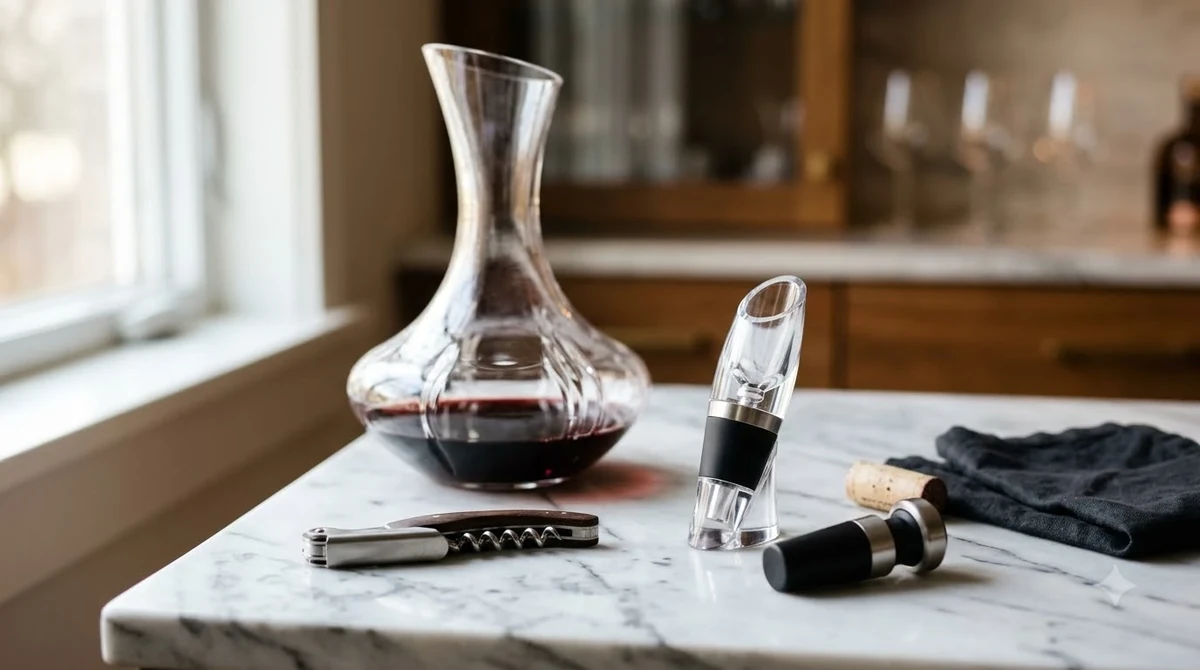
Some people decant wine or let it sit in a glass before drinking. This can let some of the sharp, sulfur-like smell escape, because the more volatile sulfur dioxide evaporates into the air. That changes how the wine smells and tastes at the glass, but it does not reduce the total sulfite content that was measured on the label and in the bottle. Treat aeration as a way to soften aromas, not as a sulfite-removal step.
Cooking with wine works differently. Heat drives off some of the volatile sulfur dioxide, so a sauce simmered for a while will have less than the glass poured from the bottle. That is a side effect of cooking, not a way to make a bottle lower in sulfites before you open it.
Which wines have fewer sulfites
The most useful way to lower your intake is to pick wines that naturally carry less added sulfur dioxide. Winemaking choices and the wine’s own sugar level both matter, and the pattern is fairly consistent across styles.
White wines generally contain more sulfites than red wines. Sweeter wines also contain more than drier ones, because sugar gives yeast and the wine a different chemistry that often calls for extra protection. Certified organic wines are not automatically sulfite-free, but they generally have lower levels, and the rules for organic wine set lower maximum sulfite levels than the standard rules for conventional wine.
Wines that are sold as “no added sulfites” are another option. Read the label closely, because a wine can say no sulfites added while still containing sulfites that formed during fermentation. Those levels are usually small, but they are not zero.
It also helps to understand why the sulfite content differs from bottle to bottle. The amount added depends on the winemaker’s goals for the wine. A wine meant to be cellared for years usually needs more protection than one meant to be opened within a few months, and a producer working with fruit that arrives in good condition may need to add less than one dealing with damaged or oxidized grapes. None of this is visible on the front label, which is why the back label and the producer’s own material are often the most useful places to check.
Older bottles can also taste different than younger ones even when the sulfite content was the same at bottling. As a wine ages, the free sulfur dioxide that was present at the start is gradually bound up with other compounds in the liquid, so the sharp smell that some people notice in a young bottle often softens over time. That does not mean the wine has lost its protection, and it does not mean the bottle is safer to drink, but it does mean that a bottle’s aroma is not a reliable guide to how much sulfur it contains.
| Wine type | Typical sulfite level | What to look for on the label |
|---|---|---|
| Dry red wine | Generally lower than white | Standard label, check for organic certification |
| Dry white wine | Generally higher than red | “Organic” or “no added sulfites” if you want less |
| Sweet white wine | Generally the highest of the group | Expect more sulfur dioxide than in dry styles |
| Certified organic wine | Lower maximum allowed levels | Organic certification on the label |
Tip: “Organic” and “no added sulfites” are not the same claim. Check both the front and the back label, and look for the certification seal if that is what you want.
How to shop for lower-sulfite wine
Start with the label. Organic certification tells you the wine met stricter sulfite limits, while the phrase “no added sulfites” tells you what the producer did during winemaking. Both are worth reading, and neither guarantees a wine with no sulfites at all.
If you are unsure which style to try, a dry red made under organic rules is usually the easiest place to start, since red wines begin with lower levels than whites. You can also compare producers directly, because the same grape can be made with very different amounts of added sulfur depending on the winery. For more background on the basics of wine, the Wine Q&A section covers how wines are made and labeled.
The official source for sulfite rules on a given wine is the label itself and the producer’s technical information. If a winery publishes its sulfite approach, that is the most direct answer for a specific bottle.
Frequently Asked Questions
Does decanting remove sulfites from wine?
Decanting does not remove sulfites in any meaningful way. It can let some of the more volatile sulfur smell escape, which changes the aroma, but the wine’s total sulfite content stays about the same.
Do sulfite-removing wands or pads work?
There is no reliable evidence from the sources reviewed for this guide that these products remove sulfites from a finished bottle. Treat any such claim with caution and rely on label choices instead.
Which has more sulfites, red or white wine?
White wines generally contain more sulfites than red wines. Sweeter wines also tend to contain more than drier ones, so a sweet white is usually the highest of the common styles.
Does cooking with wine reduce sulfites?
Heat drives off some of the volatile sulfur dioxide, so a long simmer leaves less than the wine had in the bottle. Cooking reduces the amount, but it is a side effect of heat rather than a removal method you can plan around.
Sulfites are part of how wine is made and kept, so the most practical approach is to choose the bottle rather than try to strip the sulfites out of it. Read the label, compare organic and “no added sulfites” options, and use the wine key guide if you are looking for simple tools to open the bottle you pick.
More in Wine Basics
 Which Rose Is Best for Your Taste, Budget, and Food PairingsUpdated Nov 21, 2026
 Is Cheap Wine Bad? How to Find Bottles Worth DrinkingUpdated Nov 21, 2026
 What To Write On A Wine Gift Tag: Thoughtful Messages For Every OccasionUpdated Nov 21, 2026
 Which Wine Is Best For Weight Loss? Compare Lower-Calorie ChoicesUpdated Nov 21, 2026
 What Is The Best Wine For Mimosas? Choose Bubbly That Balances Orange JuiceUpdated Nov 20, 2026
 Which Prosecco Is Best for Your Taste and OccasionUpdated Nov 20, 2026