

We may earn a commission when you buy through links on this page, at no extra cost to you. Learn more.
How much wine for a party of 50 depends on the event length and the number of wine drinkers, but 30 standard bottles is a practical starting point for a three-hour gathering. That equals two and a half cases of 750 ml bottles and provides approximately 150 standard 5-ounce glasses. For a shorter party with beer and cocktails available, 15–20 bottles may be sufficient, while a longer wine-focused celebration can require 40 bottles or more.
Planning wine for 50 people is easier when you calculate servings instead of guessing how many bottles to purchase. A standard bottle provides approximately five glasses, making it straightforward to prepare a shopping list for birthdays, dinner parties, holiday gatherings, and wedding receptions. The important factors are the number of guests who actually drink wine, the length of the event, the food being served, and whether other beverages are available. The following calculations provide a practical way to estimate the quantity without buying considerably more than necessary.
How Many Bottles of Wine Do 50 Guests Need?
For a typical three-hour party, plan approximately 30 standard bottles if all 50 guests drink wine and average three 5-ounce glasses each. This provides 150 servings, equivalent to two and a half cases of wine.
The calculation starts with a standard 750 ml bottle, which contains approximately 25.4 US fluid ounces. Dividing that volume into 5-ounce servings gives approximately five glasses per bottle. Multiply the number of wine-drinking guests by the planned glasses per person, then divide the result by five.
For 50 guests, the basic calculation looks like this:
- One glass per person: 50 glasses, requiring 10 bottles.
- Two glasses per person: 100 glasses, requiring 20 bottles.
- Three glasses per person: 150 glasses, requiring 30 bottles.
- Four glasses per person: 200 glasses, requiring 40 bottles.
- Five glasses per person: 250 glasses, requiring 50 bottles.
These quantities assume all 50 guests drink wine. If some attendees prefer beer, cocktails, sparkling water, soda, or other beverages, calculate the wine requirement using the smaller number of people who actually want wine.
For example, if 40 of the 50 guests plan to drink wine and you expect two glasses per person, you need 80 glasses. Dividing 80 by five gives 16 bottles. This is more useful than automatically purchasing 20 bottles for the entire guest list.
There is also a difference between a purchasing estimate and a prediction of what everyone will consume. Some guests may have one glass, while others may prefer another beverage. Your goal is to make enough wine available for the expected demand, not to assume that every attendee will drink the same amount.
A useful formula is:
Number of bottles = (wine-drinking guests × planned glasses per guest) ÷ 5.
For example, 45 wine drinkers receiving three glasses each need 135 servings. Dividing 135 by five gives 27 bottles. Round up whenever the calculation produces a fraction, and consider a modest reserve if attendance or serving sizes are uncertain.
Calculate Wine Quantities by Party Length
The duration of the event is one of the biggest factors in determining how much wine to buy. A two-hour birthday gathering requires considerably less wine than a four-hour evening reception with wine available throughout the event.
A practical planning approach is approximately one 5-ounce glass per wine-drinking guest per hour. Using that estimate, a party of 50 people needs 10 bottles for each hour of service if every attendee drinks wine. The following figures assume all 50 guests participate and use standard 750 ml bottles.
| Party Length | Glasses per Guest | Total Glasses | Bottles Needed | Cases to Buy |
|---|---|---|---|---|
| 1 hour | 1 | 50 | 10 | 1 case |
| 2 hours | 2 | 100 | 20 | 2 cases |
| 3 hours | 3 | 150 | 30 | 3 cases |
| 4 hours | 4 | 200 | 40 | 4 cases |
| 5 hours | 5 | 250 | 50 | 5 cases |
One case contains 12 bottles, so the figures in the final column are rounded up to whole cases. For example, a two-hour event requires 20 bottles, meaning you would purchase two cases containing 24 bottles if buying full cases. The additional four bottles provide flexibility if the guest count changes or pours are larger than expected.
These are planning scenarios, not mandatory consumption rates. A daytime reception with food, coffee, and plenty of nonalcoholic drinks may need less wine than the table suggests. A wine-focused dinner may need a different allocation depending on the menu, the number of courses, and how long guests remain at the table.
For a more conservative estimate, count the guests who actually drink wine and calculate their planned servings separately. You can then add a modest reserve rather than automatically purchasing the full quantity for every attendee.
Another useful distinction is the difference between the total party duration and the actual wine service period. A five-hour celebration might include a one-hour welcome reception, a long meal, and several hours of dancing. Wine consumption may be concentrated around the welcome reception and dinner rather than spread evenly across all five hours.
Tip: For a three-hour party with 50 guests, use 30 bottles as your starting calculation. If only 40 guests drink wine, three glasses each require 120 servings, or 24 bottles. Adjust the quantity before ordering rather than relying on the total attendance figure alone.
Adjust the Bottle Count for Different Types of Parties
Not every gathering needs the same wine allocation. A casual birthday party, a seated dinner, and a wedding reception have different serving patterns, beverage options, and lengths of service.
Casual birthday parties and cocktail gatherings: If wine is one of several beverage choices, approximately two glasses per wine-drinking guest can be a useful initial estimate. For 50 guests, that equals 100 glasses, or 20 bottles. If beer, cocktails, and nonalcoholic drinks are also available, the wine requirement may be lower.
Seated dinner parties: A meal often involves wine served alongside appetizers and the main course. A starting estimate of half a bottle per wine-drinking guest provides approximately two and a half glasses. For 50 wine drinkers, that works out to 25 bottles. A longer dinner with several courses may require a different allocation.
Wedding receptions: Weddings often involve a cocktail hour, dinner service, speeches, and dancing. A three- or four-hour reception can therefore need more wine than a short birthday gathering. If wine is the principal alcoholic beverage, 30–40 bottles provide a useful starting range for 50 guests, depending on the planned servings and event length.
For a larger celebration, see our guide to how much wine for a wedding. It explains how to adjust quantities for a reception and a larger guest list.
Holiday gatherings: Thanksgiving, Christmas, and other family celebrations often include guests who prefer different beverages. A selection of red, white, and sparkling wine can work well, but the quantity should reflect the actual wine-drinking group. A lunch that finishes in the afternoon generally needs a different allocation from a long evening celebration.
Corporate events: Business receptions frequently offer a full bar, including beer, wine, spirits, and nonalcoholic alternatives. Wine therefore represents only part of the beverage selection. Start with the number of attendees likely to choose wine and coordinate the final quantity with the catering team.
When beer and cocktails are also available, a reduction of approximately 25% from a wine-focused estimate can serve as an initial planning adjustment. For example, reducing a 30-bottle estimate by 25% produces 22.5 bottles, which can be rounded up to 23. This is only a starting point: the actual preference of the group matters more than a fixed percentage.
For a comparison with a larger gathering, our article on how much wine for 100 guests provides another useful guest-count reference.
Choose the Right Mix of Red, White, Rosé, and Sparkling Wine
Once you know the total number of bottles, divide the selection according to the menu, season, and guest preferences. For an unfamiliar group, a balanced assortment of red, white, and rosé gives guests several choices without creating an unnecessarily complicated wine station.
For a 30-bottle selection, one possible starting allocation is:
- 12 bottles of red wine.
- 12 bottles of white wine.
- 6 bottles of rosé wine.
This 40% red, 40% white, and 20% rosé arrangement provides variety for a mixed gathering. It is a suggested shopping mix rather than a fixed rule. If you know that most guests prefer red wine, adjust the quantities accordingly. A winter dinner may call for more red wine, while an outdoor summer reception may need more white and rosé.
Red wine selections
For red wine, choose approachable bottles that work with several dishes. Pinot Noir is a flexible option because it generally has relatively low-to-medium tannin and refreshing acidity. It pairs well with poultry, mushrooms, roasted vegetables, and lighter meat dishes.
Merlot offers a softer, medium-tannin alternative that works with pasta, roast chicken, and savory appetizers. For guests who prefer fuller-bodied reds, Cabernet Sauvignon and Syrah provide more structure and stronger tannin. These styles are particularly suitable for grilled beef, lamb, and hearty meals.
A practical selection for 50 guests might include Pinot Noir and Merlot as the main red options, with a smaller number of Cabernet Sauvignon bottles for guests who prefer more powerful wines. If the menu includes oily fish, prioritize white wine or a lighter, less tannic red rather than relying on heavily structured Cabernet Sauvignon.
White wine selections
White wines should cover both crisp and fuller styles. Sauvignon Blanc offers high acidity and fresh citrus characteristics that work well with seafood, salads, goat cheese, and vegetable appetizers. Dry Riesling is another useful option, particularly for dishes containing herbs, citrus, or a little spice.
Chardonnay provides a fuller alternative. Its medium acidity and varied styles make it suitable for roasted chicken, creamy pasta, and richer appetizers. An unoaked or lightly oaked Chardonnay can be especially versatile for a mixed gathering.
If the menu includes strongly acidic foods such as vinaigrette-dressed salads or citrus-based seafood, choose a wine with comparable or higher acidity. A crisp Sauvignon Blanc or Riesling is often a better match than a soft, low-acidity white.
Rosé and sparkling wine
Dry rosé is a practical choice for outdoor parties, summer lunches, and informal celebrations. It works with grilled vegetables, seafood, chicken, and many appetizers. Keep it chilled before guests arrive so it is ready for service.
Sparkling wine can be served as a welcome drink or reserved for a special toast. Prosecco, Cava, and Champagne are recognizable options, although their production methods differ. Prosecco is made primarily from Glera grapes using the tank method, while Champagne and Cava undergo their second fermentation in the bottle.
If you plan a sparkling toast for all 50 guests, smaller 3-ounce pours provide approximately eight servings per standard bottle. You therefore need seven bottles to provide 50 toast portions, with a small amount left over. This is separate from the regular wine allocation if sparkling wine is also served throughout dinner.
For a sparkling selection, sweetness matters too. Brut Nature and Extra Brut are among the driest styles, followed by Brut, Extra Dry, Dry, Demi-Sec, and Doux. Extra Dry is actually sweeter than Brut, despite what the name might suggest. A Brut sparkling wine is a versatile starting choice for a mixed group.
Plan Serving Sizes, Glassware, and Wine Storage
Correct serving sizes make the bottle calculation more reliable, while suitable glassware and storage help maintain wine quality throughout the event. For 50 guests, preparation is especially important because opening bottles and finding clean glasses can become difficult once everyone arrives.
A standard 750 ml bottle provides five 5-ounce glasses. However, the number changes with the size of the pour. Larger servings reduce the number of glasses available, while smaller pours allow more guests to try different wines.
For example, if a bottle is poured into four generous 6-ounce glasses rather than five standard 5-ounce glasses, the same 30 bottles provide 120 servings instead of 150. That difference can affect the entire shopping list for a large party.
Glassware also deserves attention. For a gathering of 50 people, having approximately two glasses per guest can reduce the need for constant washing or collecting glasses. That means planning for around 100 glasses, although the exact number depends on whether staff clear and wash glassware during the event.
Choose all-purpose wine glasses if you do not want to rent several different shapes. A simple stemmed glass can accommodate both red and white wine, while smaller sparkling glasses can be used for a toast. Make sure the glassware is clean, dry, and ready before the first bottles are opened.
Serve wine at suitable temperatures
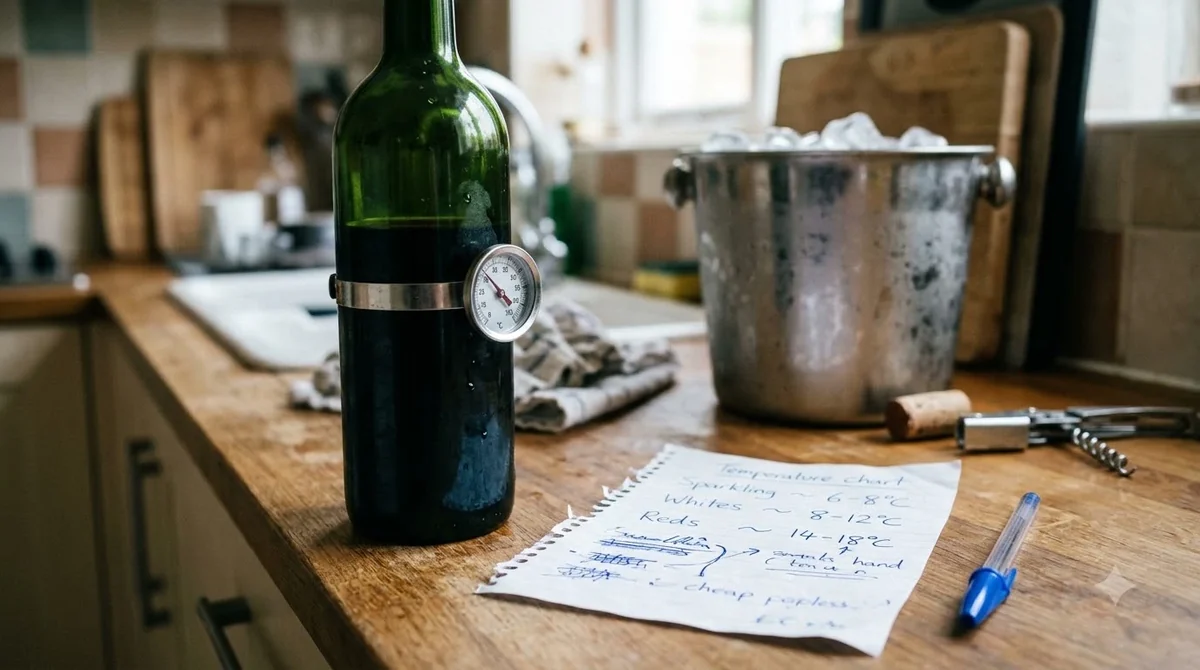
Wine temperature affects its aromas and overall balance. Keep sparkling wine and light whites properly chilled, and avoid serving full-bodied reds at excessively warm room temperature.
- Sparkling wine: 40–50°F.
- Light white wine and rosé: 45–50°F.
- Full-bodied white wine: 50–55°F.
- Light red wine: 55–60°F.
- Full-bodied red wine: 60–65°F.
- Sweet white wine: 43–50°F.
For an outdoor party, use insulated coolers or ice buckets to keep white and sparkling wines chilled. Keep bottles away from direct sunlight and avoid leaving them in a hot vehicle or near outdoor cooking equipment.
Store and open bottles carefully
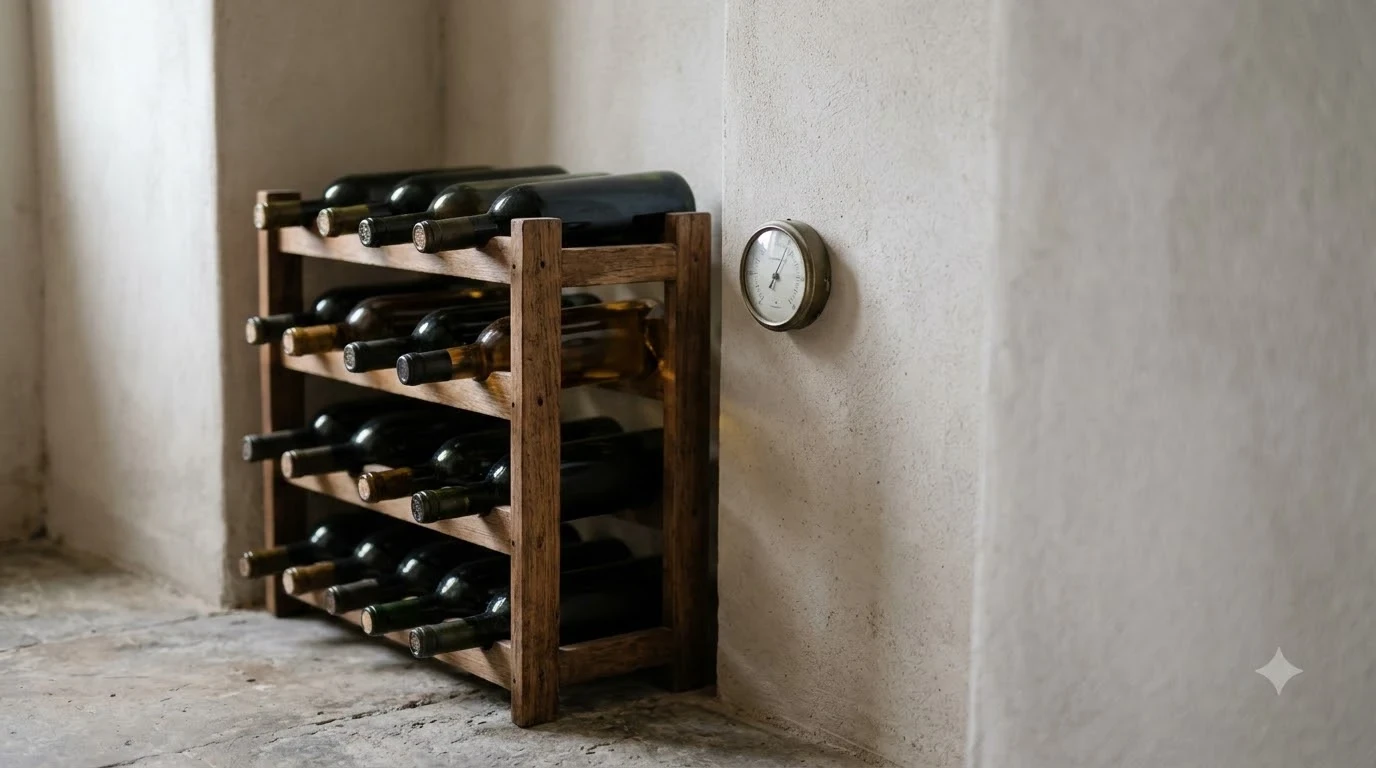
Keep unopened bottles in a cool, dark place, ideally around 55°F. Bottles with traditional cork closures are generally best stored on their sides to keep the cork from drying out.
Do not open every bottle before the party begins. Start with a few bottles of each style and replenish the wine station as needed. This makes it easier to preserve unopened wine and prevents unnecessary waste.
Young, full-bodied red wines such as Cabernet Sauvignon and Syrah can benefit from 30–60 minutes of decanting before serving. Lighter reds and most fresh white wines generally do not need the same preparation.
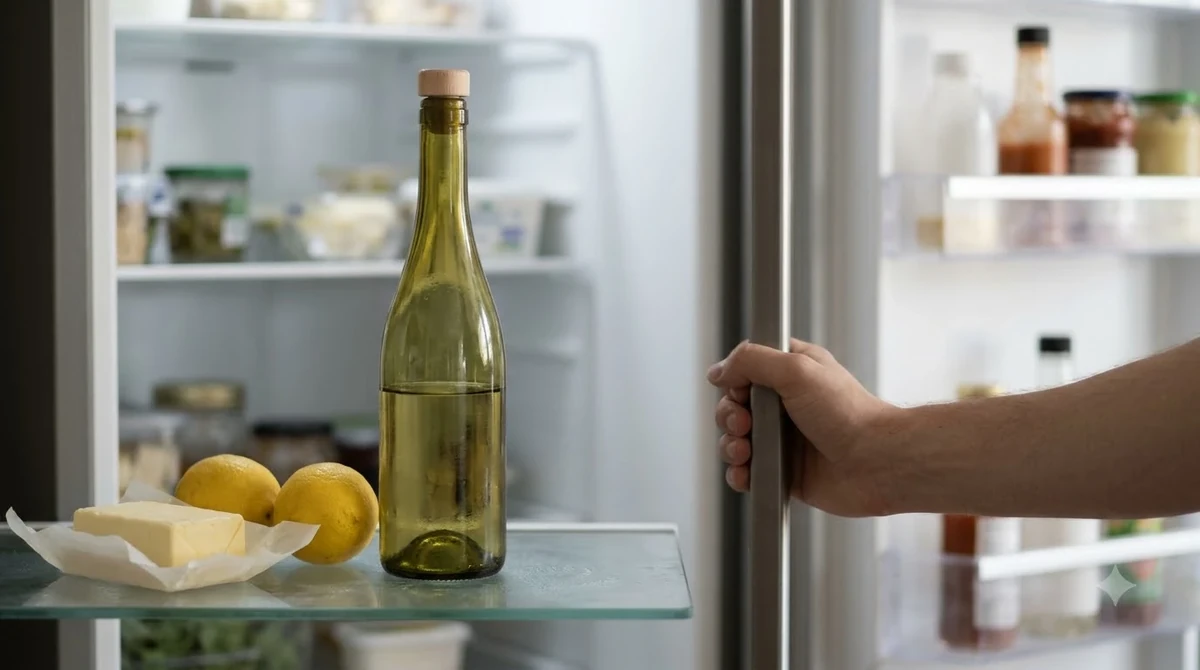
If wine remains after the event, reseal opened bottles and store them in the refrigerator. Sparkling wine generally keeps for one to three days, while opened still wines usually remain suitable for approximately three to five days under proper refrigeration. Fortified wines can last several weeks after opening, depending on their style and storage conditions.
Organize the Shopping List and Avoid Running Out
A good shopping list should include the total bottle count, the preferred wine styles, the number of cases, and a reasonable reserve. Organizing these details before the event makes purchasing and serving much easier.
For a three-hour party with 50 guests, a 30-bottle starting selection could be organized as follows:
- 6 bottles of Pinot Noir.
- 6 bottles of Merlot or Cabernet Sauvignon.
- 6 bottles of Sauvignon Blanc.
- 6 bottles of Chardonnay.
- 6 bottles of dry rosé.
This gives guests a choice between lighter and fuller reds, crisp and richer whites, and rosé. If you want sparkling wine for a toast, purchase those bottles separately or replace part of the regular wine selection according to your serving plan.
Remember that 30 bottles equal two and a half cases. If the supplier sells only full cases, you may need to purchase three cases, giving you 36 bottles. That is a useful reserve for a party where the guest count or wine preferences are uncertain.
Before ordering, confirm the number of wine drinkers. If 10 of the 50 attendees prefer beer or nonalcoholic drinks, the original 30-bottle estimate may be unnecessarily high. Likewise, if the party is expected to last four hours instead of three, adjust the quantity to match the longer service period.
It is also useful to confirm whether the venue allows outside wine and charges a corkage fee. If you are bringing your own bottles, read our explanation of how much is corkage fee before finalizing the beverage arrangements.
For more hosting guidance, Coravin’s wine hosting guide discusses bottle planning, wine selection, serving temperatures, and practical preparation for gatherings.
Finally, keep unopened bottles separate from the serving station. Label the wines, organize the chilled bottles, and designate someone to replenish the selection. A simple serving plan helps the host spend more time with guests and less time managing the beverage table.
Frequently Asked Questions
How many glasses of wine are in a magnum bottle?
A standard magnum contains 1.5 liters, which is twice the volume of a regular 750 ml bottle. At five ounces per pour, it provides approximately 10 glasses. Magnum bottles are often useful for large gatherings because fewer individual bottles need to be opened and managed.
How many bottles of wine are in a half case?
A half case normally contains six standard 750 ml bottles. At five servings per bottle, that provides approximately 30 glasses. A half case is therefore enough for 15 guests receiving two standard glasses each.
Can I return unopened wine after a party?
Return policies depend on the retailer, local regulations, and the original purchase conditions. Some wine shops accept eligible unopened bottles, while others offer exchanges or store credit instead. Confirm the policy before purchasing so you know whether unused bottles can be returned.
How many bottles should I buy if some guests do not drink alcohol?
Base the calculation on the number of people who actually want wine rather than the entire attendance figure. For example, if 35 of 50 guests choose wine and each is allocated two glasses, the calculation is 70 divided by five, or 14 bottles. Provide appealing alcohol-free alternatives for everyone else.
How many bottles of wine should I chill before guests arrive?
Chill the sparkling and white wines you expect to serve during the first part of the event, rather than placing the entire inventory in the refrigerator. For 50 guests, a small initial selection of six to eight chilled bottles can be a practical starting point, depending on the menu and beverage preferences. Keep additional bottles refrigerated or in an ice-filled cooler so they are ready when needed.
For a party of 50, 30 bottles is a practical starting point for a three-hour gathering where wine is a main beverage, while 20 bottles may be sufficient for a shorter, mixed-drink event. Adjust the calculation for the number of wine drinkers, the length of the celebration, and the serving size. With a balanced selection and a little preparation, you can provide enough variety without opening more wine than the occasion requires.
More in Wine Basics
 Which Rose Is Best for Your Taste, Budget, and Food PairingsUpdated Nov 21, 2026
 Is Cheap Wine Bad? How to Find Bottles Worth DrinkingUpdated Nov 21, 2026
 What To Write On A Wine Gift Tag: Thoughtful Messages For Every OccasionUpdated Nov 21, 2026
 Which Wine Is Best For Weight Loss? Compare Lower-Calorie ChoicesUpdated Nov 21, 2026
 What Is The Best Wine For Mimosas? Choose Bubbly That Balances Orange JuiceUpdated Nov 20, 2026
 Which Prosecco Is Best for Your Taste and OccasionUpdated Nov 20, 2026