

We may earn a commission when you buy through links on this page, at no extra cost to you. Learn more.
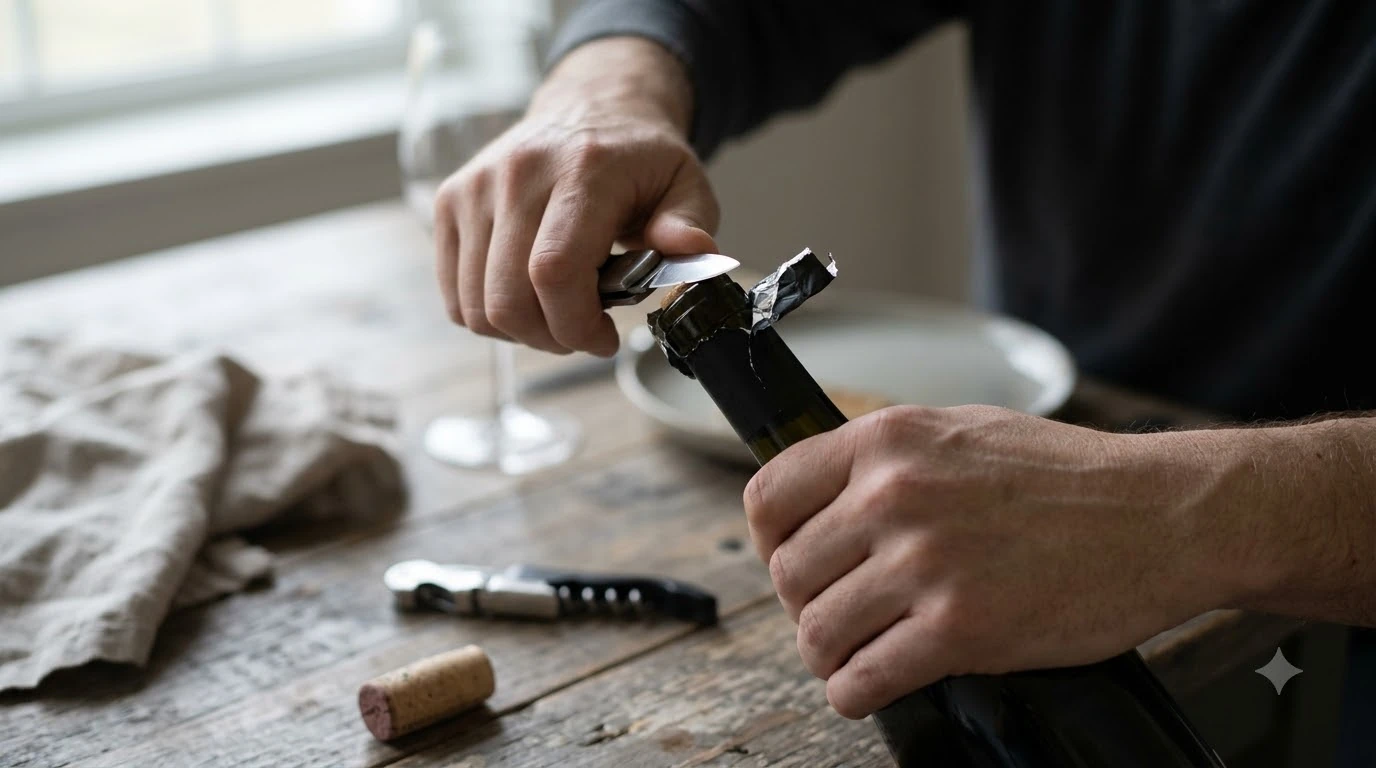
The answer to how long does sangria last unopened is product-specific: one commercial producer specifies 18 months from production for its pasteurized 750 mL bottle, but other brands can have different shelf lives. For a factory-sealed bottle, use the producer’s stated date or storage guidance as the main reference and keep the bottle cool and out of direct light. Homemade sangria containing cut fruit is a different product; sealing it in a pitcher does not give it the long storage life of a commercially processed bottle.
Sangria is usually a wine-based drink with fruit, juice, and sometimes brandy or another spirit. Those ingredients, along with the producer’s filtration or pasteurization process and the type of closure, make a meaningful difference to its shelf life.
Commercial Bottles: The Best-Quality Window
Commercially bottled sangria can remain in good condition for many months when the product is designed for room-temperature storage and the seal stays intact. A manufacturer’s specification for one 750 mL sangria gives it a total shelf life of 18 months from its production date, which is a concrete example rather than a rule for every brand.
That specification is especially useful because it describes the product rather than wine in general. Juice & World’s sangria specification lists alcoholic sangria at 8% alcohol by volume, says its process includes tunnel pasteurization, and states that the product has no added preservatives. Despite that combination, its stated unopened shelf life is 18 months, not an indefinite period. The same document says to refrigerate the bottle after opening and consume it within four days.
Other manufacturers give different instructions for their own recipes and formats. Pasmosa, for example, identifies its sangria as 12% alcohol by volume and sells it in 250 mL cans, 750 mL bottles, and 5-liter bag-in-box packages. Its guidance for opened products differs by size: a 750 mL bottle is best enjoyed within three days, while a small 250 mL serving is intended to be enjoyed right away. These are after-opening recommendations, not an unopened shelf-life claim, but they show why one generic number cannot cover every sangria.
| Product or situation | Published time or guidance | How to use the figure |
|---|---|---|
| Juice & World bottled sangria | 18 months from production | Specific unopened shelf-life example for that producer’s product |
| Juice & World after opening | Refrigerate; consume within 4 days | Producer guidance for its opened bottle |
| Pasmosa 750 mL bottle after opening | Best enjoyed within 3 days | Brand guidance for flavor after opening |
| Homemade white sangria | Make up to 1 day ahead; refrigerate | Recipe guidance for a fresh-fruit pitcher, not a commercial bottle |
For an ordinary shop-bought bottle, start with the date, batch information, and storage directions printed by its maker. If the bottle has no clear date, use the lot code to ask the producer for its production date and recommended shelf life rather than assigning it a universal two-year period. The same caution applies to wines sold in other formats: how long does boxed wine last unopened is not automatically the same question as the shelf life of a sealed glass bottle of sangria.
Tip: Treat 18 months as a real manufacturer example, not a promise for every sangria. When a producer gives a shorter date or a refrigeration instruction, follow that product’s direction instead of extending it by comparison with another brand.
Why Sangria’s Shelf Life Varies
Sangria is a category of mixed wine drinks, not one standardized recipe with one alcohol level or preservation method. Its shelf life depends on the fruit and juice ingredients, alcohol content, acidity, processing, packaging, and the temperatures it experiences during storage and transport.
The differences are visible in published product information. Juice & World describes a range that includes nonalcoholic sangria and alcoholic versions at 8% ABV, with tunnel pasteurization and no added preservatives. Pasmosa lists a 12% ABV product and multiple package sizes. Neither producer’s details should be transferred to another brand; they illustrate how far two commercial sangrias can differ before a bottle even reaches a pantry.
The European Food Safety Authority explains that food shelf life has to be evaluated case by case. Its guidance points to product characteristics such as pH and water activity, external factors such as temperature and atmosphere, and the processing and handling used before the product is sold. That framework explains why alcohol percentage by itself cannot tell you whether a bottle will remain at peak quality for 12 months, 18 months, or longer.
Fresh fruit also makes a major distinction. A commercial producer may use filtered juice, concentrates, controlled processing, and sealed packaging; a home recipe commonly combines wine with sliced apples, oranges, peaches, citrus juice, and liqueur. In the latter, fruit texture and fresh aromas change even while the liquid remains covered. This is why Wine by Type is a useful starting point for comparing wine styles, but the shelf-life advice for plain red wine should not be copied straight onto a fruit-based cocktail. The comparison with how long Cabernet Sauvignon lasts unopened is useful precisely because a cellar-minded red wine and a ready-to-drink fruit blend are different products.
Store Unopened Bottles Away from Heat and Light
For a commercially packaged sangria that is sold as shelf-stable, a cool, dark storage place is the sensible default unless the producer specifically says to refrigerate it. Heat and strong light can shorten the period in which the wine-based drink keeps its intended color, aroma, and flavor, even if the closure has never been removed.
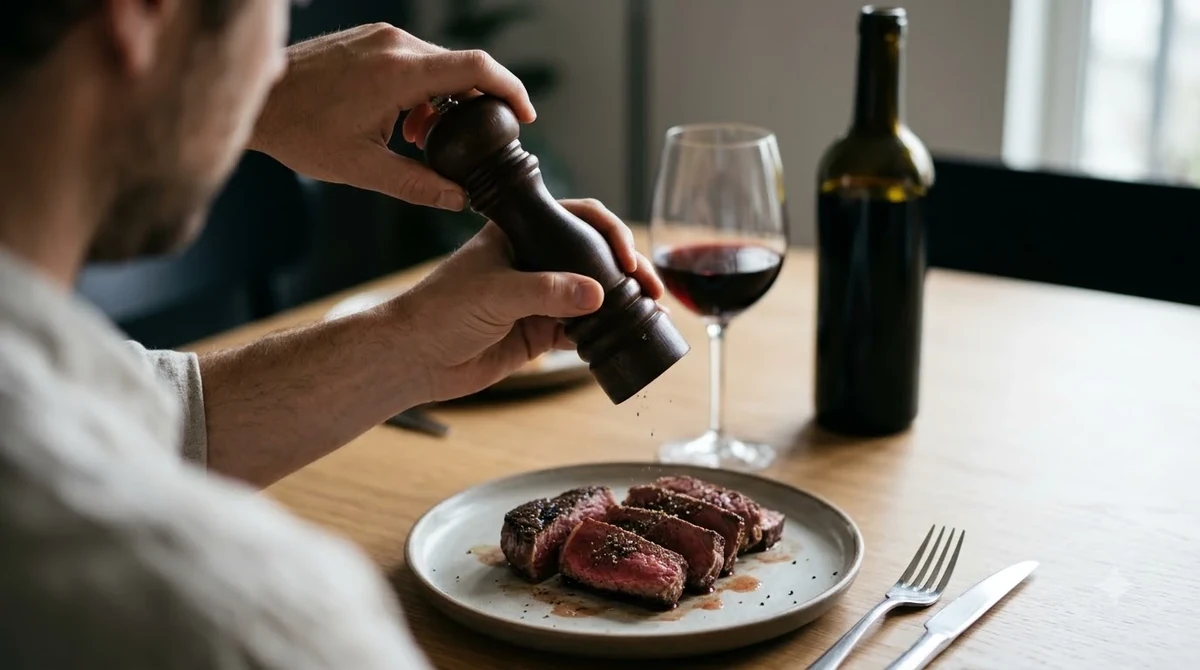
Wine Enthusiast’s storage guidance identifies about 55°F as a useful target for wine storage and emphasizes keeping bottles away from sunlight and heat sources. A steady temperature matters more than repeatedly moving the bottle between warm and cold areas. A shaded pantry or interior cupboard is usually more suitable than a sunny kitchen window, a shelf above an oven, or a hot garage that changes temperature sharply through the day.
Closure type affects bottle position. If the sangria has a natural cork, store it on its side so the cork remains in contact with the liquid; this is the same principle used for cork-finished wine bottles. A screw-cap bottle can generally stand upright.
Refrigeration is useful for chilling a shelf-stable bottle before serving, but a household refrigerator is colder and drier than a traditional wine-storage environment. It is suitable for short-term chilling; it does not need to be the permanent home for every unopened bottle unless the label says “keep refrigerated.” If you are stocking several bottles for a gathering, keep them in a dark cupboard and chill only the number you expect to serve that day.
Homemade Sangria Is Not Shelf-Stable
A sealed pitcher of homemade sangria should be treated as a short-term refrigerated preparation, not as a bottled product with a year-long shelf life. Recipes use fresh-cut fruit and juice, and the fruit gradually softens, releases more liquid, and loses its fresh texture even when the pitcher is covered.
The Kitchn’s classic red sangria recipe uses two apples, two oranges, a 750 mL bottle of red wine, brandy, and orange liqueur, then calls for the covered pitcher to chill for at least four hours or preferably overnight. Its white sangria recipe gives a four-to-24-hour refrigeration window before serving and recommends adding strawberries and mint just before the drink is poured. These directions are about the time needed for flavor to blend, not proof that a homemade batch can be stored for weeks.
For a planned gathering, prepare the wine, spirit, juice, and firmer fruit the day before, then keep the covered pitcher in the refrigerator. Add delicate fruit, herbs, and sparkling ingredients close to serving time. The Kitchn’s white sangria instructions say to refrigerate leftovers for up to one day because the mint and fruit, especially strawberries, can soften and lose their color. That is a much more useful target for a fresh pitcher than the 18-month figure that applies to one manufacturer’s processed bottled product.
If a homemade batch has been left at room temperature for an extended period, do not assume that replacing the lid makes it suitable for long storage. Its ingredients were assembled in a home kitchen, not processed and sealed under the conditions used by a commercial beverage producer. Start with clean equipment, refrigerate promptly, and make only the amount likely to be served within the next day.
Signs an Older Bottle Has Lost Its Quality
An unopened bottle can lose its intended flavor before the liquid shows an obvious fault, so age alone is not the only test. Look at the closure and packaging first, then check the drink’s appearance and aroma after opening; leakage, a pushed cork, or an unusual smell are reasons not to serve it.
Inspect the bottle for a broken or loose seal, seepage around the cap or cork, a damaged neck, or a level that appears to have dropped. A cork that has moved outward can indicate exposure to heat or pressure. A badly damaged package should not be treated as protected just because the printed date is still in the future. Shelf-life guidance assumes the product has been stored as intended and the package remains intact. Also compare the drink with its own expected color: a red-wine sangria based on Tempranillo or Garnacha should not be judged by the paler appearance of a white sangria made with Pinot Grigio.
After opening, pour a small amount into a clean glass and assess it before serving a full round. A stale, sharply vinegary smell, a flat or harsh taste, or a color that has shifted noticeably away from the product’s normal appearance can point to oxidation or deterioration. Wine Enthusiast notes that excessive heat can cause wine to become cooked or stewed, while sunlight can create unpleasant changes to its structure and flavor. Sweet fruit flavors can mask some faults, so do not rely on sweetness alone as a quality check.
Visible mold, unexpected fizz in a product sold as still, or an unusual pressure release are not normal signs of well-kept sangria. Do not taste a drink to decide whether an obviously compromised container is safe. If the bottle leaked, the seal is damaged, or the contents look or smell distinctly wrong, discard it. A sound-looking bottle is not guaranteed to taste fresh, but obvious package or sensory problems are good reasons to stop.
After Opening, Refrigerate and Finish Promptly
Opening the bottle changes the storage question because air enters and the drink is exposed to handling. Refrigerate opened commercial sangria, close it tightly between pours, and use the manufacturer’s after-opening window rather than the unopened shelf-life figure.
Brand instructions show the range: Juice & World says to refrigerate its opened sangria and consume it within four days, while Pasmosa recommends its opened 750 mL bottle within three days for the best flavor. Pasmosa’s 250 mL serving is recommended for immediate enjoyment, and its 5-liter bag-in-box format is described as keeping its flavor for weeks after opening. Those differences are specific to the product and package, so they should not be treated as a single rule for all sangria.
For an opened bottle without a more specific direction, keep it in the refrigerator with the original cap or cork fitted securely and aim to finish it within a few days for the best flavor. Fruit pieces in a homemade pitcher create a separate limitation: remove or strain out the fruit if you are keeping any liquid, and plan to use the leftovers promptly. A fresh-fruit recipe is usually better made in a smaller batch than stretched across several days.
Carbonated sangria needs an extra distinction. Bubbles fade after opening as dissolved carbon dioxide escapes, so even when the drink remains pleasant, its original sparkle may not. Add sparkling water, soda, or sparkling wine near serving time rather than mixing it into a pitcher that will sit overnight. Serve the drink chilled, and keep the remainder refrigerated instead of leaving it on the table between pours.
Frequently Asked Questions
These answers cover edge cases that are easy to confuse with ordinary unopened-bottle storage. The key point is to separate a sealed commercial beverage from a home-prepared pitcher and to avoid treating alcohol percentage as the only measure of shelf life.
Can unopened sangria improve with age like some red wines?
Usually, no. Most everyday wines are made to be enjoyed while their fruit character is fresh rather than held for long-term cellaring, and most commercial sangria is blended for ready-to-drink flavor. Extra time in the bottle is not a reliable way to improve fruit aromas or sweetness.
Does dark glass protect sangria completely from light?
No. Dark glass helps screen some light, but it does not replace storing the bottle in a cupboard or another dark place. Even a dark bottle can warm up in direct sun, which can damage the drink’s flavor over time.
Can I freeze an unopened bottle of sangria?
Freezing a sealed glass bottle is a poor storage method because the liquid expands as it freezes and can push the cork out or damage the bottle. If you want a frozen sangria mixture for a slushy-style drink, transfer some to a freezer-safe container and leave room for expansion rather than freezing the original bottle.
Should I decant an older bottle before serving it?
Decanting will not restore freshness to sangria that has faded or oxidized. Unlike a young, tannic red wine that may benefit from air, fruit-based sangria is generally served chilled and ready to pour; opening it and giving it more oxygen is unlikely to improve a tired bottle.
Does an unopened bottle have to be chilled before it is opened?
Not if it is a shelf-stable commercial product and its producer gives no refrigeration instruction. Chilling is mainly a serving step: move the bottle to the refrigerator ahead of time so it is cold when poured, and avoid putting a glass bottle in the freezer to speed up the process.
For commercial sangria, the producer’s stated shelf life is the best guide; one documented 750 mL product is specified for 18 months from production. Store it cool and dark, and treat homemade sangria with fresh fruit as a refrigerated drink to prepare close to serving time rather than a long-term pantry item.
More in Wine Types & Grapes
 Zinfandel Sugar Content: Dry Red vs. White Zinfandel GramsUpdated Nov 21, 2026
 Best Zinfandel Substitute Options for Sipping and CookingUpdated Nov 21, 2026
 Zweigelt Food Pairing: Best Dishes, Cheeses, and Serving TipsUpdated Nov 21, 2026
 Zinfandel Tannins Explained: How Structure Shapes Every BottleUpdated Nov 21, 2026
 Zinfandel Sweetness Level: Dry Red vs. Sweet White Zin ExplainedUpdated Nov 21, 2026
 Xinomavro Food Pairing: Best Dishes, Styles, and Serving TipsUpdated Nov 21, 2026