

We may earn a commission when you buy through links on this page, at no extra cost to you. Learn more.
If you are wondering how long does fino sherry last after opening, a resealed bottle kept upright in the refrigerator stays fresh for up to one week. Because fino is biologically aged under a protective yeast veil rather than exposed to oxygen in the barrel, it oxidizes much faster than darker fortified styles like oloroso or Pedro Ximénez. Keeping the bottle tightly stoppered and chilled at refrigerator temperatures slows down aroma loss and preserves its crisp, saline bite for roughly five to seven days.
Many wine drinkers assume every bottle of sherry survives on a bar cart for months simply because it is fortified with grape spirit. While that rule holds true for rich, oxidatively aged styles, fino behaves far closer to a delicate white table wine once the cork comes out and air enters the glass.
Sherry Shelf Life by Style After Opening
Once opened and refrigerated, fino and manzanilla last up to one week, whereas oxidatively aged styles such as amontillado, oloroso, and Pedro Ximénez remain drinkable for anywhere from two weeks to two months. The exact timeline depends on how the wine was aged inside the bodega and whether residual sugar or higher alcohol levels buffer it against air.
| Sherry Style | Aging Method | Typical ABV | Opened Shelf Life (Refrigerated) | Ideal Serving Temp |
|---|---|---|---|---|
| Fino | Biological (under flor) | 15–16% | Up to 1 week | 41–46°F (5–8°C) |
| Manzanilla | Biological (under flor) | 15% | Up to 1 week | 41–46°F (5–8°C) |
| Amontillado | Biological then oxidative | Around 18% | 2–3 weeks | 54–57°F (12–14°C) |
| Palo Cortado | Oxidative (with brief flor) | 18–19% | 3–6 weeks | 54–57°F (12–14°C) |
| Oloroso | 100% oxidative | 17–19% | 4–6 weeks | 54–57°F (12–14°C) |
| Pedro Ximénez (PX) | Oxidative (sun-dried grapes) | 15–17% | 1–2 months | 50–57°F (10–14°C) |
According to guidelines from the official Consejo Regulador for Sherry Wines, every style of sherry reaches its peak character the moment it leaves the wooden butt in southern Spain. Unlike vintage port or age-worthy red wines that develop new layers inside a sealed bottle, sherry does not improve with extended bottle aging. Even an unopened bottle of fino should ideally be consumed within 12 to 18 months of bottling so its bright, savory aromatics stay intact.
The gap between a seven-day fino and a two-month Pedro Ximénez comes down to winemaking chemistry. Understanding why different wine types react differently to oxygen makes it much easier to plan when to open a bottle and how quickly to finish it.
Why Fino Oxidizes Faster Than Other Fortified Wines
Fino spends its entire maturation protected from air beneath a living layer of yeast called flor, which leaves the finished wine completely unaccustomed to oxygen once bottled. When you pull the stopper and pour a glass, oxygen immediately begins reacting with the wine’s delicate aldehydes and acids, flattening its signature tang within days.
As Wine Enthusiast explains in its breakdown of wine oxidation, biological aging under flor is actually a reductive process rather than an oxidative one. During production, winemakers fortify dry Palomino base wine to roughly 15% ABV. At that specific alcohol level, native Saccharomyces yeasts survive on the surface of the partially filled oak barrels, forming a thick, creamy blanket that consumes oxygen and nutrients before air can touch the liquid below.
Because the flor shields the wine throughout its years in the solera system, fino retains a pale straw color, high natural acidity, and pungent notes of green apple, raw almond, sourdough, and sea spray. Meanwhile, styles like oloroso are fortified to 17% ABV or higher, which prevents flor from forming and forces the wine to mature in direct contact with air. Since oloroso has already undergone years of controlled oxidation, an open bottle barely flinches when exposed to a little more air in your kitchen—whereas fino starts losing its crisp edge almost immediately.
How to Store Opened Fino Sherry for Maximum Freshness
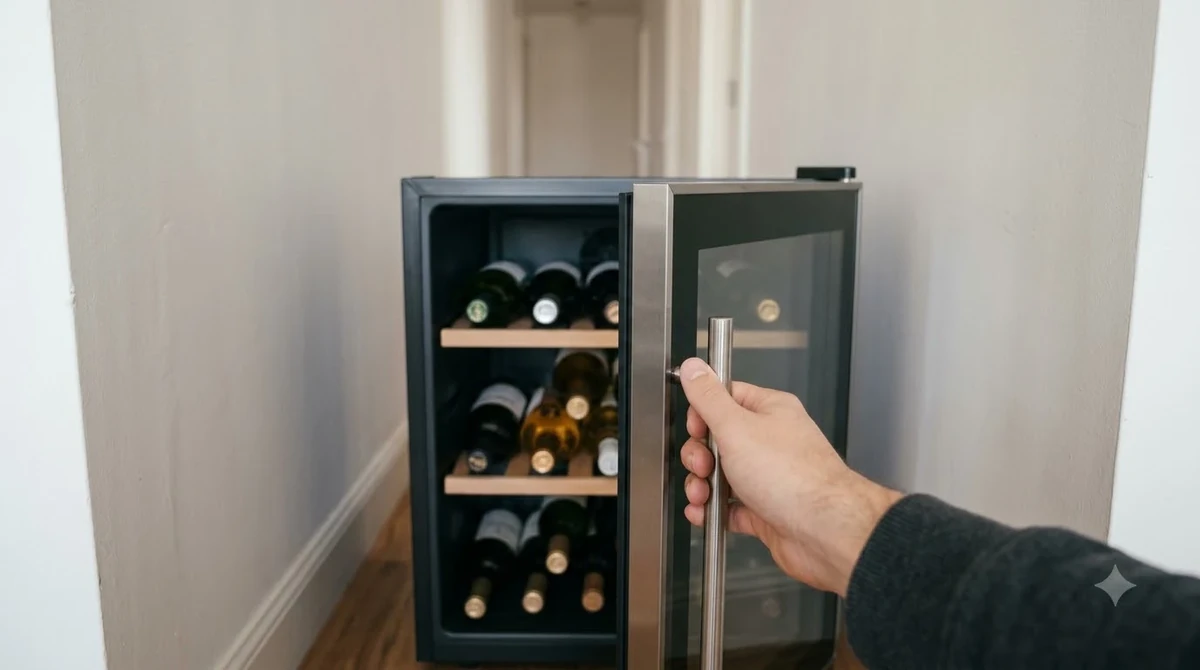
Store an opened bottle of fino tightly sealed and standing upright in the coldest part of your refrigerator, where low temperatures slow down chemical oxidation and preserve volatile aromatics. Leaving an open bottle on a kitchen counter or inside a warm cabinet can cut its enjoyable lifespan down to just two or three days.
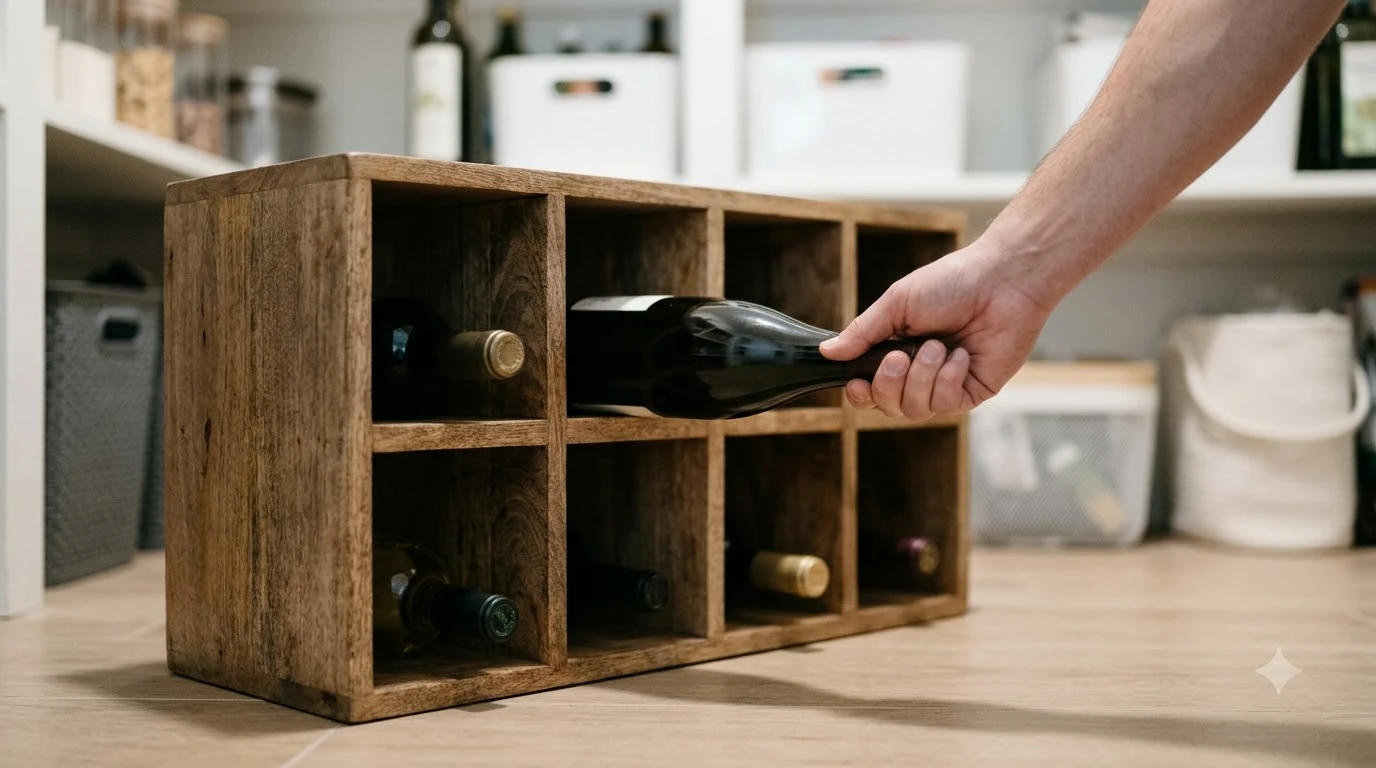
Always stand the bottle upright rather than laying it on its side on a wine rack. Upright storage minimizes the surface area of wine exposed to trapped air inside the neck and keeps the 15% to 16% alcohol from drying out or degrading the stopper over time. If the original T-top cork feels loose or crumbles, swap it for a snug rubber wine stopper or a vacuum pump closure to limit fresh oxygen exchange between pours.
Temperature consistency matters just as much as an airtight seal. Fino is meant to be served well chilled between 41°F and 46°F (5°C to 8°C), which means a standard household refrigerator keeps the bottle right at its ideal drinking temperature. Pour what you need directly from the fridge and return the bottle promptly instead of letting it warm up on the dining table all evening. If you rarely finish a standard 750ml bottle within a week, look for 375ml half-bottles so you always have fresh wine on hand without waste.
Tip: Write the date you opened the bottle directly on the back label with a grease pencil or piece of painter’s tape so you never have to guess how many days it has been sitting in the fridge.
Signs Your Fino Sherry Has Gone Bad
Spoiled fino sherry loses its bright orchard fruit and briny snap, turning flat, noticeably darker in color, and sharp with vinegar or stale cardboard aromas. Because fino contains 15% to 16% alcohol, oxidized wine will not make you sick, though it quickly becomes unpleasant to drink neat.
Check the appearance in a clear white wine glass first. Fresh fino looks pale lemon to light straw with lively clarity. Once air takes over, the liquid shifts toward a dull, brassy gold or brownish hue as phenolic compounds oxidize. On the nose, vibrant scents of green olives, Meyer lemon zest, and blanched almonds give way to bruised apple, wet paper, or a faint, flat mustiness.
Taste a small sip before pouring a full glass for guests. A healthy fino feels electric and bone-dry across the palate with a clean, mouthwatering finish. When the wine is past its prime, that brisk acidity feels hollow, and a bitter or acetic aftertaste lingers at the back of your throat. Compare that rapid shift to how orange wine lasts after opening—skin-contact whites rely on tannins for structure, whereas fino depends entirely on fragile yeast-derived aromatics that vanish once exposed to air.
Practical Ways to Use Leftover Fino Before It Fades
If your bottle of fino is approaching day six or seven and still has a few inches left at the bottom, shift it from an aperitif glass into low-ABV mixed drinks or savory kitchen recipes. Mildly faded fino that no longer shines on its own still brings salinity, acidity, and nutty depth to food and cocktails.
The easiest warm-weather option is a classic Rebujito, a refreshing highball made by pouring chilled fino over ice with lemon-lime soda and fresh mint leaves. The citrus and carbonation lift any slightly muted aromatics while highlighting the wine’s crisp mineral backbone. Fino also works well split with sweet vermouth in a Bamboo cocktail or stirred into a dry gin martini in place of traditional vermouth.
In the kitchen, treat leftover fino just like a dry white wine or light stock. Deglaze a hot skillet after searing shrimp, scallops, or chicken thighs, or splash a few tablespoons into sautéed wild mushrooms, clam chowder, or a pan sauce with garlic and butter. Because the alcohol burns off during simmering, even a ten-day-old bottle that tastes too flat for sipping will add rich umami complexity to dinner. By contrast, if you prefer keeping fortified bottles open for casual sipping over several months, explore how long Madeira lasts after opening or check how long dessert wine lasts after opening for styles built to withstand long-term air exposure.
Frequently Asked Questions
Can you keep fino sherry at room temperature after opening?
No, you should not store opened fino sherry at room temperature. Warmth accelerates oxidation and causes the wine’s delicate yeast-derived aromas to flatten within two or three days. Always reseal the bottle tightly and keep it upright in the refrigerator between pours.
Does manzanilla sherry last the same amount of time as fino?
Yes, manzanilla has the exact same shelf life as fino and stays fresh for up to one week in the refrigerator after opening. Manzanilla is essentially fino aged exclusively in the coastal town of Sanlúcar de Barrameda, where humid sea air encourages an even thicker layer of protective flor. Once bottled and opened, it is just as sensitive to oxygen.
Do vacuum wine pumps help fino sherry last longer?
A vacuum stopper can add an extra day or two of freshness by removing some of the oxygen trapped in the headspace of the bottle. However, it cannot stop oxidation completely, and cold refrigeration remains far more effective than any stopper gadget. Plan to finish the bottle within seven to ten days even when using a vacuum pump.
How long does an unopened bottle of fino sherry last?
An unopened bottle of fino sherry stays at peak quality for about 12 to 18 months after bottling when stored upright in a cool, dark place. Unlike vintage wines meant for cellaring, fino is bottled ready to drink and gradually loses its vibrant freshness if left sitting unopened for years.
Treat fino sherry with the same urgency you give a crisp Sauvignon Blanc or dry Champagne, and every pour will stay bright, salty, and refreshing. Keep the bottle upright in the fridge, enjoy it cold within a week of pulling the cork, and save any final splash for your next pan sauce.
More in Wine Types & Grapes
 Zinfandel Sugar Content: Dry Red vs. White Zinfandel GramsUpdated Nov 21, 2026
 Best Zinfandel Substitute Options for Sipping and CookingUpdated Nov 21, 2026
 Zweigelt Food Pairing: Best Dishes, Cheeses, and Serving TipsUpdated Nov 21, 2026
 Zinfandel Tannins Explained: How Structure Shapes Every BottleUpdated Nov 21, 2026
 Zinfandel Sweetness Level: Dry Red vs. Sweet White Zin ExplainedUpdated Nov 21, 2026
 Xinomavro Food Pairing: Best Dishes, Styles, and Serving TipsUpdated Nov 21, 2026