

We may earn a commission when you buy through links on this page, at no extra cost to you. Learn more.
How long does dry white wine last after opening? Most dry white wines stay enjoyable for 3–5 days when tightly resealed and stored in the refrigerator. Lighter styles such as Sauvignon Blanc and Pinot Grigio often lose their fresh aromas sooner, while quality Chardonnay and Riesling may retain their character longer. Keeping the bottle cold, minimizing air exposure, and recognizing oxidation early can help preserve the remaining wine.
Opening a bottle of dry white wine does not mean you must finish it that evening. However, oxygen begins changing the wine as soon as the closure comes off, gradually affecting its fruit, acidity, aromas, and overall freshness. The right storage routine makes a noticeable difference, particularly for people who enjoy a glass with dinner but do not regularly finish a 750 ml bottle. Understanding the differences between wine styles, storage methods, and spoilage signs helps you decide when leftover wine is still worth pouring.
How Many Days Dry White Wine Lasts After Opening
Most opened dry white wines retain their best drinking qualities for approximately 3–5 days in the refrigerator when properly sealed. Delicate, inexpensive whites often reach their best quality sooner, while well-made wines with good structure can remain enjoyable beyond the usual window.
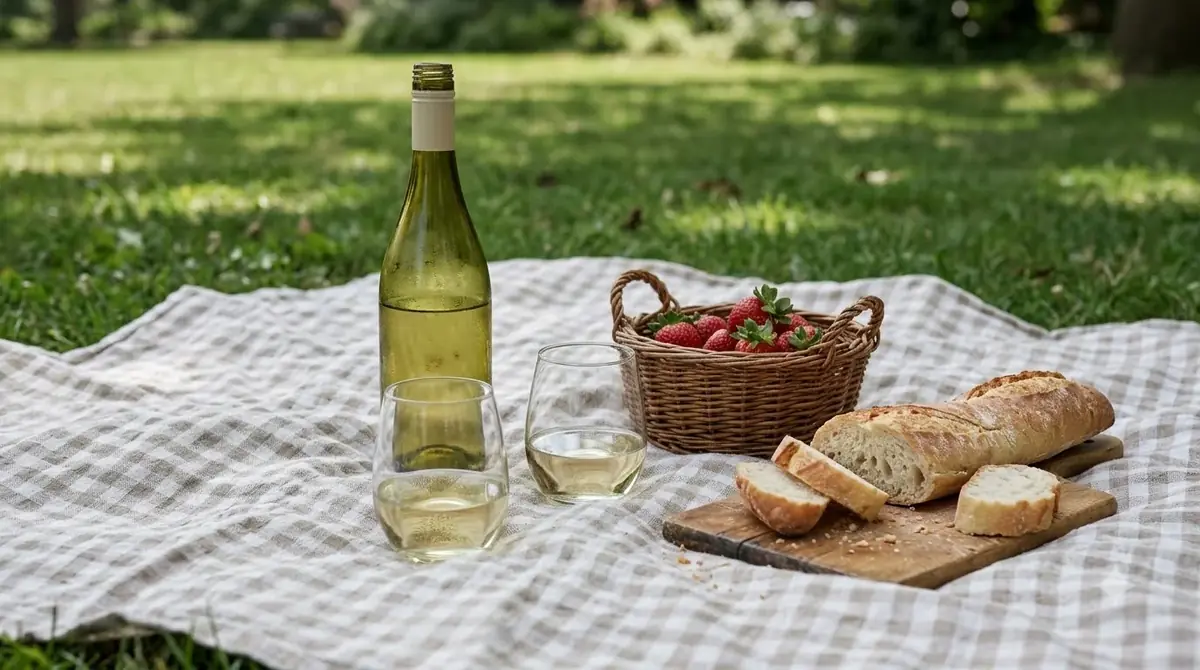
For everyday drinking, 3 days is a sensible target for preserving fresh fruit aromas and crisp flavors. A carefully stored bottle may remain pleasant for 5 days, but its character can change noticeably during that period. These are quality guidelines rather than exact expiration dates because grape variety, winemaking, bottle fill level, and storage conditions all influence the result.
Wine Enthusiast provides a useful distinction between different levels of white wine quality. Consultant and winemaker John Belsham explains that quality Chardonnay, Riesling, Sémillon, and Sauvignon Blanc can last comfortably 3–4 days in a half-full bottle. High-grade, single-vineyard wines with a higher remaining fill level can sometimes stay palatable for at least a week when refrigerated. Simpler, mass-produced white wines and rosés are better enjoyed within approximately 2 days.
Decanter gives a more conservative recommendation of 2–3 days for opened white and rosé wines stored in the refrigerator with their original cork or screw cap. The difference between these recommendations reflects the variation among bottles rather than a disagreement about the basic storage principles. A delicate, aromatic white with little remaining in the bottle may fade faster than a well-made Chardonnay that is nearly three-quarters full.
For practical purposes, use the following schedule as a starting point:
| Time after opening | Expected condition | Recommended approach |
|---|---|---|
| Day 1 | Fresh fruit, acidity, and original aromas | Enjoy normally |
| Day 2 | Usually retains most of its character | Continue refrigerated storage |
| Day 3 | Generally enjoyable with proper sealing | Ideal time to finish delicate whites |
| Day 4 | Some aromas and freshness may decline | Evaluate aroma and flavor |
| Day 5 | May remain enjoyable, depending on style | Check carefully before pouring |
| Days 6–7 | Greater chance of noticeable oxidation | Use only if quality remains acceptable |
The schedule assumes that the bottle was resealed promptly and consistently refrigerated. Wine left open on a kitchen counter overnight may deteriorate much faster, particularly in a warm room. Similarly, repeatedly opening a bottle exposes the remaining wine to additional air, so a bottle that is poured once and resealed can retain its freshness better than one opened several times throughout the day.
There is also an important difference between remaining drinkable and tasting as intended. A white wine may still be recognizable and pleasant after its most aromatic stage has passed. However, its fresh citrus, green apple, pear, or floral notes may become muted. For the best experience, aim to finish most everyday dry white wines within 3 days.
Why Dry White Wine Loses Freshness
Oxygen is the main reason opened white wine gradually loses its original character. It interacts with wine compounds and contributes to oxidation, which can reduce fresh fruit aromas, change color, and create flatter or less appealing flavors.
Before opening, the wine is protected by its closure and the relatively limited oxygen exchange inside the bottle. Removing the cork or screw cap introduces air, and some oxygen dissolves into the wine during the initial pouring. Further exposure happens whenever the bottle remains open or is repeatedly reopened.
According to WSET, oxygen is the greatest threat among the environmental factors that affect wine preservation. Its guidance on the best ways to preserve wine after opening explains why limiting air exposure is central to keeping an unfinished bottle fresh. Heat and light also contribute to quality deterioration, but minimizing oxygen exposure is especially important for an unfinished bottle. This explains why simply putting an open bottle in the refrigerator without replacing its closure is not an ideal storage method.
Oxidation does not happen at the same speed in every wine. Acidity, wine structure, production choices, and initial quality influence how well a particular bottle maintains its character. A well-made Riesling may preserve its recognizable fruit and acidity longer than a simple, delicate Pinot Grigio intended for immediate consumption.
Temperature also matters. Refrigeration slows chemical reactions, including the processes associated with oxidation. A bottle stored at a consistently cool temperature generally maintains its freshness longer than one left in a warm kitchen. The refrigerator is therefore useful even if the wine was served chilled and the bottle is only half-finished.
The amount of wine remaining is another major consideration. A bottle containing 600 ml has considerably less empty space above the wine than one containing 150 ml. The smaller headspace can help reduce further oxygen exposure, although the oxygen already absorbed during opening cannot simply be removed by replacing the cork.
Winemaking style also influences the result. Some whites are designed to emphasize immediate freshness, including bright citrus, green apple, and floral aromas. Others have greater concentration, structure, or oak influence. A structured Chardonnay may hold its flavor longer than a particularly delicate Pinot Grigio, although individual bottles vary.
These differences explain why a single exact expiration date cannot apply to every dry white wine. The 3–5-day guideline is useful for planning, but the wine’s actual condition matters more than the calendar alone.
How Different White Wine Varieties Compare
Grape variety provides a useful starting point when estimating how long an opened white wine will remain enjoyable. Sauvignon Blanc, Pinot Grigio, Chardonnay, and Riesling have different aromatic profiles and structures, so their freshness can develop differently after opening.
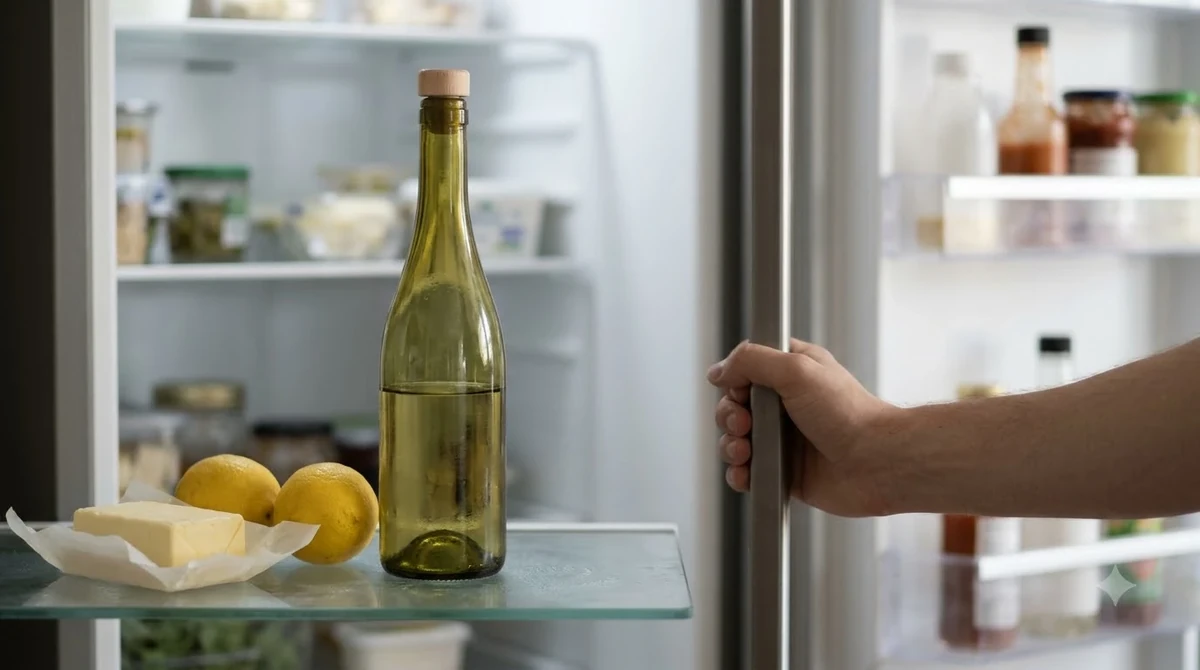
Sauvignon Blanc: This variety is frequently associated with bright acidity, citrus, green apple, and sometimes herbaceous or tropical fruit aromas. Its crisp character is one of its main attractions, making freshness especially important. An opened bottle is best enjoyed within approximately 2–4 days, although a well-made example can remain pleasant longer under good refrigeration.
Pinot Grigio: Many Pinot Grigio wines are light-bodied, relatively delicate, and intended for straightforward, refreshing drinking. Their pear, lemon, and subtle floral notes can become less expressive as oxygen exposure increases. Aim to finish an opened bottle within 2–3 days for the clearest expression of its original style.
Chardonnay: Chardonnay covers a broad range of styles, from lean, unoaked wines to richer examples aged in oak barrels. Its texture and concentration can help some quality bottles retain their character for 3–5 days. A richer California Chardonnay may show a different evolution from a crisp Chablis, so the grape name alone does not determine its storage life.
Riesling: Dry Riesling often combines pronounced acidity with citrus, stone fruit, and floral aromas. Its acidity helps maintain a lively impression as the wine develops, although oxidation still affects its aromas and flavors. A good bottle may remain enjoyable for 3–5 days when properly sealed and chilled.
Sémillon: This variety appears in both dry, fresh wines and fuller, more structured examples. Its texture and concentration vary depending on the region and winemaking approach. Quality dry Sémillon can remain palatable for several days, consistent with the 3–4-day guidance discussed by Wine Enthusiast.
The following comparison is intended as a practical planning guide rather than a guarantee for every producer or vintage.
| White wine style | Practical drinking window | Typical characteristics |
|---|---|---|
| Sauvignon Blanc | 2–4 days | High acidity, citrus, herbs |
| Pinot Grigio | 2–3 days | Light body, pear, lemon |
| Unoaked Chardonnay | 3–4 days | Medium acidity, apple, citrus |
| Oaked Chardonnay | 3–5 days | Fuller texture, vanilla, ripe fruit |
| Dry Riesling | 3–5 days | High acidity, citrus, stone fruit |
| Dry Sémillon | 3–4 days | Texture, citrus, sometimes herbal notes |
These ranges assume refrigeration and a reasonably airtight closure. They are not official expiration periods for individual grape varieties. A premium bottle with excellent concentration may outperform a simple everyday wine made from the same grape.
It is also useful to distinguish dry white wine from sweet white wine. Residual sugar changes the wine’s structure and preservation characteristics, and sweet wines often remain enjoyable longer after opening. For a separate comparison, see our guide to how long dessert wine lasts after opening.
The Best Way to Store Opened Dry White Wine
The most effective everyday method is straightforward: replace the original closure or use an airtight wine stopper, store the bottle upright, and refrigerate it immediately. These three steps help limit oxygen exposure and slow the chemical changes that gradually reduce freshness.
1. Reseal the bottle promptly. After pouring, put the original screw cap back on or reinsert the cork securely. If the cork is difficult to replace, a properly fitting reusable wine stopper is a practical alternative. Avoid leaving the bottle open while preparing dinner or entertaining guests because unnecessary exposure allows more air to interact with the wine.
2. Keep the bottle refrigerated. A domestic refrigerator provides a consistently cool environment that slows oxidation. Even if the wine was served at a warmer temperature, returning it to the refrigerator after pouring is beneficial. There is no need to leave an opened white wine on the kitchen counter simply because you plan to drink another glass later.
3. Store the bottle upright. WSET specifically recommends upright storage for opened wine bottles, including those sealed with corks and screw caps. This reduces the liquid’s surface area exposed to the air inside the bottle. Upright storage is particularly practical when there is a significant amount of empty space remaining.
4. Keep it away from light and heat. Avoid storing the bottle near an oven, sunny window, or warm appliance. A refrigerator door may be convenient, but a more stable interior shelf is preferable when practical because it experiences less temperature variation from frequent opening and closing.
5. Avoid unnecessary opening. Pour the amount needed and close the bottle immediately. Repeatedly removing the closure introduces additional air and increases the chance of spilling or contaminating the wine.
Tip: If only one or two glasses remain in a standard 750 ml bottle, transfer the wine into a clean, smaller bottle with a tight screw cap. Less empty space means less air above the liquid, which can help preserve its aromas and flavors. Refrigerate the smaller bottle immediately.
One common mistake is storing an opened bottle on its side. Horizontal storage is often recommended for unopened bottles with natural corks because it helps maintain cork moisture during longer storage. Once the bottle has been opened, however, upright storage is preferable because it reduces the wine’s exposed surface area.
Another mistake is assuming that a refrigerator can restore wine that has already oxidized. Cooling slows further deterioration, but it cannot reverse the changes that have already occurred. The best results come from sealing and chilling the wine as soon as possible after the first pour.
For everyday use, a basic reusable stopper is generally sufficient. More specialized preservation equipment can help people who regularly open expensive bottles without finishing them, but good refrigeration and prompt resealing remain the foundation of effective storage.
Wine Preservation Tools That Can Extend Freshness
Wine preservation equipment can reduce exposure to oxygen and help opened dry white wine retain its original character for longer. The most practical options include airtight stoppers, vacuum pumps, inert-gas systems, and smaller storage bottles.
Airtight wine stoppers
A reusable stopper is the simplest option. It replaces the original cork or screw cap with a closure designed to fit tightly around the bottle opening. It does not remove oxygen already inside the bottle, but it prevents additional air from freely entering during storage.
Choose a stopper that fits the bottle securely and can remain in place while the bottle is stored upright in the refrigerator. A basic stopper works well for someone who expects to finish a bottle within the normal 3–5-day period.
Vacuum wine pumps
A vacuum pump removes some of the air from the bottle before sealing it with a compatible stopper. This reduces the amount of oxygen in the headspace and can provide additional protection compared with simply replacing the original closure.
According to Decanter, a vacuum preservation system can provide approximately 1–2 extra days compared with using the original cork or screw cap alone. Actual results vary with the wine, equipment, and storage conditions. Vacuum pumps are therefore useful for occasional leftovers but should not be treated as a guarantee that an opened bottle will remain fresh indefinitely.
Inert-gas preservation systems
These systems introduce gases such as argon into the bottle. The gas creates a protective layer above the wine, limiting additional contact with oxygen. Some systems are designed for people who regularly pour individual glasses from expensive bottles and want to preserve the remaining wine.
WSET identifies inert-gas preservation as an effective approach for still wine. However, it is important to distinguish a system that extracts wine through a specialized needle from one that requires opening the bottle and spraying gas into the headspace. Both approaches have different operating methods and preservation potential.
Smaller bottles
Transferring wine into a smaller, clean container is a practical option that does not require specialized equipment. A half-size bottle can be useful when approximately 300–375 ml remains, while an even smaller container may suit a single remaining glass.
Use a clean container with a reliable screw cap and fill it as close to the top as practical while leaving enough room to close it safely. The objective is to reduce the volume of air above the wine. Refrigerate the container immediately after transferring the wine.
For most households, a combination of an airtight stopper, refrigerator storage, and smaller containers is sufficient. Expensive preservation equipment makes more sense for collectors or people who regularly open several quality bottles at once.
How to Tell If Opened Dry White Wine Has Gone Bad
The clearest warning signs of deteriorating white wine are muted fruit aromas, flat flavors, unusual discoloration, and unpleasant vinegary or sharp smells. These changes indicate that the wine has lost its original freshness and may no longer offer an enjoyable drinking experience.
Start with the aroma. Fresh dry white wine often has recognizable citrus, apple, pear, floral, or mineral notes. As oxidation progresses, these aromas can become weaker or disappear. A Sauvignon Blanc that previously smelled of lime and fresh herbs may develop a dull, tired character instead.
Look at the color. White wine can become darker as it oxidizes. A pale straw Chardonnay may gradually develop deeper yellow or golden tones, while extreme oxidation can produce brownish discoloration. A small natural variation in color is not automatically a problem, but a pronounced change combined with unpleasant aromas suggests declining quality.
Evaluate the flavor. Fresh dry white wines generally have recognizable fruit and a balanced relationship between acidity and body. An oxidized bottle may taste flat, stale, or lacking in fruit. A once-crisp Riesling can lose its lively impression, while a Sauvignon Blanc may seem unusually dull.
Watch for vinegary notes. Decanter identifies vinegary aromas and flavors as another warning sign associated with deterioration. Acetic acid can develop through bacterial activity, producing a sharp smell that differs from the natural acidity of a fresh white wine.
It is important not to confuse normal wine characteristics with spoilage. High-acidity Sauvignon Blanc can naturally taste sharp, while Chardonnay aged in oak may show buttery or toasted notes. These characteristics are not evidence that a bottle has gone bad.
Similarly, a little sediment is not necessarily a sign of deterioration. Some wines develop harmless deposits, particularly when they have not been heavily filtered. Evaluate the overall aroma, color, and flavor rather than relying on one isolated visual characteristic.
Another useful distinction is between oxidation and the simple loss of freshness. A bottle that tastes less aromatic on day 4 may have declined in quality without developing strong vinegar-like characteristics. It may still be enjoyable for cooking, depending on its condition and the dish being prepared.
Do not force yourself to drink wine that has developed an unpleasant smell, visible contamination, or an unusual appearance. When there is doubt about the condition of a bottle, discarding it is the sensible choice. A calendar alone cannot determine whether every bottle is acceptable.
When to Finish White Wine and How to Use Leftovers
The best strategy is to plan around the wine’s expected storage window instead of waiting until the last possible day. Most everyday dry whites are best finished within 2–3 days, while carefully preserved quality bottles may remain enjoyable for 4–5 days or longer.
If you regularly drink one glass at a time, consider opening a smaller bottle rather than a full 750 ml bottle. A standard 750 ml bottle provides approximately five 5-ounce servings, so finishing it alone may require several days. A 375 ml half bottle provides approximately two and a half standard servings and can be easier to finish while fresh.
Another option is to use leftover white wine in cooking. Dry white wine can contribute acidity and flavor to sauces, seafood dishes, risotto, and pan preparations. For example, a small amount of Sauvignon Blanc can complement a lemon-based seafood sauce, while Chardonnay can work in a creamy chicken preparation.
However, cooking does not restore wine that has developed severe spoilage characteristics. Use leftover wine only when it still smells and looks acceptable. Wine that has become excessively vinegary or unpleasant is not a good ingredient simply because it will be heated.
Wine style also matters when deciding what to open for a particular meal. Sauvignon Blanc and Riesling generally have high acidity, making them useful partners for acidic foods such as lemon-seasoned seafood. Chardonnay has medium acidity and can work well with richer dishes. Avoid pairing highly tannic red wines with oily fish, while remembering that white wine is often a more natural choice for delicate seafood.
Serving temperature is another part of maintaining the experience. Light-bodied white wines and rosé are generally served at 45–50 degrees Fahrenheit, while fuller-bodied whites such as richer Chardonnay are better around 50–55 degrees Fahrenheit. Sweet whites are commonly served at 43–50 degrees Fahrenheit.
These serving temperatures are not necessarily the temperatures at which every bottle must be stored after opening. Refrigeration is intended to slow deterioration, while serving temperature helps the wine express its aromas and texture. Take the bottle out shortly before pouring if it has become colder than its ideal serving range.
Wine lovers who regularly keep several bottles open can also compare preservation needs across styles. Dry reds typically last 3–5 days under refrigeration, although their structure differs from white wines. Our guide to how long dry red wine lasts after opening explains the differences. Fortified wines such as Madeira have a substantially longer preservation window, as discussed in our article about how long Madeira lasts after opening.
For additional information about grape varieties, wine styles, and serving characteristics, explore Wine by Type. Understanding these differences makes it easier to choose bottles that suit your drinking habits and plan how to store unfinished wine.
Frequently Asked Questions
Does dry white wine expire if it has never been opened?
Unopened dry white wine does not have one universal expiration date. Many everyday white wines are intended for consumption while relatively young, while age-worthy examples can develop over several years under suitable cellar conditions. Storage history, producer, grape variety, and winemaking style determine how well an unopened bottle develops.
Can you freeze leftover dry white wine?
Yes, leftover white wine can be frozen in a suitable freezer-safe container with room for expansion. Frozen wine may lose some of its original aromatic character after thawing, so it is generally more useful for cooking than for serving as a fresh glass of wine. Never freeze wine in a completely full, tightly sealed glass bottle because expanding liquid can break the glass.
Does organic dry white wine last longer after opening?
Organic certification alone does not determine how long an opened wine remains fresh. Preservation depends more on the wine’s composition, winemaking decisions, oxygen exposure, and storage conditions. Organic and conventionally produced wines should both be resealed promptly and refrigerated after opening.
Does a screw cap preserve white wine better than a natural cork?
Both closures can work effectively for opened wine when they create a secure seal. A screw cap is convenient because it can usually be replaced without additional equipment, while a natural cork may be reused if it fits securely. The quality of the seal and the storage temperature matter more than the closure material alone.
Does white wine continue fermenting after opening?
Ordinary finished dry white wine does not normally restart fermentation simply because the bottle has been opened. Fermentation requires suitable conditions and active yeast with available fermentable sugar. Unexpected bubbling, pressure, or other unusual changes should be evaluated carefully rather than automatically attributed to normal oxidation.
Most dry white wine is best enjoyed within 3–5 days after opening, provided it is resealed and kept refrigerated. A good stopper, upright storage, and minimal air exposure can help preserve the bottle’s original character. For the freshest glass, finish delicate whites sooner and pay attention to changes in aroma, flavor, and color rather than relying on the number of days alone.
More in Wine Types & Grapes
 Zinfandel Sugar Content: Dry Red vs. White Zinfandel GramsUpdated Nov 21, 2026
 Best Zinfandel Substitute Options for Sipping and CookingUpdated Nov 21, 2026
 Zweigelt Food Pairing: Best Dishes, Cheeses, and Serving TipsUpdated Nov 21, 2026
 Zinfandel Tannins Explained: How Structure Shapes Every BottleUpdated Nov 21, 2026
 Zinfandel Sweetness Level: Dry Red vs. Sweet White Zin ExplainedUpdated Nov 21, 2026
 Xinomavro Food Pairing: Best Dishes, Styles, and Serving TipsUpdated Nov 21, 2026