

We may earn a commission when you buy through links on this page, at no extra cost to you. Learn more.
How long does dessert wine last after opening? Most non-fortified dessert wines remain enjoyable for about 5–10 days when tightly resealed and refrigerated, while fortified styles such as Port and certain Sherries can last several weeks or longer. The actual window depends on residual sugar, alcohol content, acidity, oxygen exposure, and the wine’s production method. Keeping the bottle cold and minimizing the air inside it helps preserve its sweetness, aroma, and fresh fruit flavors.
Dessert wine is designed to deliver concentrated sweetness, but opening a bottle changes how it develops. Air gradually alters its aromas and flavors, and even a naturally long-lived wine eventually loses some of its original character. The good news is that you do not have to finish every bottle in one sitting. Understanding the differences between late-harvest whites, botrytized wines, ice wine, Port, and sweet Sherry makes it easier to decide how long to keep each bottle and how to store the remainder.
Typical Shelf Life of Opened Dessert Wine
Most opened non-fortified dessert wines are best enjoyed within 5–10 days when sealed properly and refrigerated. Fortified dessert wines generally last longer because their additional alcohol provides another layer of protection against deterioration.
Residual sugar is one reason sweet wines can retain their character longer than many dry wines. However, sweetness alone does not guarantee an extended storage period. Alcohol concentration, acidity, production techniques, previous oxygen exposure, and the amount of wine remaining in the bottle all influence how quickly a particular wine changes.
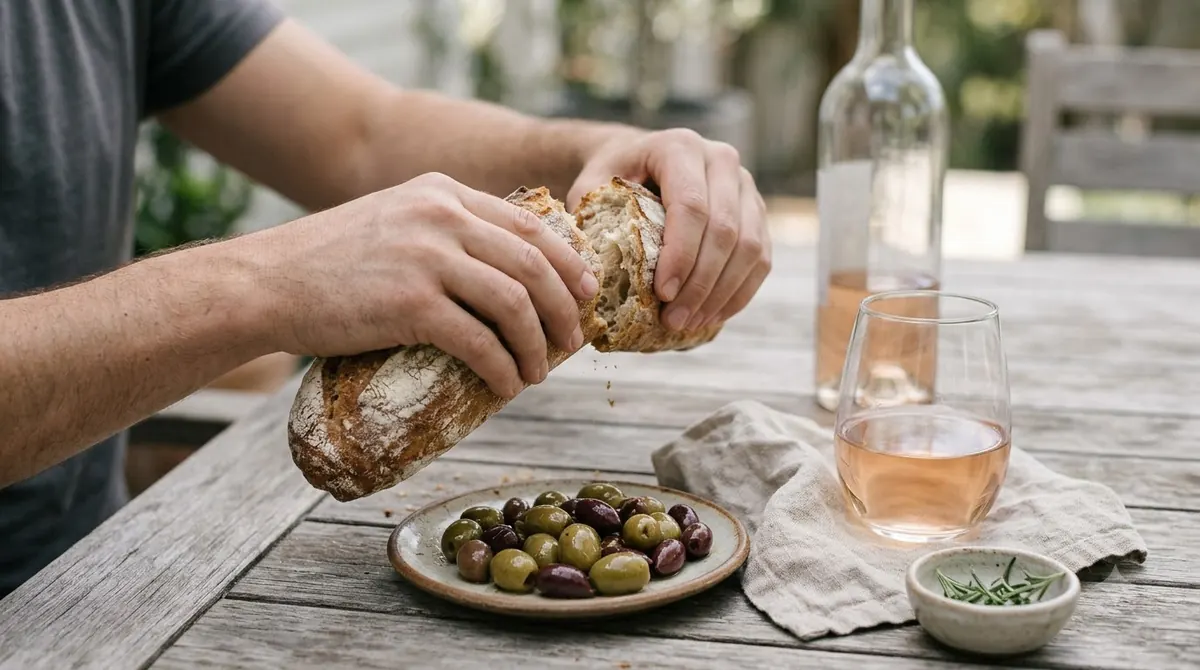
A late-harvest Riesling, for example, can retain its aromatic fruit character for several days after opening. A concentrated Sauternes may remain enjoyable for longer, while a fortified Pedro Ximénez Sherry can be considerably more resistant to changes in flavor. These are different products with different chemical compositions, so applying one universal storage deadline would be misleading.
The following table provides practical starting points for planning when to finish different styles. These are quality estimates rather than guarantees, and individual producers may recommend different periods.
| Dessert wine style | Practical opened-bottle window | Recommended storage |
|---|---|---|
| Late-harvest Riesling | 5–10 days | Refrigerated and sealed |
| Botrytized Sauternes | 5–10 days | Refrigerated and sealed |
| Ice wine | 5–10 days | Refrigerated and sealed |
| Sweet Muscat | 5–7 days | Refrigerated and sealed |
| Sweet sparkling Moscato | 1–3 days | Refrigerated with a sparkling wine stopper |
| Fino or Manzanilla Sherry | Up to 7 days | Refrigerated and tightly sealed |
| Amontillado Sherry | 2–3 weeks | Refrigerated and sealed |
| Oloroso Sherry | Several weeks or longer | Refrigerated and sealed |
| Ruby Port | Approximately 2–4 weeks | Cool, dark storage; refrigeration preferred |
| Tawny Port | Approximately 3–6 weeks | Cool, dark storage; refrigeration preferred |
The ranges for Port and Sherry vary considerably with age, style, alcohol concentration, and production method. For example, Decanter’s advice on opened wine storage explains that sweet wines can remain enjoyable for over a week in the refrigerator, while fortified wines have widely varying storage windows. Vintage Port can lose its freshness within days, unlike some more durable fortified styles.
For a simple household rule, plan to finish delicate, non-fortified dessert wines within a week when possible. Allow up to 10 days for appropriate concentrated styles, and follow the specific recommendations for fortified wines. A bottle that still smells pleasant after its suggested window may remain enjoyable, but its original freshness may have declined.
Why Sugar and Alcohol Affect Wine Preservation
Residual sugar and alcohol help explain why some dessert wines last longer after opening than ordinary table wines. However, they work differently, and neither completely prevents oxidation or the gradual loss of aromatic freshness.
Residual sugar is the natural grape sugar that remains after fermentation. In wines made from late-harvest grapes, botrytized grapes, or frozen grapes, the concentration of sugar can be particularly high. This concentration contributes to the wine’s rich texture and sweetness and can help make the wine more resistant to some forms of deterioration.
Alcohol also influences stability. Fortified wines receive additional grape spirit during production, raising their alcohol content beyond that of many ordinary dessert wines. Port and some styles of Sherry therefore have a different preservation profile from an unfortified late-harvest Riesling.
These factors do not mean a sweet wine is immune to air. Oxygen can still change its aroma, color, and flavor. A once-vibrant peach or apricot note may become dull, while fresh citrus character can shift toward bruised fruit or dried-fruit aromas.
Sweetness is not the only factor
Acidity is another important part of a wine’s overall structure. Riesling, for instance, can combine pronounced sweetness with high acidity. This balance helps the wine taste refreshing rather than heavy, even when its residual sugar is substantial.
A concentrated Sauternes made with botrytized Sémillon and Sauvignon Blanc has a different profile. It often displays honey, apricot, marmalade, and dried-fruit characteristics. Its concentration can support good short-term keeping after opening, but air exposure still gradually reduces its freshness.
For comparison, a sweet Moscato can be aromatic and relatively light, with floral and peach notes. Its sweetness does not make it equivalent to a fortified Port or Sherry. Its delicate aromatic character and, in sparkling examples, carbonation make prompt consumption more important.
The practical lesson is to consider sweetness, alcohol, acidity, and wine style together. A high-sugar, high-alcohol fortified wine generally has a longer opened-bottle window than a delicate sweet sparkling wine, but the precise recommendation still depends on the bottle.
Storage Methods That Keep Dessert Wine Fresh
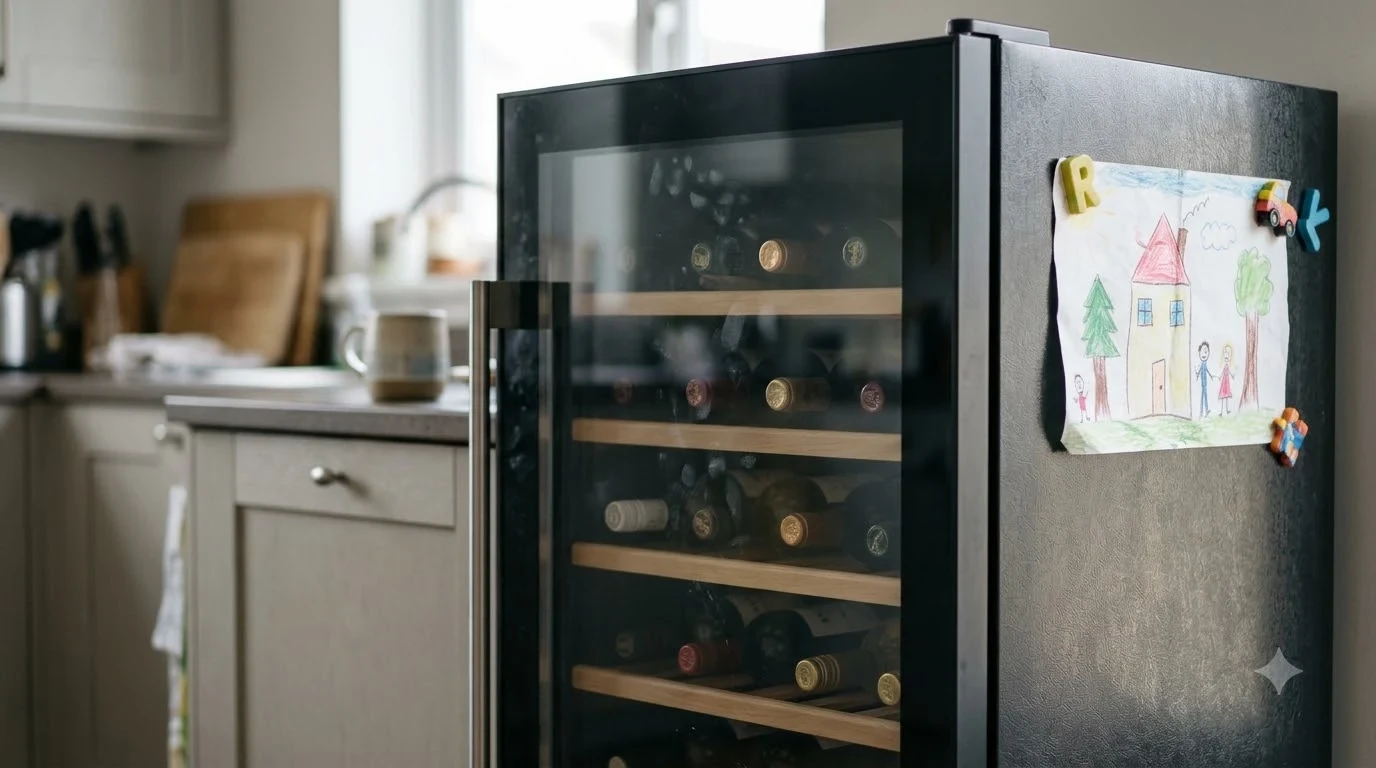
Refrigeration, an airtight closure, and limited oxygen exposure are the three most useful ways to preserve opened non-fortified dessert wine. These simple steps slow the loss of fresh fruit aromas and help maintain the wine’s original balance.
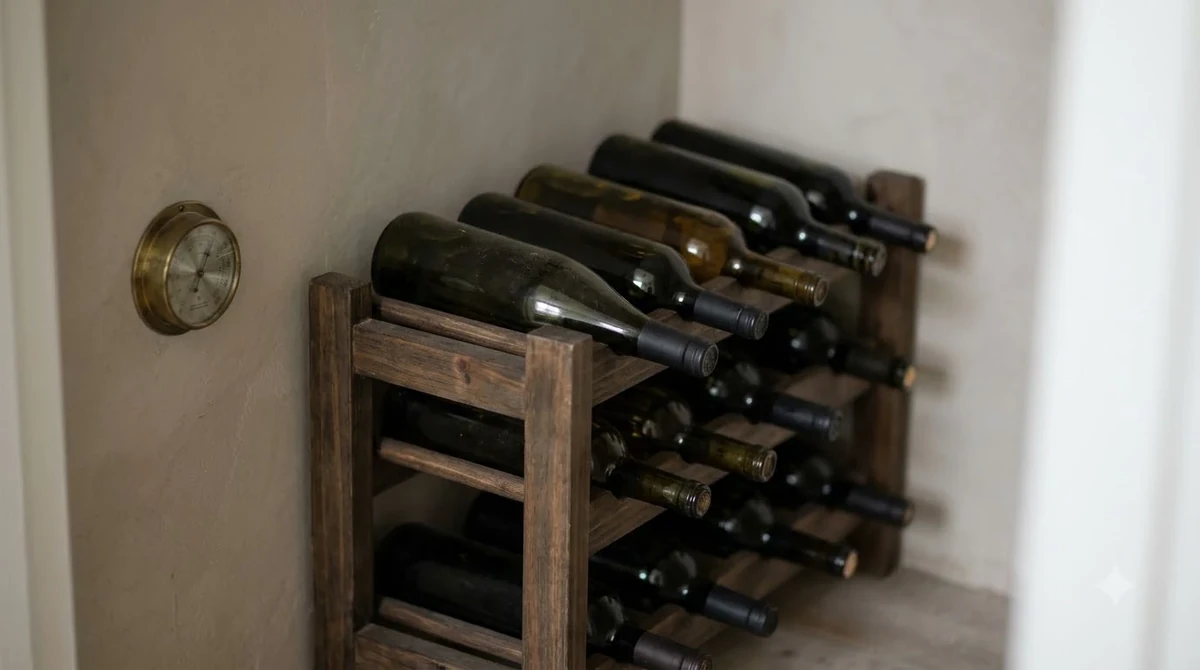
First, close the bottle immediately after pouring. Use its original cork if it remains clean and fits securely, or use a properly sized wine stopper. A loose closure allows more air to move between the bottle and its surroundings, accelerating the changes that reduce freshness.
Second, put the bottle in the refrigerator. This applies to sweet white wines and non-fortified dessert wines even if you normally serve them at a slightly warmer temperature. Cooling slows the chemical reactions associated with oxidation and helps preserve the wine between servings.
Third, keep the bottle away from sunlight and heat. A kitchen counter near an oven, a sunny windowsill, or a warm cabinet is not a suitable storage location. Temperature fluctuations also make preservation more difficult.
Reduce the amount of air in the bottle
The amount of empty space above the remaining wine matters. A bottle that is nearly full contains less air relative to the wine than one with only a small amount left. As the remaining volume decreases, the proportion of oxygen in the bottle becomes more significant.
If you frequently open dessert wines and consume only small portions, consider transferring the remaining wine into a smaller clean glass bottle with a secure closure. A suitable container filled close to the top reduces the air space above the wine.
Vacuum wine stoppers can also help reduce air exposure. They remove some of the air from the bottle rather than eliminating oxygen entirely. Their usefulness depends on the closure, bottle condition, and how much wine remains.
Tip: After pouring dessert wine, reseal it immediately and return it to the refrigerator. Do not leave the bottle open on the dining table for several hours if you intend to enjoy it again later in the week.
There is one important exception to ordinary bottle-storage advice: sparkling dessert wine needs a dedicated sparkling wine stopper. A standard cork or still-wine stopper cannot reliably preserve carbonation. Even with a proper stopper, sweet sparkling wine is generally best within 1–3 days.
For additional comparisons, see our guides to how long does Madeira last after opening and how long does orange wine last after opening. Both illustrate why wine preservation depends on production style rather than sweetness or color alone.
How Different Dessert Wine Styles Compare
Not every dessert wine is made in the same way, so their opened-bottle storage needs differ. Late-harvest wines, ice wines, botrytized whites, sweet sparkling wines, and fortified wines each have distinct characteristics that influence how quickly their quality changes.
Late-harvest Riesling and Gewürztraminer
Late-harvest wines are made from grapes left on the vine longer than those used for many dry wines. As grapes ripen and lose moisture, their sugar concentration increases. Depending on the growing conditions and winemaking decisions, the finished wine may be sweet, aromatic, and relatively high in acidity.
Late-harvest Riesling commonly shows apple, peach, citrus, and floral aromas. Late-harvest Gewürztraminer can offer lychee, rose, and tropical fruit characteristics. Both should generally be resealed and refrigerated after opening, with a target of finishing the bottle within approximately 5–10 days.
Sauternes and other botrytized wines
Sauternes comes from Bordeaux in France and is known for sweet wines made using grapes affected by noble rot, a beneficial form of Botrytis cinerea. The process concentrates grape sugars and contributes distinctive honey, apricot, marmalade, and spice aromas.
These wines are often concentrated and capable of extended bottle aging before opening. However, their ability to mature over many years in a sealed bottle does not mean they remain unchanged indefinitely after exposure to air.
Refrigerate opened Sauternes, close the bottle securely, and aim to consume it within 5–10 days. A particularly concentrated example may remain pleasant longer, but its freshness and aromatic definition can decline gradually.
Ice wine
Ice wine is made from grapes harvested while frozen naturally on the vine. Pressing frozen grapes separates concentrated juice from much of the water trapped as ice. The resulting wine is often intensely sweet, with lively acidity and concentrated fruit flavors.
Common examples include Riesling and Vidal ice wines from Canada and Riesling ice wines from Germany. Their high concentration can help them retain their character after opening, but refrigeration and careful resealing remain important. A practical target is approximately 5–10 days.
Port and sweet Sherry
Port is a fortified wine from Portugal’s Douro Valley. Its grape spirit addition makes it different from non-fortified dessert wines, and its various styles have noticeably different storage requirements.
Ruby Port generally emphasizes youthful red-fruit flavors, while Tawny Port develops more nutty, dried-fruit, and caramel-like characteristics through oxidative aging in barrels. Vintage Port is a separate category that can be particularly sensitive after opening. Its remaining quality can decline much faster than that of an aged Tawny.
Sweet Sherry also varies by style. Pedro Ximénez Sherry can be extremely concentrated, with raisin, fig, molasses, and caramel notes. Fino and Manzanilla, by contrast, are delicate, typically dry Sherries whose freshness is a priority. Amontillado and Oloroso have different aging and oxidative characteristics and generally retain their character longer once opened.
For a broader overview of these styles, visit our Wine by Type resource.
Signs That Opened Dessert Wine Has Lost Its Quality
Changes in aroma, flavor, and appearance can indicate that an opened dessert wine is past its best. The most useful signs are a pronounced vinegar-like smell, unexpectedly dull fruit character, and unpleasant oxidative flavors.
A fresh dessert wine should generally retain recognizable characteristics associated with its grape variety and production method. A Riesling may smell of peach, citrus, or apple, while Sauternes may show honey, apricot, and marmalade. If those aromas have become weak or unpleasant, the wine may have deteriorated.
One common sign of oxidation is a bruised-apple or stale-nut character that becomes more pronounced than the wine’s normal flavor profile. Some oxidative notes are intentional in wines such as Tawny Port and Oloroso Sherry, so their presence alone does not establish that a bottle has spoiled. The important distinction is whether the wine has developed unpleasant changes beyond its expected style.
Another warning sign is a sharp vinegar-like smell. Wine Folly explains that acetic acid bacteria can metabolize alcohol into acetic acid and acetaldehyde. This process contributes to the sharp aroma associated with wine turning vinegary. Its guide to how long opened wine lasts also explains why lower storage temperatures slow the chemical reactions responsible for deterioration.
Color changes also deserve attention, although color must be interpreted in context. White dessert wines can naturally become deeper gold as they age. Talijancich Wines notes that aged sweet Semillon can develop a darker golden appearance and intense honey characteristics. Therefore, a darker color does not automatically mean the wine is spoiled.
Similarly, some sediment is normal in certain wines, particularly older fortified bottles. Sediment and crystals do not necessarily indicate deterioration. However, unusual surface growth, a clearly unpleasant smell, or an unexpectedly sour and harsh flavor are reasons not to serve the wine.
Remember that storage windows describe expected quality, not an exact expiration time. A bottle does not automatically become unacceptable on the eighth or tenth day. Evaluate its condition and consider the specific wine style before deciding whether it still delivers the intended experience.
Serving and Using Leftover Dessert Wine
Opened dessert wine can remain useful beyond its original serving occasion, provided its quality is still good. Small pours, appropriate serving temperatures, and thoughtful food pairings help make the most of a bottle without wasting the remaining wine.
Because dessert wines are often concentrated, serving portions are usually smaller than those for ordinary table wine. A 2–3-ounce pour is a practical starting point for rich examples such as Sauternes, ice wine, or Pedro Ximénez Sherry.
Serving temperature also affects how the wine tastes. Very cold temperatures can make sweetness and aromas less expressive, while excessive warmth can make a fortified wine’s alcohol feel more prominent.
Useful serving ranges include:
- Very sweet Tokaji: approximately 40°F.
- Sauternes: approximately 50°F.
- Sweet Riesling: approximately 43–50°F.
- Sweet sparkling wine: approximately 40–50°F.
- Fortified dessert wine: cool rather than warm, with the exact temperature depending on its style.
Wine.com identifies approximately 40°F for very sweet Tokaji and 50°F for Sauternes as useful serving temperatures. These are serving recommendations, not required storage temperatures. Refrigeration is still the preferred household method for preserving most opened non-fortified sweet wines.
Food pairings for leftover dessert wine
Sweet wines are particularly versatile with desserts, cheeses, and fruit-based dishes. The most important pairing principle is to select a dessert that is no sweeter than the wine. Otherwise, the wine may taste less expressive or more acidic by comparison.
Try late-harvest Riesling with apple tart, peach desserts, or fruit-based pastries. Its acidity can balance the sweetness of the dish and keep the combination refreshing.
Sauternes pairs naturally with blue cheese, foie gras, and desserts containing apricot or citrus. The combination of sweetness, acidity, and rich texture creates contrast with salty or savory foods.
Ice wine works well with fruit tarts, creamy desserts, and mild cheeses. Its concentrated sweetness and acidity can complement foods that have similar fruit flavors.
Ruby Port can accompany chocolate desserts, berry-based dishes, and stronger cheeses. Tawny Port is often a good match for pecan pie, caramel desserts, and roasted nuts.
Pedro Ximénez Sherry can be served with vanilla ice cream, dark chocolate, or desserts featuring dates and figs. Its concentrated dried-fruit profile makes a small serving particularly satisfying.
Cooking with leftover sweet wine
If a wine is still in good condition but no longer has the freshness you prefer for drinking, it may be useful in cooking. Small amounts of Sauternes can contribute sweetness and acidity to a fruit sauce, while Port can add depth to a reduction served with roasted fruit or chocolate-based desserts.
Sweet Sherry can also contribute concentrated raisin and caramel flavors to certain sauces and baked desserts. Use it in moderation because the sugar concentration can affect the balance of the finished dish.
Do not assume that cooking will correct unpleasant spoilage characteristics. If a wine has developed a strong vinegar smell or an otherwise objectionable flavor, it is better not to use it simply because it is going into a recipe.
For another comparison involving fruit-based wines, our guide to how long does plum wine last after opening explains why sweetness and production method both matter when estimating storage life.
Frequently Asked Questions
Can unopened dessert wine last for decades?
Yes, certain high-quality dessert wines can age for decades when stored under suitable conditions. Some Sauternes and Tokaji have particularly strong aging potential because of their concentrated sweetness and acidity. Exceptional bottles may develop additional complexity over many years, depending on producer, vintage, and storage history.
Does dessert wine need to breathe before serving?
Most dessert wines do not require extensive aeration before serving. Rich fortified styles may benefit from a short period in the glass, while delicate late-harvest whites are usually best poured directly from the bottle. Older Vintage Port is a special case because sediment removal and decanting may be appropriate.
Can a dessert wine bottle be stored upright after opening?
Yes. An opened dessert wine bottle should generally be stored upright in the refrigerator, which reduces the wine’s contact with the closure and makes accidental leakage less likely. Talijancich Wines also recommends upright storage for its fortified wines, although its advice for unopened bottles depends on the closure and wine style.
Does a half-bottle of dessert wine last longer after opening?
Not necessarily. A 375 ml half-bottle contains less wine than a standard 750 ml bottle, but its opened-bottle lifespan still depends on oxygen exposure, sweetness, alcohol, and storage. Its smaller size can nevertheless make it easier to finish before noticeable flavor deterioration occurs.
Can dessert wine be used to make wine-based cocktails?
Yes. Sweet Riesling and Moscato can add fruit and sweetness to wine-based mixed drinks, while Port can work in spirit-forward cocktails. A small amount of sweet Sherry can also contribute concentrated dried-fruit flavors. Choose wine that still tastes fresh enough to drink on its own.
Most non-fortified dessert wines are best within 5–10 days after opening, while fortified varieties can remain enjoyable considerably longer depending on their style. Reseal the bottle promptly, refrigerate it, and minimize air exposure to preserve its original character. With the right storage habits, you can enjoy a small glass of dessert wine over several occasions without sacrificing its distinctive sweetness and aroma.
More in Wine Types & Grapes
 What Does Mourvèdre Taste Like? Flavor Profile, Regions, and PairingsUpdated Nov 20, 2026
 What Does Marsanne Taste Like? Flavors, Styles, and Food PairingsUpdated Nov 20, 2026
 What Does Malvasia Taste Like? Styles, Flavors, and Food PairingsUpdated Nov 20, 2026
 What Does Grenache Blanc Taste Like? Flavor Profile, Styles, and PairingsUpdated Nov 20, 2026
 What Does Garnacha Taste Like? Key Flavors, Styles, and Pairing TipsUpdated Nov 20, 2026
 What Does Fruit Wine Taste Like? A Complete Flavor and Style BreakdownUpdated Nov 20, 2026