

We may earn a commission when you buy through links on this page, at no extra cost to you. Learn more.
For anyone asking how long does chianti last unopened, basic Chianti is best enjoyed within about 3 to 5 years of its vintage, while Chianti Classico, Riserva, and Gran Selezione can last longer when the wine has the structure for aging and is stored well. Its aromas and flavors gradually change rather than switch off on a fixed date. The label, producer, vintage, and storage history matter more than the fact that the cork has never been pulled. For a regular bottle, plan to drink it young; save extended cellaring for a well-made Classico or a more structured upper-tier wine.
Chianti covers several styles from fresh, everyday reds to age-worthy Sangiovese wines from the hills between Florence and Siena. Identify the appellation and tier first, then consider the bottle’s storage history.
Typical Drinking Windows by Chianti Style
Most standard Chianti is intended for early drinking and is a good candidate for opening within five years of the vintage. Chianti Classico and its higher tiers can reward longer cellaring, but their aging potential varies by producer and vintage.
The windows below are practical estimates for sound bottles stored correctly, not guarantees or legal expiration dates. The official aging requirement describes maturation before release, not how many more years the bottle will improve at home.
| Style | Minimum aging before release | Practical unopened window |
|---|---|---|
| Chianti DOCG | Varies by category | About 3–5 years from vintage |
| Chianti Classico Annata | 12 months | About 5–8 years; top examples may go longer |
| Chianti Classico Riserva | 24 months, including 3 months in bottle | About 8–15 years; leading examples can exceed 15 |
| Chianti Classico Gran Selezione | 30 months, including 3 months in bottle | About 8–15 years for strong examples; exceptional bottles may age much longer |
These ranges reflect the difference between a wine made for freshness and one built to develop. WSJ Wine advises drinking basic Chianti within five years, while Decanter describes top Chianti Classico Riserva as capable of lasting 15 years or more. Decanter also notes that the best Gran Selezione wines can reach 30 years when kept well, although not every bottle in that category is suited to such a long rest. Some oak-forward Gran Selezione examples with moderate acidity are better opened within eight years of release. Its Chianti Classico cellaring guide makes the point that style and structure matter as much as the classification.
Use the table as a starting point rather than a countdown. A simple Chianti may lose fresh cherry character sooner than a concentrated example, while a balanced Riserva may gain savory complexity beyond the typical window. Shorten the window for bottles kept in a warm kitchen or beside a sunny window.
The Label Tells You Which Chianti You Have
The words on the front label are the quickest clue to how long an unopened bottle may keep. Basic Chianti DOCG, Chianti Classico, Riserva, and Gran Selezione are related Tuscan reds, but the rules and typical structure are not identical.
Chianti DOCG comes from a broad production zone in Tuscany and must contain at least 70% Sangiovese, according to Wine Enthusiast. Chianti Classico is the historic central zone and requires at least 80% Sangiovese, with up to 20% permitted other red grapes. Classico often emphasizes freshness, acidity, and firmer structure that can support more time in bottle.
Within Chianti Classico, the official tiers have different maturation requirements. The Consorzio Vino Chianti Classico lists 12 months for Annata, 24 months for Riserva, and 30 months for Gran Selezione; the Riserva and Gran Selezione requirements each include at least three months of bottle refinement. Gran Selezione also requires at least 90% Sangiovese and grapes from the estate’s own vineyards. The consortium explains these distinctions on its official Chianti Classico wine-types page.
Do not assume that every bottle marked “Riserva” will age for the same length of time. Chianti DOCG Riserva and Chianti Classico Riserva belong to different appellation frameworks, and the producer, vineyard fruit, vintage, and winemaking all influence longevity. Gran Selezione signals stricter production rules, not a promise that every bottle should be held for decades. Read the complete designation rather than relying on one large word; the site’s Wine by Type guide can help compare it with other red wine categories.
Why Sangiovese Can Age in the Bottle
Sangiovese gives Chianti much of its freshness and its potential to develop. Its lively acidity, moderate-to-firm tannins, and red-fruit character can carry the wine through several years of bottle age, especially when the fruit concentration and overall balance are strong.
Young Chianti commonly shows sour cherry, red cherry, plum, cranberry, and sometimes violet or dried-herb notes. As a bottle matures, the fresh fruit can become less primary, shifting toward dried cherry, tea, leather, tobacco, earth, and savory spice. That change is a normal part of development, not proof by itself that the wine has spoiled. A mature Chianti may also look more garnet or brick-red than the bright ruby color of a younger bottle.
Acidity is central to this evolution. Wine Enthusiast describes Sangiovese as having mouthwatering acidity and moderate tannins, with more structure and body generally appearing in higher-quality examples. That framework helps explain why a lighter, everyday Chianti is usually opened young while a structured Chianti Classico Riserva can remain interesting for many more years. Good fruit, fresh acidity, and integrated tannin leave more room to evolve than a thin or tired profile.
Age does not automatically make a wine better. A bottle can pass its peak even while it remains unopened, and more years in the cellar cannot add fruit or structure that was not present at bottling. For comparison, Cabernet Sauvignon typically has higher tannin than Chianti’s usual medium-bodied profile, so its recommended cellar window can differ; see how long Cabernet Sauvignon lasts unopened before applying the same assumptions to both wines.
Storage Conditions That Protect an Unopened Bottle
Good storage is what allows a Chianti with aging potential to reach it. Keep the bottle in a dark, quiet place with a stable temperature near 55°F, away from direct sunlight, radiators, ovens, and repeated temperature swings.
Heat is the most damaging everyday risk because it speeds chemical reactions and can push the wine out of balance. A bottle left in a car, above a refrigerator, or in a kitchen cupboard beside an oven may age much faster than one kept in a proper cellar. Repeated shifts between cool nights and warm afternoons are also unhelpful.
For a cork-sealed bottle, store it on its side so the wine stays in contact with the cork. That helps limit the chance of a dried cork allowing excess air into the bottle. A screw-cap bottle does not need the same horizontal position for cork moisture, but it still benefits from darkness and stable, cool storage. Avoid frequent handling and vibration; a shelf in a quiet closet or a dedicated wine cabinet is preferable to a spot above a washing machine.
Tip: Set aside the warmest room in the house for serving, not storage. A steady place near 55°F is far better for a bottle you hope to keep for five or ten years than a cabinet that repeatedly warms up during cooking or afternoon sun.
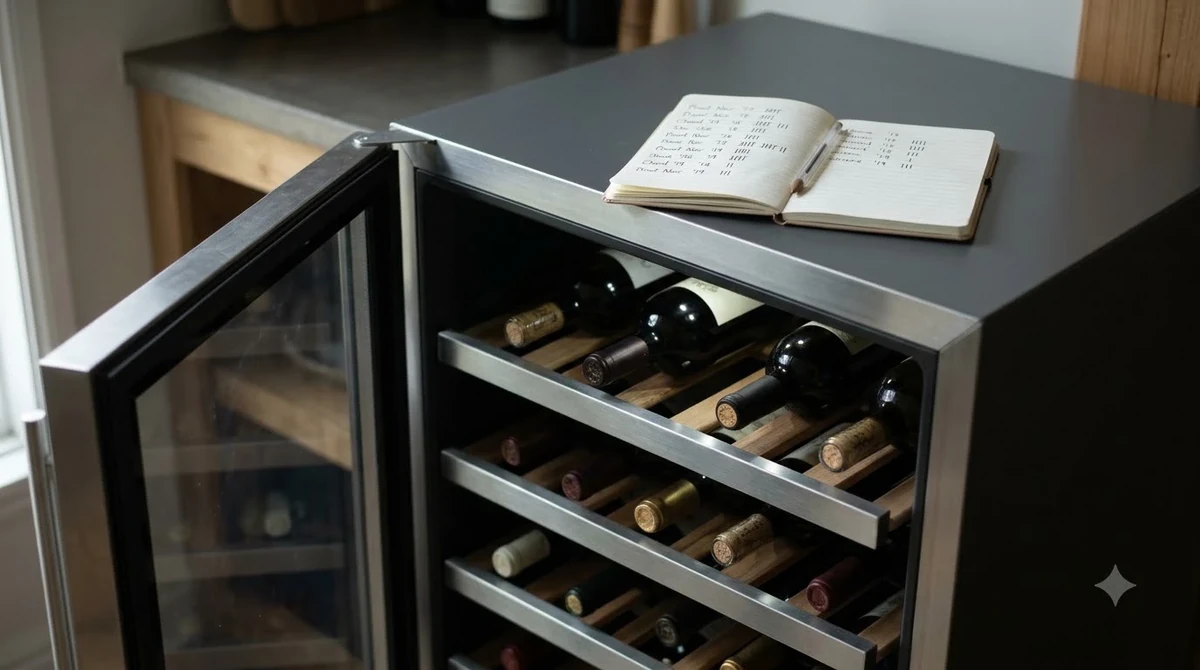
Humidity is a secondary consideration for most home collectors, but extremely dry conditions can be hard on natural cork over a long period. Stable temperature, darkness, and correct bottle orientation matter most. A wine refrigerator is useful when the home has no consistently cool room, while a basement may work if it stays dry enough to avoid mold and has no large seasonal swings. Packaging changes the storage equation: an unopened boxed wine uses a bag and tap rather than a glass bottle and cork, so its storage window follows a different pattern; the site’s explainer on how long boxed wine lasts unopened covers that separate format.
How to Judge an Older Unopened Bottle
Before opening an older Chianti, look at the bottle’s condition and the way it has been stored. The vintage year gives you a starting point, while the fill level, cork, capsule, and signs of leakage can help reveal whether the wine may have been exposed to heat or excess oxygen.
Check the fill level through the glass. A small amount of space between the wine and cork is normal, but a level that has dropped noticeably below the shoulder of the bottle can suggest evaporation or seepage, particularly if the bottle is not very old. Look for sticky residue around the capsule, dried wine trails down the neck, a cork pushed upward, or a capsule that appears damaged. No single sign proves the wine is undrinkable, but several together suggest a failed closure.
Color can provide clues, although it needs context. Mature Sangiovese naturally shifts from ruby toward garnet and brick as pigments change, so a tawny edge is not automatically a fault. More concerning signs include a very brown appearance paired with a flat, stale smell, or a bottle that smells strongly of vinegar, wet cardboard, or cooked fruit after opening. Taste a small amount before deciding whether to serve it.
When provenance is uncertain, be conservative. A decade-old Riserva from a cool cellar may be in better shape than a younger bottle kept in a hot garage. Ask the previous owner about storage, keep bottles with unknown histories for near-term drinking, and avoid buying a bottle solely because its vintage is old. Age is useful only when the wine and its storage conditions can support it.
Opening and Serving Chianti at Its Best
Once you decide to open the bottle, serve Chianti slightly cool rather than warm. A range of 55–60°F suits many lighter and medium-bodied examples, while a structured Riserva or Gran Selezione may benefit from a little more air before it reaches the table.
For a young Annata, a brief 15-minute chill in the refrigerator can sharpen its red-fruit character and keep the alcohol from seeming too prominent. For a structured Riserva or Gran Selezione, decanting for 30–60 minutes can help the wine open and soften its initial firmness. Older bottles are more delicate, so open them carefully and taste before deciding whether extended aeration will help; an aged wine can lose its remaining aroma if left exposed for too long.
Chianti’s acidity makes it especially adaptable at the table. Tomato-based pasta, pizza, beef ragù, roasted lamb, herb-seasoned chicken, and hard cheeses such as Pecorino or Parmigiano Reggiano are natural matches. Acidic tomato sauce needs a wine with enough freshness to meet it, and Chianti’s Sangiovese backbone usually provides that balance. Salt and fat in cheese or meat can also soften the impression of tannin, making the wine feel less firm.
For a meal built around delicate fish or very hot chili, choose with more care. Tannic red wine can clash with oily fish, while alcohol and tannin can make chili heat feel stronger. A simple Chianti with tomato pasta is an easier match than a heavily tannic Riserva with a spicy dish. If your bottle is mature and subtle, keep the food similarly restrained so strong smoke, sweetness, or heat does not overwhelm its aromas. Plan the opening around the style, not just the bottle’s age: a basic Chianti suits a weekday meal shortly after purchase, while a carefully stored Riserva can be saved for a dinner where its earthy notes have room to show. Holding an ordinary bottle until it becomes tired offers no advantage.
Frequently Asked Questions
The answers below clarify opened-bottle handling, screw-cap bottles, storage choices, and the Chianti Classico label.
How long does Chianti last once opened?
Recork an opened bottle and keep it in the refrigerator; it is generally at its best for about two to three days. The wine may still be drinkable after that, but its fresh fruit and aroma usually fade with exposure to oxygen.
Can a screw-cap Chianti age for several years?
Yes, a screw cap can seal a wine for aging and is not, by itself, a sign that the wine is meant for immediate drinking. The producer’s intended style and the wine’s balance still determine whether five or ten years of cellaring are sensible. Store screw-cap bottles cool and dark, even though they do not need to lie on their sides to keep a cork moist.
Is a kitchen refrigerator suitable for long-term Chianti storage?
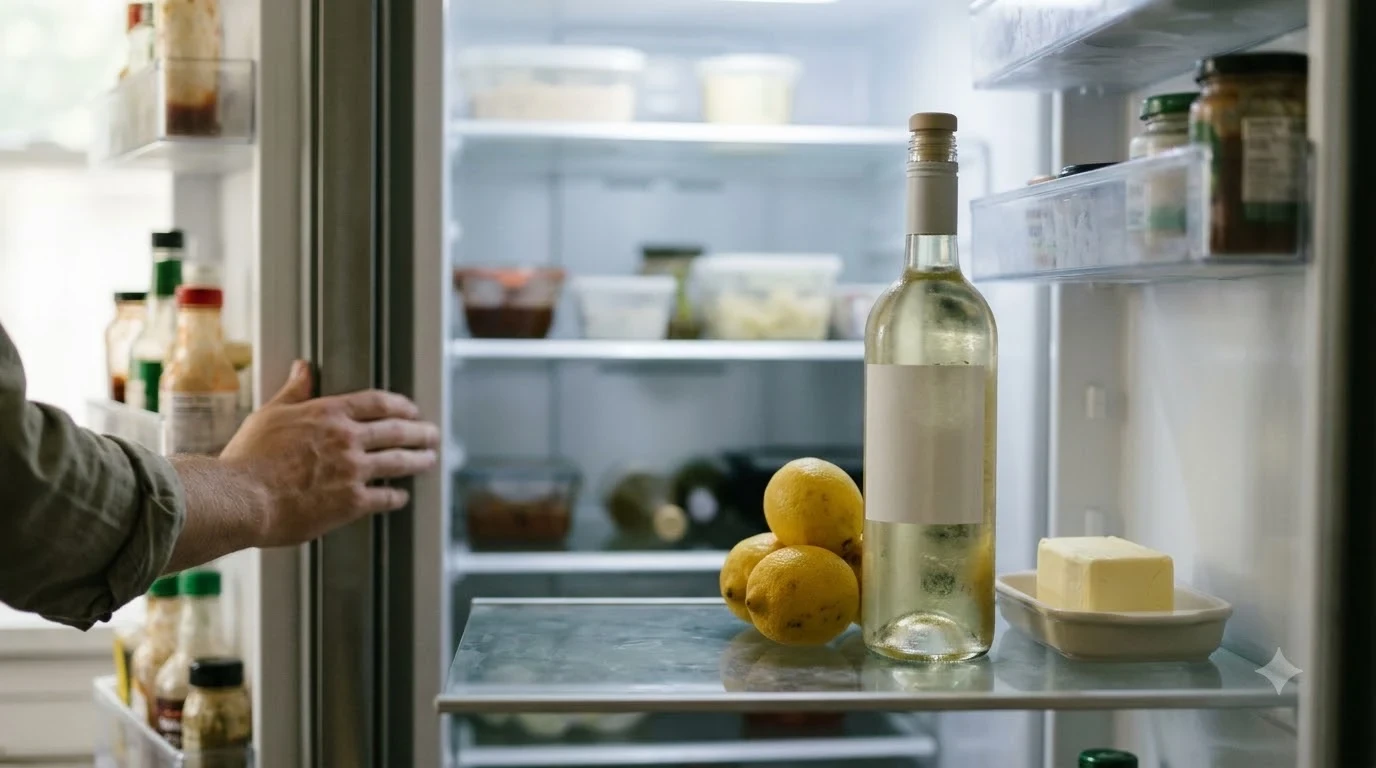
A household refrigerator is much colder and drier than a wine-storage environment, so it is better for short-term chilling than for holding a bottle for years. Use it to bring a bottle toward serving temperature, then return any wine you plan to age to a cool, stable place. Long-term storage in a very cold refrigerator can also make a natural cork more vulnerable to drying.
What does Gallo Nero mean on a Chianti Classico label?
Gallo Nero means Black Rooster, the trademark used to identify Chianti Classico. The consortium says the mark appears on Chianti Classico bottles on the neck or the back label. It is a useful visual clue when distinguishing Classico from other Chianti denominations.
Can an old Chianti become lighter in color without being spoiled?
Yes. Sangiovese’s color pigments can break down relatively quickly, and Decanter notes that garnet and orange tones may appear around three to four years after the vintage. Color should be considered with aroma, flavor, storage history, and the wine’s overall balance rather than used as a standalone test.
For most bottles, open basic Chianti within about five years and give better Chianti Classico, Riserva, or Gran Selezione wines more time only when their structure and storage history justify it. Keep the bottle cool, dark, and stable, then let its label and condition guide the decision rather than assuming every unopened red improves with age.
More in Wine Types & Grapes
 Zinfandel Sugar Content: Dry Red vs. White Zinfandel GramsUpdated Nov 21, 2026
 Best Zinfandel Substitute Options for Sipping and CookingUpdated Nov 21, 2026
 Zweigelt Food Pairing: Best Dishes, Cheeses, and Serving TipsUpdated Nov 21, 2026
 Zinfandel Tannins Explained: How Structure Shapes Every BottleUpdated Nov 21, 2026
 Zinfandel Sweetness Level: Dry Red vs. Sweet White Zin ExplainedUpdated Nov 21, 2026
 Xinomavro Food Pairing: Best Dishes, Styles, and Serving TipsUpdated Nov 21, 2026