

We may earn a commission when you buy through links on this page, at no extra cost to you. Learn more.
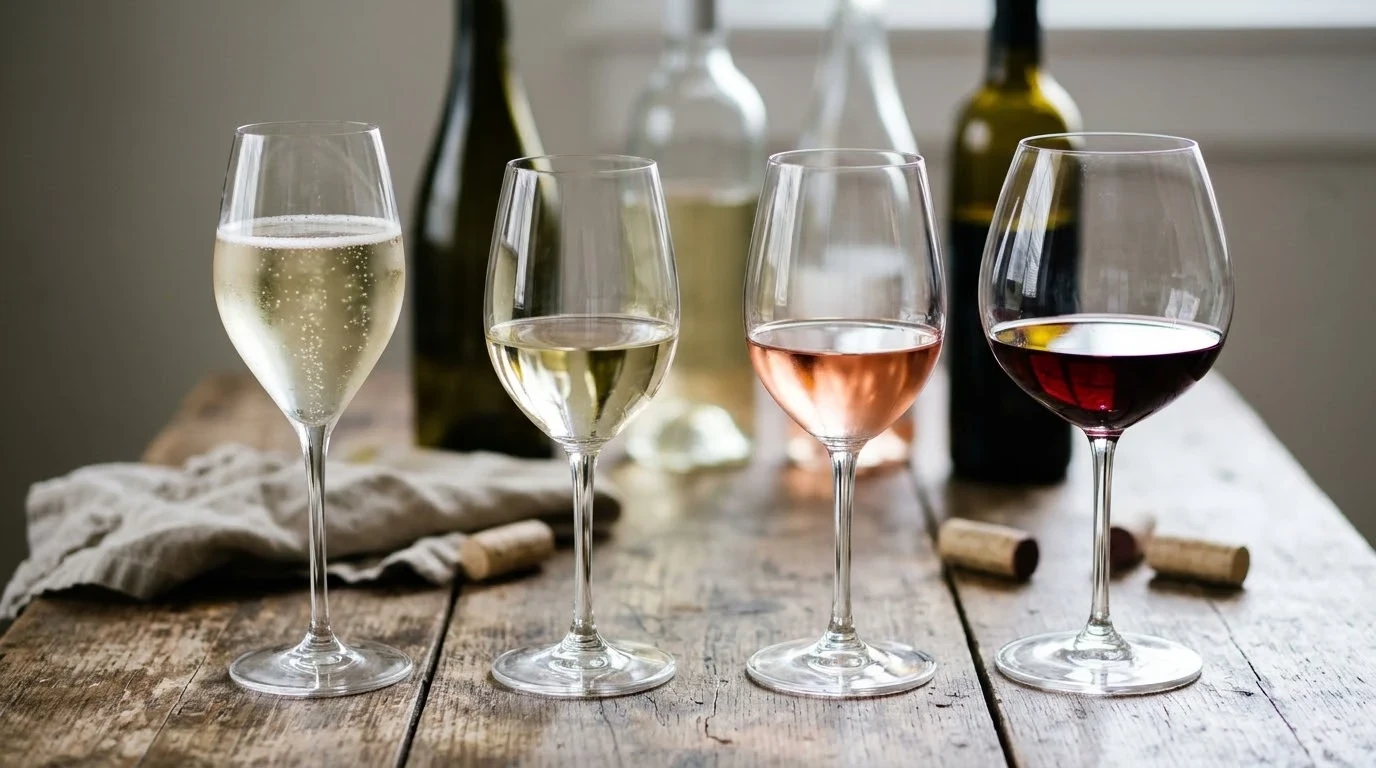
How long can wine sit out depends on whether the bottle is open and the room temperature, with most opened table wines staying fresh for only one to two days on a counter at 70°F (21°C) before oxygen flattens their fruit flavors. Uncorked bottles left in a warm room oxidize much faster than re-corked bottles stored in a refrigerator, where red, white, and rosé wines typically last three to seven days. Sparkling wines lose their carbonation within a few hours if left unstoppered at room temperature, while fortified styles like Tawny Port and Madeira can sit upright in a cool, dark spot for weeks or even months.
Leaving a half-empty bottle of Pinot Noir or Sauvignon Blanc on the kitchen counter overnight happens after almost every dinner party. While a bottle left unrefrigerated will not turn hazardous overnight, air, warmth, and kitchen light steadily strip away aroma and acidity until the pour tastes flat or sharply vinegary.
How Long Wine Lasts at Room Temperature vs. Refrigerated
An open bottle of table wine left unrefrigerated at a typical 70°F (21°C) room temperature peaks within hours and noticeably fades after 24 to 48 hours. Moving that same re-corked bottle into a refrigerator slows chemical reactions enough to stretch peak drinking quality to three to seven days depending on the grape and winemaking style.
Temperature controls the speed at which dissolved oxygen reacts with alcohol and phenolic compounds inside the glass. According to Wine Folly’s open bottle storage guide, storing an opened red wine in a refrigerator is significantly better than leaving it out in a 70°F (21°C) room, even though reds are normally served warmer than whites. Cold temperatures act as a brake on spoilage microbes and volatile acid formation, preserving primary fruit notes until you are ready for another glass.
The container also changes how quickly air reaches the liquid. Standard 750-milliliter glass bottles allow oxygen to fill the empty headspace every time you pour, whereas bag-in-box wines collapse around the remaining liquid inside an anaerobic pouch and stay drinkable for two to three weeks in the refrigerator. Unopened bottles behave differently as well: a sealed bottle sitting on a sunny kitchen counter for a few days will not immediately spoil, though prolonged heat above 70°F (21°C) prematurely ages the wine and can push the cork upward.
| Wine Style | Open on Counter (70°F / 21°C) | Re-Corked in Refrigerator | Best Closure Method |
|---|---|---|---|
| Sparkling Wine (Champagne, Prosecco) | 3 to 6 hours before going flat | 1 to 3 days | Hinged sparkling wine stopper |
| Light White and Rosé (Pinot Grigio, Sauvignon Blanc) | 1 day | 5 to 7 days | Original cork or screw cap |
| Full-Bodied White (Oaked Chardonnay, Viognier) | 1 day | 3 to 5 days | Original cork or screw cap |
| Light Red (Pinot Noir, Gamay) | 1 to 2 days | 2 to 4 days | Original cork or vacuum stopper |
| Full-Bodied Red (Cabernet Sauvignon, Syrah) | 2 to 3 days | 3 to 5 days | Original cork or vacuum stopper |
| Fortified Wine (Tawny Port, Madeira, Oloroso Sherry) | 3 to 8 weeks (Madeira lasts months) | 1 to 3 months | Original T-cork or screw cap |
Why Oxygen, Heat, and Light Change Opened Wine
Oxygen is the primary reason opened wine deteriorates, transforming fresh fruit aromas into bruised apple, nutty, or vinegar-like notes through a chain of chemical reactions. Heat and ultraviolet light accelerate that oxidation process, making a warm, sunlit countertop the worst possible place to leave an unfinished bottle.
The moment you pull a cork or twist off a screw cap, ambient air rushes into the neck of the bottle and begins dissolving into the wine. At first, a modest dose of oxygen helps tightly wound red wines soften harsh tannins and release hidden aromatics, which is why sommeliers decant young bottles before dinner. Once the wine passes its peak aeration window, however, continued air exposure converts ethanol into acetaldehyde—the compound responsible for flat, nutty aromas—and eventually allows Acetobacter bacteria to convert alcohol into acetic acid.
Ambient temperature determines how fast those reactions advance. Warmth increases molecular activity, meaning a bottle sitting near a stove or sunny window at 75°F (24°C) oxidizes roughly twice as fast as one stored at cellar temperature. Ultraviolet rays from direct sunlight or bright kitchen fixtures also trigger light strike, a reaction that degrades delicate sulfur-containing compounds and leaves white and sparkling wines smelling like wet cardboard or cooked cabbage.
Every style of wine brings its own natural armor against air. Wines with higher levels of tannin, acidity, residual sugar, or alcohol resist oxidation far longer than delicate, low-tannin bottles. That structural difference explains why a tannic Cabernet Sauvignon holds up on a counter for two days while a fragile, low-tannin Pinot Noir loses its floral lift by the next afternoon.
Lifespan by Wine Style: Reds, Whites, Sparkling, and Fortified
Each wine category follows a distinct timeline once exposed to air, with sparkling wines fading within hours and fortified styles enduring for weeks. Knowing how structure protects different bottles helps you decide which leftovers belong in the fridge immediately and which can sit out through a long evening.
Sparkling wines such as Champagne, Cava, and Prosecco have the shortest lifespan once opened because carbon dioxide escapes rapidly at room temperature. Left unstoppered on a table, bubbly loses most of its lively effervescence within three to six hours, though sealing the neck with a pressure-rated sparkling stopper and chilling the bottle keeps bubbles intact for one to three days. If you need to bring a warm bottle down to serving temperature first, check our guide on how long to chill champagne before popping the cork.
Crisp white wines and dry rosés rely on bright acidity to stay refreshing, and warm room temperatures dull that crispness within 24 hours. When re-stoppered promptly and placed upright in the refrigerator, light whites like Pinot Grigio and Sauvignon Blanc stay lively for five to seven days, while richer, oak-aged whites such as Chardonnay hold their texture for three to five days. In interviews with Wine Enthusiast on how long a bottle can stay open, wine professionals note that denser, higher-tannin reds like southern Rhône blends or Primitivo withstand oxygen for five to six days when sealed and kept cool, whereas lighter reds like Beaujolais or Pinot Noir fade in two to four days.
Fortified and sweet dessert wines sit at the opposite end of the spectrum because added grape spirit and higher sugar levels inhibit microbial spoilage. Reviewers and producers note that delicate Fino and Manzanilla Sherries should be refrigerated and finished within a week, while oxidative styles like Amontillado, Oloroso, Tawny Port, and Madeira are already deliberately exposed to oxygen during aging and remain delicious upright in a cool cabinet for weeks or months.
Tip: Stand opened bottles upright in the refrigerator rather than laying them on their side—keeping the bottle vertical shrinks the surface area of wine exposed to air inside the bottle.
Real-Life Situations: Glasses, Decanters, and Overnight Bottles
A poured glass of wine sitting on a coffee table loses aroma much faster than wine inside a re-corked bottle because its wide bowl exposes a large surface area to room air. Most poured glasses start tasting noticeably flat after three to four hours, and a glass left out overnight will taste dull and papery by morning.
Decanters speed up oxidation in the same way. Wide-bottomed glass carafes are designed to maximize air contact so young, tannic reds soften within one to four hours before dinner, but leaving leftover wine inside an open decanter overnight exposes the entire batch to continuous airflow. If you finish dinner with half a decanter left, funnel the remaining wine back into its original bottle, push the cork in tightly, and place it in the refrigerator so the narrow neck limits further oxygen exchange.
Party punches and warm spiced infusions follow slightly different rules because added citrus, spices, and simmering heat alter their stability. If you are hosting a seasonal gathering and planning ahead for leftovers, review how long does mulled wine last so you know when to cool and refrigerate an unfinished batch.
How to Tell If Wine Left Out Has Gone Bad
Oxidized wine is rarely dangerous to drink because alcohol and acidity prevent harmful pathogens from growing, yet spoiled wine is easy to spot through clear changes in smell, color, and taste. Checking those three sensory clues takes ten seconds and prevents you from pouring a ruined glass.
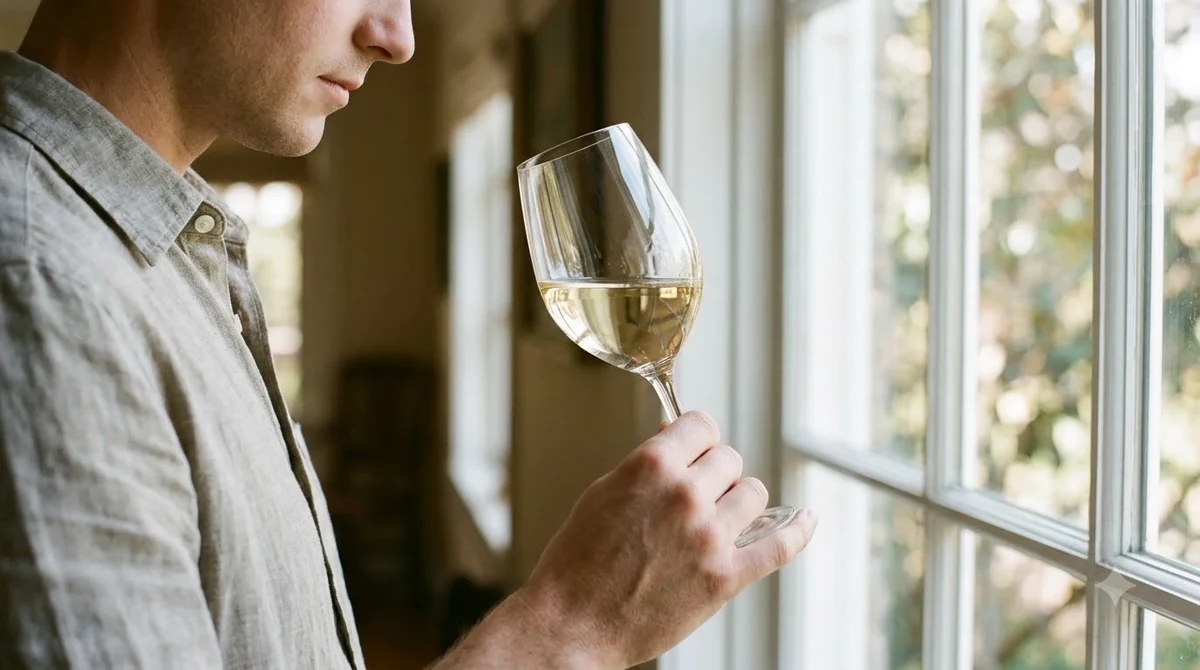
Start with your nose before taking a sip. Fresh wine smells like fruit, herbs, flowers, or subtle oak, whereas wine that has sat out too long develops sharp aromas of nail polish remover, bruised apples, wet cardboard, or sour vinegar. If the bottle was corked and smells distinctly like musty basement or damp newspaper, the wine is suffering from cork taint rather than simple oxidation, which means the flaw existed before you opened the bottle.
Look closely at the color against a white napkin or countertop. White wines turn from pale straw to deep gold or brownish amber as they oxidize, while vibrant ruby red wines shift toward murky brick brown around the rim. Finally, taste a small splash: past-its-prime wine feels flat on the mid-palate, lacks bright fruit on the finish, or leaves a harsh, vinegary sting at the back of the throat, though mildly oxidized wine that is not yet sour still works well for deglazing a pan or simmering into a braise. For more everyday storage and serving questions, visit our Wine Q&A library.
Frequently Asked Questions
Can you drink wine that was left out overnight?
Yes, wine left out overnight on a counter is completely safe to drink, though its flavor depends on the style and whether the bottle was corked. Full-bodied reds often taste just as good—or even slightly softer—the next day, whereas unstoppered sparkling wine will be flat and delicate whites may taste noticeably less vibrant.
How long can an unopened bottle of wine sit out at room temperature?
An unopened bottle of wine can sit out at a steady room temperature around 70°F (21°C) for several weeks or a few months without spoiling, provided it stays out of direct sunlight. For long-term aging beyond a few months, wine needs cooler storage around 55°F (13°C) so heat does not prematurely flatten its aromatics or push the cork.
Does putting a spoon in a Champagne bottle keep it fizzy?
No, dangling a metal spoon in the neck of an open Champagne bottle does not preserve carbonation. Carbon dioxide escapes through the open neck regardless of metal temperature, so the only effective way to keep sparkling wine bubbly for up to three days is sealing it tightly with a hinged sparkling wine stopper and chilling it upright.
Should you put opened red wine in the fridge?
Yes, storing an opened red wine bottle in the refrigerator is the easiest way to slow oxidation and preserve its fruit flavors for three to five days. Simply re-cork the bottle upright after pouring, then take it out of the fridge 20 to 30 minutes before your next glass so it warms back toward cellar temperature.
Keeping track of how long wine sits out comes down to minimizing contact with warm air and bright light. Re-cork unfinished bottles promptly, stand them upright in the refrigerator between pours, and let your nose and palate confirm whether a leftover bottle is still worth sipping.
More in Wine Basics
 Which Rose Is Best for Your Taste, Budget, and Food PairingsUpdated Nov 21, 2026
 Is Cheap Wine Bad? How to Find Bottles Worth DrinkingUpdated Nov 21, 2026
 What To Write On A Wine Gift Tag: Thoughtful Messages For Every OccasionUpdated Nov 21, 2026
 Which Wine Is Best For Weight Loss? Compare Lower-Calorie ChoicesUpdated Nov 21, 2026
 What Is The Best Wine For Mimosas? Choose Bubbly That Balances Orange JuiceUpdated Nov 20, 2026
 Which Prosecco Is Best for Your Taste and OccasionUpdated Nov 20, 2026