

We may earn a commission when you buy through links on this page, at no extra cost to you. Learn more.
The healdsburg wine festival is the Healdsburg Wine & Food Experience, a four-day celebration of Sonoma County wine, regional food, and international producers in Healdsburg, California. The next edition is scheduled for May 20–23, 2027. Past programs have paired a large public tasting with chef events, seminars, and smaller ticketed experiences, making the weekend as much about food and regional agriculture as it is about wine.
Use this guide to plan around the confirmed 2027 dates, understand the wines grown near town, and get practical advice for tasting and transportation. Details from the 2026 program are identified as examples, not as a preview of an unannounced 2027 schedule.
What the Festival Actually Celebrates
The Healdsburg Wine & Food Experience brings together Sonoma County farmers, grape growers, winemakers, chefs, and guests with wines from other well-known regions. The four-day gathering is built around local agricultural identity while giving attendees a chance to compare Sonoma bottles with wines from beyond California.
That local-and-global approach distinguishes the event from a tasting focused on one appellation. The organizers emphasize culinary diversity, sustainable farming, and the connection between Sonoma agriculture and the wider food and wine community. A visitor might encounter Dry Creek Valley Zinfandel in one setting, then taste an international wine alongside a chef’s dish in another.
The North Bay Bohemian has described the format as a collaboration between local chefs and nationally or internationally known chefs, with local wines presented alongside international selections. That balance fits Healdsburg’s close ties between restaurants, farms, and wineries.
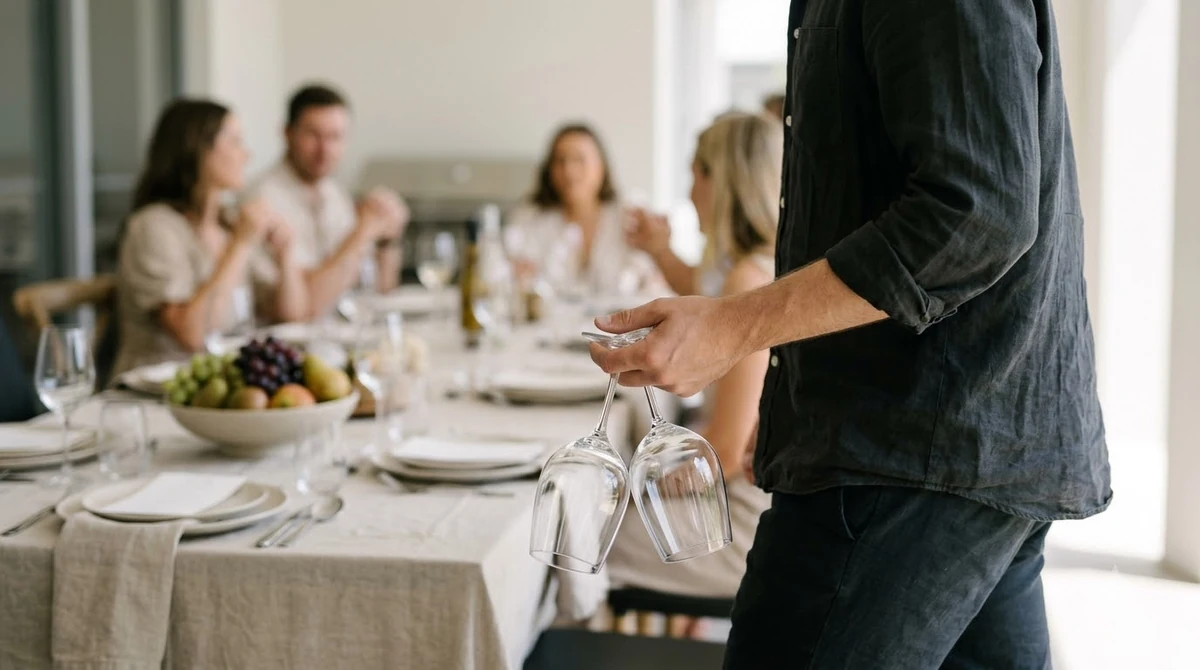
Expect a mix of formats rather than one continuous festival floor. Earlier programs have included a Grand Tasting, dinners, seminars, lunches, music, and gatherings at winery or restaurant venues. Read each event description before choosing tickets: access to one program does not automatically include every other event.
2027 Dates, Tickets, and the Program
The next Healdsburg Wine & Food Experience is set for Thursday, May 20, through Sunday, May 23, 2027, in Healdsburg, California. The organizer has announced the dates, but the full 2027 schedule and the complete event-by-event ticket details should be checked as they are released.
The official website has stated that Grand Tasting presale begins November 27, 2026, with 200 presale tickets available. That is a specific presale announcement, not a guarantee that general admission, VIP packages, or individual event tickets will have the same release timing or availability. Use the official Healdsburg Wine & Food Experience site for the current ticket categories, event descriptions, terms, and any schedule changes before making travel arrangements.
The 2026 program is useful as a reference for the event’s range, but it should not be treated as a confirmed 2027 timetable. The organizer’s 2026 release reported more than 150 local and international wine producers at the Grand Tasting. The table below records selected details from that previous edition so visitors can understand the kinds of experiences that have appeared during the four-day weekend.
| 2026 program example | Published details | What it illustrates |
|---|---|---|
| Vintners Plaza Grand Tasting | Saturday, May 16; noon–4 p.m.; VIP entry from 11 a.m. | A concentrated tasting session with local and visiting producers. |
| Wine producer participation | More than 150 local and international producers | A chance to compare Sonoma wines with selections from other regions. |
| Seminars | Examples included a Beringer history session and a red-wine-and-lamb pairing | Educational sessions for guests interested in winemaking history and food pairing. |
| Chef-led events | Examples included an omakase dinner, a garden-to-table lunch, and a sommelier pairing dinner | Smaller experiences that connect food preparation with wine selection. |
Distinguish a Grand Tasting ticket from a ticket for a separate event. In 2026, the organizer offered individual à la carte tickets as well as weekend credentials, with entry tied to the specific purchase. The 2027 structure may change, so compare inclusions rather than assuming one pass covers every dinner, seminar, or party.
Tip: Set a reminder for the announced November 27, 2026 Grand Tasting presale, but wait for the 2027 event descriptions before booking nonrefundable extras around a particular chef, winery, or venue.
Three Wine Valleys and Their Signature Styles
Healdsburg sits where three recognized wine-growing areas meet: Dry Creek Valley, Russian River Valley, and Alexander Valley. Each has a distinct calling card, so learning the basic grape profiles makes a tasting flight easier to understand and gives the weekend a useful regional structure. For a wider view of Sonoma’s appellations and the roles of climate, topography, and soils, consult Sonoma County’s AVA overview.
Dry Creek Valley: Zinfandel and Sauvignon Blanc
Dry Creek Valley lies just west of Healdsburg and is strongly associated with Zinfandel. The region’s winegrowers describe it as a 16-mile-long, two-mile-wide valley with more than 150 growers and about 70 wineries. Zinfandel is the signature red, while Sauvignon Blanc is another important local style; Cabernet Sauvignon and Rhône varieties also appear. The valley’s warm days help grapes ripen, while cooler evening air helps preserve freshness.
For a first comparison, look for Zinfandel with ripe berry fruit, spice, and enough acidity to keep the finish fresh. Valley-floor and benchland sites can differ in exposure and soil, which shape texture and concentration. Sauvignon Blanc offers a contrasting style, with brighter acidity and citrus or herbal notes.
Russian River Valley: Pinot Noir and Chardonnay
The Russian River Valley is best known for Pinot Noir and Chardonnay. The area has a cooler influence than the warmer inland valleys, helping preserve acidity in these varieties. Pinot Noir is generally lighter in tannin than Cabernet Sauvignon, with freshness and red-fruit character; Chardonnay ranges from leaner, citrus-driven examples to richer wines shaped by oak and lees work.
Taste the two grapes side by side. Pinot Noir shows how site and vintage affect delicacy and savory detail, while Chardonnay reflects choices about ripeness, malolactic fermentation, and oak. Notice whether a Chardonnay is crisp and citrus-led or rounder and creamier.
Alexander Valley: Cabernet Sauvignon and Bordeaux Varieties
Alexander Valley is especially associated with Cabernet Sauvignon and other Bordeaux varieties. Cabernet typically brings firmer tannin and darker-fruit structure than Pinot Noir, so it provides a useful contrast after lighter Russian River wines. Merlot is usually softer and has medium tannin, while Cabernet-based blends can combine structure with the rounder texture of other Bordeaux grapes.
Consider how the valleys contrast: Dry Creek Zinfandel can show ripe fruit and spice, Russian River Pinot Noir acidity and a lighter frame, and Alexander Valley Cabernet more grip. The comparison is a lesson in local site differences, not a contest to name one valley best. For more on appellations, see our guide to Wine Regions.
How to Taste Wine More Thoughtfully
A festival tasting is more useful when you compare a few wines with a clear purpose instead of trying to sample every table. Choose a grape or style, taste two or three examples, and note the differences in acidity, tannin, body, fruit character, and finish.
Start with lighter wines before moving to more structured reds. A sensible sequence might begin with sparkling wine or Sauvignon Blanc, continue through Chardonnay and Pinot Noir, and finish with Zinfandel or Cabernet Sauvignon. If a tasting flight is already arranged differently, there is no need to follow a rigid order, but intense tannin and oak can make delicate wines seem muted if you taste them first. Water and a pause between pours help reset your palate.
Pay attention to temperature, especially at an outdoor event. Sparkling wine is generally best served around 40–50°F; light whites and rosé around 45–50°F; full-bodied whites around 50–55°F; light reds around 55–60°F; and fuller reds around 60–65°F. A red served too warm can seem heavy, while a white served too cold may hide its aromas. If the day is sunny, take a moment to notice whether a wine has warmed in the glass before judging its balance.
Make a short note for each wine: aroma, acidity, tannin, body, and finish. One Pinot Noir may be high in acidity with soft tannin, while another feels broader and more savory. With Zinfandel, notice whether ripe fruit is balanced by freshness; with Cabernet, decide whether the tannin is integrated or drying. Consistent notes are more useful than a long list of producer names.
Food Pairings and Culinary Events
Food is not an accessory to the Healdsburg program; it is one of the event’s main themes. Past editions have included chef demonstrations, multi-course meals, regional produce, seafood, lamb, pizza, sushi, and wine-pairing seminars, giving visitors a chance to see how the same grape can behave differently beside different foods.
Use acidity as a guide when pairing wine with food. Dishes with lemon, vinegar, tomatoes, or other strong acidic ingredients usually need a wine with equal or higher acidity, otherwise the wine can taste flat. Sauvignon Blanc or a crisp sparkling wine can work well with citrus-led seafood, salads, and herb-driven dishes. Chardonnay can suit richer fish or poultry when its acidity is sufficient to refresh the palate.
For richer meat dishes, salt and fat soften tannin, helping a structured Cabernet Sauvignon or Syrah work with lamb, steak, or braised meat. Pinot Noir’s lower-to-medium tannin and higher acidity can suit roast poultry, mushrooms, or salmon. Oily fish can clash with tannic reds, so choose a bright white or lighter red.
Match sweetness carefully when dessert is involved: the wine should be at least as sweet as the dish. A dry wine beside a very sweet dessert can taste sharp or bitter, while a sweet wine can feel balanced beside fruit tart, custard, or a pastry with a sweet filling. For spicy food, remember that alcohol and tannin can make chili heat feel stronger; a lower-alcohol, fruit-forward wine is often a safer choice than a high-alcohol Cabernet or Syrah. Past programming included an omakase dinner at Aperture Cellars, a garden-to-table lunch at Kendall-Jackson Wine Estate & Gardens, and a sommelier pairing dinner at Dry Creek Kitchen. These are 2026 examples, not confirmed 2027 bookings; select meals that suit the styles you want to explore, such as seafood with bright whites or lamb with structured reds.
Where to Stay and How to Get Around
Downtown Healdsburg is the simplest base for visitors who want restaurants, tasting rooms, and the town plaza within walking distance. The surrounding vineyards are spread across the three valleys, so a winery visit outside town requires more planning than walking between tasting rooms along the plaza.
According to Visit Healdsburg’s transportation FAQ, Healdsburg is about 70 miles north of San Francisco by road. Charles M. Schulz–Sonoma County Airport in Santa Rosa is the closest commercial airport, roughly 9.5 miles or 14 minutes from the plaza; San Francisco International and Oakland are about 82.6 and 83.2 miles away by road, respectively. Travel time can vary, especially on Highway 101, so allow extra time rather than scheduling a tasting immediately after landing.
For the festival itself, follow the transport instructions attached to each ticket. The 2026 program used complimentary shuttles for certain off-site events and directed guests to downtown pickup points; some venues had no on-site parking. Those routes and pickup times should not be assumed for 2027. The prior event guide also recommended layers, sunscreen, and comfortable shoes for the Grand Tasting, sensible advice for spending several hours outdoors in wine country.
For wineries beyond downtown, arrange a designated driver, hired driver, guided tour, or bike route in advance. Local buses do not serve every vineyard stop, so do not rely on finding a last-minute ride back from a rural tasting. A hotel near the plaza makes it easier to return between events or take a break before dinner. Reserve lodging early for a May festival weekend, especially near the plaza, and check cancellation terms and venue distances before booking; a room close to downtown may still require a shuttle for an off-site winery dinner. For another Northern California reference point, see our Livermore Wine Festival coverage, or compare a different regional format with the Indiana Wine Festival.
Frequently Asked Questions
Before buying a ticket, note that the organizer’s published terms set a 21-and-over admission rule and require government-issued photo identification. Sonoma County Tourism reports that the county includes 19 American Viticultural Areas, nearly 60,000 acres of vineyards, and more than 425 wineries, so Healdsburg is a starting point for a much larger wine region.
Is the Healdsburg Wine & Food Experience 21 and over?
Yes. The organizer’s published terms say attendees must be at least 21, including children in strollers unless a specific event is noted otherwise. Bring a valid government-issued photo ID, such as a driver’s license or passport, for entry.
How many wineries should I visit in a Sonoma County trip?
Sonoma County Tourism recommends focusing on only a few AVAs at a time and allowing two or three days to explore them. Its suggested pace is about three or four wineries per day, which leaves time for food, travel, and unrushed tasting rather than turning the trip into a series of short stops.
Which airport is closest to Healdsburg?
Charles M. Schulz–Sonoma County Airport in Santa Rosa is about 9.5 miles from Healdsburg Plaza, or roughly 14 minutes by car in typical route estimates. San Francisco International Airport is about 82.6 miles away by road, and Oakland International Airport is about 83.2 miles away.
Does the festival support local organizations?
The organizer identifies the Healdsburg chapter of Future Farmers of America as a beneficiary of its scholarship fund for students pursuing careers in farming or agriculture. It also supports Farm to Pantry, a nonprofit that works with growers and volunteers to rescue and share locally grown produce with neighbors facing food insecurity.
Can I visit wineries without booking an appointment?
Policies vary by winery. A local directory based on winery websites lists both walk-in tasting rooms and appointment-only properties, and some wineries require advance reservations for larger groups even when individual visitors can walk in. Check each winery’s own booking policy before adding it to a festival itinerary.
The Healdsburg Wine & Food Experience is a strong choice for visitors who want Sonoma wines, thoughtful food pairings, and a closer look at the region’s agricultural community in one long weekend. Plan around the confirmed May 20–23, 2027 dates, then use the released program to select the tastings and dinners that best match your interests.
More in Wine Regions
 Willcox Wine Trail: Discover Arizona’s High-Elevation Wine CountryUpdated Nov 20, 2026
 Yakima Valley Wine Region: Find the Best Styles to TryUpdated Nov 20, 2026
 Vosne Romanee Wine Tasting: Identify Aromas and Choose Better PairingsUpdated Nov 20, 2026
 Yakima Valley Wine Festival: Find the Best Seasonal Wine EventsUpdated Nov 20, 2026
 Wales Vineyards: Discover Cool-Climate Wines and Where to VisitUpdated Nov 20, 2026
 Yountville Wine Festival: Discover Napa Wines and Local FoodUpdated Nov 20, 2026