

We may earn a commission when you buy through links on this page, at no extra cost to you. Learn more.
The Grapevine Wine Festival is most often GrapeFest – A Texas Wine Experience, a four-day celebration of Texas wine held each September on Historic Main Street in Grapevine. The event combines a consumer-judged Texas wine competition with international pours, grape stomping, seminars, live music and food from more than 70 vendors. It is the largest wine festival in the Southwest and draws more than 225,000 visitors annually. Travelers who use the phrase “Grapevine wine festival” will find the core action on and around Main Street, with tasting rooms open year-round.
Grapevine sits between Dallas and Fort Worth, minutes from DFW International Airport, and its walkable historic district makes the festival easy to navigate on foot. The guide below covers the event’s identity, tasting strategy, winery stops, food pairing basics and the practical details that separate a rushed visit from a well-paced weekend.
What the Grapevine Wine Festival Includes
The Grapevine Wine Festival centers on GrapeFest, a four-day event with a flagship Texas tasting competition, an international wine experience, grape stomping and seminars. The official GrapeFest page describes it as the Southwest’s largest wine festival and a Top 10 U.S. wine festival.
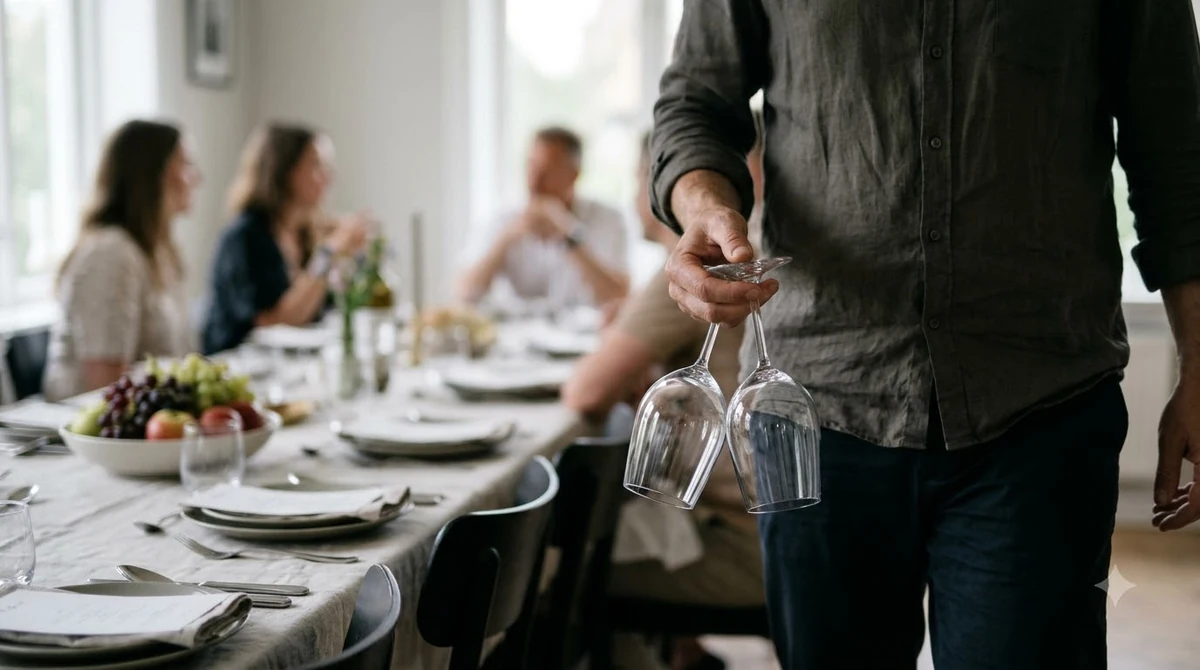
The People’s Choice Wine Tasting Classic is the festival’s best-known session. According to the Grapevine Convention and Visitors Bureau, it is the largest consumer-judged wine tasting competition in the nation, with 40 wineries pouring more than 100 wines across ten 90-minute sessions. Tasters receive a souvenir glass, meet Texas winemakers and vote in ten categories that range from dry white and blush to light red, bold red and sweet red blends.
That structure matters for planning. A single session takes an hour and a half, and the festival runs four days, so the tasting is not a quick walk-up pour. Visitors choose a timed slot, work through the wines at their own pace and cast votes before the session ends. The result is a festival that feels part wine fair, part judging table and part Texas street party.
The festival began in 1987 with 700 attendees and six Texas wineries, according to CW33, and it has grown into a regional draw with four live-music stages, a carnival, a kid zone and more than 70 artisan vendors. The scale is large, but the historic Main Street setting keeps the event compact enough to cover on foot.
GrapeFest Dates, Location and Transportation
GrapeFest runs four days in September, Thursday through Sunday, on Historic Main Street in Grapevine. The district is compact, but traffic and parking tighten around peak tasting hours, so the train is often the simpler arrival plan.
TEXRail connects DFW Airport to Grapevine/Main Street Station, and DART connects Dallas to DFW Airport, according to Dallasites101. That combination lets visitors fly in, ride the train and walk into the festival without a rental car. From Fort Worth and North Richland Hills, TEXRail also provides a direct route to the Grapevine station.
Admission is free on Thursday and free on Friday before 5 p.m.; weekend passes and adult tickets are available for the remaining hours. The free Thursday window is useful for visitors who want to scout the layout, catch the Grapevine Vintage Railroad’s seasonal 21-and-over Harvest Wine Train and return later in the weekend for a timed tasting session. Friday before 5 p.m. is another low-friction window for a first look at the vendor rows and stage schedules.
| Festival detail | Figure |
|---|---|
| Festival length | 4 days |
| Annual visitors | More than 225,000 |
| Inaugural attendance | 700 |
| Inaugural Texas wineries | 6 |
| People’s Choice Texas wineries | 40 |
| People’s Choice wines | More than 100 |
| People’s Choice sessions | 10 |
| Session length | 90 minutes |
| GrapeStomp grapes per team | 15 pounds |
| GrapeStomp time limit | 2 minutes |
| Live music stages | 4 |
| Artisan vendors | More than 70 |
Tasting Sessions and a Smart Festival Strategy
The People’s Choice session is a timed tasting, not an all-day pass, so the best strategy is to build the day around one 90-minute slot. Morning sessions leave the afternoon free for the Urban Wine Trail; late-afternoon sessions pair well with a late lunch and an evening of music.
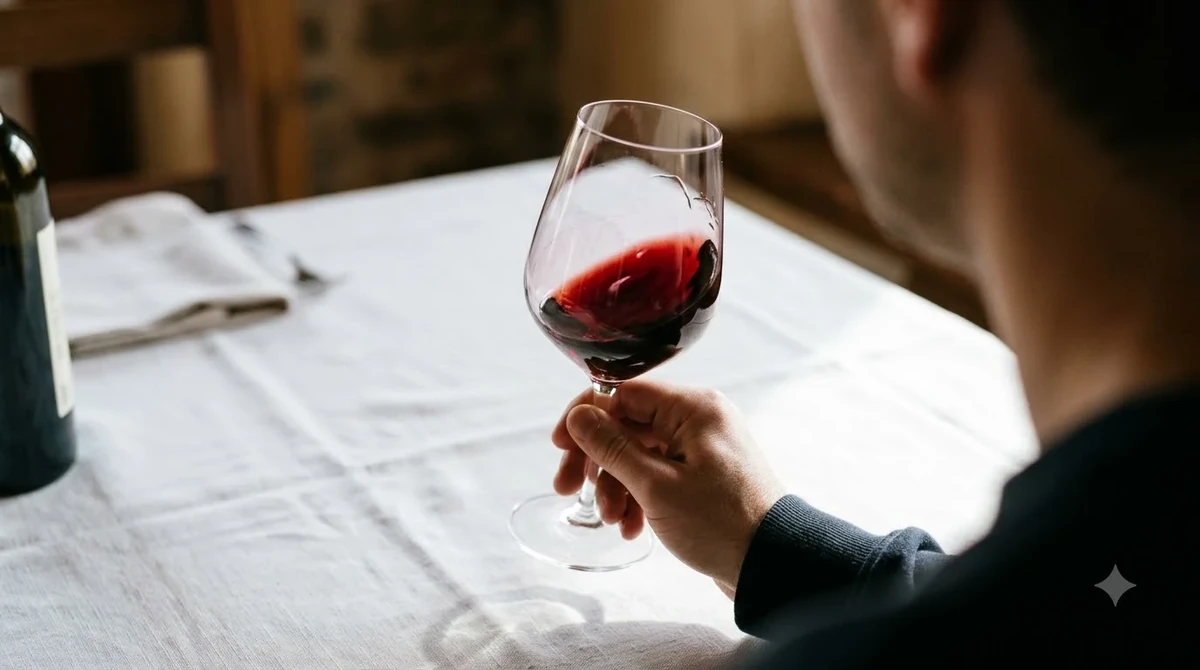
Inside the session, start with dry whites and blush before moving to light reds, medium reds and bold reds. Sweet wines come last because residual sugar coats the palate and makes dry wines taste leaner. A standard pour is 5 ounces, though festival sample pours are typically smaller; a 750 ml bottle holds about five standard glasses, which is why sharing a bottle or choosing a flight is more practical than committing to a full glass of every style.
Temperature matters even at a street festival. Sparkling wines show best at 40–50 F, light whites and rosé at 45–50 F, full whites at 50–55 F, light reds at 55–60 F and full reds at 60–65 F. A warm Texas afternoon can push a red above 70 F quickly, so keep pours modest and use shaded tasting areas when possible. For a calmer weekend, plan a grapevine wine tasting outside festival dates, when the tasting rooms are less crowded and the pace is slower.
Wineries and the Urban Wine Trail
Grapevine’s Urban Wine Trail includes nine Texas winery tasting rooms within walking distance along and around Historic Main Street. The lineup gives festival visitors a year-round route through Texas wine without leaving the historic district.
The trail includes Bingham Family Vineyards at 620 S. Main St., Bull Lion Ranch & Vineyard at 150 W. College St., Cross Timbers Winery at 805 N. Main St., Grape Vine Springs Winery at 409 S. Main St., Housewife Rebellion at 211 E. Worth St., Landon Winery at 415 S. Main St., Messina Hof Grapevine Winery at 201 S. Main St., Red Dirt Cellars at 401 S. Main St. and Winestein’s Tasting Room at 280 N. Main St. That concentration makes a two-day plan sensible: one day for the festival grounds and one day for the tasting rooms.
Wine Enthusiast’s Grapevine travel guide recommends Landon Winery and Red Dirt Cellars, and local experts point to Tempranillo as a Texas standout. Landon’s tasting flights and patio seating make it a useful first stop, while Red Dirt Cellars offers both Texas and global wines by the glass. Bingham Family Vineyards is another strong choice for visitors who want a High Plains perspective; its tasting room pours wines sourced from grapes grown in Meadow, Texas.
For a broader look at local growers, see this guide to grapevine vineyards. The tasting rooms are not festival-only operations, so visitors who arrive a day early or stay a day late can still build a serious Texas wine itinerary. Many rooms host their own events, flights and live music throughout the year.
GrapeStomp, Seminars and International Pours
GrapeStomp is the festival’s loudest tradition: teams of two enter wine barrels and crush 15 pounds of grapes in two minutes. Daily winners advance to the Grand Champion StompOff on Sunday afternoon, where the Purple Foot Award goes to the fastest team.
The International Wine Experience broadens the lineup beyond Texas. According to CW33, it includes selections from France, Napa Valley and Grapevine’s Sister Cities, and ticketed blind tastings recreate the 1976 Judgment of Paris. Educational seminars include a Barossa Premium Wine Experience and Master Class, plus 60-minute classes on Cabernet Sauvignon and Sauvignon Blanc. These sessions suit visitors who want structured learning rather than a walk-around tasting.
The festival also uses its four stages for tribute bands, local acts and smaller performances near the Champagne Terrace and International Wine Experience. More than 70 artisan vendors line Main Street, selling everything from custom hats and jewelry to hand-painted glassware. For another regional festival model, see our New Jersey wine festival coverage and compare how food, music and tasting tickets are organized.
Food, Serving Temperatures and Pairing Basics
Festival food runs from funnel cakes and corn dogs to steak on a stake, Filipino dishes, hand pies and Tex-Mex. The pairing rules that work at a restaurant table also work on Main Street, even when the setting is casual.
Wine should be at least as sweet as the dessert; a dry Cabernet alongside a sugary pastry tastes harsh. Acidic food needs wine with equal or higher acidity, so Sauvignon Blanc and Riesling work with vinegar-based sauces and citrus. Salt and fat soften tannin, which is why a steak taco or a charcuterie board makes a high-tannin Cabernet Sauvignon feel smoother. Chili heat is amplified by alcohol and tannin, so a spicy dish is easier with a lower-alcohol white than with a bold red. Oily fish clashes with tannic reds; a white with medium acidity is the safer choice.
For a festival picnic or a hotel-room spread, keep temperatures simple. Sparkling wine at 40–50 F, light whites at 45–50 F, full whites at 50–55 F, light reds at 55–60 F and full reds at 60–65 F. Store bottles on their side near 55 F, and if a young full red feels tight, decant it for 30–60 minutes. For a deeper look at how appellations shape flavor, visit our Wine Regions section.
Tip: Choose a People’s Choice session before booking travel, then build the rest of the day around that 90-minute slot; a Saturday afternoon session leaves the morning free for the Urban Wine Trail and the evening free for music and food.
Practical Tips for a Smooth Festival Day
GrapeFest rewards a loose plan more than a rigid schedule. The festival is walkable, but the days are long, the tasting slots are timed and the most popular sessions fill before the weekend begins.
Arrive before the midday rush, especially on Saturday. Use TEXRail if you are coming from DFW Airport or Fort Worth, and use DART plus TEXRail if you are coming from Dallas. Wear comfortable shoes for the Main Street pavement and the tasting-room circuit. If you plan to visit the Urban Wine Trail, split it over two days rather than trying to hit all nine rooms in one afternoon.
Eat before a bold-red tasting rather than after it. Salt and fat soften tannin, so a savory snack improves the experience. Keep the festival schedule flexible: the People’s Choice tasting is the anchor, but the International Wine Experience, seminars and GrapeStomp are separate events with their own timing. Visitors who want a quieter base should book a hotel near Main Street and walk to the festival rather than drive in each day.
Frequently Asked Questions
Where does GrapeFest rank among U.S. wine festivals?
GrapeFest ranks seventh in the USA TODAY 10Best Readers’ Choice Awards for Best Wine Festival and is listed among the Top 10 wine festivals in the U.S. The official festival page highlights that ranking alongside its billing as the largest wine festival in the Southwest.
What is the Florence Door at GrapeFest?
The Florence Door is a small wooden door at the Champagne Terrace inspired by 16th-century Italian buchette del vino, or wine windows. Visitors knock on the door to receive a glass of Champagne, a detail that adds a bit of old-world theater to the festival grounds.
When are the People’s Choice results announced?
People’s Choice results are announced Sunday at 5 p.m. The Grand Champion StompOff also takes place Sunday afternoon, so the final day brings both the wine voting results and the grape-stomping final together.
Is there a wine train during GrapeFest?
Yes. The Grapevine Vintage Railroad operates its seasonal 21-and-over Harvest Wine Train on Thursday. The train gives visitors a separate wine-focused activity beyond the Main Street tasting tents and is limited to adult passengers.
What else is GrapeFest known for besides wine?
GrapeFest/Main Street Fest was voted the top Food & Drink Festival in North Texas. The event combines wine with four stages of live music, a carnival, a kid zone, artisan shopping and a broad food lineup that runs from festival classics to Filipino dishes and hand pies.
The Grapevine Wine Festival works best when the tasting session is treated as the anchor of the day, not the whole day. Pair a timed People’s Choice slot with a morning or evening on the Urban Wine Trail, use the train if you can, and leave room for the food and music that make GrapeFest more than a tasting event. With a little planning, the four-day festival becomes a manageable and memorable Texas wine weekend.
More in Wine Regions
 Willcox Wine Trail: Discover Arizona’s High-Elevation Wine CountryUpdated Nov 20, 2026
 Yakima Valley Wine Region: Find the Best Styles to TryUpdated Nov 20, 2026
 Vosne Romanee Wine Tasting: Identify Aromas and Choose Better PairingsUpdated Nov 20, 2026
 Yakima Valley Wine Festival: Find the Best Seasonal Wine EventsUpdated Nov 20, 2026
 Wales Vineyards: Discover Cool-Climate Wines and Where to VisitUpdated Nov 20, 2026
 Yountville Wine Festival: Discover Napa Wines and Local FoodUpdated Nov 20, 2026