


We may earn a commission when you buy through links on this page, at no extra cost to you. Learn more.
Govino red wine glasses are a practical choice for wine drinkers who want lightweight, shatterproof drinkware for patios, poolside gatherings, picnics, and everyday use. Their 16-ounce capacity, distinctive thumb notch, and clear Tritan construction provide a more refined appearance than ordinary disposable plastic cups. They are particularly appealing for outdoor entertaining, although traditional glass remains a better choice for drinkers who prioritize the feel and presentation of conventional wine stemware.
Wine glasses are not just decorative accessories. Their shape, opening, material, and capacity all influence how comfortable a glass feels and how easily a wine’s aromas can be appreciated. Govino approaches the category from a different direction than traditional glassware manufacturers, focusing on durability and portability without abandoning the recognizable silhouette of a wine glass.
The brand’s red wine design is especially interesting for households that entertain outdoors or want reusable drinkware that does not require the same careful handling as crystal. However, its unconventional material and stemless construction create some compromises. This review examines its specifications, everyday usability, limitations, and the situations where a different type of wine glass makes more sense.
Specs and Key Features of Govino Red Wine Glasses
Govino red wine glasses combine a 16-ounce bowl, stemless construction, and BPA-free Tritan material in a lightweight design intended for repeated use. Their most recognizable feature is the molded thumb notch, which distinguishes them from ordinary plastic tumblers.
The current 16-ounce red wine glass is designed to resemble conventional wine stemware while avoiding the fragility of glass. Its clear construction allows drinkers to see the wine’s color, while the bowl provides room for a moderate pour and some space above the liquid for aromas to collect.
Material is one of the most important specifications. Govino identifies Tritan plastic, including Tritan Renew in its current product information, as the material used for its red wine glasses. This is a durable copolyester rather than conventional glass or disposable plastic. The manufacturer describes it as BPA-free, food-safe, and shatterproof.
Another important feature is the polished drinking edge. The lip is designed to provide a smoother contact point than a thick, inexpensive plastic rim. This detail matters because the edge is one of the first things a drinker notices when using a wine glass. A carefully finished rim can make reusable polymer drinkware feel more considered and less like ordinary party equipment.
| Specification | Govino Red Wine Glass |
|---|---|
| Product type | Stemless red wine glass |
| Capacity | 16 fl oz |
| Approximate metric capacity | 473 ml |
| Approximate height | 4.4 inches |
| Material | BPA-free Tritan polymer |
| Construction | Shatterproof, reusable |
| Design feature | Signature thumb notch |
| Drinking edge | Polished lip |
| Cleaning | Dishwasher safe for the designated collection |
| Available configurations | 2-pack, 4-pack, 8-pack |
| Manufacturing location | Austin, Texas, according to Govino |
The capacity deserves some explanation. A 16-ounce glass does not mean that a standard serving should fill the entire vessel. A typical wine pour is approximately 5 ounces, leaving substantial room between the wine and the rim. That space is useful for swirling and concentrating aromas, particularly with aromatic red varieties.
For comparison, a standard 750 ml wine bottle contains approximately five 5-ounce servings. A 16-ounce Govino glass can accommodate a standard pour comfortably without requiring the drinker to fill it close to the top.
Govino also offers different pack configurations. A 2-pack can work for a couple or a small household, while a 4-pack is more practical for regular entertaining. An 8-pack makes more sense for larger gatherings where having matching, reusable drinkware is more important than maintaining a traditional glassware collection.
For additional specifications and the manufacturer’s current product description, the official Govino red wine glass listing is the most useful starting point. Buyers should distinguish the current dishwasher-safe version from older Govino products that may have different care instructions.
What Owners Like About the Design and Everyday Use
The strongest appeal of Govino red wine glasses is their combination of practical durability and recognizable wine-glass styling. They address a common entertaining problem: conventional glassware can be inconvenient in places where accidental breakage creates a cleanup or safety concern.
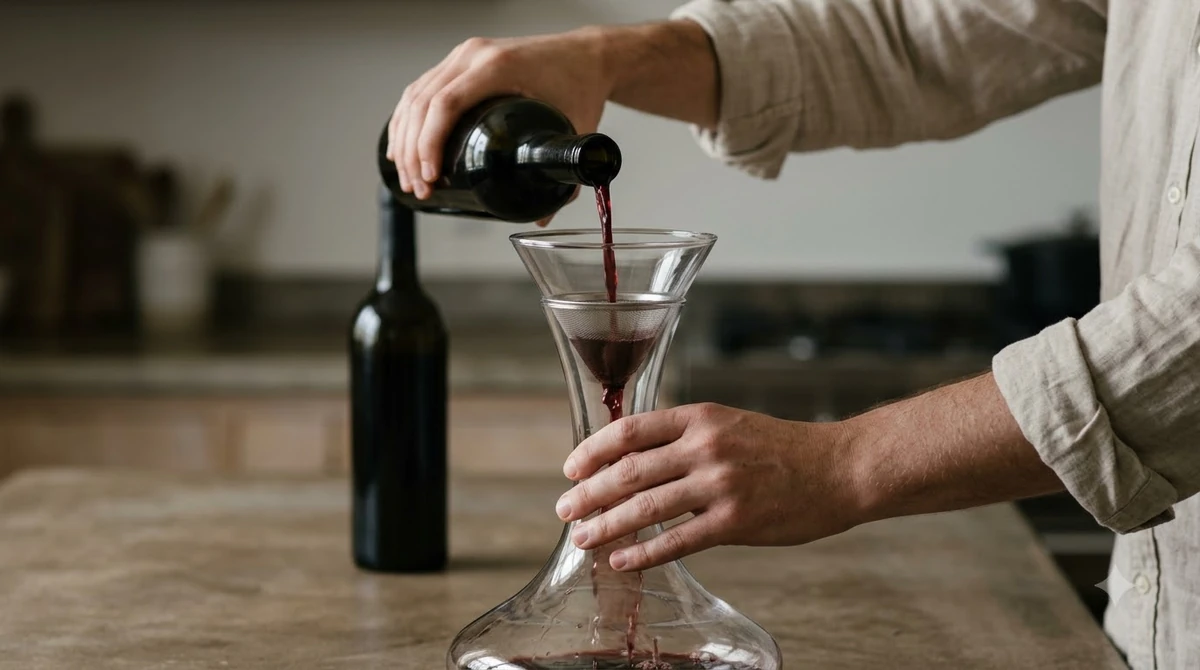
The thumb notch provides a distinctive grip
The thumb notch is more than a visual signature. It creates a natural place to position the thumb while holding the glass, helping the hand maintain a comfortable grip. This is particularly useful when carrying drinks outside, moving between seating areas, or holding a glass with slightly damp hands.
The feature also helps distinguish Govino from generic stemless tumblers. A conventional straight-sided plastic cup can be slippery, especially around a swimming pool or outdoor dining area. The molded indentation gives the hand a more defined contact point.
The Kitchn’s review specifically highlights the thumb notch as useful for smaller hands. Its reviewer also describes using Govino drinkware around a swimming pool where traditional glassware was not permitted. These observations support the product’s central appeal: it offers a more polished alternative to ordinary outdoor cups.
Clear construction looks more appropriate for wine
Transparent drinkware is important for anyone who enjoys examining wine before drinking it. The color of a Pinot Noir, for example, differs considerably from that of a deeply colored Cabernet Sauvignon. A clear vessel makes those visual differences easier to appreciate than an opaque or brightly colored cup.
Govino’s polymer construction is intended to provide glass-like clarity. The tulip-shaped silhouette also looks more appropriate at a dinner table than a basic cylindrical tumbler. Although it does not reproduce the exact optical properties of fine crystal, it provides a recognizable wine-serving appearance.
This makes the glasses useful for informal gatherings where presentation still matters. They can sit alongside conventional dinnerware without looking like disposable party supplies.
Durability makes outdoor entertaining easier
Traditional wine glasses require careful transportation and handling. A stemmed glass can tip over, break during a picnic, or become difficult to carry between a kitchen and a patio. Govino eliminates much of that concern through its shatterproof construction.
Its stemless shape also reduces the number of delicate protruding parts. There is no narrow stem to snap off during ordinary handling, and the flatter base gives the glass a stable resting point.
The Kitchn reviewer reports that an earlier Govino set remained clear without noticeable scratches or filming after repeated dishwasher cycles. That is an encouraging individual ownership observation, although it should not be interpreted as a guarantee that every glass will remain pristine under every washing condition.
The practical advantage is especially apparent during larger gatherings. Guests can carry their drinks between indoor and outdoor areas without requiring the host to monitor fragile glassware constantly. The glasses are also easier to transport in a picnic basket or camping storage container.
One glass can serve several beverages
Although this model is designed for red wine, it is not limited to that beverage. Govino identifies its drinkware as suitable for cold and room-temperature beverages, including cocktails, beer, and nonalcoholic drinks.
This versatility makes a 4-pack useful beyond wine nights. The same glasses can be used for a backyard dinner, a casual cocktail gathering, or an outdoor lunch. Having one reusable style for multiple occasions can also reduce the need to store several types of specialty cups.
For readers comparing conventional and alternative red wine glasses, Govino’s strongest advantage is not traditional wine presentation. It is the combination of recognizable styling, easy handling, and resistance to accidental breakage.
Common Complaints and Important Limitations
Govino red wine glasses are designed around convenience, so their limitations mostly concern the difference between polymer drinkware and traditional glass. They are not an exact substitute for every type of wine glass, particularly for formal service or drinkers who are sensitive to differences in rim feel and material.

They do not feel exactly like glass
The biggest compromise is material. Even clear, carefully manufactured Tritan does not have precisely the same feel, weight, or temperature characteristics as crystal or ordinary glass. Some drinkers strongly prefer the familiar sensation of a thin glass rim against their lips.
Govino addresses this concern with its polished lip. The Kitchn also notes that newer versions have a thinner lip than earlier models. Nevertheless, the material remains polymer, and consumers should not expect the experience to be indistinguishable from premium stemware.
This difference becomes more noticeable during formal wine service. A traditional crystal glass can offer a more delicate presentation, while a Govino is clearly designed for convenience and durability. Neither approach is inherently wrong, but they serve different priorities.
Stemless construction changes how the wine is held
Traditional wine stems provide a way to hold a glass without placing the hand directly against the bowl. This helps reduce heat transfer from the hand to the wine. A stemless glass does not provide that separation.
With Govino, the hand naturally touches the lower portion of the bowl. This can warm the wine more quickly during extended conversations, especially if the glass is held continuously. It is a relatively minor concern for casual drinking, but it matters more to people who carefully control serving temperatures.
For example, light-bodied Pinot Noir is generally served around 55 to 60 degrees Fahrenheit. A warmer room and prolonged hand contact can make it feel less refreshing over time. Full-bodied Cabernet Sauvignon is typically served around 60 to 65 degrees Fahrenheit, where the same issue may be less noticeable but still relevant.
The bowl is not a replacement for every specialty wine glass
Although the 16-ounce capacity is generous, capacity alone does not determine how well a glass serves a particular wine. Bowl width, opening diameter, curvature, and rim design all contribute to the drinking experience.
A large traditional red wine glass may provide more room for swirling and a different way of directing aromas toward the nose. Specialty Burgundy glasses, for example, are designed with a broader bowl for delicate aromatic wines such as Pinot Noir. A general-purpose stemless glass will not reproduce every characteristic of that design.
Likewise, someone who regularly serves expensive, mature wines may prefer dedicated stemware for its presentation and handling characteristics. Govino is better understood as practical everyday drinkware than as a universal replacement for a carefully selected wine-glass collection.
Care instructions require attention to product versions
Another potential source of confusion is cleaning. Govino sells dishwasher-safe products, but its FAQ also explains that some event-oriented and older products belong to a hand-wash-only collection. Those versions should not automatically be treated as dishwasher-safe simply because they carry the Govino name.
For the current dishwasher-safe red wine glass, the manufacturer recommends avoiding pressure from heavy glassware, removing sunscreen or lip gloss with a soft non-abrasive sponge, and turning off extended heated drying. A lint-free cloth can be used to buff the glass dry.
This distinction matters for people buying replacement glasses or mixing older and newer sets. Product names can look similar even when their materials and care requirements differ. The manufacturer’s care and usage FAQ explains the difference between its dishwasher-safe and hand-wash-only collections.
Finally, shatterproof should not be interpreted as indestructible. The product is designed to resist breakage associated with ordinary glassware, but excessive force, sharp objects, improper storage, or unsuitable cleaning conditions can still damage polymer drinkware.
Who Should Buy Govino Red Wine Glasses and Who Should Skip Them
Govino makes the most sense for people who regularly serve wine in places where glass breakage is inconvenient or prohibited. It is less compelling for collectors who want premium stemware for tasting sessions, formal dinners, and carefully controlled wine service.
Good reasons to choose Govino
Outdoor hosts: If patio dinners, backyard barbecues, and garden parties are regular activities, the shatterproof construction is a meaningful advantage. Guests can move around without handling fragile wine stems, and the stemless shape is convenient for casual serving.
Poolside entertaining: Some swimming facilities prohibit conventional glassware. Govino provides a reusable alternative that still looks like a wine glass. Its lightweight construction is also more convenient to carry between a pool area and outdoor seating.
Campers and picnic enthusiasts: Transporting fragile stemware in a backpack or picnic basket is not particularly practical. A reusable polymer glass is easier to pack and less likely to create a broken-glass cleanup problem during a meal outside.
Families and shared households: The thumb notch can help with grip, while the absence of a fragile stem makes the glasses more practical in busy kitchens and dining areas. The Kitchn’s reviewer specifically mentions using Govino glasses as an alternative to conventional cups for children.
People who want low-maintenance entertaining: The designated dishwasher-safe version is useful for households that prefer to clean reusable drinkware in the dishwasher. Its multi-purpose design also makes it practical for serving beverages other than wine.
Reasons to choose another style
Wine enthusiasts focused on formal tasting: If aroma evaluation, bowl geometry, and the sensation of thin crystal are priorities, dedicated stemware is a better investment. Govino offers convenience rather than specialist tasting performance.
People who prefer stemmed glasses: A stem allows the drinker to hold the glass without warming the bowl directly. It also provides a familiar appearance for formal dining and traditional wine service.
Collectors of delicate glassware: Someone who already owns several carefully selected glasses for Burgundy, Bordeaux, and sparkling wine may have little reason to replace that collection with a general-purpose polymer model.
Minimalists who rarely entertain outdoors: If wine is almost always served indoors, conventional glassware may be perfectly adequate. Govino’s durability advantage is less important in a household where breakage is uncommon and storage conditions are controlled.
For households comparing broader wine glasses options, the most useful question is how often the drinkware will be exposed to situations where conventional glass is inconvenient. Frequent outdoor use makes Govino more attractive. Mostly indoor formal service points toward traditional glass.
How Govino Compares to Alternative Wine Glasses
Govino occupies a practical middle ground between disposable party cups and traditional reusable stemware. Its design makes more sense for everyday versatility than for replacing every glass in a dedicated wine collection.
Govino versus conventional stemmed glass
The most obvious alternative is an ordinary glass wine glass. Traditional stemware offers a familiar appearance, a separate gripping point, and a more conventional tasting experience. It is also available in numerous shapes designed for specific grapes and wine styles.
Govino offers a different advantage: reduced breakage concerns. Its polymer construction and stemless silhouette are better suited to environments where conventional glass may be damaged. For a dinner party in a dining room, either option can work. For a picnic blanket, poolside table, or camping trip, Govino has a clearer practical advantage.
Govino versus premium stemless glass
Premium stemless glasses are another alternative. These retain the bowl-oriented design of conventional wine glasses while removing the stem. They can be attractive for modern table settings and easier to store than some tall stemmed glasses.
However, a stemless glass made from actual glass remains vulnerable to chipping and breakage. Govino trades some of the familiar material feel for durability. That makes the choice primarily about intended use rather than appearance alone.
Govino versus generic plastic tumblers
Basic plastic tumblers can serve beverages outdoors, but many have straight sides, thicker rims, and less wine-oriented proportions. Govino differentiates itself through its tulip-inspired profile, clear finish, polished lip, and thumb notch.
Those details make it more suitable for occasions where the appearance of the drinkware matters. It looks more intentional beside a dinner plate than an ordinary disposable cup, while still offering the convenience of polymer construction.
Govino versus other stemless outdoor glasses
Other reusable outdoor glasses can also offer shatter-resistant construction. The important comparison points include the exact material, capacity, rim thickness, grip, cleaning requirements, and long-term clarity.
Govino’s 16-ounce red wine glass is particularly easy to evaluate because the manufacturer provides a clearly stated capacity and identifies the material. Its distinctive thumb notch also makes it recognizable. However, buyers should not assume that every competing polymer glass has the same construction or cleaning requirements.
Those who prefer the stemless format but want to compare different designs can also examine stemless wine glasses. That comparison is useful for separating the advantages of a stemless silhouette from the additional benefits of a shatterproof material.
Overall, Govino is most competitive as a reusable outdoor wine glass. Its combination of a 16-ounce capacity, clear polymer construction, and distinctive grip makes it more versatile than a basic disposable cup. It is not designed to outperform premium crystal at formal tasting, and buyers should not evaluate it using that standard.
Frequently Asked Questions
Are Govino red wine glasses suitable for Cabernet Sauvignon?
Yes. Cabernet Sauvignon can be served in the 16-ounce Govino glass, and the clear bowl makes its deep color visible. Cabernet generally benefits from a serving temperature around 60 to 65 degrees Fahrenheit, so avoid leaving the glass in direct sunlight during outdoor service. The glass is a practical serving vessel rather than a dedicated Bordeaux tasting design.
Can Govino glasses hold hot beverages?
Govino says its glasses can hold warm liquids but does not recommend boiling liquids or microwave heating. The product is principally intended for cold and room-temperature beverages. For hot coffee or tea, a purpose-built heat-resistant mug is a more appropriate choice.
Do Govino red wine glasses retain the smell of previous drinks?
Govino states that its drinkware material does not take on beverage flavors or odors. Proper washing remains important, especially after strongly aromatic drinks such as coffee or cocktails containing citrus. Allow the glasses to dry completely before putting them away to reduce lingering moisture and storage odors.
Can Govino glasses be used for sparkling wine?
They can hold sparkling wine, but the red wine model is not shaped like a traditional flute or sparkling wine glass. A narrow flute is better suited to emphasizing a continuous stream of bubbles, while a wider wine bowl offers a different aromatic experience. Govino’s red wine glass is therefore a versatile informal serving option rather than a specialist sparkling glass.
How should Govino glasses be stored between uses?
Store the glasses in a clean, dry cabinet away from sharp utensils and excessive pressure. Avoid stacking them tightly if doing so puts stress on their rims or sides. A dedicated shelf or lightweight storage container is useful for people who regularly transport them for picnics, camping, or outdoor entertaining.
Govino red wine glasses are a sensible purchase for people who want reusable wine drinkware without the fragility of traditional glass. Their 16-ounce capacity, distinctive thumb notch, clear Tritan construction, and convenient cleaning options make them particularly useful for casual gatherings and outdoor occasions. Choose them for durability and versatility, while keeping conventional stemware for formal service and more specialized wine tasting.
More in Wine Glasses
 Spiegelau Crystal Wine Glasses That Bring Clarity to Every PourUpdated Nov 21, 2026
 Zalto Crystal Wine Glasses: Are They Worth the Investment?Updated Nov 21, 2026
 Villeroy And Boch White Wine Glasses for a More Cohesive TableUpdated Nov 21, 2026
 Zalto Wine Glasses On Sale: Find the Right Denk’Art GlassUpdated Nov 21, 2026
 Zwiesel Glas Champagne Glasses: Features, Quality and Buying AdviceUpdated Nov 21, 2026
 Zwiesel Glas Decanter Review: A Durable, Elegant Choice for Wine ServiceUpdated Nov 21, 2026