

We may earn a commission when you buy through links on this page, at no extra cost to you. Learn more.
GoldenEye wine comes from GoldenEye, a winery in California’s Anderson Valley that was founded in 1996 by the Duckhorn family and is known for Pinot Noir. The winery began with Merlot and moved to Pinot Noir after about fifteen years, searching for a site that suited the grape. Today the GoldenEye range centers on Pinot Noir, with a few other wines such as Gewürztraminer and sparkling rosé styles.
This guide covers what GoldenEye wine is, where the winery sits, how its Pinot Noir is usually described, and how to serve and pair these wines. It also explains how the brand fits within the wider Duckhorn family, so you can decide whether a GoldenEye bottle is the right choice for your table.
What GoldenEye wine is
GoldenEye is a winery brand focused on cool-climate wines from the Anderson Valley, a region on the northern California coast. The winery describes its Pinot Noirs as having structure, balance, and an elegant finish, and it calls the Anderson Valley remote and shaped by the coast. The shop lists Pinot Noir, Gewürztraminer, Brut Rosé, and a Vin Gris of Pinot Noir, so most of the lineup is built around the region’s cool climate.
For a shopper, the main thing to know is that GoldenEye is a single-region producer with a clear identity. Its wines are generally expected to show the bright fruit and fine texture that cool coastal climates tend to produce, rather than the heavier style of warmer California regions.
History: from Merlot to Pinot Noir
According to the GoldenEye website, the winery was founded in 1996 by the Duckhorn family. For about fifteen years the family made Merlot, and then they turned their attention to Pinot Noir. The search for a site led them to Anderson Valley, where the coastal climate and cool nights are a better fit for a grape that is sensitive to heat.
The Duckhorn Wine Company is the larger corporate home for GoldenEye. The Duckhorn Wine Company entry on Wikipedia lists GoldenEye alongside Duckhorn Vineyards, Paraduxx, Migration, Decoy, and Canvasback as part of its portfolio. The company itself was founded in 1976 in Napa Valley, so GoldenEye represents the Pinot Noir side of a family of brands that spans several California regions.
Pinot Noir and the other GoldenEye wines
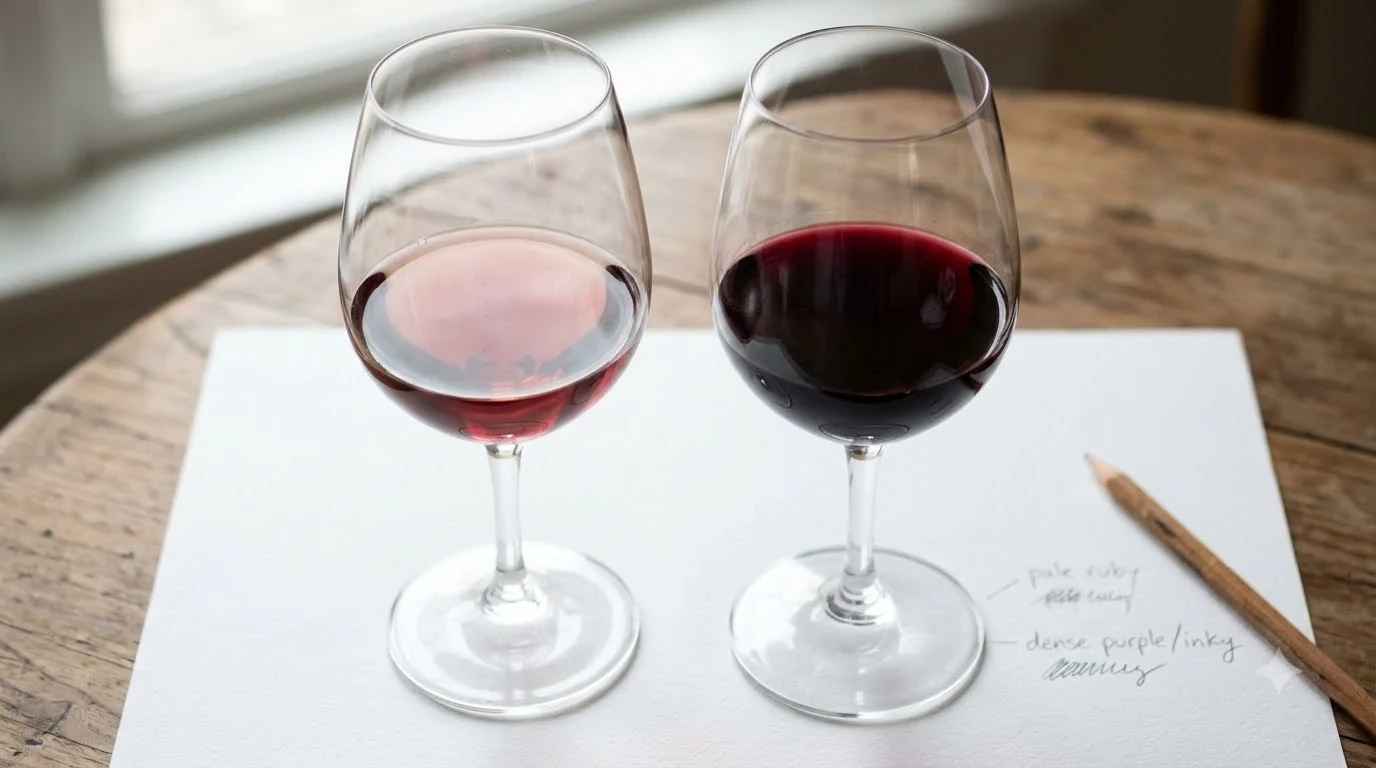
Pinot Noir is the core of the GoldenEye range. The grape is thin-skinned and sensitive to weather, which is why cool regions like Anderson Valley are often recommended for it. Pinot Noir is usually lighter in color than Cabernet Sauvignon, with bright red fruit, soft tannins, and a savory edge that makes it easy to match with food.
The rest of the range adds variety. Gewürztraminer is an aromatic white with floral and spice notes, and a sparkling rosé brings a crisp, dry style for celebrations. The Vin Gris of Pinot Noir is a pale, light rosé that is meant for casual sipping. The table below summarizes the main styles so you can see how they differ.
| Wine | Style | Typical character |
|---|---|---|
| Pinot Noir | Red, cool-climate | Red fruit, soft tannins, savory finish |
| Gewürztraminer | Aromatic white | Floral, lychee-like aromas, touch of spice |
| Brut Rosé | Sparkling, dry | Crisp, bright, suited to celebrations |
| Vin Gris of Pinot Noir | Light rosé | Pale color, light body, easy drinking |
Because the range is compact, it is easy to build a tasting around the whole set. Start with the sparkling rosé as an aperitif, move to the Gewürztraminer or Vin Gris with lighter food, and finish with the Pinot Noir alongside the main course.
How to serve GoldenEye wine
Pinot Noir generally shows its best when it is served slightly cool rather than warm. A short time in the refrigerator before pouring helps the fruit feel lively and keeps the alcohol from seeming heavy. Gewürztraminer and sparkling rosé should be well chilled, and the Vin Gris is most pleasant served cold on a warm afternoon.
For glassware, a standard red wine glass with a wide bowl works well for Pinot Noir, since it gives the aromas room to develop. Sparkling wine should be poured into a flute or a tulip-shaped glass to keep the bubbles lively. Once opened, a Pinot Noir stays in good shape for a day or two with the cork replaced and the bottle kept cool.
Storage is simple for most of the range. Keep unopened bottles on their side in a cool, dark place with a steady temperature, away from the stove or a sunny window. Pinot Noir benefits from this kind of care because heat can dull its fruit quickly. Sparkling wine and the lighter rosés are best drunk within a year or two of release, while a well-made Pinot Noir can often keep longer if the bottle is stored properly.
Tip: If a Pinot Noir tastes flat when first poured, give it a few minutes in the glass. The aromas often open as the wine meets air.
Climate is the reason many people look for cool-region Pinot Noir. Warm days and cool nights help the grape hold on to acidity, which keeps the wine feeling fresh rather than jammy. Coastal fog and wind also slow ripening, so the grapes develop flavor gradually. For a shopper, this means the wine often feels lighter on its feet than a Pinot Noir from a hot inland valley, even when the color looks similar in the glass.
Food pairings for GoldenEye wine
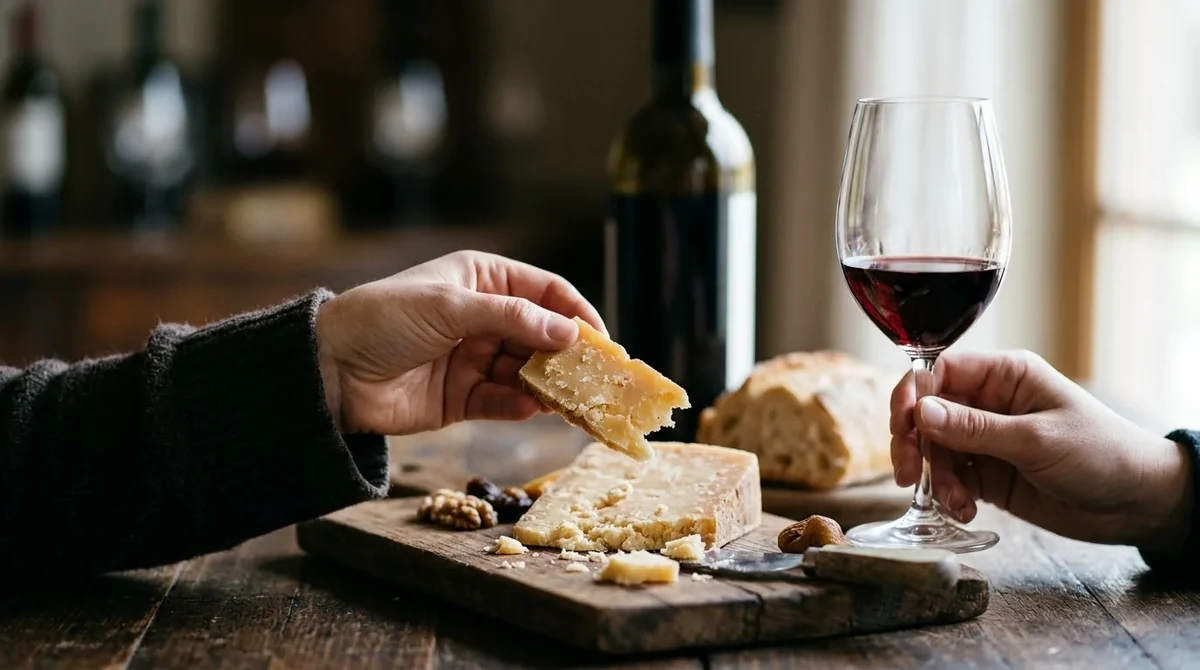
Pinot Noir is one of the most food-friendly red wines because its acidity and soft tannins suit a wide range of dishes. Roast chicken, salmon, mushroom dishes, and herb-roasted pork all work well. It is also a classic match for duck and for grilled vegetables with earthy seasoning.
The Gewürztraminer suits spicy Asian dishes, aromatic curries, and pork with fruit glazes, because its sweetness and aromas balance heat. The sparkling rosé is a natural fit for appetizers, soft cheeses, and fried foods, and the Vin Gris works well with salads and light seafood.
How to choose a GoldenEye bottle
If you already enjoy Pinot Noir, a GoldenEye bottle is a logical choice because the style reflects the cool, coastal climate of its home region. If you are new to Pinot Noir, start with a bottle that describes itself as fruit-forward and easy to drink, then compare it with other producers from cool regions to see how the style varies.
The winery also offers a wine club and tasting experiences at its estate, which can be a useful way to learn the range in person. For another example of a regional producer with a focused range, the Spottswoode wine guide covers a different California estate, and the Wine Brands section explains how producers are organized.
Frequently Asked Questions
Who founded GoldenEye?
According to the winery’s website, GoldenEye was founded in 1996 by the Duckhorn family. The family first made Merlot and later shifted to Pinot Noir after searching for a suitable site in Anderson Valley.
Is GoldenEye Pinot Noir a light red?
Pinot Noir is generally a lighter-bodied red than Cabernet Sauvignon, with bright fruit and soft tannins. GoldenEye describes its Pinot Noirs as structured and balanced, so the wine has more depth than a very light style, while still feeling elegant on the palate.
Should GoldenEye Pinot Noir be chilled?
A short chill is usually a good idea. Pinot Noir tastes best slightly cool rather than at warm room temperature, because the fruit comes forward and the alcohol feels softer. About fifteen to twenty minutes in the refrigerator is often enough before serving.
What food goes best with GoldenEye wine?
Pinot Noir pairs well with roast chicken, salmon, mushroom dishes, and duck. Gewürztraminer suits spicy Asian food, and sparkling rosé works with appetizers and soft cheeses. Matching the weight of the wine to the weight of the food is a reliable approach.
GoldenEye wine offers a focused, cool-climate range built around Pinot Noir. Serve the reds slightly cool, match them with food of similar weight, and consider the rest of the lineup for a complete tasting. For more on how brands are organized, the Wine Brands guide is a useful next step.
More in Wine Brands
 Underwood Wine Price: Compare Bottles, Cans, and Pack SizesUpdated Nov 21, 2026
 Zenato Wine Price: Compare Styles and Choose the Right BottleUpdated Nov 21, 2026
 Zuccardi Wine Price: Compare Bottles and Find the Right RangeUpdated Nov 21, 2026
 Yellow Tail Moscato Review: Taste, Sweetness and Serving TipsUpdated Nov 21, 2026
 Wolf Blass Yellow Label Review: Choose Your Best StyleUpdated Nov 21, 2026
 Wolffer Estate Rose Review: Choose the Right Bottle for Your TableUpdated Nov 21, 2026