

We may earn a commission when you buy through links on this page, at no extra cost to you. Learn more.
Golan Heights vineyards are located on a volcanic plateau in northeastern Israel, where high elevations, cool mountain nights, basalt soils, and varied growing conditions produce distinctive red, white, and rosé wines. The region extends from warmer southern slopes to cooler northern sites near Mount Hermon, with vineyard elevations reaching approximately 1,200 meters. Cabernet Sauvignon, Merlot, Syrah, Chardonnay, Sauvignon Blanc, and Gewürztraminer are among its important grapes. Understanding the differences between vineyard locations helps explain why Golan Heights wines offer such a broad range of styles.
The Golan Heights has become one of the most recognizable names in Israeli wine, particularly for its premium wines from high-altitude vineyards. Its combination of volcanic geology, substantial winter rainfall, dry summers, and significant temperature differences between day and night gives growers opportunities to produce wines with concentrated fruit and refreshing acidity. Although the region is geographically compact, its vineyards are far from uniform. Northern, central, and southern sites each contribute different characteristics to the finished wines.
Geography and the Development of Golan Heights Wine
The Golan Heights is a volcanic plateau in northeastern Israel, between the Sea of Galilee and the slopes of Mount Hermon. Its wine-growing landscape combines open plateaus, rolling hills, volcanic formations, and elevated agricultural areas, creating several distinct environments for grape cultivation.
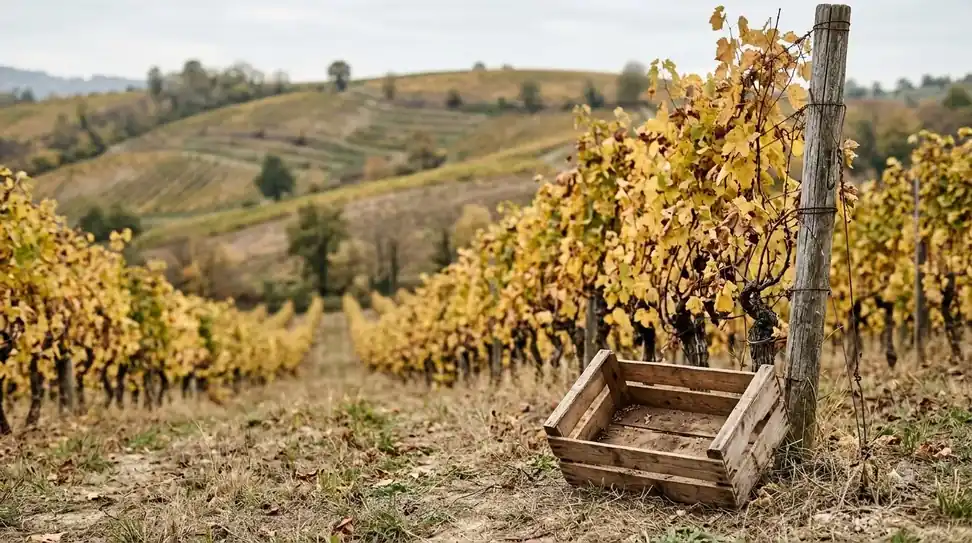
Elevation is one of the region’s defining geographical features. According to Eretz Gefen’s regional overview, vineyard elevations range from approximately 350 meters in the south to 1,200 meters in the north. The central Golan generally occupies an intermediate position, with many vineyards planted between approximately 600 and 700 meters. These differences influence temperatures, rainfall, grape development, and harvest decisions.
Modern quality wine production began taking shape in the Golan Heights in 1976, when the first vineyards specifically intended for quality wine grapes were planted. This development helped change international perceptions of Israeli wine, demonstrating that the country could produce more than Mediterranean-style wines from relatively warm coastal locations.
A major milestone followed in 1983 with the establishment of Golan Heights Winery. The winery was founded by four kibbutzim and four moshavim, cooperative agricultural communities that recognized the area’s potential for premium grape growing. Its early work helped establish a modern regional identity based on vineyard selection, technical innovation, and careful attention to growing conditions.
The winery’s importance extends beyond its own bottles. Its vineyard research, planting material, and experience with different grape varieties contributed to the development of the broader Israeli wine industry. Producers increasingly recognized that elevation and individual vineyard characteristics could be as important as the grape variety itself.
For geographical context, the Golan Heights is part of Israel’s broader northern wine-growing landscape, although its distinctive volcanic plateau sets it apart from nearby Upper Galilee vineyards. The two areas share some climatic influences, but their individual elevations, soils, and exposures create different growing conditions. Readers exploring the wider region can also consult this overview of Wine Regions to understand how geographical classifications shape wine styles around the world.
Modern Israeli geographical wine classifications distinguish between Northern Golan and Southern Golan. This distinction recognizes that the two areas have substantially different elevations and growing conditions rather than treating the plateau as one uniform vineyard area.
Volcanic Soils, Elevation, and Climate
Basalt and volcanic tuff are central to the identity of Golan Heights vineyards. Combined with elevations reaching 1,200 meters and annual rainfall that can approach 1,000 millimeters, these conditions give the region a distinctive agricultural environment.
Basalt forms through the cooling of volcanic lava, while volcanic tuff consists of consolidated volcanic ash and related material. Both occur across the Golan Heights, sometimes within the same vineyard. Their physical properties vary according to the geological formation, weathering, stone content, and soil depth at each location.
Many vineyards have well-drained soils that contain substantial volcanic material. Drainage matters because grapevines generally perform better when their roots receive sufficient water without remaining in excessively saturated ground. However, water availability is not determined by soil composition alone. Rainfall, slope, soil depth, irrigation practices, and seasonal weather all influence vine growth.
Some vineyard soils have a high proportion of small stones, while others contain deeper clay-rich layers. For example, the Bar’on Vineyard in the northern Golan has basalt and tuff soils, whereas some eastern Golan sites have shallower, stonier soils. These differences influence water retention and root development, which is why vineyard-specific management is important.
Why altitude matters
Temperature is another major factor. Higher elevations generally experience cooler conditions, particularly at night. These lower nighttime temperatures can slow grape ripening and help preserve natural acidity as fruit develops. The result can be wines with a fresher impression, more defined fruit character, and a different balance from wines grown in warmer locations.
The northern Golan benefits from cool winds associated with Mount Hermon. Winters are cold and rainy, and some vineyard sites experience snowfall. Summers are generally mild and dry, with noticeably cooler nights than those found in lower areas. These conditions support varieties that benefit from a relatively long, moderate ripening period.
According to Eretz Gefen’s regional figures, annual rainfall across the Golan Heights is approximately 800–1,000 millimeters. Actual precipitation varies by location, with northern vineyards often receiving more rainfall than southern sites. The combination of wet winters and dry summers means that growers must consider both winter water accumulation and summer vine water requirements.
These conditions do not automatically guarantee better wine. A high-altitude vineyard can experience frost, wind exposure, uneven ripening, and challenging harvest weather. Successful growers must select appropriate grape varieties, manage the canopy, monitor fruit development, and choose the right harvest date.
Tip: When comparing Golan Heights wines, look beyond the regional name. A bottle made from grapes grown near 1,100 meters in the northern Golan may have a very different balance and aromatic profile from one produced with fruit from a southern vineyard around 400 meters above sea level.
Northern, Central, and Southern Golan Vineyards
The Golan Heights contains three broad growing areas with different elevations and climatic influences. Northern vineyards tend to produce fresher, more restrained styles, central vineyards offer a balance between cooler and warmer conditions, and southern sites generally experience greater warmth and earlier ripening.
The northern Golan is the highest and coolest part of the region. Many vineyards occupy elevations between approximately 900 and 1,200 meters. Areas around Odem, El Rom, and Mount Hermonit are particularly important examples of high-altitude viticulture.
At these elevations, winter conditions can be severe, with considerable rainfall and occasional snow. Summer temperatures are more moderate than those in lower parts of the plateau. The combination of cool nights and a relatively dry summer growing season supports grapes such as Chardonnay, Sauvignon Blanc, Pinot Noir, and Cabernet Sauvignon.
Central Golan vineyards occupy intermediate elevations, frequently around 600–700 meters. Yonatan Vineyard is a notable example, having been first planted in 1978. Its basalt-derived soils contain stones that contribute to drainage while retaining some water for vine development.
The central area can accommodate both international red and white varieties. Merlot, Syrah, Cabernet Sauvignon, Cabernet Franc, and Chardonnay are among the grapes associated with its vineyard plantings. The wines can combine ripe fruit with a fresher structure than might be expected from warmer Mediterranean growing areas.
The southern Golan is comparatively low and warm. Some vineyards sit at approximately 400 meters, and summer conditions generally encourage earlier ripening than in the northern plateau. The area receives less rainfall than many northern sites, making water management an important consideration.
Southern vineyards can support varieties that benefit from warmer conditions, including Muscat Canelli, Syrah, Cabernet Sauvignon, Merlot, and Portuguese varieties such as Tinta Cao. Geshur Vineyard, for example, grows Tinta Cao for rosé production.
The following comparison summarizes the broad differences between the three areas. These are regional reference points rather than fixed boundaries, since individual vineyard elevations and microclimates vary.
| Growing area | Typical elevation | Growing conditions | Representative grapes |
|---|---|---|---|
| Northern Golan | 750–1,200 meters | Cooler summers, cold winters, higher rainfall | Chardonnay, Pinot Noir, Sauvignon Blanc, Cabernet Sauvignon |
| Central Golan | 600–700 meters | Cool winters, warm summers, dry nights | Syrah, Merlot, Cabernet Sauvignon, Malbec |
| Southern Golan | Approximately 350–400 meters | Warmer conditions, lower rainfall, earlier ripening | Muscat Canelli, Tinta Cao, Syrah, Merlot |
One of the most useful ways to understand these differences is to compare wines from different elevations rather than assuming every bottle carrying the Golan Heights designation will taste alike. A cool-climate Chardonnay and a warmer-site Syrah may share the same broad geographical identity but express very different combinations of acidity, body, fruit, and structure.
Important Grape Varieties and Wine Styles
Golan Heights producers grow both international grape varieties and less common Mediterranean and Portuguese varieties. Chardonnay, Cabernet Sauvignon, Merlot, Syrah, Sauvignon Blanc, and Gewürztraminer are particularly important, while Pinot Noir, Riesling, Malbec, and Tinta Cao contribute additional styles.
Cabernet Sauvignon
Cabernet Sauvignon is an important red grape in the Golan Heights. It benefits from suitable growing sites that allow grapes to achieve full ripeness while retaining enough acidity to balance their concentrated flavors. Typical wines show blackcurrant, blackberry, plum, cedar, tobacco, and sometimes herbal or peppery notes.
The variety naturally has high tannin, so Golan Heights Cabernet Sauvignon can offer substantial structure and aging potential. Oak aging may contribute additional notes of vanilla, spice, toast, and cedar, depending on the barrel type and maturation period. These wines generally work well with grilled beef, lamb, and slow-cooked meat dishes.
Merlot
Merlot is another significant red variety. Compared with Cabernet Sauvignon, it generally has softer tannins and a rounder texture. Typical flavors include ripe plum, blackberry, cherry, and cocoa, although the balance depends on the vineyard and winemaking choices.
Central and eastern Golan sites have been used for Merlot production. The variety can be made as a single-grape wine or included in Bordeaux-style blends with Cabernet Sauvignon, Cabernet Franc, and Petit Verdot. Its relatively soft tannin makes it a useful option for drinkers who enjoy structured reds without the firmer grip of Cabernet Sauvignon.
Syrah
Syrah is particularly interesting in the Golan Heights because it can express both ripe fruit and savory complexity. Typical aromas include blackberry, blueberry, black pepper, smoked meat, and dark spices. The grape has medium-plus to high tannin and can produce wines with considerable concentration.
Warmer growing conditions can emphasize ripe fruit, while cooler sites may contribute greater freshness and more pronounced peppery or savory characteristics. Syrah is frequently bottled independently, but it also appears in blends with Cabernet Sauvignon, Merlot, and Petit Verdot.
Chardonnay and Sauvignon Blanc
Chardonnay is one of the leading white varieties in the northern Golan. Depending on ripeness, fermentation, and maturation, it can show apple, pear, citrus, stone fruit, and subtle tropical notes. Some versions are fermented or aged in French oak, creating a fuller texture and flavors of toast, vanilla, and baking spice.
Sauvignon Blanc generally emphasizes freshness and high acidity. Its typical aromas include lime, grapefruit, green apple, passion fruit, and herbal notes. The cooler northern vineyards provide suitable conditions for wines that retain a crisp profile rather than becoming excessively heavy.
Gewürztraminer, Riesling, and Pinot Noir
Gewürztraminer offers a more aromatic white-wine style. Typical characteristics include lychee, rose petals, ripe peach, and fragrant spices. It can be produced as a dry wine or a sweeter bottling, depending on the producer’s intended style.
Riesling is another variety suited to cooler growing sites. It can offer citrus, green apple, floral aromas, and pronounced acidity. Depending on the winemaking approach, Golan Heights Riesling may be dry or retain some sweetness.
Pinot Noir is a useful example of the region’s high-altitude potential. The variety generally has lower to medium tannin and high acidity, producing lighter-bodied reds with cherry, raspberry, strawberry, and earthy notes. Some versions receive French oak aging, adding complexity without necessarily overwhelming the delicate fruit character.
These varieties demonstrate that Golan Heights wine is not limited to powerful red blends. The region also produces aromatic whites, fresh rosés, and lighter reds that appeal to drinkers who prefer more delicate styles.
Notable Wineries and Individual Vineyards
Golan Heights Winery is the region’s best-known producer, but understanding its individual vineyards provides a clearer picture of the area’s diversity. El Rom, Odem, Bar’on, Hermonit, and Yonatan are examples of sites with different elevations, planting histories, and grape varieties.
Golan Heights Winery was established in 1983 and has developed an extensive vineyard network. According to its wine importer, Yarden Wine Imports, the winery owns approximately 1,557 acres of vineyards across 28 sites, divided into roughly 450 blocks. This scale allows the winemaking team to select grapes from different elevations and exposures rather than relying on a single uniform growing area.
The producer’s principal labels are Yarden, Yarden Cru Elite, Gilgal, and Mount Hermon. Each represents a different part of its wine portfolio. Yarden is associated with premium wines, while the Cru Elite series focuses on single-vineyard and single-block expressions. Gilgal and Mount Hermon provide additional varietal and regional styles.
El Rom Vineyard
El Rom is one of the important high-altitude northern Golan vineyards. Planting began in 1983, and the vineyard sits approximately 1,050 meters above sea level near Mount Hermonit. Its varieties include Gewürztraminer, Riesling, Sauvignon Blanc, Chardonnay, Pinot Noir, Pinot Gris, and Cabernet Sauvignon.
The site receives approximately 800 millimeters of annual precipitation. Its winters are cold and rainy, while summers are mild and dry with cool nights. Deep basalt-derived soil containing volcanic tuff is another defining characteristic. The combination makes El Rom an important source of grapes for both aromatic whites and structured reds.
Odem Vineyard
Odem Vineyard was first planted in 1989 at approximately 1,100 meters above sea level, making it one of the region’s highest and coolest vineyard sites. It is particularly associated with Chardonnay, although Riesling, Merlot, and Cabernet Sauvignon are also grown there.
Its cold winters, occasional snowfall, and mild summer conditions support the production of Chardonnay with a relatively fresh profile. Golan Heights Winery produces an Odem Vineyard Chardonnay that undergoes fermentation and seven months of aging on its lees in French oak barrels. Lees aging can contribute additional texture and complexity to the finished wine.
Bar’on Vineyard
Bar’on Vineyard was planted in 2009 at approximately 1,040 meters above sea level. Its soils contain basalt and volcanic tuff, and its landscape includes plains and moderate slopes with a southwestern exposure.
The vineyard is particularly associated with Cabernet Sauvignon, Syrah, and Petit Verdot. One of its notable wines is a blend containing 70% Cabernet Sauvignon, 19% Syrah, and 11% Petit Verdot. The winery also produces single-variety Cabernet Sauvignon and Syrah expressions from the same vineyard.
Yonatan and Geshur
Yonatan Vineyard is an important central Golan site, first planted in 1978. Its vineyards occupy moderate slopes at approximately 600–700 meters above sea level. Merlot, Syrah, Cabernet Sauvignon, Cabernet Franc, Malbec, and several other varieties are grown there.
Geshur Vineyard provides an interesting contrast. Located in the southern Golan, it grows Tinta Cao, a Portuguese red grape used by Golan Heights Winery to produce rosé. The fruit is hand-harvested and whole-cluster pressed, helping produce a delicate color and fresh aromatic profile.
For further producer information and vineyard details, the official Golan Heights Winery vineyard profiles provide useful descriptions of individual growing sites, their planting histories, elevations, soils, and grape varieties.
Food Pairings, Serving Temperatures, and Wine Storage
Golan Heights wines work with a wide range of foods, from grilled meat and roasted vegetables to seafood and aromatic dishes. The most useful pairing approach is to match the wine’s acidity, body, tannin, and sweetness with the weight and flavor intensity of the food.
Cabernet Sauvignon and Syrah are natural choices for grilled beef, lamb, and dishes with concentrated savory flavors. Their tannins and fruit intensity can stand up to rich proteins. Salt and fat soften the perception of tannin, which makes a structured red wine particularly effective with fatty cuts of beef or lamb shoulder.
Merlot offers a softer alternative for roast chicken, meatballs, mushroom dishes, and moderately rich stews. Its medium tannin and fruit-forward character provide enough structure without dominating the food.
Pinot Noir is a flexible option for roasted poultry, duck, mushrooms, and salmon. Its lower tannin and higher acidity make it more suitable for oily fish than heavily tannic red wines. Cabernet Sauvignon and strongly tannic Syrah are generally less successful with oily fish because the combination can produce an unpleasant metallic impression.
Chardonnay pairs well with roasted chicken, creamy pasta, grilled seafood, and dishes containing butter or mushrooms. A fuller, oak-aged version can complement richer sauces, while a fresher Chardonnay is better suited to lighter preparations.
Sauvignon Blanc works particularly well with goat cheese, shellfish, green vegetables, and herb-based dishes. Its high acidity is useful with foods containing lemon or vinegar. A wine should have acidity equal to or higher than that of an acidic dish; otherwise, the food can make the wine seem flat.
Gewürztraminer is a useful choice for aromatic dishes containing ginger, fragrant herbs, or moderate spice. If a bottle has noticeable residual sugar, it may also work with mildly spicy foods. However, alcohol and tannin can intensify the sensation of chili heat, so heavily alcoholic red wines are generally less suitable for very spicy meals.
Recommended serving temperatures
Serving temperature has a substantial effect on aroma, texture, and perceived alcohol. White wines served too cold can seem muted, while reds served too warm can feel overly alcoholic and heavy. The following temperature ranges provide practical starting points for Golan Heights styles.
| Wine style | Serving temperature | Suggested food pairing |
|---|---|---|
| Sparkling wine | 40–50°F | Oysters, appetizers, fried seafood |
| Sauvignon Blanc | 45–50°F | Goat cheese, shellfish, salads |
| Chardonnay | 50–55°F | Roast chicken, creamy pasta |
| Gewürztraminer | 45–50°F | Aromatic Asian-inspired dishes |
| Pinot Noir | 55–60°F | Duck, mushrooms, roasted poultry |
| Merlot | 60–65°F | Roast chicken, beef stew |
| Cabernet Sauvignon | 60–65°F | Grilled beef, lamb |
| Syrah | 60–65°F | Grilled meats, roasted vegetables |
Decanting and storage
Young, full-bodied Cabernet Sauvignon and Syrah may benefit from 30–60 minutes of decanting before serving. Exposure to air can help soften the initial impression of tannin and allow the wine’s aromas to develop. Older bottles require more care because extended aeration can cause delicate aromas to fade.
Store unopened bottles on their sides in a cool, dark location near 55°F, where temperatures remain reasonably stable. Avoid direct sunlight, strong vibrations, and areas close to ovens or other heat sources. Consistent storage conditions matter more than frequent attempts to adjust the bottle’s position or temperature.
Once opened, still wines generally remain in good condition for approximately three to five days when properly sealed and refrigerated. Sparkling wines typically last one to three days with a suitable sparkling-wine stopper. Before serving an opened red, allow it to warm slightly from refrigerator temperature, while whites can be poured directly at their preferred serving temperature.
Buying Golan Heights Wines and Understanding Regional Labels
Choosing a Golan Heights wine is easier when the grape variety, vineyard location, and producer are considered together. A regional name gives useful geographical context, but it does not tell the entire story of how the wine was grown or made.
Start by deciding what style you prefer. Drinkers who enjoy fresh whites can look for northern Golan Chardonnay, Sauvignon Blanc, or Riesling. Those who prefer aromatic wines may find Gewürztraminer appealing, while Pinot Noir offers a lighter red option with more delicate tannins.
For a more structured red, Cabernet Sauvignon and Syrah are strong starting points. A single-vineyard bottling can provide additional information about the fruit’s origin. For example, Bar’on Vineyard wines offer a specific northern Golan reference point, while Yonatan Vineyard represents the central plateau.
Producer labels also help identify different approaches. Golan Heights Winery’s Yarden range includes premium varietal and vineyard-specific wines. The Cru Elite series emphasizes individual vineyard blocks, making it particularly interesting for drinkers who want to explore differences within the same broad growing area.
Regional classification is another useful consideration. Israel’s geographical wine framework identifies Northern Golan and Southern Golan as separate subregions. This distinction recognizes their different growing conditions, including elevation, temperature, precipitation, and soil characteristics.
According to the Israeli Ministry of Agriculture’s regional mapping explanation, geographical origin is optional on Israeli wine labels. When a producer chooses to identify a growing region under the applicable standard, at least 85% of the grapes must originate from that specified region. The geographical framework is intended to improve transparency rather than establish a ranking of wine quality.
It is also important to distinguish between the vineyard’s location and the winery’s location. A producer may make wine using grapes from multiple vineyard sites, and the finished wine may represent a blend of several areas. A single-vineyard designation provides a more specific indication of origin, although winemaking decisions still influence the wine’s final character.
Comparing different bottles from the same producer can be especially informative. For instance, a northern Golan Chardonnay and a central Golan Merlot demonstrate how grape variety and site interact. Comparing two Cabernet Sauvignon wines from different elevations can provide another way to understand the regional differences.
Readers interested in other distinctive wine-growing destinations can compare the Golan’s volcanic plateau with Tasmania vineyards, where cooler maritime conditions influence sparkling wine and Pinot Noir production. Another useful comparison is Uruguay vineyards, where Atlantic influences and varieties such as Tannat create a very different regional identity.
Ultimately, the best approach is to explore the region by grape variety and vineyard origin rather than relying on a single regional description. That approach reveals why the Golan Heights can produce everything from aromatic whites and fresh Pinot Noir to deeply colored Cabernet Sauvignon and Syrah.
Frequently Asked Questions
Is Golan Heights wine kosher?
Many wines produced in Israel, including offerings from major Golan Heights producers, are available with kosher certification. However, certification is not universal across every winery, bottling, or production facility. Consumers who require kosher wine should look for the appropriate certification symbol and verify the specific bottle rather than assuming that geographical origin guarantees certification.
What does the name Yarden mean?
Yarden is the Hebrew name associated with the Jordan River, which runs between the Golan Heights and the Galilee. Golan Heights Winery uses the name for one of its principal wine labels. The label’s design also features an oil lamp decorated with a mosaic motif, connecting the wine brand with ancient regional imagery.
Can Golan Heights wines age for more than ten years?
Some premium Golan Heights Cabernet Sauvignon and Syrah wines can develop over a decade or longer under appropriate storage conditions. Their aging potential depends on vintage, grape maturity, tannin, acidity, concentration, and winemaking decisions. Not every bottle is intended for extended cellaring, so a producer’s vintage-specific drinking recommendations are useful when deciding whether to open or store a wine.
Are there indigenous grape varieties in the Golan Heights?
The region’s modern premium wine production is strongly associated with international varieties, but Israel also has historical indigenous grapes such as Marawi, also called Hamdani, and Jandali. These varieties are more closely associated with other parts of Israel’s wine-growing landscape than with the principal commercial plantings of the Golan Heights. Their growing use in Israeli winemaking reflects increasing interest in the country’s historical grape heritage.
Does Golan Heights Winery offer vineyard visits?
Golan Heights Winery offers visitor experiences that include winery tours, professional wine experiences, and vineyard-related activities. Its visitor program includes experiences connected with the production process and the surrounding growing landscape. Availability, booking arrangements, and the types of visits offered can vary, so visitors should consult the winery’s official visitor information before arranging a trip.
Golan Heights vineyards demonstrate how elevation, volcanic geology, and differences between northern and southern growing areas can shape a diverse range of wines. From high-altitude Chardonnay and Pinot Noir to structured Cabernet Sauvignon and Syrah, the region offers plenty of opportunities for exploration. Comparing vineyard-specific bottlings is one of the best ways to understand the distinctive character of this important Israeli wine region.
More in Wine Regions
 Willcox Wine Trail: Discover Arizona’s High-Elevation Wine CountryUpdated Nov 20, 2026
 Yakima Valley Wine Region: Find the Best Styles to TryUpdated Nov 20, 2026
 Vosne Romanee Wine Tasting: Identify Aromas and Choose Better PairingsUpdated Nov 20, 2026
 Yakima Valley Wine Festival: Find the Best Seasonal Wine EventsUpdated Nov 20, 2026
 Wales Vineyards: Discover Cool-Climate Wines and Where to VisitUpdated Nov 20, 2026
 Yountville Wine Festival: Discover Napa Wines and Local FoodUpdated Nov 20, 2026