

We may earn a commission when you buy through links on this page, at no extra cost to you. Learn more.
Gisborne vineyards produce some of New Zealand’s most generous Chardonnay, alongside perfumed Gewürztraminer, Pinot Gris, Viognier, and carefully sited reds. Located on the eastern side of the North Island, Gisborne combines warm sunshine with Pacific sea breezes and a mix of clay, silt, and limestone-influenced soils. The result is a region known for ripe, fruit-forward whites, distinctive aromatic varieties, and a growing range of site-focused wines.
Gisborne is often introduced as New Zealand’s Chardonnay country, but its coastal and inland valleys also support distinctive aromatic whites and small-scale red-wine sites. Comparing Ormond, Patutahi, and Manutuke helps explain why wines from one region can differ in texture and aroma.
Where Gisborne Sits and What Its Climate Brings
Gisborne occupies the eastern end of New Zealand’s North Island, facing the Pacific and sheltered in part by hills and mountain ranges to the north and northwest. Its warm, sunny growing season encourages ripe fruit, while afternoon ocean breezes moderate the heat and help retain freshness.
The local wine association describes a warm, relatively dry Pacific maritime climate. Afternoon sea breezes moderate summer heat and help preserve natural acidity alongside ripe tropical-fruit flavors. Annual rainfall is approximately 980 millimeters, and the association says most significant vineyards are dry-farmed; fine silt loams and clay help retain moisture through the long summer. These are broad regional patterns, not rules for every vineyard block.
High sunshine and warm temperatures often put Gisborne among New Zealand’s earliest regions to harvest. Fruit for sparkling wine may be picked early to retain acidity, while grapes for fuller table wines can remain on the vine longer. Readers comparing maritime growing areas can also look at Tasmania vineyards: both have ocean influences, but Gisborne’s warmer setting generally gives its wines riper fruit character.
How the Subregions and Soils Shape the Wines
Gisborne is not one uniform vineyard plain: its named growing areas differ in elevation, rainfall, soil, and exposure to coastal air. Ormond, Hexton Hills, Patutahi, and Manutuke are especially useful names to recognize when comparing the region’s wines.
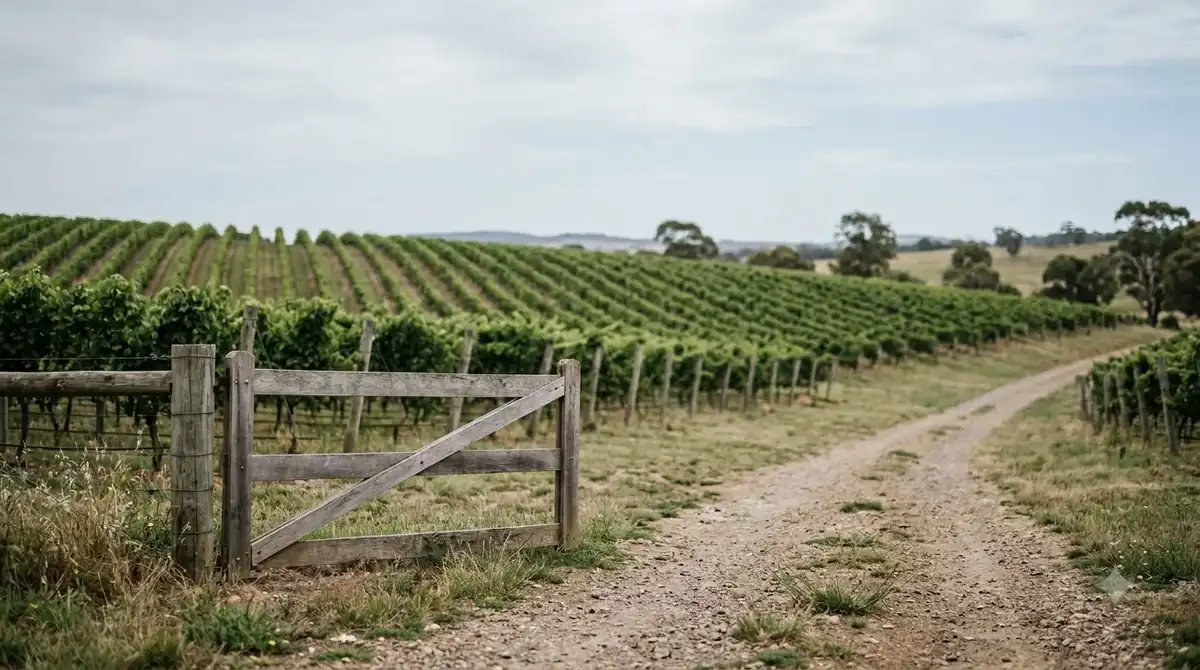
North of the city, Ormond lies where a river valley narrows toward the Raukumara Ranges. It includes the Golden Slope, a gently sloping escarpment about 10 kilometers long, with free-draining soils and limestone influence in the topsoil. The area is associated with distinctive Chardonnay and single-vineyard wines. Nearby Hexton Hills is another sloping strip, running across Ormond, Waihirere, and Hexton; its Kaiti clay base is covered by roughly 20 to 30 centimeters of lighter black topsoil.
Patutahi, west of the city, is warmer and drier than many coastal sites. It contains more than one-third of Gisborne’s vines and receives about 30 percent less rainfall during the growing season, according to the regional association; its clay and silt-loam soils suit richly flavored Gewürztraminer and textured whites. Manutuke, south of the city, is the oldest wine-growing area, with vines established in the late 1890s. Its well-drained silt, heavier Kaiti clay toward the hills, and river-influenced autumn mists support both Chardonnay and botrytised late-harvest wines.
The Central Valley covers Waerenga-o-Hika, Makaraka, Makauri, and Matawhero. The Waipaoa River lays down deep silt along parts of the valley, Riverpoint receives cooling coastal breezes, and the narrower Waipaoa area can hold warmth and produce riper fruit. Those differences offer clues about the balance of ripeness, texture, and freshness in the glass. For a closer look at the regional geography, see Gisborne Wine Association’s subregion and soil profile.
Why Chardonnay Defines the Region
Chardonnay is Gisborne’s leading grape and the variety most closely associated with its international reputation. Regional descriptions emphasize ripe stone fruit and tropical notes, a full or rounded body, and a softer acid profile than the leanest cool-climate examples.
The style can be fresh and early-drinking, with clean fruit and restrained oak, or more layered through barrel fermentation, oak maturation, and time on the lees. Malolactic fermentation may soften acidity and add a creamy impression, but it is optional rather than a fixed feature. The region therefore should not be reduced to one buttery or heavily oaked style.
Site matters as well: Ormond is associated with concentrated Chardonnay, while Manutuke’s mix of silt and heavier clay offers another expression. Warm conditions encourage ripe fruit, and afternoon breezes help retain balance. Compare a named-vineyard bottling with a regional blend to see how site changes weight and texture.
Gisborne Chardonnay is also useful beyond still table wine. The regional growers’ information describes early-picked Chardonnay, often alongside Pinot Noir, as a base for traditional-method sparkling wines. Picking earlier helps retain acidity and gives the finished wine a fresher structure. For readers learning how geographic origin shapes a bottle, our overview of Wine Regions explains why climate, place names, and grape choices are useful starting points when reading a wine label.
Gewürztraminer, Pinot Gris, Viognier, and Other Grapes
Gisborne’s aromatic whites offer a second route into the region, with Gewürztraminer, Pinot Gris, and Viognier showing how warmth can build fragrance and texture. Sauvignon Blanc, Albariño, and Chenin Blanc add further range, while plantings of red grapes remain smaller and more selective.
Gewürztraminer is a signature aromatic variety, with scents that can suggest rose, lychee, spice, and ripe orchard fruit. Producers often use neutral winemaking to keep those aromas in focus, and Patutahi is particularly associated with rich, textured examples. Sweetness varies, so the grape name alone does not tell you whether a bottle is dry, off-dry, or sweet.
Pinot Gris often shows melon, pear, and spice with a rounded mouthfeel; Gisborne versions range in sweetness and are commonly fermented in stainless steel. Viognier can be full-bodied, with peach, apricot, floral notes, and sometimes a subtle saline impression. Riper Sauvignon Blanc tends toward tropical fruit and a broad palate, while earlier-picked examples can be lighter, herbaceous, and zesty.
Albariño brings naturally high acidity, citrus and stone-fruit flavors, and sometimes a tangy mineral or saline edge. Chenin Blanc ranges from dry to off-dry, with apple, quince, and a textured palate; suitable autumn conditions can also allow late-harvest wines. Arneis is another newer white variety under exploration. Red grapes occupy a smaller share of plantings: Merlot and Malbec tend toward ripe plum and dark berry with gentle tannins, while selected Syrah sites produce richer, layered fruit. Much of the region’s Pinot Noir is picked early for sparkling wine.
From Early Plantings to a More Varied Wine Identity
Gisborne’s wine story began long before the region became known for Chardonnay. Grapes were planted locally for home winemaking in the early twentieth century, and Frederick Wohnsiedler established the first commercial crop in 1921, according to the region’s historical account.
From the 1920s through the 1950s, local grape growing was led by several families. Expansion accelerated in the 1960s as large plantings of productive varieties supplied a growing market for inexpensive wine, creating a bulk-wine reputation that later growers had to change. Gisborne fruit also contributed to commercially successful Chardonnay during that decade.
Montana and Corbans opened Gisborne wineries in 1970 and 1971. Matawhero drew attention for Gewürztraminer in the 1970s and Chardonnay in the following decade, while boutique wineries such as Millton Vineyard, Parker MC, and White Cliffs began production in the 1980s. The region’s planted area later contracted during a national vine-pull response to wine surpluses.
By the 1990s, the 1987 Matawhero Pinot Noir, Millton’s Opou Rieslings, and Gisborne Chardonnay had helped challenge the bulk-fruit stereotype. Awards for Chenin Blanc and Chardonnay from smaller producers reinforced that shift. The region still has larger producers, but distinctive vineyards and varied grape choices now form a larger part of its identity.
Planning a Visit to Gisborne Wineries
Gisborne is a practical region to explore because its winery cluster is close to the city and airport, with several visitor options in a compact area. New Zealand Wine says award-winning wineries can be reached within about 15 minutes of the city center or Gisborne Airport, making it possible to visit without a long drive between every tasting.
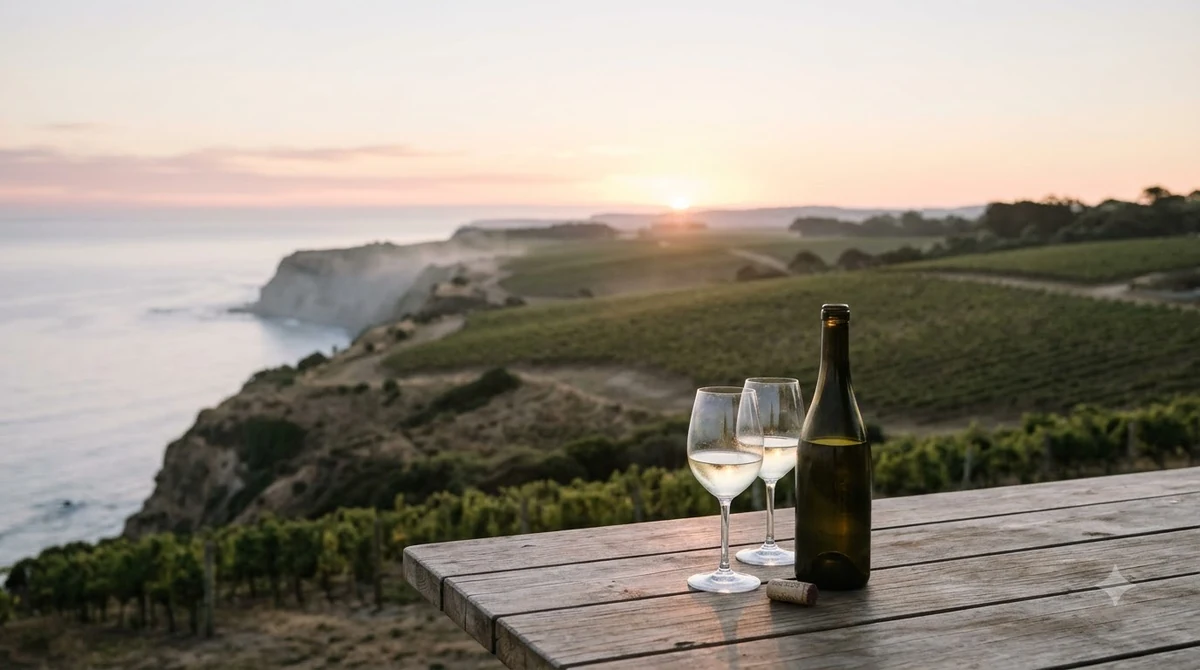
Check the regional winery directory before choosing stops. The local association lists cellar-door options including Bushmere Estate, Matawhero, and Wrights Vineyard & Winery, as well as a wider group of wineries and brands. Opening days and appointment requirements can change, so contact each winery before setting out.
A half-day visit can focus on two or three stops. Taste sparkling wine first, then lighter or aromatic whites, followed by fuller Chardonnay and reds. Ask whether a wine comes from Ormond, Patutahi, Manutuke, or another named site; the producer may be able to explain the effect of soil and exposure.
Beyond cellar doors, visitors can consider guided or self-guided vineyard visits and cycling among the vines or along the coastal cycleway. Beaches, surfing, fishing, and outdoor trails make it easy to pair a tasting with time by the ocean. Arrange transport before visiting several producers, and leave time for lunch in town. See New Zealand Wine’s Gisborne region profile for regional visitor information.
Choosing, Serving, and Pairing Gisborne Wines
Start with the grape and style you enjoy, then use producer and vineyard information to narrow the choice. Chardonnay is the classic first purchase; Gewürztraminer, Pinot Gris, and Viognier offer aromatic alternatives, while Merlot, Malbec, and Syrah are the main red names to seek out. For Chardonnay, choose between crisp fruit-led styles and richer wines with oak or lees texture. With aromatic whites, check sweetness as well as aroma; with reds, expect Merlot and Malbec to be softer than many site-specific Syrahs.
Serve the wines cool enough to keep their freshness without muting aroma. Light whites and rosé are generally best at 45 to 50 degrees Fahrenheit; fuller-bodied whites such as richer Chardonnay are more expressive around 50 to 55 degrees. Light reds are usually served at 55 to 60 degrees, while fuller reds suit 60 to 65 degrees. Sweet whites are best around 43 to 50 degrees. The table gives practical starting points rather than rigid rules.
| Gisborne style | Serving temperature | Food pairing |
|---|---|---|
| Fruit-led Chardonnay | 50–55°F | Roast chicken, crab, or grilled corn |
| Albariño or Sauvignon Blanc | 45–50°F | Shellfish, white fish, herbs, or citrus-dressed salads |
| Gewürztraminer or Pinot Gris | 45–50°F | Ginger-seasoned pork, aromatic vegetables, or mildly spiced dishes |
| Sweet late-harvest white | 43–50°F | Fruit tart or another dessert at least as sweet as the wine |
| Merlot or Malbec | 55–60°F | Roast mushrooms, lamb, or beef with savory seasoning |
| Fuller-bodied Syrah | 60–65°F | Grilled or braised red meat |
Pairing principles help when the label gives little detail: acidic food needs wine of equal or higher acidity, while salt and fat soften tannin. Bright Albariño or Sauvignon Blanc can suit lemon-dressed seafood, and savory meat dishes can soften a red’s structure. Avoid strongly tannic reds with oily fish, and remember that chili heat is amplified by alcohol and tannin.
Tip: Pour a standard 5-ounce glass; a 750-milliliter bottle provides about five pours. Keep opened white and red wines refrigerated, and bring a fuller Chardonnay up slightly in temperature before serving so its aroma and texture can show.
Try Chardonnay with roast chicken or crab, Gewürztraminer with ginger-scented pork, and soft-fruited Merlot with lamb or mushrooms. Pair a sweet late-harvest wine with a dessert at least as sweet as the wine so the wine does not seem thin or sharp.
Frequently Asked Questions
These answers cover Gisborne’s lesser-known grape history, the families behind its early vineyards, and details that help explain how the region developed.
Did Chenin Blanc ever earn recognition in Gisborne?
Yes. In 1973, Corbans recommended Chenin Blanc to contract grower Marshal Savidge in Tolaga Bay, about 45 minutes up the coast from Gisborne. The 1976 Corbans Chenin Blanc made from those grapes won two silver medals, according to the local history.
Was Gewürztraminer important before Chardonnay became the regional symbol?
Yes. Matawhero began winning overseas medals for its Gewürztraminer during the 1970s, before its Chardonnay wines made from Gisborne grapes gained attention in the following decade. That history helps explain why the region’s aromatic whites have a longer track record than some drinkers expect.
Which families shaped Gisborne’s earliest commercial vineyards?
The regional history identifies three influential families between 1920 and 1950: the Wohnsiedlers at Ormond, the Chitty family at Hexton, and the Zame family at Mangapapa. Their early vineyards helped establish the local industry before the large winery expansions of the 1960s and 1970s.
How large did Gisborne’s wine industry become during its volume-driven period?
The historical account says the Wohnsiedler Wine Company produced about 2 million liters of wine per year during the final two years of the 1960s. That figure illustrates the scale of the region’s earlier high-volume production, which later boutique wineries helped balance with smaller, more site-specific wines.
Can a wine made with Gisborne grapes carry a different brand name?
Yes. The regional growers’ directory identifies other brands made with Gisborne fruit, including Albariño Brothers, GroCo, Lake Road, Leftfield, Odyssey, and Thompsons Vineyard & Wine. The vineyard origin and the winery or brand name therefore do not always have to be the same.
Gisborne rewards attention to both grape and place: its Chardonnay is the natural starting point, but its aromatic whites, hillside sites, and softer reds make the region far more varied than a single-variety reputation suggests. Look for the subregion and producer as well as the grape, and you will get a clearer sense of what each bottle brings to the table.
More in Wine Regions
 Willcox Wine Trail: Discover Arizona’s High-Elevation Wine CountryUpdated Nov 20, 2026
 Yakima Valley Wine Region: Find the Best Styles to TryUpdated Nov 20, 2026
 Vosne Romanee Wine Tasting: Identify Aromas and Choose Better PairingsUpdated Nov 20, 2026
 Yakima Valley Wine Festival: Find the Best Seasonal Wine EventsUpdated Nov 20, 2026
 Wales Vineyards: Discover Cool-Climate Wines and Where to VisitUpdated Nov 20, 2026
 Yountville Wine Festival: Discover Napa Wines and Local FoodUpdated Nov 20, 2026