

We may earn a commission when you buy through links on this page, at no extra cost to you. Learn more.
Gary Farrell wine comes from a Healdsburg winery in the Russian River Valley of Sonoma County, and the lineup is built mainly on Pinot Noir and Chardonnay. The winery’s own website says it has been operating since 1982 and describes its wines as a reflection of the Russian River Valley character. Each bottle is tied to specific vineyards, so the style depends a great deal on where the grapes were grown.
Gary Farrell is a name many American wine shoppers notice on restaurant lists and in specialty shops, especially when they are looking for Pinot Noir from California’s cooler coastal regions. This guide explains what the winery is known for, how its two main grapes differ, how to serve the wines, and what to check on the label before buying.
About the Winery and Its Location
The winery lists its address as 10701 Westside Road in Healdsburg, California, and it presents itself as a Russian River Valley producer. That region sits in the cool, foggy part of Sonoma County, where morning fog and ocean air slow the ripening of the grapes. The slower pace tends to keep acidity bright and flavors more precise, which is one reason the valley is a popular source for Pinot Noir and Chardonnay.
The winery’s site states that it works with the vineyards it partners with and that it aims for wines that show each vintage and vineyard. The producer does not describe every technical detail of its winemaking on the main pages, so for specific alcohol levels, oak treatment, or vineyard blends, check the back label or the product information for the exact bottling. You can read the producer’s own description at the Gary Farrell Winery website.
Pinot Noir: The Winery’s Red Anchor
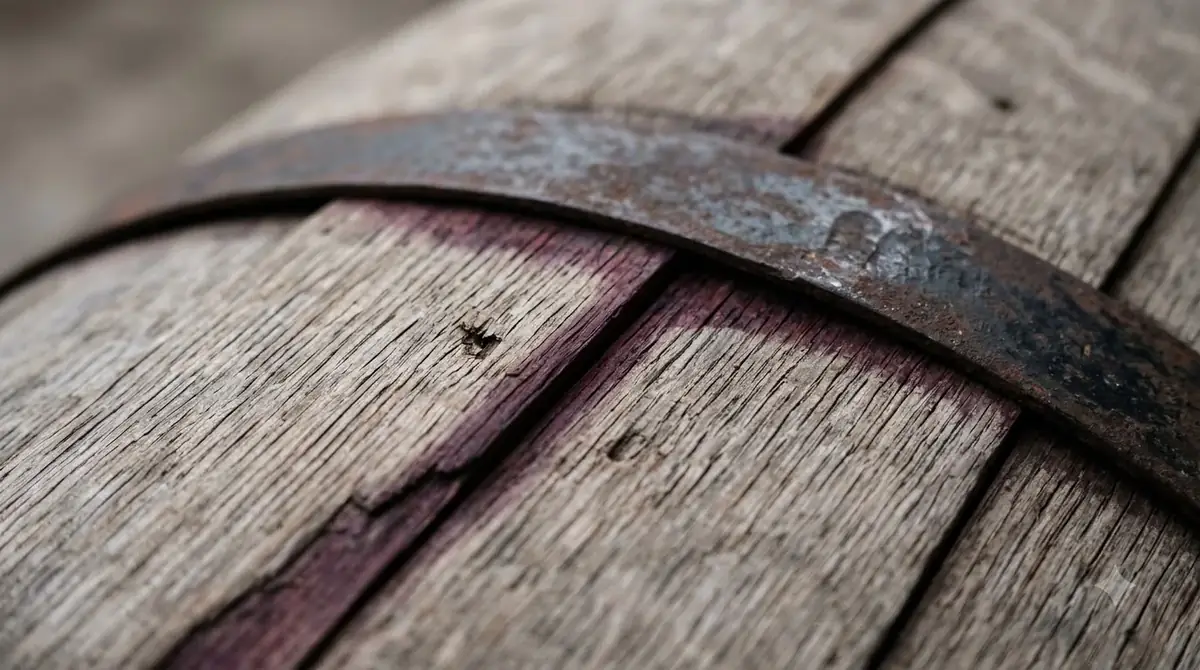
Pinot Noir is the grape most people associate with Gary Farrell. In the Russian River Valley, it usually shows red cherry, raspberry, and a light earthy note, with a silky texture and fine tannins. The cool climate keeps the acidity lively, so even a rich bottle tends to feel fresh rather than heavy.
When comparing Pinot Noir from this region with bottles from other areas, the main difference is often fruit character and structure. Sonoma coast and Russian River wines are frequently described as more focused and savory than warmer-climate Pinot. That makes them a good match for dishes that need a red with energy but not a lot of tannin.
If you are new to Pinot Noir, start with a bottle from the valley rather than a heavily oaked style. The fruit is easier to read, and the wine is more forgiving with food. Over time, the same grape can show different layers depending on the vintage, so it is worth trying more than one year if you find a style you like.
Chardonnay: The White Side of the Lineup
Chardonnay is the second grape in the winery’s core range. Cool-climate Chardonnay from the Russian River Valley usually leans toward green apple, lemon, and white peach, with a crisp line through the middle. Oak treatment can add vanilla, toast, or a creamier texture, and the balance between fruit and oak is one of the main things to look at on a label.
A Chardonnay with less oak tends to feel brighter and works well with lighter meals. A more oaked style, by contrast, has more body and suits richer dishes such as roast chicken, creamy pasta, or pork with a golden crust. Both approaches can be good, and the choice depends on the food you plan to serve.
| Grape | Typical character | Good with | Serve at |
|---|---|---|---|
| Pinot Noir | Red cherry, earth, fine tannin | Salmon, duck, mushroom dishes | Slightly cool, 55 to 62 F |
| Chardonnay (less oak) | Green apple, lemon, crisp finish | Shellfish, salads, light fish | Chilled, 45 to 50 F |
| Chardonnay (oaked) | Apple, vanilla, creamy texture | Roast chicken, creamy pasta | Chilled, 50 to 55 F |
Tip: Chill a Chardonnay for about 30 to 60 minutes before serving rather than dropping it into ice, which can mute the aromas.
How to Serve Gary Farrell Wine
Serve the Pinot Noir slightly cool, with a short rest in the glass before the first sip. A standard red wine glass with a wide bowl helps the aromas collect, and it is best to pour about a third of the glass. Chardonnay should be served cold enough to feel refreshing but not so cold that the fruit and oak disappear. A white wine glass with a moderate bowl works well.
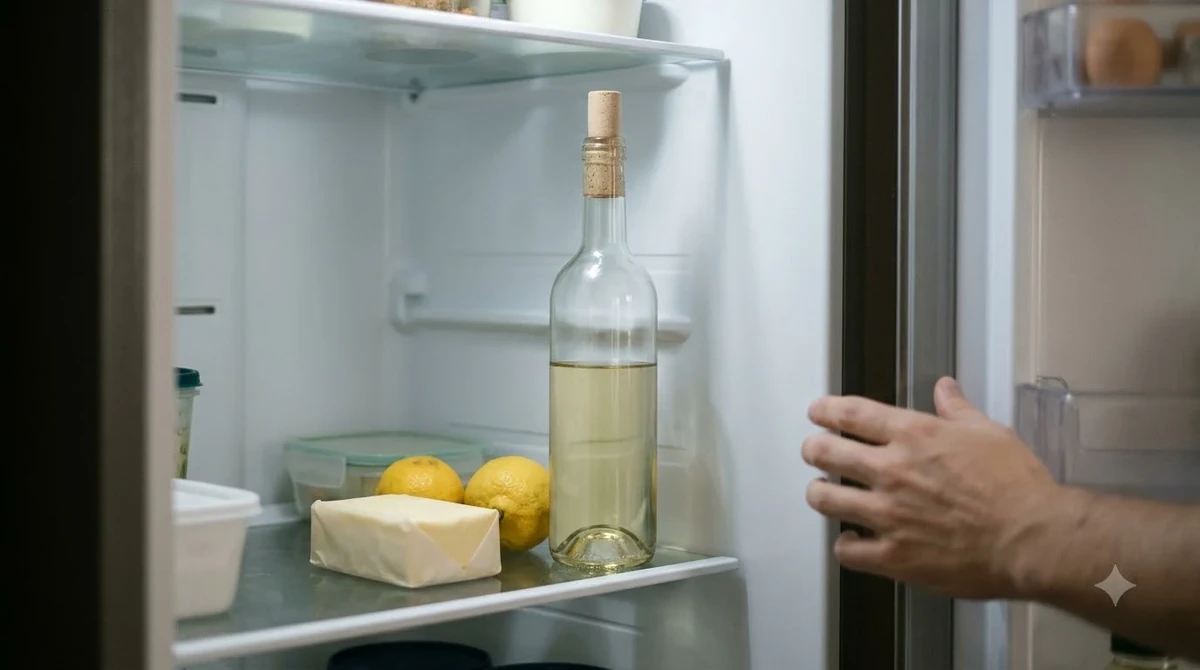
Once opened, Pinot Noir keeps for a few days when it is recorked and refrigerated, and Chardonnay usually stays fresh for a day or two. Re-cork the bottle tightly and keep it upright in the refrigerator to limit contact with air. A simple vacuum stopper can extend the life of an open bottle for a little longer.
Food Pairings That Fit the Style
Pinot Noir is one of the most food-friendly reds. It pairs with salmon, roast duck, grilled chicken thighs, and mushroom risotto. Its acidity cuts through rich sauces, and its moderate tannins do not overpower delicate dishes. A lightly seasoned cheese such as a soft aged cheese also suits it well.
Chardonnay has a wider range than many people expect. The crisper style goes with oysters, grilled prawns, and salads with citrus dressing. The oaked style fits roast chicken, creamy pasta, and pork chops with a caramelized crust. When the menu has a mix of dishes, a bottle of each style can give guests a comfortable choice.
How to Choose a Bottle
Start with the grape. If you usually drink red, a Pinot Noir from the valley is a reliable starting point. If you prefer white, pick a Chardonnay and check the oak description or the tasting notes on the producer’s site, since those details tell you how creamy or crisp the wine will be. Pay attention to the vintage as well, because a cooler or warmer year can shift the balance of a wine noticeably.
Next, look at the label for the vineyard name, the appellation, and the alcohol statement. A bottle that names a specific vineyard tells you more about the flavor than a general appellation does. If you want to compare a Pinot-style red with a different producer, the page on Austin Hope red wine covers a bold red that contrasts with the lighter Russian River style. For a white comparison, the guide to Aveleda wine is a useful reference, and the wine brands section groups producers by their overall approach.
Finally, think about how you will drink the bottle. A Pinot Noir works well for a dinner that lasts a while, and a Chardonnay is pleasant on its own before the meal. Buy the bottle that matches the food you are planning rather than the one with the most attention on the shelf.
Frequently Asked Questions
Where is Gary Farrell Winery located?
The winery’s website lists its address as 10701 Westside Road in Healdsburg, California, and describes it as a Russian River Valley producer in Sonoma County.
What are the main grapes in the Gary Farrell lineup?
The winery’s site highlights Pinot Noir and Chardonnay as its main varieties, with wines that reflect the character of the Russian River Valley.
Should Gary Farrell Pinot Noir be chilled?
Lightly, yes. Serving it slightly cool, roughly 55 to 62 degrees Fahrenheit, keeps the fruit lively and stops the wine from tasting warm and heavy.
How long does an opened bottle last?
Pinot Noir usually keeps for a few days when recorked and refrigerated, while Chardonnay is best within a day or two. Use a stopper and keep the bottle upright in the fridge to slow oxidation.
Gary Farrell wine is a good choice for anyone who wants a clear expression of the Russian River Valley, especially in Pinot Noir and Chardonnay. Start with the grape you prefer, read the label for vineyard and vintage details, and serve each style at the temperature that suits it. From there, the range is easy to explore one bottle at a time.
More in Wine Brands
 Underwood Wine Price: Compare Bottles, Cans, and Pack SizesUpdated Nov 21, 2026
 Zenato Wine Price: Compare Styles and Choose the Right BottleUpdated Nov 21, 2026
 Zuccardi Wine Price: Compare Bottles and Find the Right RangeUpdated Nov 21, 2026
 Yellow Tail Moscato Review: Taste, Sweetness and Serving TipsUpdated Nov 21, 2026
 Wolf Blass Yellow Label Review: Choose Your Best StyleUpdated Nov 21, 2026
 Wolffer Estate Rose Review: Choose the Right Bottle for Your TableUpdated Nov 21, 2026