

We may earn a commission when you buy through links on this page, at no extra cost to you. Learn more.
This gallo hearty burgundy wine review finds that Gallo Hearty Burgundy is a rich, approachable California red blend suited to casual dinners, tomato-based dishes, chili, and everyday entertaining. It combines dark-fruit character with a substantial body and a history dating back to 1964. Although its name references Burgundy, France, this is an American wine rather than a traditional French Burgundy. Its appeal lies in its straightforward style, food-friendly character, and generous bottle format.
Gallo Hearty Burgundy occupies an interesting place in American wine history. It helped introduce generations of American drinkers to fuller-bodied red wine, and its familiar name remains associated with relaxed meals and traditional family cooking. Understanding its actual origin, changing grape composition, flavor profile, and serving requirements makes it easier to decide whether this classic California blend belongs on your table. This guide examines the practical details that matter before choosing a bottle.
Who This Is For
Gallo Hearty Burgundy is best suited to drinkers who enjoy fruit-forward California reds with enough body to accompany substantial food. Its appeal is less about intricate vineyard expression and more about a recognizable, uncomplicated style that works alongside familiar meals such as meatballs, pasta, and chili.

Casual red wine drinkers are a natural audience. Someone moving from lighter wines toward fuller reds may appreciate the combination of dark fruit, richness, and approachable character. Wine Enthusiast described a reviewed bottling as dry and full-bodied, identifying cherry jam, licorice, black pepper, and smoky wood. Those descriptors suggest a more generous profile than a delicate, high-acidity red designed primarily for subtle food pairings.
People serving traditional comfort food are another good audience. Gallo specifically recommends Italian meat sauce and hearty chili on its official product page. The wine’s fruit character and body make sense alongside dishes containing cooked tomatoes, ground beef, sausage, and concentrated savory flavors. It can also accompany pizza, meatballs, and hard cheeses without requiring a complicated menu.
It is also worth considering for larger gatherings. Gallo identifies a 1.5-liter bottle as an available format, which is useful when several guests will share the same wine. A standard 750 ml bottle provides approximately five conventional 5-ounce servings, while a 1.5-liter bottle provides approximately ten. That larger format makes portion planning easier for a dinner party or informal family gathering.
However, drinkers seeking a delicate French Pinot Noir, a complex aged Bordeaux, or a highly distinctive single-vineyard wine should consider other styles. Hearty Burgundy is a broad California blend, not a wine intended to demonstrate the individual character of one grape or vineyard. Its strongest selling point is its accessible, hearty personality rather than fine-detail complexity.
Key Factors to Compare
The most useful buying considerations are grape composition, sweetness, body, alcohol, bottle size, and intended food pairing. These characteristics help distinguish Hearty Burgundy from lighter California reds and more structured wines such as Cabernet Sauvignon.
Start with the wine’s identity. Gallo describes the current product as its original California red blend, while Wine Enthusiast’s historical reviews document different compositions across bottlings. Its anniversary announcement specifically highlights Zinfandel and Petite Sirah as recurring components, while explaining that the exact varietal composition has changed over time.
| Buying factor | What the sources establish | What it means for buyers |
|---|---|---|
| Wine category | California red blend | Expect a blended red rather than a single-varietal Burgundy. |
| Introduced | 1964 | A long-established American wine label. |
| Grape components | Zinfandel and Petite Sirah historically featured | Composition can vary between bottlings. |
| Reviewed alcohol | 12.5% ABV in one Wine Enthusiast listing | A useful historical reference, not a universal specification. |
| Reviewed bottle size | 1.5 liters in that listing | A larger sharing format. |
| Flavor descriptions | Cherry jam, licorice, black pepper, smoky wood | A rich, fruit-forward drinking profile. |
| Official food suggestions | Italian meat sauce and hearty chili | A practical choice for substantial meals. |
| Officially listed format | 1.5 liters | Useful for sharing at larger gatherings. |
The table combines historical review information with Gallo’s current product description. The 12.5% alcohol figure belongs to the specific Wine Enthusiast bottling, not necessarily every bottle sold under the Hearty Burgundy name. A separate historical listing records a different alcohol percentage and bottle size, illustrating why buyers should not assume that every production period has identical specifications.
Sweetness is another important distinction. The reviewed Wine Enthusiast bottling was described as dry, so Hearty Burgundy should not automatically be treated as a sweet red simply because its fruit flavors can suggest cherry preserves or ripe berries. Fruit intensity and residual sugar are different characteristics. A wine can taste generously fruity while remaining dry.
Body matters just as much. Wine Enthusiast described its reviewed wine as full-bodied, while current Gallo marketing emphasizes richness and bold food pairings. This makes it a more natural match for substantial dishes than for delicate seafood or lightly seasoned vegetables.
For readers comparing broader producers and styles, the Wine Brands category provides a useful starting point for understanding how American commercial wine labels differ in style and positioning.
Tip: Treat the grape varieties and alcohol percentage in historical reviews as information about those particular bottlings. Gallo explains that Hearty Burgundy’s varietal composition has changed over time, so an older tasting description should not automatically be applied to every bottle currently available.
Step-by-Step: How to Choose and Serve Hearty Burgundy
A straightforward buying process helps match the wine to your meal and serving occasion. Start with the food, confirm the bottle format, and then prepare the wine at an appropriate temperature rather than serving it too warm.
-
Decide what you are serving.
Hearty Burgundy makes the most sense alongside flavorful meals. If your menu includes spaghetti with meat sauce, beef meatballs, sausage pizza, or chili, its rich red-fruit profile should fit naturally. For a light seafood dinner or delicate white fish, a crisp white wine is generally a better direction.
-
Choose the bottle format.
Gallo’s official product page identifies a 1.5-liter format. This is equivalent to two standard 750 ml bottles and provides approximately ten 5-ounce servings. It is convenient for a gathering, although a smaller bottle may be more practical when serving only one or two people.
-
Understand the style before buying.
Look for a California red blend rather than assuming the wine is French Pinot Noir. Its historical identity includes Zinfandel and Petite Sirah, and Wine Enthusiast’s reviewed bottling was dry, full-bodied, and rich in dark-fruit character.
-
Prepare the wine at the correct temperature.
For a substantial red blend, approximately 60 to 65 degrees Fahrenheit is a useful serving range. This is slightly cooler than many warm dining rooms. If the bottle has been stored at room temperature in a warm home, a short period of refrigeration can help bring it closer to the desired temperature.
-
Use appropriate glassware.
A standard red wine glass with a reasonably wide bowl gives the wine room to release its aromas. You do not need specialized Burgundy stemware or expensive crystal to enjoy an uncomplicated California blend. A clean, ordinary wine glass is sufficient.
-
Pour moderate servings.
A conventional serving is approximately 5 ounces. From a standard 750 ml bottle, that provides about five glasses. From a 1.5-liter bottle, expect approximately ten servings, depending on how generously each glass is poured.
-
Pair the wine with the meal.
Try it with meatballs, tomato-based pasta, grilled sausages, or chili. Taste the food and wine together rather than judging the bottle in isolation. A rich dish can make the wine feel more balanced, while a very delicate dish may make its body seem excessive.
This process keeps the buying decision practical. There is little reason to purchase elaborate wine accessories or plan a formal tasting around a bottle designed for relaxed meals. The food, serving temperature, and number of guests are more important considerations.
Types and Styles Explained
Hearty Burgundy is a California red blend with a history of changing grape composition. Understanding that distinction helps explain why older reviews sometimes identify different varieties and why the wine should not be compared directly with traditional French Burgundy.

California red blend
The current Gallo product page calls Hearty Burgundy its original California red blend. This is the most important description for buyers because it establishes the wine’s actual category and geographical identity. It is not an appellation-specific French Burgundy wine, despite the historical name.
Blending allows a producer to combine grapes with different characteristics. One variety may contribute ripe fruit, another may add color and depth, and another may help create the overall texture. The resulting wine is judged by its balance and intended style rather than by the purity of one grape variety.
Zinfandel and Petite Sirah
Gallo’s anniversary announcement identifies Zinfandel and Petite Sirah as two varieties that have consistently featured in the wine’s historical identity. Zinfandel contributes the kind of brambleberry character associated with ripe California reds, while Petite Sirah provides darker fruit and depth.
These grapes help explain why Hearty Burgundy has traditionally been associated with a fuller, generous style. Zinfandel can contribute ripe berry flavors and a broad palate, while Petite Sirah is generally associated with deeper color and substantial tannin. Together, they provide a logical foundation for a wine intended to accompany bold meals.
Historical variations
The grape composition has not remained identical throughout the wine’s history. Wine Enthusiast’s older review describes a blend that included Pinot Noir, Zinfandel, Sangiovese, and Syrah, while another review identifies Zinfandel and Petite Sirah. Gallo’s own anniversary announcement confirms that varietal components have varied from one vintage to another.
This matters because a bottle from an earlier production period may not have precisely the same flavor balance as another bottling. Historical descriptions are valuable for understanding the wine’s development, but they should not be mistaken for a permanent recipe.
Hearty Burgundy versus traditional Burgundy
The word Burgundy refers to a famous French wine region. Traditional red Burgundy is made primarily from Pinot Noir and expresses a very different regional identity from a California proprietary blend. White Burgundy is generally based on Chardonnay, making the regional name broader than a single red wine style.
Gallo Hearty Burgundy, by contrast, is identified by its producer as a California red blend. Its name reflects the history of American wine naming and commercial wine culture, not French regional origin. Buyers looking for French Burgundy should shop by the relevant French appellation and producer rather than relying on the word Burgundy alone.
For a broader understanding of the producer’s portfolio, the Gallo wine overview helps put Hearty Burgundy in context alongside other wines from the company.
Common Mistakes When Buying Gallo Hearty Burgundy
The biggest purchasing mistakes involve confusing the wine’s name with its geographical origin, assuming every bottle has the same blend, and expecting a different sweetness or body level than the wine delivers. A few simple distinctions can prevent disappointment.
Assuming it comes from France
The word Burgundy can easily suggest French wine, but Gallo explicitly describes this product as a California red blend. Traditional Burgundy has its own appellation rules and grape traditions. Hearty Burgundy belongs to a different category entirely.
This is particularly important for someone shopping for Pinot Noir from Bourgogne. A California proprietary blend should not be purchased as a substitute for a French regional wine simply because the names sound similar.
Expecting a sweet red
Dark berry and cherry flavors can create an impression of sweetness, especially for people accustomed to lighter wines. However, Wine Enthusiast specifically described its reviewed Hearty Burgundy as dry. Ripe fruit character does not necessarily mean that a wine contains substantial residual sugar.
Someone looking for an explicitly sweet red should compare sweetness information rather than relying on fruit-related tasting descriptions. A dry wine with jammy fruit notes can taste very different from a sweet red blend.
Assuming the blend never changes
Historical records show that Hearty Burgundy has appeared with different grape combinations. The Gallo anniversary announcement identifies Zinfandel and Petite Sirah as recurring varieties, but Wine Enthusiast’s older reviews document additional components.
It is therefore misleading to describe every bottle as a fixed mixture of exactly two or three grapes. The wine’s recognizable style is more useful for understanding the product than trying to impose one permanent varietal formula on its entire history.
Serving it too warm
Full-bodied red wines are often served too close to room temperature, particularly in heated homes. At temperatures substantially above 65 degrees Fahrenheit, alcohol can seem more prominent and the wine may feel heavier than intended.
A short chill before serving can make a noticeable difference. The goal is not to serve the wine cold like sparkling wine or light white wine, but to bring it into the 60 to 65 degree Fahrenheit range.
Pairing it with delicate foods
Gallo specifically suggests hearty chili and Italian meat sauce. Those recommendations are useful clues about the wine’s weight and flavor intensity. A subtle white fish preparation, lightly dressed salad, or delicate vegetable dish may be overwhelmed by a full-bodied red blend.
For more satisfying results, match the wine with dishes containing savory flavors, cooked tomatoes, meat, or substantial seasoning. The food should have enough flavor and texture to stand alongside the wine.
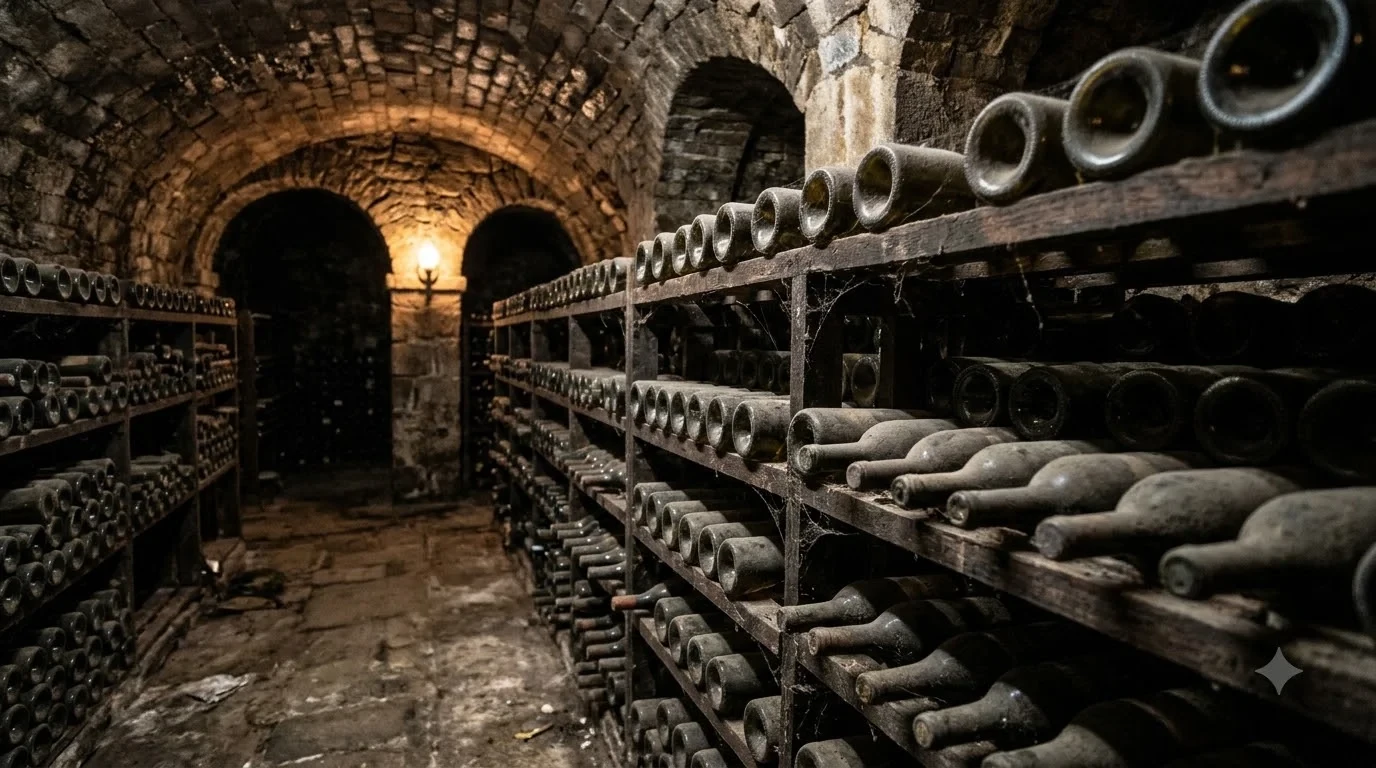
Care and Storage Tips
Hearty Burgundy is best treated as an everyday drinking wine rather than a bottle that needs years of cellaring. Sensible storage, moderate serving temperatures, and proper refrigeration after opening help preserve its fruit character and keep the wine enjoyable.
For an unopened bottle, aim for a stable storage environment around 55 degrees Fahrenheit. Avoid locations that experience repeated temperature changes, such as a kitchen counter beside an oven or a shelf exposed to direct sunlight. Excessive heat can accelerate unwanted changes in wine and reduce freshness.
Traditional wine storage places bottles on their sides when they have natural cork closures, helping keep the cork from drying out. However, the closure type matters, and not every modern bottle requires horizontal storage. The more important priorities are consistent temperature, limited light, and avoiding unnecessary vibration.
Do not assume that a historical red blend needs extensive decanting. A younger, full-bodied red can sometimes benefit from 30 to 60 minutes of aeration, but that is not a mandatory step for every bottle of Hearty Burgundy. Open the bottle, pour a small amount, and see whether additional exposure to air makes the aromas more expressive.
Serving temperature and glassware
Use 60 to 65 degrees Fahrenheit as a practical target. If the wine feels excessively warm, place it in the refrigerator briefly and check it again. If it has become too cold, allow it to warm gradually in the glass.
A regular red wine glass is sufficient. There is no need to purchase a specialized decanter, wine thermometer, or expensive glass collection just to serve this blend. Those accessories can be useful for a broader wine collection, but they are optional here.
After opening
Reseal the bottle and refrigerate the remaining wine. Even red wine benefits from refrigeration after opening because cooler temperatures slow oxidation. For most opened still wines, approximately three to five days is a useful general storage guideline, although freshness depends on the wine, closure, and amount of air remaining in the bottle.
When serving the remaining wine, take it out of the refrigerator shortly before pouring. Allowing it to approach its normal serving temperature helps restore its fruit aromas and makes the texture feel less muted.
A large-format bottle deserves particular attention after opening because more wine may remain than can reasonably be consumed at one meal. Transfer smaller remaining quantities into a clean, appropriately sized bottle if necessary to reduce the amount of air inside the container. Keep it refrigerated and use it within the usual short window for opened still wine.
For the producer’s official description, bottle-format information, and food suggestions, visit Gallo Family Vineyards Hearty Burgundy.
For readers interested in the producer’s broader background and portfolio, the Gallo Family Vineyards wine overview offers additional context for comparing its familiar wine styles.
Frequently Asked Questions
These answers address practical details that are easy to overlook when comparing Gallo Hearty Burgundy with other California reds. They also clarify a few points about its history, labeling, and serving conventions.
Why was Gallo Hearty Burgundy created?
Ernest and Julio Gallo developed the wine to offer an American red with the generous character they associated with wines enjoyed around the family dinner table. The winery’s anniversary announcement explains that the brothers drew inspiration from wines they enjoyed while sharing meals with friends and family. The original commercial release took place in 1964.
Did Gallo Hearty Burgundy ever appear on the cover of TIME magazine?
Yes. Gallo’s anniversary announcement confirms that Hearty Burgundy appeared on the cover of TIME in 1972. The magazine feature examined the growing California wine industry, making the appearance a notable moment in the wine’s American history.
Does Gallo Hearty Burgundy contain sulfites?
Wine naturally contains sulfites, and commercial wines may also contain additional sulfites from winemaking. Bottles sold in the United States may carry a sulfite declaration when applicable under labeling requirements. The precise composition of an individual bottling should be established from its product information rather than inferred from historical reviews.
Can Gallo Hearty Burgundy be used in cooking?
Yes. A dry red blend can be used in dishes such as beef stew, tomato-based pasta sauce, and braised meat. Add it during cooking so that the liquid has time to reduce and integrate with the other ingredients. Avoid using wine that has developed unpleasant oxidation or other spoilage characteristics.
Is a magnum bottle the same as two standard wine bottles?
Yes. A 1.5-liter magnum contains 1,500 ml, exactly twice the volume of a standard 750 ml bottle. In conventional 5-ounce servings, that represents approximately ten glasses rather than five, making it a useful format for a shared meal.
Gallo Hearty Burgundy remains a recognizable American red blend with a long history, a generous fruit profile, and a natural connection to hearty home cooking. It makes the most sense for drinkers who want an uncomplicated California red to serve with pasta, chili, meatballs, and other substantial dishes. Understanding its American origin and changing blend composition helps set realistic expectations before buying, while appropriate serving temperature and storage keep the experience straightforward.
More in Wine Brands
 Giesen Wine Review: Find the Right Bottle for Every OccasionUpdated Nov 21, 2026
 Goats Do Roam Wine Price: Find the Right Bottle for Your BudgetUpdated Nov 21, 2026
 Gnarly Head Wine Price: What to Expect Across the RangeUpdated Nov 21, 2026
 Gerard Bertrand Wine Price: Compare Bottles and Find Your Best FitUpdated Nov 21, 2026
 Gazela Vinho Verde Price: What to Pay for a Refreshing Portuguese WhiteUpdated Nov 21, 2026
 Gaja Barbaresco Review: How to Choose and Enjoy This Piedmont ClassicUpdated Nov 21, 2026