
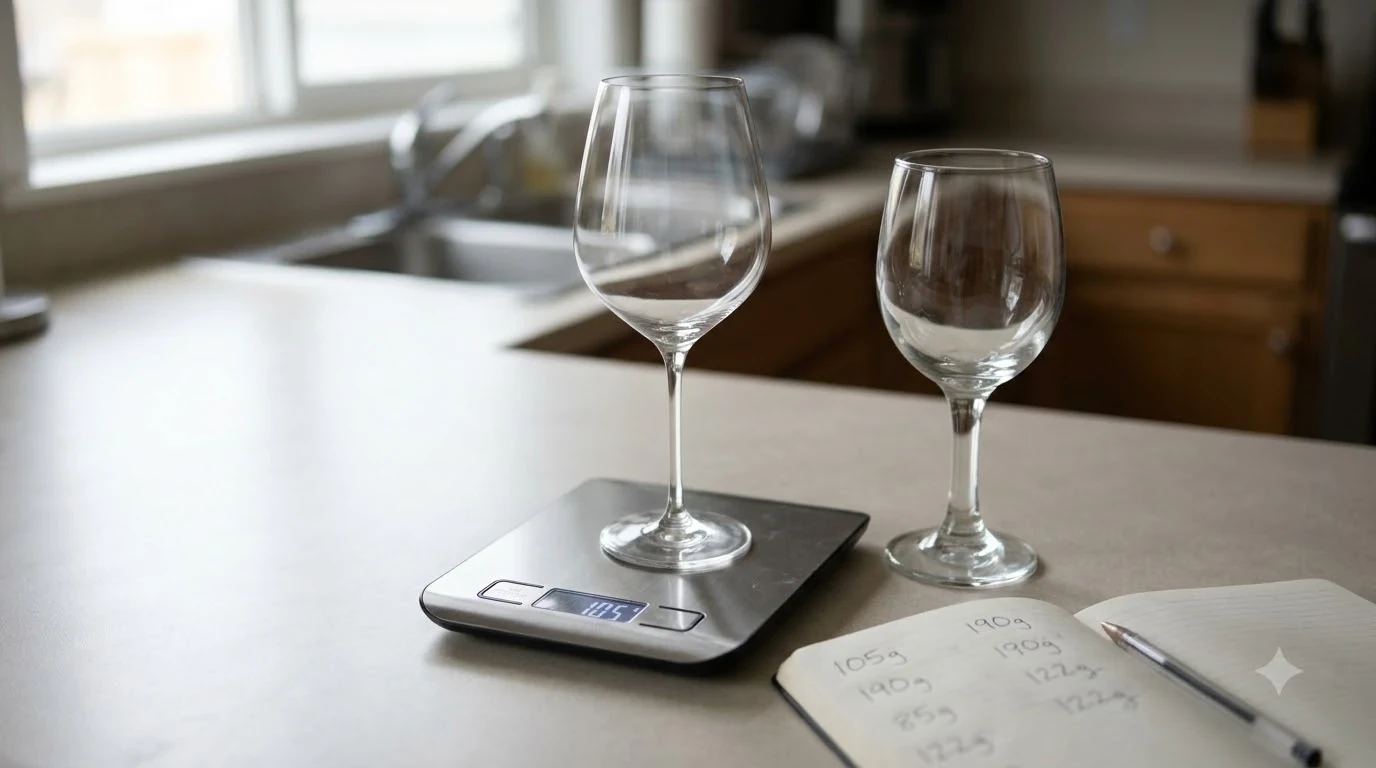

We may earn a commission when you buy through links on this page, at no extra cost to you. Learn more.
The Gabriel Glas wine glass review verdict: Gabriel-Glas makes an excellent universal wine glass, with the StandArt offering the strongest balance of elegance, versatility, and everyday durability. Its 510 ml lead-free crystal bowl accommodates red, white, rosé, and sparkling wines, while its thin rim and single-piece construction distinguish it from ordinary stemware. The hand-blown Gold Edition offers a lighter, more luxurious alternative, but most wine drinkers will find the StandArt the more practical choice.
Choosing wine glasses can become surprisingly complicated. Different grape varieties have traditionally called for different bowl shapes, and premium stemware can be delicate enough to make everyday use uncomfortable. Gabriel-Glas takes another approach: one carefully proportioned glass intended to work across a wide range of wine styles. This review examines its construction, dimensions, drinking experience, owner feedback, and differences between the two editions to help determine whether this distinctive glass belongs in your collection.
Specs and Key Features
The Gabriel-Glas StandArt combines a generous bowl, relatively lightweight construction, and lead-free crystal in a single-piece design. Its proportions provide room for swirling and aroma development without requiring a separate glass for every grape variety.
The signature silhouette has a broad lower bowl that gradually narrows toward the opening. Gabriel-Glas describes the design as inspired by an unfurling rose. The curved sides are intended to collect aromas above the wine while leaving enough room to swirl without easily spilling the contents.
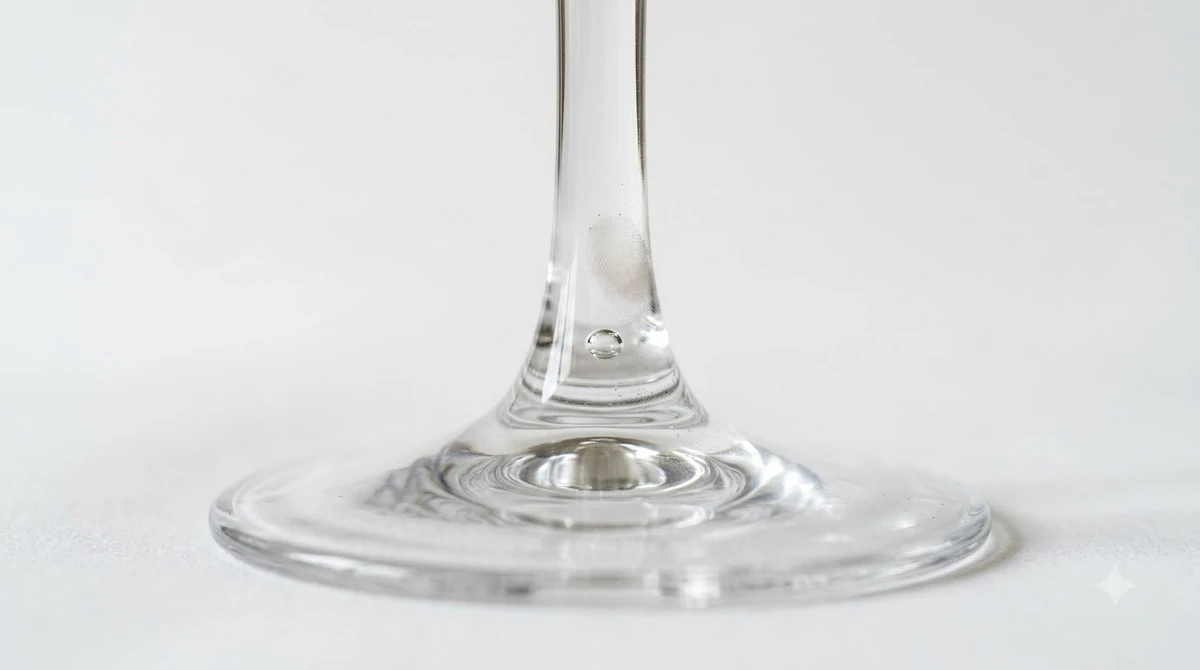
The StandArt is machine-blown from one piece of molten crystal. The manufacturer forms the bowl, pulls the stem, and creates the foot without joining separate components. This construction removes the traditional connection points between the bowl, stem, and base, which can be vulnerable areas in conventional stemware.
The rim is laser-cut and diamond-polished. It is designed to remain thin while offering improved resistance to chipping compared with an ordinary unfinished glass edge. The result is a drinking surface that feels refined without requiring the completely handmade construction of the Gold Edition.
| Specification | Gabriel-Glas StandArt |
|---|---|
| Product type | Universal wine glass |
| Material | Lead-free crystal |
| Manufacturing | Machine-blown, single-piece construction |
| Capacity | 510 ml (17.29 fl oz) |
| Height | 230 mm (9.05 inches) |
| Bowl width | 95 mm (3.74 inches) |
| Rim width | 66 mm (2.59 inches) |
| Weight | Approximately 150 g (5.29 oz) |
| Rim treatment | Laser-cut and diamond-polished |
| Dishwasher safe | Yes |
These specifications explain much of the glass’s appeal. A 510 ml capacity is generous enough for aromatic reds, yet the 66 mm opening is not excessively wide. The approximately 150 g weight also provides more substance than extremely lightweight, hand-blown alternatives.
The material is another important consideration. Lead-free crystal provides clarity and allows manufacturers to create relatively thin drinking surfaces. Gabriel-Glas describes its crystal as using carefully sourced, low-iron sand combined with other materials to improve brilliance and strength.
For everyday wine service, the StandArt’s construction is particularly attractive. It looks like premium stemware but does not depend on a separately attached stem. That does not make it unbreakable, but it removes one common structural weakness found in traditional multi-piece designs.
For a broader look at premium stemware options, the Glassware Brands category provides another useful starting point.
What Owners Like
The strongest appeal of Gabriel-Glas is its combination of a versatile bowl, an elegant drinking rim, and construction intended for regular use. Independent editorial evaluations and owner feedback also highlight its usefulness across different wine styles.
One glass for multiple wine styles
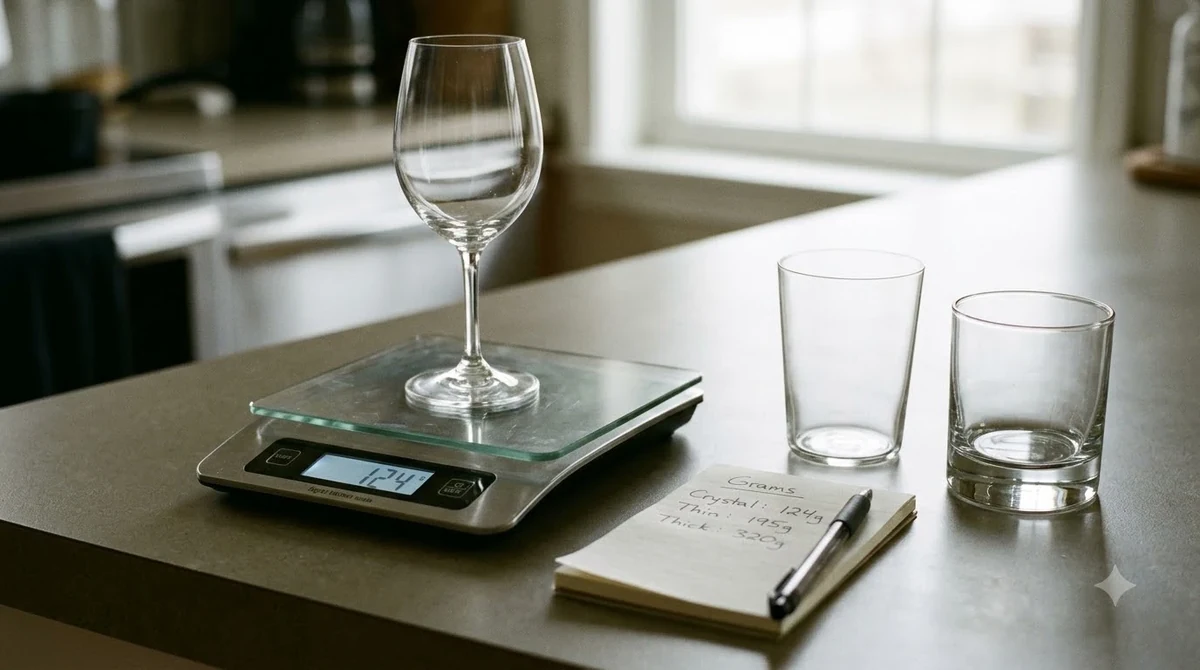
The universal design is the main reason to consider this glass. A Cabernet Sauvignon, Pinot Noir, Chardonnay, Sauvignon Blanc, or rosé can all be served in the same vessel. Instead of filling a cabinet with separate Bordeaux, Burgundy, and white wine glasses, owners can maintain a coordinated collection of matching stemware.
The bowl has enough space to accommodate aromatic red wines while remaining manageable for lighter whites. Its curved sides help collect the aromas released during swirling, and the opening directs those aromas toward the nose.
This versatility is especially useful for households that regularly serve several types of wine during the same meal. A bottle of Pinot Noir with dinner followed by sparkling wine for a celebration does not necessarily require switching to an entirely different glass collection.
The thin drinking rim
The rim is another frequently highlighted feature. Thick, rounded edges can make inexpensive stemware feel less refined, particularly when drinking lighter wines. Gabriel-Glas uses a laser-cut and diamond-polished edge to create a thinner contact surface.
That detail contributes to the overall drinking experience. The glass feels more delicate at the lips than its relatively substantial 150 g weight might suggest. It also gives the StandArt a more polished appearance than many conventional everyday glasses.
Bon Appétit’s coverage of the StandArt similarly highlights the combination of its elegant rim, thin stem, and slightly conical bowl. Its editorial evaluation describes the design as attractive without feeling excessively delicate for ordinary household use.
Construction that inspires confidence
The one-piece design is an important advantage. Traditional wine glasses frequently have separate bowl, stem, and base components joined during manufacturing. Those connections can become weak points, particularly if a glass is handled carelessly or exposed to uneven pressure.
The StandArt avoids those joints. Its machine-blown construction creates a continuous piece of crystal, with the stem pulled from the same material as the bowl. This does not prevent accidental breakage, but it provides a meaningful structural advantage over many conventional multi-piece glasses.
Wine Folly included the StandArt in a comparison of five premium universal wine glasses. The publication selected it alongside the Zalto Denk’Art Universal as one of its preferred options. It particularly praised the StandArt’s performance relative to considerably more expensive alternatives.
Wine Folly also highlighted its approximately 2.5-inch opening as a useful balance for aroma concentration. These observations make the glass interesting not only for casual drinking but also for people who regularly compare wines and develop their tasting vocabulary. Its comparison of five premium universal wine glasses provides additional context for evaluating its position among competing designs.
Owner feedback provides another useful perspective. Gabriel-Glas’s customer review collection includes comments praising the comfortable stem, presentation, and versatility across red and white wines. Some owners also appreciate that the stem feels substantial enough to hold comfortably without appearing overly thick.
Another practical advantage is dishwasher compatibility. The manufacturer recommends machine washing, making the StandArt less demanding than many delicate-looking premium glasses. That convenience is especially useful when serving several guests rather than preparing a single glass for an occasional tasting.
Common Complaints
Gabriel-Glas is not perfect for every household. Its relatively large proportions, premium positioning, and delicate appearance may be drawbacks for people who prioritize compact storage, inexpensive replacements, or specialized wine glass shapes.
The bowl takes up considerable space
A 510 ml glass is larger than many ordinary household wine glasses. Although this capacity helps accommodate swirling, the bowl requires adequate cabinet clearance and enough space between glasses during washing.
The 230 mm height can also create storage difficulties. Some kitchen cabinets have limited vertical clearance, particularly when shelves are adjustable or positioned close together. Buyers should measure their available storage space before purchasing a complete set.
The wide 95 mm bowl requires attention during handling. It is comfortable for swirling but can be awkward in a crowded dishwasher or a tightly packed cabinet. People with limited storage may prefer a more compact design.
Premium crystal still requires careful handling
The StandArt is engineered for greater structural consistency than many traditional multi-piece glasses, but crystal is not indestructible. A hard impact against a countertop, another glass, or a metal kitchen utensil can still cause damage.
The relatively thin rim deserves particular attention. Although Gabriel-Glas describes its laser-cut edge as chip-resistant, the glass should not be treated like thick restaurant tumblers. Stacking, careless storage, and overcrowding a dishwasher can create unnecessary risks.
The Gold Edition requires even more care. At approximately 90 g, it is substantially lighter than the 150 g StandArt. That extremely light construction is part of its appeal, but people who prefer heavier stemware may find it less reassuring to handle.
The universal design has limitations
One glass for every wine is convenient, but specialist glassware still has a purpose. A particularly large Burgundy bowl, for example, may appeal to someone who regularly drinks aromatic Pinot Noir. A dedicated Bordeaux glass can also provide a different presentation for structured Cabernet Sauvignon blends.
The Gabriel-Glas opening is relatively controlled rather than extremely wide. That works well as a compromise, but drinkers who prefer a specialized glass for powerful reds may want additional stemware.
There is also a difference between a universal glass being suitable for sparkling wine and being ideal for every sparkling wine occasion. The Gabriel-Glas can serve Champagne and Prosecco, but its broad bowl does not preserve visible streams of bubbles as effectively as a narrow flute.
Not everyone wants a large stemmed glass
The overall shape is elegant, but personal preference matters. Some drinkers prefer shorter stems, smaller bowls, or stemless designs. Others find a large universal glass unnecessarily formal for casual meals.
Those preferences are legitimate reasons to consider other options. The StandArt makes the most sense for people who enjoy traditional stemware and want one premium design to cover most of their wine drinking.
Tip: Do not assume that dishwasher-safe means break-proof. Place each StandArt securely on the top rack, keep neighboring items separated, and avoid contact with metal cookware or other glasses during the wash cycle.
Who Should Buy and Who Should Skip
The Gabriel-Glas StandArt is best suited to wine drinkers who want premium universal stemware without moving into extremely lightweight, delicate handmade glassware. Its 510 ml bowl and approximately 150 g weight make it a practical middle ground between inexpensive everyday glasses and specialist luxury pieces.
Buy it if you regularly drink different wine styles.
If your collection includes Cabernet Sauvignon, Merlot, Pinot Noir, Chardonnay, Riesling, and sparkling wines, a universal glass simplifies serving. You can use the same design for different bottles without having to decide which varietal-specific bowl is appropriate for each occasion.
This is particularly appealing for smaller households. Instead of buying separate sets for red and white wines, a matching collection of Gabriel-Glas StandArt glasses can cover most everyday requirements.
Buy it if you value presentation and construction.
The single-piece crystal body, thin rim, and gently curved bowl give the glass a distinctive appearance. It is suitable for dinner parties, wine tastings, and more formal occasions without being reserved exclusively for celebrations.
People who appreciate good stemware but do not want to handle an extremely fragile-looking glass every time they open a bottle should also consider the StandArt. Its weight provides a more substantial feel than the Gold Edition.
Consider the Gold Edition if craftsmanship is your priority.
The Gold Edition is the natural alternative for collectors who particularly value mouth-blown crystal. Gabriel-Glas describes it as completely hand-blown, with each glass made through a process involving two artisans working together.
Its approximately 90 g weight is the defining difference. The general shape and 510 ml capacity remain similar to the StandArt, but the Gold Edition offers a notably lighter feel and more individual handmade character.
For someone building a premium wine collection or selecting a special gift, this difference may justify choosing the handmade version. However, it is not necessary to spend more simply to obtain the universal bowl shape.
Skip it if you need inexpensive, high-volume stemware.
Large households, busy entertaining spaces, and people who frequently replace broken glasses may prefer more affordable alternatives. A premium crystal glass is not necessarily the most economical choice for a large party where breakage is a regular possibility.
Also consider alternatives if you strongly prefer varietal-specific bowls. Dedicated Pinot Noir and Cabernet Sauvignon glasses can provide a more specialized experience for drinkers who focus on particular grape varieties.
If a coordinated collection is your main goal, explore a wine glass set before choosing individual pieces. This can help establish whether universal stemware or a combination of specialized glasses better suits your household.
How It Compares to Alternatives
The StandArt occupies an interesting position between affordable everyday stemware and expensive handmade crystal. Its closest comparison points include the Gold Edition, Zalto Denk’Art Universal, and Libbey Signature Kentfield Estate All-Purpose glass.
Each offers a different balance of weight, manufacturing technique, appearance, and versatility. The right choice depends on whether everyday practicality, handcrafted construction, or budget matters most.
Gabriel-Glas StandArt vs. Gold Edition
These two glasses share the same essential universal design. Both use lead-free crystal and have a 510 ml capacity, making them suitable for the same broad range of wine styles.
The major difference is manufacturing. The StandArt is machine-blown, while the Gold Edition is completely mouth-blown and handmade. Their approximate weights are 150 g and 90 g respectively.
The StandArt is the more practical everyday option for most households. Its additional weight gives it a more substantial feel, while the Gold Edition is attractive to collectors who appreciate exceptionally lightweight handmade stemware.
Neither version should be considered a different wine-style specialist. The choice is primarily about construction, feel, and craftsmanship rather than obtaining a fundamentally different bowl shape.
Gabriel-Glas StandArt vs. Zalto Denk’Art Universal
The Zalto Denk’Art Universal is another premium glass designed for multiple wine varieties. It is particularly appealing to drinkers who prefer extremely lightweight, refined stemware.
Wine Folly compared both glasses and selected them as two preferred options in its evaluation. Its discussion highlights the Zalto’s expressive fruit presentation, particularly with red wines, while praising the StandArt’s value and sequential delivery of flavors.
The StandArt is heavier and has a more substantial feel. That can be reassuring for regular household use, especially for drinkers who are uncomfortable handling extremely thin crystal. The Zalto is a compelling alternative for people who prioritize lightness and a delicate drinking experience.
Gabriel-Glas StandArt vs. Libbey Signature Kentfield Estate
The Libbey Signature Kentfield Estate All-Purpose glass represents a more accessible everyday alternative. It is worth considering if you want versatile stemware without necessarily prioritizing premium crystal construction.
The Gabriel-Glas has a more refined rim, distinctive bowl shape, and single-piece construction. The Libbey provides a practical option for households where replacement cost and uncomplicated everyday use matter more than premium presentation.
For someone who regularly buys interesting wines and enjoys comparing their aromas, the StandArt makes a stronger case. For casual entertaining, large gatherings, or a first home glassware collection, a more economical alternative may be sufficient.
Gabriel-Glas StandArt vs. specialist wine glasses
A universal glass is not automatically better than a dedicated glass. A large Burgundy bowl can be appealing for aromatic Pinot Noir, while a narrower Champagne flute offers a different visual experience for sparkling wine.
The StandArt prioritizes flexibility. Specialist glassware prioritizes a particular serving experience. Neither approach is universally correct, and many experienced wine drinkers keep a small collection of universal glasses alongside a few specialized pieces.
For people who frequently serve Champagne or traditional-method sparkling wines, a dedicated best champagne glass selection can complement the Gabriel-Glas rather than replace it.
Similarly, readers comparing different all-purpose designs can consult our universal wine glass recommendations to see how the StandArt fits into the broader category.
For the manufacturer’s specifications and care recommendations, consult the official Gabriel-Glas StandArt product page.
Frequently Asked Questions
These additional details address practical questions about purchasing, serving, and maintaining Gabriel-Glas stemware.
Who designed the original Gabriel-Glas?
The glass was developed by René Gabriel, a Swiss wine critic associated with Austrian wine culture. His concept was to create a single glass suitable for different wine styles rather than requiring a separate shape for every grape variety. The design became the foundation for both the StandArt and Gold Edition.
How much wine should you pour into a Gabriel-Glas?
Gabriel-Glas recommends a 5-ounce serving. This leaves substantial empty space in the 510 ml bowl for swirling and collecting aromas. A standard 750 ml bottle provides approximately five servings at that pour size.
Does Gabriel-Glas use lead in its crystal?
No. Gabriel-Glas identifies both its StandArt and Gold Edition as lead-free crystal products. The manufacturer describes using alternative mineral components to achieve clarity and strength without traditional lead crystal formulations.
Can Gabriel-Glas glasses be used for professional wine tastings?
Yes. The universal shape makes the glasses suitable for comparative tastings involving several grape varieties and wine styles. Their consistent bowl design also helps reduce changes in glass shape as a variable when comparing different bottles.
Are Gabriel-Glas and Gabriel Glass the same brand?
Yes. Gabriel-Glas and Gabriel Glass are alternative written forms referring to the same wine glass brand. The product family includes the machine-blown StandArt and the handmade Gold Edition, rather than two unrelated manufacturers.
The Gabriel-Glas StandArt is a compelling choice for wine drinkers who want one attractive, versatile glass for regular use. Its single-piece construction, lead-free crystal, and carefully proportioned bowl make it a strong alternative to more specialized stemware. The Gold Edition is worth considering for those who value handmade craftsmanship and exceptionally light weight, but the StandArt remains the more sensible starting point for most households. Choose the version that matches your handling preferences, storage space, and approach to enjoying wine.
More in Wine Glasses
 Spiegelau Crystal Wine Glasses That Bring Clarity to Every PourUpdated Nov 21, 2026
 Zalto Crystal Wine Glasses: Are They Worth the Investment?Updated Nov 21, 2026
 Villeroy And Boch White Wine Glasses for a More Cohesive TableUpdated Nov 21, 2026
 Zalto Wine Glasses On Sale: Find the Right Denk’Art GlassUpdated Nov 21, 2026
 Zwiesel Glas Champagne Glasses: Features, Quality and Buying AdviceUpdated Nov 21, 2026
 Zwiesel Glas Decanter Review: A Durable, Elegant Choice for Wine ServiceUpdated Nov 21, 2026