

We may earn a commission when you buy through links on this page, at no extra cost to you. Learn more.
The gabriel glas universal wine glass is a premium all-purpose crystal stem designed to serve red, white, rosé, and sparkling wines in one versatile shape. Its broad bowl, tapered opening, thin rim, and single-piece construction make the StandArt particularly appealing to wine drinkers who want refined stemware without maintaining several varietal-specific glass collections. The machine-blown StandArt is the practical everyday option, while the handmade Gold Edition offers a lighter, more delicate alternative for buyers who prioritize craftsmanship.
Gabriel-Glas approaches wine glass design with a simple idea: a carefully proportioned universal bowl can handle a wide range of wines without requiring a separate glass for every grape variety. That makes the collection interesting for households that regularly move between Cabernet Sauvignon, Pinot Noir, Chardonnay, Riesling, and sparkling wine. The important buying decision is not whether the glass can accommodate different wines, but whether its shape, weight, construction, and maintenance requirements suit the way you actually drink and serve wine.
Specs and Key Features
The Gabriel-Glas StandArt combines lead-free crystal with a distinctive conical bowl and single-piece construction. Its dimensions provide enough room for swirling and collecting aromas while keeping the opening relatively controlled.
The manufacturer’s specifications describe a glass measuring 9.05 inches tall, with a 3.74-inch bowl width and a 2.59-inch opening. Its 17.29-ounce capacity is generous for a universal wine glass, although normal serving portions should remain considerably smaller than the total volume. The recommended pour is approximately 5 ounces, which leaves room for the wine to move around the bowl without spilling.
| Specification | Gabriel-Glas StandArt |
|---|---|
| Product type | Universal stemmed wine glass |
| Material | Lead-free crystal |
| Construction | Machine-blown, single-piece construction |
| Height | 230 mm (9.05 inches) |
| Maximum bowl width | 95 mm (3.74 inches) |
| Rim diameter | 66 mm (2.59 inches) |
| Weight | Approximately 150 g (5.29 oz) |
| Capacity | 510 ml (17.29 fl oz) |
| Recommended pour | Approximately 5 oz |
| Rim finish | Laser-cut and diamond-polished |
| Dishwasher compatibility | Yes |
| Suitable wine styles | Red, white, rosé, and sparkling |
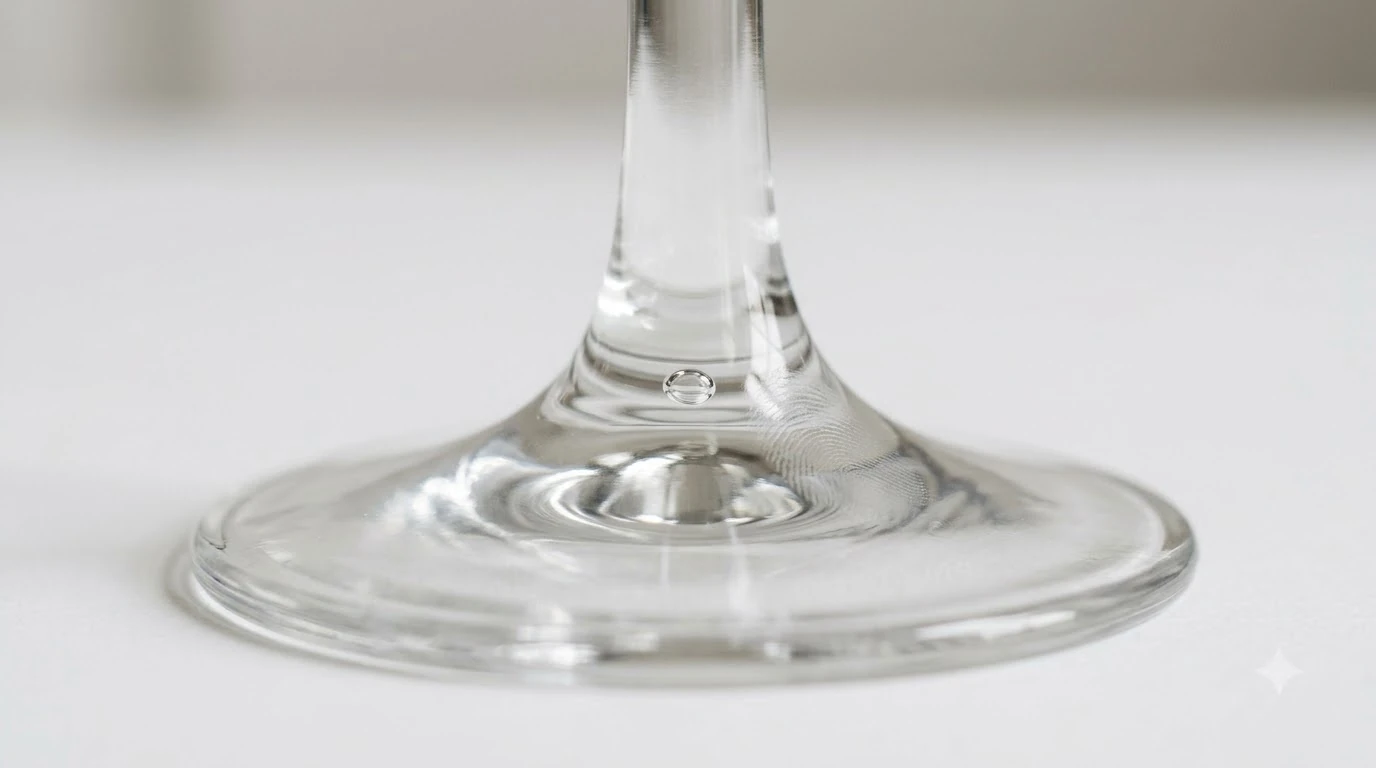
One of the most important construction details is the absence of traditional joints between the bowl, stem, and foot. The glass is formed from one piece of crystal, with the bowl blown into shape, the stem pulled, and the footplate formed as part of the same manufacturing process. This differs from conventional multi-piece stemware, where joins can create additional structural weak points.
The rim is another notable feature. Gabriel-Glas uses laser cutting and diamond polishing to produce a thin drinking edge. A thin rim can make the transition from glass to mouth feel less intrusive, particularly when drinking delicate white wines or lighter reds. It does not change the underlying quality of the wine, but it can influence the physical experience of drinking it.
The 510 ml capacity also deserves attention. It gives the wine room to collect aromas above the liquid, while the narrower opening helps direct those aromas toward the nose. The broad lower bowl provides a practical swirling area, although filling the glass too generously would defeat that purpose.
For a closer look at how this format compares with other all-purpose designs, the universal wine glass category offers useful context. Gabriel-Glas is particularly distinctive because its design combines a relatively broad lower bowl with a controlled opening rather than following the proportions of a conventional small white wine glass.
What Owners and Independent Reviewers Like
The strongest argument for Gabriel-Glas is its combination of versatility, refined proportions, and practical construction. Independent wine publications have also recognized the StandArt as a compelling universal option, particularly for drinkers who want a more sophisticated tasting experience without moving immediately into extremely delicate handmade stemware.
Wine Folly included both the StandArt and Gold Edition in a comparison of five high-end universal glasses. The StandArt was one of two selections chosen as a winner, alongside the Zalto Denk’Art. Its assessment highlighted the glass’s value and its ability to deliver fruit flavors in a fresh, sequential way. Wine Folly also noted its usefulness for blind tasting, where consistent glassware helps make comparisons between wines more straightforward.
That recognition matters because a universal glass must perform across more than one narrow category. A glass that works beautifully with a full-bodied red but feels awkward with an aromatic white is not particularly universal. The StandArt’s broad bowl and tapered profile offer a reasonable compromise between aroma collection and everyday drinking comfort.
WIRED also highlighted the StandArt as an accessible starting point for buyers interested in premium stemware. Its assessment emphasized the combination of a relatively substantial 150-gram weight, single-piece construction, and a laser-cut rim. This is an important distinction from extremely lightweight handmade glasses, which can feel beautiful but require more careful handling.
The machine-blown construction is a particularly attractive feature for households that entertain regularly. Guests may not handle delicate stemware with the same attention as the person who purchased it. A glass that feels refined but does not require constant anxiety during normal service has a practical advantage.
Another positive is the ability to use one glass for different wines throughout a meal. A household might begin with sparkling wine, move to Sauvignon Blanc with seafood, and finish with Cabernet Sauvignon alongside a main course. Using the same glass format reduces cupboard requirements and creates a consistent presentation at the table.
The thin rim and clear crystal also contribute to visual appeal. Wine color is easier to appreciate through a clear, minimally obstructive vessel, while the generous bowl makes it easier to observe the wine’s movement during swirling. These are small details, but they contribute to the overall presentation of a bottle.
For people who enjoy comparing several wines, the glass can also simplify tasting sessions. Using the same bowl shape across different varieties removes one variable from the experience. It does not make the wines taste identical, but it offers a consistent vessel for evaluating differences in aroma, acidity, fruit, tannin, and finish.
The broader takeaway from independent coverage is that the StandArt is not simply an attractive decorative glass. Its universal proportions have a functional purpose, and its construction makes it more approachable than some exceptionally delicate alternatives. Wine Folly’s comparison is particularly useful for readers who want to understand how the StandArt performs against other specialist universal designs. Read its comparison of five leading universal wine glasses for additional context.
Common Complaints and Limitations
Gabriel-Glas has several strengths, but it is not an ideal purchase for every household. Its relatively tall profile, delicate appearance, and premium crystal construction introduce practical considerations that are less important with inexpensive everyday tumblers.
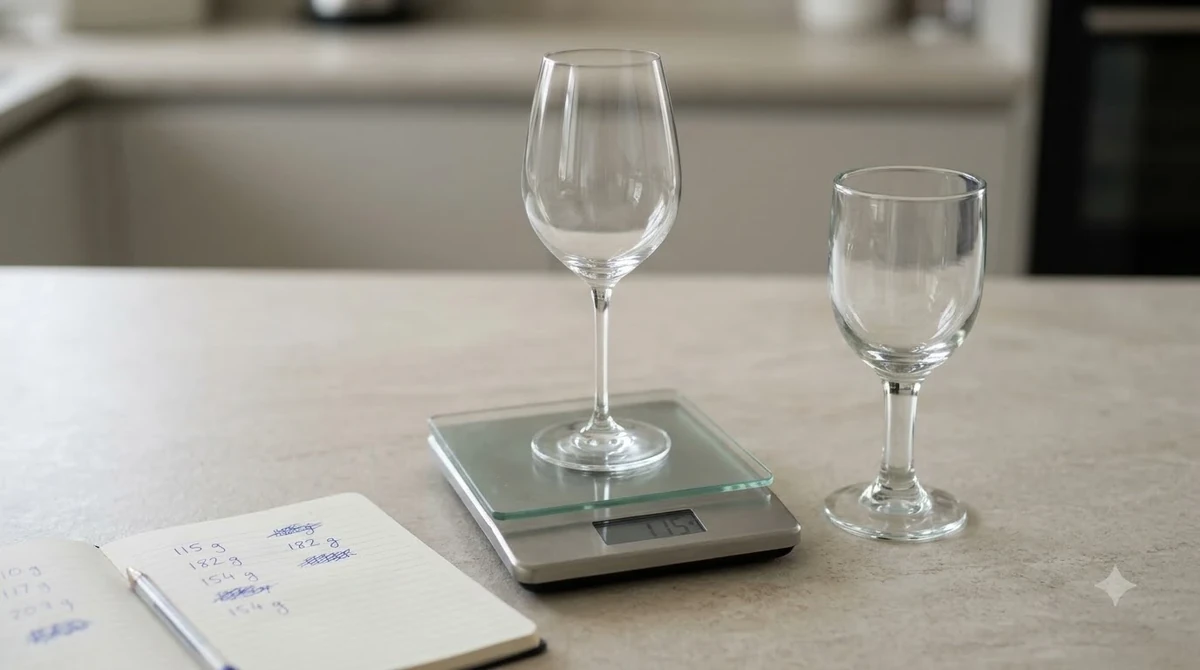
The first concern is breakage. The StandArt is designed to be more durable than many conventional multi-piece glasses, but single-piece construction does not make crystal indestructible. A glass can still break if it falls onto a hard floor, receives a sharp impact, or is squeezed or twisted during cleaning. Buyers should not confuse the manufacturer’s durability claims with a guarantee against accidental damage.
The Gold Edition requires even more attention. It is mouth-blown and handmade, with a substantially lighter construction than the StandArt. That makes it attractive to collectors and serious wine enthusiasts, but the thinner stem and lighter overall feel may be less reassuring in a busy household. The difference is especially relevant when choosing glassware for frequent entertaining.
Another possible complaint is the shape itself. The wide lower bowl and tapered upper section create a recognizable silhouette that some people appreciate and others may find unusual. Drinkers accustomed to traditional Bordeaux or Burgundy glasses may prefer the familiar proportions of their existing stemware.
The glass’s height can also create storage complications. At approximately 9.05 inches, it may not fit comfortably in every kitchen cabinet, hanging stemware rack, or dishwasher arrangement. Measuring available storage space before buying a complete collection is sensible, especially in smaller kitchens.
Its 66 mm opening is a design choice rather than an advantage for every drinking situation. The opening helps concentrate aromas, but drinkers who prefer a very wide opening for particularly aromatic or powerful reds may prefer a different bowl. There is no universal opening diameter that perfectly suits every wine and every drinker’s preferences.
Some people may also dislike the fact that a universal glass cannot provide the exact proportions of every specialized vessel. A dedicated Burgundy glass can have a much broader bowl, while a narrow sparkling wine glass emphasizes a different balance of bubbles and aroma retention. The Gabriel-Glas format is intended to be versatile, not to replace every specialist glass in a serious collector’s cabinet.
Dishwasher compatibility should not be mistaken for permission to load glasses carelessly. Two crystal bowls touching during a wash cycle can chip or break. Poorly positioned racks, aggressive detergents, and unsuitable washing conditions can also cause damage or cloudiness over time.
There are also limitations around replacement and returns. Gabriel-Glas North America states that it does not replace glasses broken after use. For products damaged during shipping, customers must document the broken glassware and packaging and contact customer service within 48 hours. Its direct-purchase return policy generally requires products to be unused and in their original condition, so buyers should understand the applicable retailer’s policy before ordering.
Finally, the StandArt may not satisfy someone whose main priority is the lightest possible handmade stemware. The Gold Edition addresses that preference, but it is a different purchasing decision. The StandArt is the more practical choice for everyday versatility, while the Gold Edition is aimed at buyers who place greater importance on handcrafting and reduced weight.
Who Should Buy and Who Should Skip
The Gabriel-Glas StandArt is best suited to wine drinkers who want one attractive, capable glass for several wine styles. Its dimensions, single-piece construction, and dishwasher compatibility make it especially relevant for people who regularly enjoy different varieties rather than specializing in one category.
Who should consider buying it
Everyday wine enthusiasts: If red and white wines appear regularly at your dinner table, a universal glass reduces the need to maintain separate collections. The StandArt works with Cabernet Sauvignon, Merlot, Pinot Noir, Chardonnay, Sauvignon Blanc, Riesling, and many other styles. Its 510 ml capacity gives wines room to release aromas, while a controlled 5-ounce serving keeps the bowl from becoming overcrowded.
People who entertain: Serving several wines during one evening is easier when guests do not need a different glass for every course. The StandArt provides a consistent presentation, and its machine-blown construction makes it a more practical choice than extremely delicate handmade alternatives. It is particularly suitable for households that want refined stemware without turning every dinner party into a glass-handling exercise.
Wine students and tasting enthusiasts: A consistent universal glass can be helpful during comparative tastings. Using the same vessel for different wines helps focus attention on differences in grape variety, origin, winemaking, and age. Wine Folly’s positive assessment of the StandArt for blind tasting supports its appeal in this setting.
Minimalist households: Anyone trying to reduce unnecessary kitchen equipment can benefit from a glass that serves several purposes. Instead of buying separate red, white, and rosé collections, a household can build its everyday stemware around one recognizable shape.
Buyers who appreciate modern design: The curved bowl, narrow opening, clear crystal, and thin rim give the glass a distinctive appearance. It works particularly well in a dining room where understated but carefully chosen tableware is preferred.
Who should consider another option
People who frequently break stemware: If glasses regularly fall from tables or are handled roughly by children and guests, conventional thicker glassware may be a more sensible choice. The StandArt is relatively durable for premium crystal, but it is still a crystal wine glass.
Specialist wine collectors: Someone who regularly serves mature Burgundy, powerful Bordeaux, and premium traditional-method sparkling wine may prefer several dedicated shapes. A universal glass provides convenience, but it cannot reproduce every specialist bowl’s proportions.
Buyers with limited storage: Its 9.05-inch height and broad bowl require sufficient cupboard and dishwasher space. Smaller kitchens may be better served by shorter, more compact glassware.
People who want exceptionally lightweight handmade glass: The Gold Edition is the more appropriate Gabriel-Glas option for that preference. The StandArt has a more substantial feel, which some buyers appreciate but others may not.
Occasional wine drinkers on a strict budget: A premium universal glass may be unnecessary if wine is served only a few times a year. A simpler, well-made set can meet basic needs without requiring an investment in specialist crystal stemware.
How It Compares to Alternatives
The Gabriel-Glas StandArt occupies an interesting position between traditional everyday stemware and exceptionally lightweight luxury glassware. Its biggest selling point is the combination of a broad universal bowl, single-piece construction, and a more substantial feel than the Gold Edition.
The most direct comparison is with its handmade sibling. The Gold Edition uses the same general design and lead-free crystal, but its production process is different. Gabriel-Glas describes the Gold Edition as completely handmade and mouth-blown, while the StandArt uses machine-blown construction with a pulled stem.
The difference is primarily about weight, craftsmanship, and tactile experience rather than a completely different wine-serving purpose. Both versions are designed for a wide range of wines. The StandArt is the more practical everyday choice, while the Gold Edition appeals to someone who appreciates handmade glass and an exceptionally light drinking vessel.
Wine Folly’s comparison also provides a useful point of reference. Its selection included the Zalto Denk’Art Universal, Zwiesel 1872 Select Riesling Grand Cru, and Jancis Robinson and Richard Brendon collaboration, alongside both Gabriel-Glas versions. The publication selected the StandArt and Zalto as its two winners, noting that the Gabriel-Glas offered particularly appealing value and fresh fruit delivery.
These alternatives demonstrate that universal glassware is not a single standardized design. Some bowls prioritize a particular expression of red wine, while others aim for broader versatility. Gabriel-Glas takes the latter approach, making it particularly useful for households that do not want to buy multiple specialist collections.
WIRED also discussed the StandArt as a useful starting point for premium stemware. Its assessment emphasized the combination of a 150-gram weight and single-piece construction, contrasting the machine-blown model with the more expensive Gold Edition. This distinction is useful because buyers sometimes assume that the lightest glass must automatically be the best-performing one. In reality, weight preference and construction quality are separate considerations.
A specialist sparkling wine glass is another reasonable comparison. A traditional flute provides a narrow shape that emphasizes visible bubbles, while a universal bowl offers more room for sparkling wine aromas to develop. The Gabriel-Glas can serve Champagne and other sparkling wines, but a dedicated sparkling glass may be preferable for someone who frequently serves premium bottles and values a particular presentation.
For households building a broader collection, the wine glass set category provides a useful comparison between universal and multi-piece approaches. People who frequently serve Champagne can also consider the best Champagne glass options for a more specialized sparkling wine experience.
There is no requirement to buy a complete specialist collection simply because a particular wine has a traditional glass shape. A universal glass is a sensible starting point, and specialist pieces can be added later if a household develops more specific serving preferences.
Care, Cleaning, and Everyday Use
Gabriel-Glas makes dishwasher compatibility one of the StandArt’s practical advantages. The manufacturer recommends machine washing rather than treating the glass as something that must always be hand-cleaned, although careful loading and appropriate detergent remain important.
For dishwasher cleaning, place the glasses securely on the upper rack, with sufficient space between each bowl. They should not touch one another or other dishes during the wash cycle. The manufacturer recommends powdered detergent rather than liquid detergent and suggests polishing the glasses while they are still slightly damp or steamy.
Gabriel-Glas states that its crystal has been tested for brilliance and clarity after 1,000 dishwasher cycles. This is a useful durability-related specification, but it should not be interpreted as a promise that every household dishwasher will produce identical results. Water hardness, detergent chemistry, rack arrangement, and washing conditions can all influence the condition of crystal over time.
For households that prefer handwashing, prompt cleaning after use is helpful. Wine residue left in a glass for an extended period can leave stains, particularly with deeply colored reds. Lukewarm water and mild detergent are appropriate general cleaning choices, followed by a thorough rinse to remove any soap residue.
Drying requires some care. Avoid applying excessive pressure to the stem or twisting the bowl and base in opposite directions. A clean, lint-free microfiber cloth is a practical choice. If the glass is still slightly damp, polishing can help prevent water spots and reduce the effort needed to achieve a clear finish.
Gabriel-Glas’s Swiss FAQ specifically warns against chlorine-containing detergents and dishwasher tabs, which can damage the glass surface. This is an important distinction because detergent formulations vary considerably between brands and markets.
Storage is another consideration. Keep glasses in a location where they are unlikely to be knocked against cookware, shelves, or other stemware. A cabinet with enough vertical clearance is preferable to forcing the bowls into a cramped space. If glasses are stored upright, make sure the shelf is clean and stable; if a dedicated stemware rack is used, verify that the bowl and stem are properly supported.
Tip: Rinse the StandArt soon after serving deeply colored red wine, then use the dishwasher’s recommended gentle arrangement with powdered detergent. Leave space between glasses on the upper rack and polish them while slightly damp to help maintain clarity.
For actual wine service, the recommended 5-ounce pour is a useful starting point. A full 510 ml bowl should not be filled to capacity. Leaving open space above the wine makes swirling easier and gives aromas room to collect before the first sip.
Temperature also affects the wine experience. Light whites and rosés generally show well around 45 to 50 degrees Fahrenheit, while fuller-bodied whites are commonly served around 50 to 55 degrees. Light reds benefit from approximately 55 to 60 degrees, and fuller reds are generally served around 60 to 65 degrees. The universal glass accommodates these styles, but serving temperature remains a separate and important part of presentation.
When pouring sparkling wine, the broad bowl offers more room for aromas than a narrow flute, although it may not preserve the visual stream of bubbles in quite the same way. For occasional sparkling wine service, the universal shape is convenient. For dedicated Champagne service, a specialist glass may still be preferable.
Overall, sensible cleaning and storage habits matter more than treating the StandArt as an untouchable display piece. Its construction is intended to make premium glassware more practical, but normal care remains necessary.
Frequently Asked Questions
Is the Gabriel-Glas universal wine glass made in Austria?
Gabriel-Glas identifies itself as an Austrian company founded by Swiss wine critic René Gabriel. Its manufacturing information identifies the Rona factory in Lednické Rovne, Slovakia, as a production location for its glasses. The brand’s Austrian identity and the physical manufacturing location are therefore two different details.
Does Gabriel-Glas offer individual replacement glasses?
Gabriel-Glas North America offers individual and multi-glass purchasing formats through its product collection. However, its customer FAQ says that glasses broken after use are not replaced. For shipping damage, customers must contact the company within 48 hours and provide photographs of both the damaged products and packaging.
Can the Gabriel-Glas StandArt be used for dessert wine?
Yes, the universal shape can accommodate dessert wines, although its 510 ml capacity is much larger than necessary for typical dessert wine servings. A smaller pour leaves room to assess the wine’s aromas and sweetness. The large bowl is not a requirement to fill the glass, and a modest serving is more practical for concentrated sweet wines.
Does the Gabriel-Glas StandArt have a separate stem and bowl?
No. The manufacturer describes the StandArt as a single-piece glass formed through a machine-blowing process. The bowl, pulled stem, and footplate are produced without the conventional joints, glue, or seams associated with many multi-piece designs.
What does the word StandArt mean?
The name is a deliberate combination of the ideas behind standard production and artful glass design. René Gabriel explains that he coined the term for the machine-produced version because he wanted to distinguish it from an ordinary standard glass. It identifies the production approach rather than a separate wine variety or serving category.
The Gabriel-Glas StandArt is a convincing choice for wine drinkers who value versatility, attractive proportions, and practical crystal construction. Its ability to accommodate several wine styles makes it particularly useful as an everyday glass, while the Gold Edition offers a more specialized option for those who prefer handmade, lightweight stemware. For most households seeking one premium glass for a broad range of wines, the StandArt is the more straightforward choice.
Choose it for its universal design and convenient maintenance, rather than expecting one glass to replace every specialist vessel. With careful cleaning, sensible storage, and appropriate wine pours, Gabriel-Glas provides a balanced approach to everyday wine presentation.
More in Wine Glasses
 Zwiesel Glas Champagne Flutes for Durable Everyday Sparkling WineUpdated Nov 20, 2026
 Vera Wang Crystal Wine Glasses: Design, Quality and Buying AdviceUpdated Nov 20, 2026
 West Elm White Wine Glasses: Compare Designs for Better Everyday Wine ServiceUpdated Nov 20, 2026
 Zalto Stemless Wine Glasses: Discover Their Distinctive DesignsUpdated Nov 20, 2026
 Viski Champagne Glasses That Match Your Style and Sparkling WineUpdated Nov 20, 2026
 Vista Alegre Decanter Review: Crystal Style and Wine ServiceUpdated Nov 20, 2026