

We may earn a commission when you buy through links on this page, at no extra cost to you. Learn more.
A frose recipe turns dry rose into a chilled, slushy drink by freezing it with fresh fruit, a spirit and citrus. The classic frose starts with a bottle of dry rose, strawberries, a splash of vodka and a squeeze of lemon, blended with ice until it reaches a thick, spoonable texture. It is best served cold right away, before the slush melts.
This guide explains what frose is, where the drink came from, and how to make a smooth, balanced version at home. It covers the ingredients, the method, and a few ways to adjust the sweetness and strength so the drink suits your taste.
What frose is and where it came from
Frose, sometimes written frosé, is a slushy variation of rose. The Wikipedia article on rose wine describes it as rose frozen to a slush and notes that the drink was developed at Bar Primi in New York in the summer of 2016. The standard version combines rose with strawberries, vodka and lemon juice. Its popularity grew quickly, and it has since become a common summer drink at bars and at home.
The drink works because rose is already light, dry and fruity. Freezing it into a slush turns that freshness into a cold, refreshing texture, and the fruit adds sweetness without making the drink heavy. Frose is closer to a frozen cocktail than to a glass of wine, but it keeps the fresh character of the rose it is built on.
Choosing the rose for frose
The wine you choose matters more than most people expect. A dry rose with bright acidity will taste clean and lively once it is blended, while a sweet or heavy rose can make the slush cloying. Look for a bottle labeled dry, and check the producer notes for words like crisp or fresh rather than rich or jammy. A Provence-style rose is a good starting point because it is usually pale, dry and herbal, which keeps the drink light.
Grape variety also plays a part. Wine Folly’s Grenache guide notes that Grenache produces a ruby-hued rose and describes the grape as fruit-forward with crisp acidity. Those qualities suit a frozen drink, because the fruit holds up against the ice and the acidity keeps the finish fresh. A Grenache-based rose is therefore a good choice for frose, though any dry rose with good acidity will work.
Ingredients and what each one does
A frose has only a few ingredients, so each one has a clear role. The rose provides the base, the strawberries add sweetness and color, the vodka keeps the drink from freezing solid, and the lemon juice brightens the whole mix. Use fresh fruit rather than syrup or juice concentrates, because fresh strawberries give a cleaner, more natural flavor.
| Ingredient | Amount | Role in the drink |
|---|---|---|
| Dry rose, chilled | One bottle, or enough to fill the blender base | The wine base and most of the flavor |
| Fresh strawberries, hulled | A generous handful, more for a fruitier drink | Sweetness, color and body |
| Vodka | A splash | Keeps the slush from freezing too hard |
| Fresh lemon juice | A squeeze | Brightens and balances the sweetness |
| Ice | Enough to thicken the blend | Gives the slush its texture |
Step-by-step method
The method is quick, but the texture depends on the order and the amount of ice. Start by freezing the rose for at least a few hours, or pouring it into a shallow tray so it forms ice crystals. If you prefer, freeze the strawberries first so the drink stays cold without thinning. Then blend the frozen rose with the fruit, vodka and lemon, adding ice gradually until you reach a thick slush.
- Pour the chilled rose into a tray and freeze it until it forms firm ice crystals.
- Hull the strawberries and freeze them as well, if you want a thicker drink.
- Add the frozen rose, strawberries, vodka and lemon juice to a blender.
- Blend in short pulses, adding ice as needed until the drink is thick and slushy.
- Taste, adjust the lemon or fruit, then serve at once in chilled glasses.

Blend in short bursts and stop to scrape down the sides. Long continuous blending warms the mixture and turns it thin and watery. A good frose should hold its shape on a spoon for a few seconds before it starts to melt. If it looks too loose, add a little more frozen rose or ice and blend briefly again.
Adjusting sweetness and strength
Frose is easy to adjust. If your strawberries are tart, add a little more fruit or a small spoonful of sugar to round out the sweetness. If the drink is too sweet, add more lemon juice to bring the acidity back. The vodka adds strength and helps the slush stay smooth, so use a little more for a stronger drink or less for a lighter one.
Keep the balance in mind as you adjust. The goal is a drink where the fruit, the acidity and the rose all come through, rather than one flavor taking over. Taste the blend at each step and change only one thing at a time, so you can see what each adjustment does.
Variations to try
Once you have the basic method, the drink adapts to many fruits and herbs. Raspberries or peaches make a softer, more floral frose, while a few mint leaves add a cool note on a hot day. For a lighter version, use less vodka and more rose, or swap the vodka for a clear spirit with a neutral flavor. Some people add a splash of sparkling wine at the end for extra lift.
Frose also works as a base for more complex drinks. Pour it over crushed ice with a sprig of herbs for a long summer glass, or serve it in a small glass with a few fresh berries on the rim. The core idea stays the same: cold, fruity rose with a little acidity and a touch of spirit.
How to serve and store frose
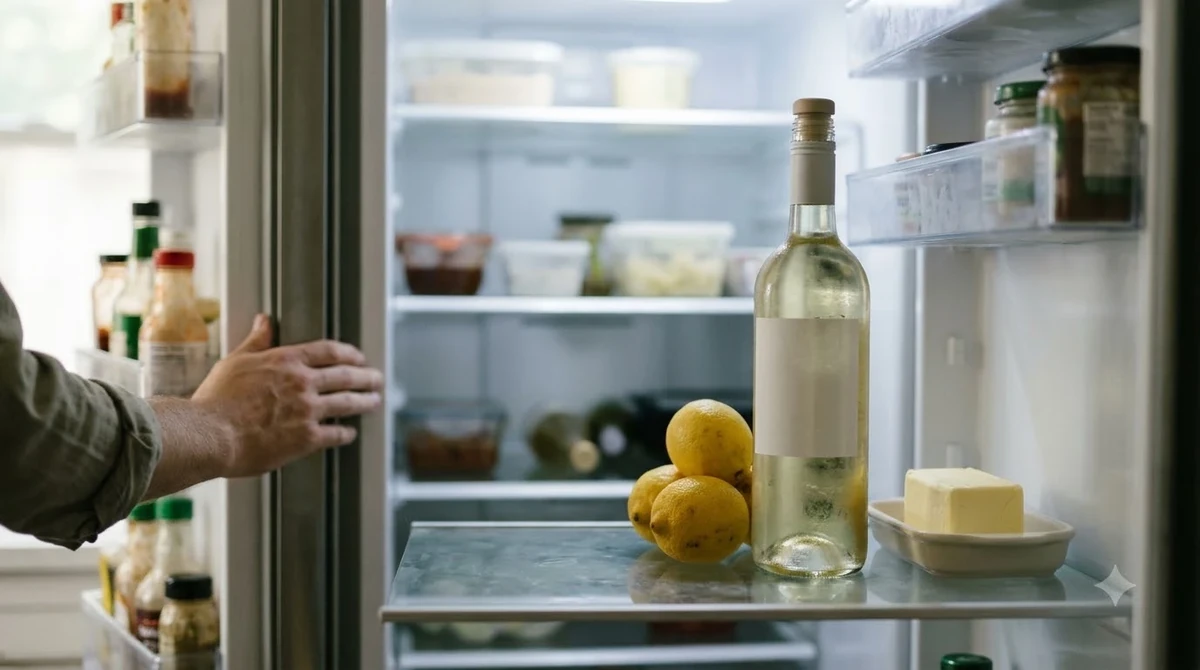
Serve frose immediately in chilled glasses, because the texture changes quickly as it warms. A wide glass or a short tumbler lets you enjoy the slush with a spoon or a straw. Garnish with a whole strawberry, a lemon wedge or a fresh herb sprig for color and aroma.
Frose does not keep well. If you have leftovers, freeze them in a sealed container, then let them soften for a few minutes and blend again before serving. The texture will be softer than a fresh batch, but the flavor should still be good. Do not leave a blended frose sitting out, because it melts into a thin, watery drink.
Tip: Make a second batch of ice-cold rose in the freezer tray while you prepare the fruit. Starting with cold wine keeps the blender working less and gives a smoother, more consistent slush.
Frequently Asked Questions
What kind of rose should I use for frose?
Choose a dry rose with bright acidity, such as a Provence-style bottle. Avoid sweet or heavy roses, because they can make the slush cloying once blended.
Does frose contain alcohol?
Yes. The rose and the vodka both contribute alcohol, so the drink is as strong as a typical wine-based cocktail. Serve it with food and drink it at a sensible pace.
Can I make frose without a blender?
You can, but the texture will be coarser. Freeze the mixture in a shallow tray, then scrape it with a fork every half hour until it forms a loose slush.
Why does my frose turn watery?
It usually means the blend has been running too long or the ice has melted. Blend in short pulses, use frozen fruit and wine, and serve it right away.
A good frose is cold, fruity and easy to make, and it starts with a rose you already enjoy drinking. Pick a dry bottle, freeze it, blend it with fresh fruit and lemon, and serve it at once. For a summer drink with a different base, try our hugo spritz recipe, or pair a glass of chilled rose with a dish from our chicken marsala recipe. For more ideas on drinks and pairings, browse the Wine Recipes & Cocktails section.
More in Food & Wine Pairing
 Risotto With White Wine Recipe: Make a Creamy Dinner at HomeUpdated Nov 20, 2026
 Wassail With Wine Recipe for a Festive Spiced Holiday DrinkUpdated Nov 20, 2026
 Spritz Veneziano Recipe: Make a Classic Venetian Aperitivo at HomeUpdated Nov 20, 2026
 Summer Wine Punch Recipe for Easy Homemade EntertainingUpdated Nov 20, 2026
 Bishop Recipe: How to Make a Bright, Citrus-Forward Red Wine CocktailUpdated Nov 20, 2026
 Wine Cupcakes Recipe: Bake Rich Chocolate Cupcakes at HomeUpdated Nov 20, 2026