

We may earn a commission when you buy through links on this page, at no extra cost to you. Learn more.
The Frigidaire beverage cooler is a practical choice for households that need dedicated, refrigerated drink storage without taking up space in a full-size refrigerator. The 4.6-cubic-foot FRYB4623AS model is designed to hold up to 138 standard 12-ounce cans and offers electronic temperature controls, a glass viewing door, and a stainless steel exterior. Its main strengths are storage capacity and convenient access, while shelf flexibility, temperature consistency, and installation requirements deserve careful consideration before buying.
A dedicated beverage refrigerator can make entertaining easier, keep everyday refreshments organized, and free up valuable kitchen refrigerator space. Frigidaire offers several beverage center designs, including compact units and larger models intended for substantial drink collections. This review examines the popular 138-can FRYB4623AS, considers feedback from retail customers, and explains what buyers should verify when comparing different Frigidaire models.
Specs and Key Features
The Frigidaire FRYB4623AS combines a relatively compact exterior with 4.6 cubic feet of interior storage. Its advertised capacity of 138 standard cans makes it suitable for a family room, home bar, entertainment area, or household that regularly keeps several types of drinks chilled.
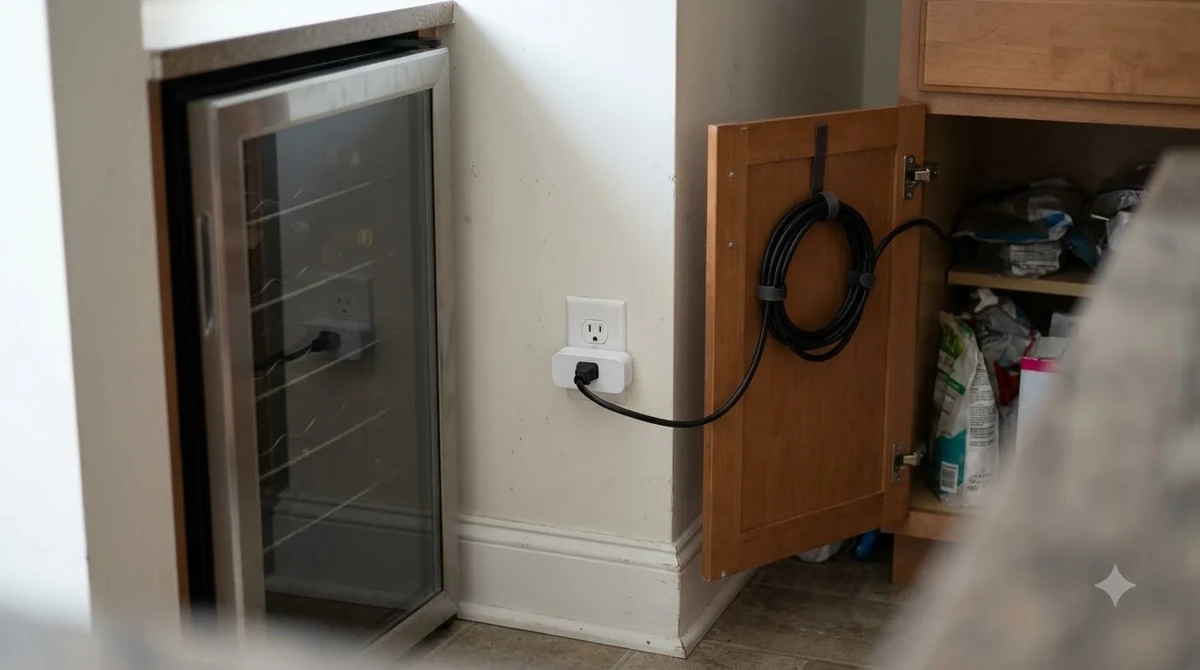
One important distinction is that Frigidaire has sold several beverage center models with similar names and capacities. The FRYB4623AS should not be confused with older models such as the FFBC46F5LS or LFBC46F5LS. Although these products share some design characteristics, their published specifications and features are not necessarily interchangeable.
The following table summarizes the core information available for the FRYB4623AS and separates verified product details from specifications that should be confirmed for the exact model.
| Specification | Details |
|---|---|
| Model reviewed | FRYB4623AS |
| Storage capacity | 4.6 cubic feet |
| Advertised can capacity | 138 standard 12-ounce cans |
| Cooling configuration | Single-zone beverage cooler |
| Temperature controls | Electronic digital controls |
| Exterior finish | Stainless steel |
| Door design | Glass viewing door |
| Installation category | Freestanding product listing |
| Primary purpose | Chilling cans and assorted beverages |
The 138-can figure is a maximum advertised capacity based on standard 12-ounce cans and an appropriate shelf arrangement. It should not be interpreted as a guaranteed capacity for every combination of cans, bottles, cartons, and larger beverage containers. Taller bottles occupy more vertical space, and wider containers can reduce the number of drinks that fit on an individual shelf.
Electronic temperature controls are another useful feature. Instead of relying on a basic mechanical dial, users can select a cooling setting through the digital control system. This makes routine adjustments more convenient, particularly when switching between everyday soft drinks and beverages that benefit from a colder serving temperature.
For additional context, Frigidaire’s older FFBC46F5LS specification document lists a 33°F to 50°F temperature range, three adjustable glass shelves, and a reversible door. Those figures belong to that specific model and should not automatically be assigned to the FRYB4623AS. The distinction matters because seemingly similar Frigidaire beverage centers can have different equipment and installation requirements.
Buyers comparing these appliances with dedicated wine storage should also understand the difference between a beverage center and a wine refrigerator. A beverage cooler prioritizes flexible drink storage, while a wine refrigerator is designed around bottle dimensions and wine storage temperatures. The best rated wine cooler options may therefore be more appropriate for someone whose primary goal is storing a wine collection rather than chilling assorted refreshments.
What Owners Like
Customer feedback highlights three recurring advantages of the Frigidaire 138-can beverage center: useful storage capacity, convenient temperature controls, and an attractive appearance. These characteristics make the appliance appealing to households that want a dedicated drink station without installing a much larger refrigerator.
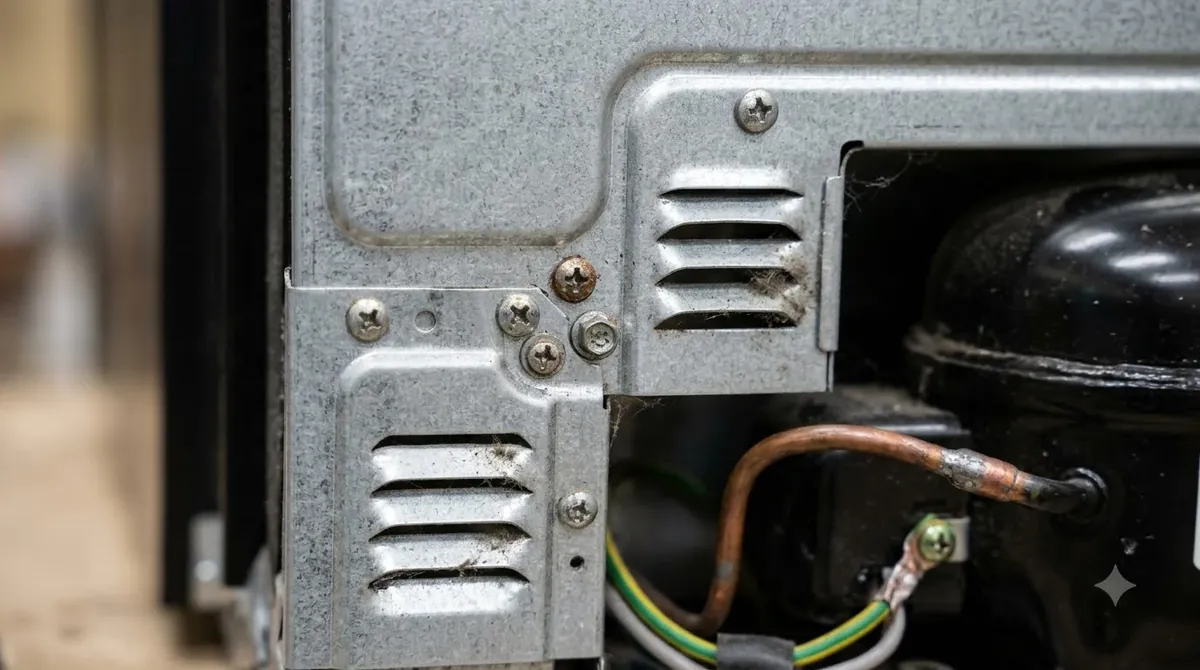
Capacity is one of the most frequently appreciated features. A 138-can advertised maximum provides substantially more room than a small countertop beverage refrigerator. Instead of filling the main refrigerator with cans, bottles, and mixers, households can organize refreshments in a separate location.
This arrangement is particularly useful for gatherings. A family room beverage center can hold soft drinks, sparkling water, canned cocktails, and other refreshments in one accessible place. Guests can serve themselves without repeatedly opening the main kitchen refrigerator.
Best Buy customer feedback on the FRYB4623AS also identifies relatively quiet operation as a positive feature. Noise is an important consideration because beverage refrigerators are often installed in spaces where people relax, watch television, or entertain. A cooler that does not produce distracting operating sounds is easier to accommodate in these environments. The Best Buy owner reviews for this Frigidaire beverage center provide examples of the different experiences customers report with its capacity, cooling, and operation.
Quiet operation is nevertheless a matter of individual experience. Refrigeration appliances naturally produce compressor and cooling-system sounds, and a particular installation can make those sounds more noticeable. A unit placed against an uneven surface or too close to surrounding furniture may also transmit more vibration than one installed with appropriate clearance.
Temperature adjustment and everyday convenience
Electronic controls make it easier to manage the interior cooling setting. This is especially useful when the beverage selection changes throughout the year. A household might keep more sparkling water and soda in summer, for example, while storing a wider variety of bottled refreshments during colder months.
Customer feedback also points to the visual appeal of the stainless steel finish and glass door. A viewing window gives the appliance a more polished appearance than an opaque utility refrigerator. It also makes it easier to see whether refreshments need replenishing before guests arrive.
The glass-door design is particularly suitable for a home bar or entertainment room where the appliance remains visible. Rather than hiding a bulky refrigerator inside a storage area, homeowners can incorporate a beverage center into the room’s overall arrangement.
Useful storage without a full-size refrigerator
Another advantage is the separation of beverages from perishable groceries. A dedicated cooler gives cans and bottles their own storage area, which can make a busy kitchen easier to organize. It also reduces the need to move drinks around whenever groceries are added or removed.
For people who regularly prepare mixed drinks, the extra storage can accommodate mixers and nonalcoholic refreshments alongside canned beverages. Someone preparing an Aperol Spritz recipe, for example, may appreciate having chilled sparkling water and other mixers readily available. The appliance can support a home entertaining setup without being limited to one category of drink.
Overall, the positive feedback suggests that the Frigidaire’s strongest selling points are practical rather than complicated. It offers a substantial advertised capacity, straightforward digital operation, and a design that can fit comfortably into many entertainment spaces.
Common Complaints
The most important concerns involve shelf flexibility, temperature consistency, and the possibility of receiving a unit with cosmetic damage. These issues do not affect every owner, but they are relevant enough to consider before committing to a purchase.
Shelf arrangement is a particularly important consideration for anyone planning to store bottles rather than exclusively standard cans. The advertised 138-can capacity depends on a specific arrangement, and taller containers can require a different configuration. A customer review on Best Buy describes having to remove or reposition a shelf to make room for taller bottles.
This limitation is not unique to Frigidaire. Beverage refrigerators have fixed interior dimensions, and adjustable shelves can only provide so much flexibility. A shelf that works well for short cans may not accommodate tall glass bottles without sacrificing space elsewhere.
Temperature variation and freezing concerns
Some customer feedback describes uneven cooling inside the refrigerator. One Best Buy reviewer reported that beverages on the bottom shelf froze despite adjustments to the selected temperature. This illustrates why the displayed setting should not always be treated as a guarantee that every shelf maintains precisely the same temperature.
Air circulation, container placement, cooling-system behavior, and the position of internal components can influence temperatures in different areas. A tightly packed shelf may also restrict the movement of cold air. Owners should avoid placing containers directly against areas that require airflow.
Temperature consistency deserves particular attention when storing drinks in glass bottles or beverages that should not freeze. A refrigerator that works well for canned soft drinks may still require some experimentation with shelf placement and temperature settings.
Noise, delivery damage, and construction concerns
Although some Best Buy customers appreciate relatively quiet operation, other Frigidaire beverage center listings contain complaints about humming, gurgling, and other operating sounds. Experiences can vary between models and individual units. A refrigerator that makes a noticeable sound in a quiet bedroom or office may be less suitable for that location than one installed in a garage or entertainment area.
Cosmetic damage is another issue mentioned in customer feedback. Some buyers report receiving units with dents or damaged exterior surfaces. This is not necessarily evidence of a recurring manufacturing defect, but it makes inspection at delivery important.
The door is another component to examine. A door that does not close correctly can interfere with cooling performance and allow warm air to enter the cabinet. A damaged seal, misaligned hinge, or obstruction around the opening may create problems even if the cooling system itself is functioning.
Some Frigidaire beverage refrigerator reviews also mention frost accumulation or condensation. These reports should be treated as model-specific owner experiences rather than proof that every unit will develop the same problem.
Tip: After delivery, inspect the door, glass, hinges, exterior panels, and interior shelves before loading the refrigerator. Once the unit has been installed and cooled, use an independent refrigerator thermometer to compare temperatures in different shelf positions. This can help identify an unusually cold area before beverages are stored there permanently.
Potential buyers should also consider the seller’s return and warranty arrangements. A refrigerator that arrives damaged or cannot maintain an appropriate temperature should be addressed promptly rather than treated as a normal characteristic of beverage cooling.
Who Should Buy and Who Should Skip
The Frigidaire beverage cooler is best suited to households that need a separate drink-storage appliance with substantial can capacity. It is especially attractive for entertainment spaces where convenient access and a glass-front appearance are more important than specialized wine-storage features.
Families that regularly purchase canned drinks can make good use of the advertised 138-can capacity. A dedicated beverage refrigerator can also be helpful in a finished basement, home bar, or recreation room where the main refrigerator is located some distance away.
The stainless steel finish and glass door make the unit a reasonable choice for people who want an appliance that looks presentable in a visible location. Its relatively narrow product category also makes it easier to compare against other beverage centers instead of shopping among full-size refrigerators.
Buyers who are likely to appreciate it
- Families with large drink collections: The 4.6-cubic-foot capacity and advertised 138-can maximum provide dedicated storage for frequently consumed beverages.
- Home entertainers: A separate drink station can keep refreshments accessible during parties and family gatherings.
- Home bar owners: The glass viewing door and stainless steel appearance suit a room where the refrigerator is part of the visible setup.
- People who prefer digital controls: Electronic temperature adjustment offers a more convenient alternative to a basic mechanical thermostat.
- Households with limited kitchen refrigerator space: Moving drinks into a separate appliance can leave more room for groceries and prepared food.
Buyers who should consider alternatives
Someone who primarily collects wine should consider a dedicated wine refrigerator instead. Beverage coolers are designed to accommodate different drink containers, but their shelves may not provide the bottle support, storage layout, or temperature configuration expected from a wine-specific appliance.
Buyers who need precise temperature separation for different beverages should also consider a dual-zone appliance. The FRYB4623AS is identified as a single-zone beverage center, meaning it is not designed to provide two independently controlled storage environments.
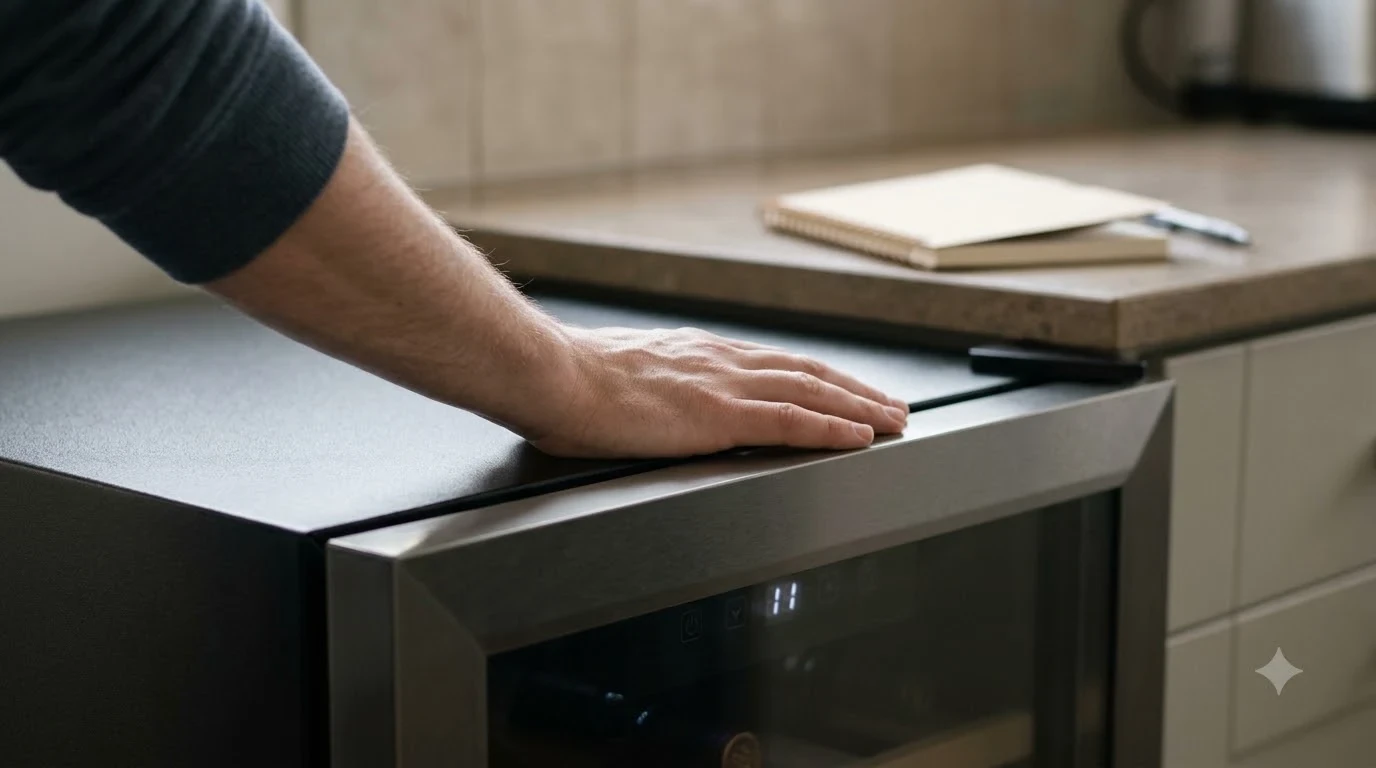
Another group that should compare alternatives carefully is homeowners planning an enclosed under-counter installation. A freestanding appliance should not be assumed to have the ventilation arrangement necessary for built-in installation. The exact installation classification and required clearances need to be verified for the model being purchased.
Finally, households that mainly store tall wine bottles, large sports-drink containers, or oversized glass bottles may find the advertised can capacity less useful than expected. A smaller capacity appliance with a more suitable shelf arrangement could provide better everyday storage.
How It Compares to Alternatives
Frigidaire offers several beverage center configurations, and the differences between them are important. The FRYB4623AS is not interchangeable with every other 4.6-cubic-foot Frigidaire appliance, even when the exterior appearance and advertised storage capacity seem similar.
One useful comparison is the older LFBC46F5LS. Lowe’s lists that model with 4.6 cubic feet of storage, electronic controls, adjustable glass shelves, a reversible door, and a stainless steel finish. It is also listed as a freestanding beverage refrigerator. However, Lowe’s identifies that particular listing as no longer sold through its website.
The older FFBC46F5LS specification document provides another useful reference point. It lists three adjustable shelves, a 33°F to 50°F temperature range, a high-temperature acoustic alarm, and a reversible door. These details illustrate the features found in some earlier Frigidaire beverage centers, but they should not be assumed to apply to the FRYB4623AS.
| Comparison point | FRYB4623AS | FFBC46F5LS | LFBC46F5LS |
|---|---|---|---|
| Capacity | 4.6 cu. ft. | 4.6 cu. ft. | 4.6 cu. ft. |
| Advertised can capacity | 138 cans | 138 cans | Not confirmed in the cited listing |
| Temperature information | Electronic controls | 33°F–50°F | Electronic temperature control |
| Adjustable shelves | Confirm exact configuration | 3 glass shelves | 3 glass shelves |
| Reversible door | Confirm exact configuration | Yes | Yes |
| Installation classification | Check model documentation | Freestanding | Freestanding |
The comparison highlights why model numbers matter. A shared capacity does not establish that two refrigerators have identical shelf arrangements, door mechanisms, temperature ranges, or installation requirements.
Choosing between a beverage center and a wine refrigerator
A beverage center is generally the more versatile choice for households that keep soda, sparkling water, beer, juice, and assorted canned refreshments. Its storage layout is intended to accommodate multiple beverage formats rather than a collection of standardized wine bottles.
A wine refrigerator is a better match for buyers who prioritize bottle storage. Wine bottles need appropriate shelf spacing and a suitable storage environment, especially if the collection includes bottles intended for longer-term storage. A beverage refrigerator may be useful for chilling wine before serving, but that does not make it a substitute for a dedicated wine-storage appliance.
The distinction also matters for people who prepare meals and host dinner parties. A beverage center can keep soft drinks and mixers organized while the kitchen refrigerator remains available for ingredients. Someone making a chicken Marsala recipe can use the additional storage for refreshments without crowding the main refrigerator with drinks.
For broader appliance comparisons, the Brand x Type review category can help readers evaluate different refrigerator designs and determine which features deserve priority.
Frequently Asked Questions
Does a Frigidaire beverage cooler need to stand upright after transportation?
Yes, keeping a compressor-based refrigerator upright during transportation is generally the preferred approach. If the appliance has been transported on its side, consult the exact model’s installation instructions before connecting it to power. The required waiting period can depend on the transportation conditions and manufacturer guidance.
Can a Frigidaire beverage cooler operate in an unheated garage?
Not every beverage refrigerator is approved for garage use. Ambient temperature limits can affect compressor operation and cooling performance, particularly in spaces exposed to extreme seasonal temperatures. Check the model’s approved operating environment before installing it in a garage or outdoor-adjacent space.
Does the glass door protect beverages from sunlight?
A tinted glass door can reduce visibility into the cabinet, but tinting alone does not establish complete ultraviolet protection. Direct sunlight can also contribute unwanted heat around the appliance. Positioning the cooler away from sunny windows is a sensible way to avoid unnecessary exposure and additional cooling demand.
How long should a newly installed beverage cooler run before it is fully stocked?
The appropriate preparation period depends on the specific model and its installation instructions. For comparison, a Frigidaire EFMIS9000 beverage center manual recommends allowing at least two hours of cooling before loading beverages and several additional hours after a full load is added. That instruction applies to the EFMIS9000 and should not be treated as a universal requirement for every Frigidaire model.
Can a Frigidaire beverage refrigerator be transported while full?
Transporting a loaded beverage refrigerator is not recommended because unsecured cans and bottles can shift, damage shelves, or place unnecessary stress on the door and internal components. Empty the cabinet and secure removable shelves before moving the appliance. Use the handling instructions supplied for the exact model to protect its compressor and exterior.
The Frigidaire beverage cooler is a sensible option for households that want dedicated drink storage, convenient electronic controls, and a presentable stainless steel design. The 138-can FRYB4623AS is particularly appealing for people who primarily store standard cans, although shelf flexibility and temperature consistency deserve attention. Before purchasing, verify the exact model number, installation classification, dimensions, ventilation requirements, and return policy to ensure the refrigerator suits the intended space and beverage collection.
More in Model Reviews
 Magic Chef 44 Bottle Wine Cooler Review for Flexible StorageUpdated Nov 21, 2026
 Whynter 164 Bottle Wine Cooler Review: Capacity, Features, and FitUpdated Nov 21, 2026
 Insignia NS WC16BK6 Review: Compact 16-Bottle Wine StorageUpdated Nov 21, 2026
 Wine Enthusiast Electric Blue Omega Review: Opening, Pouring, and Preserving Made EasierUpdated Nov 21, 2026
 Koolatron 20 Bottle Wine Cooler Review: Features, Fit, and PerformanceUpdated Nov 21, 2026
 NewAir AWC 330E Review for Home Wine StorageUpdated Nov 21, 2026