

We may earn a commission when you buy through links on this page, at no extra cost to you. Learn more.
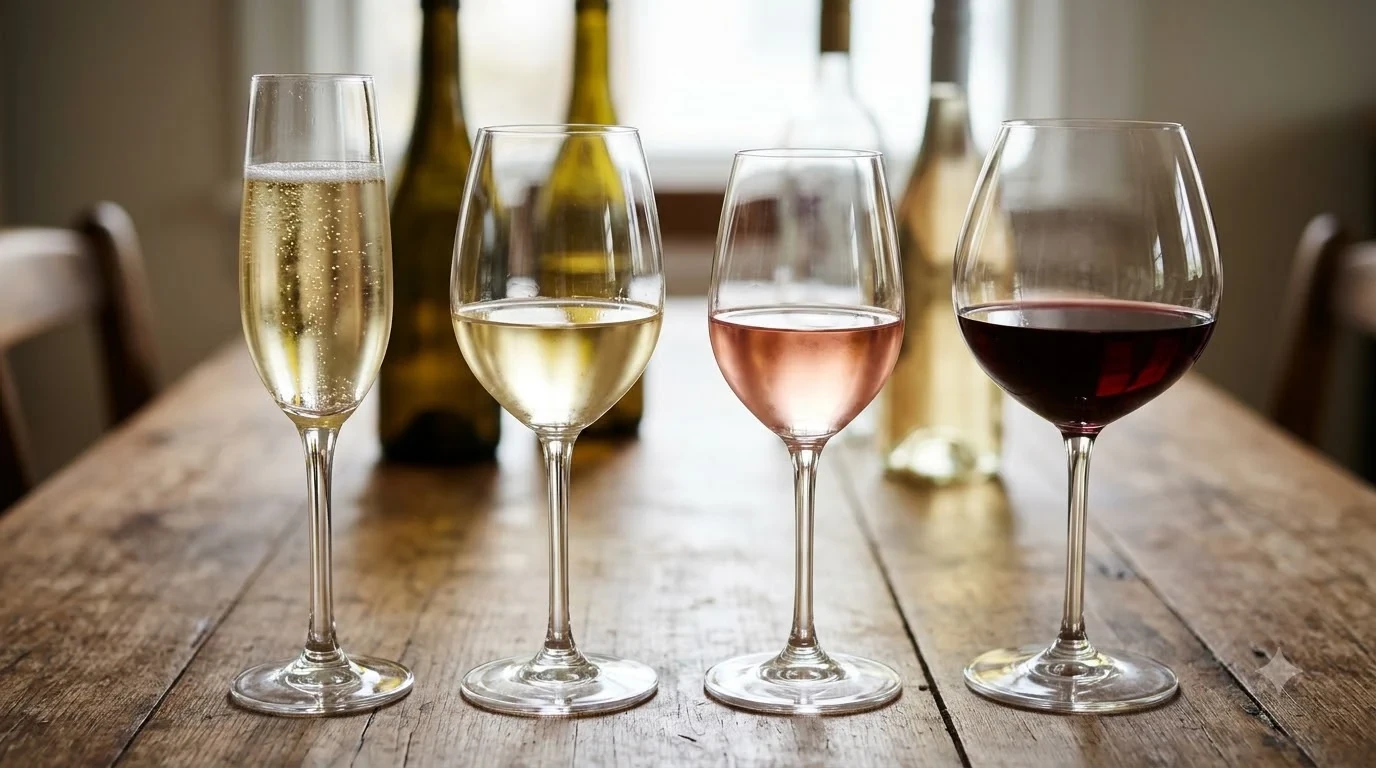
This fresh vine wine review finds that Fresh Vine is an interesting choice for wine drinkers seeking California varietals with relatively low reported sugar and carbohydrate amounts, without giving up familiar grape varieties and traditional wine styles. Its original lineup included Cabernet Sauvignon, Pinot Noir, Chardonnay, Sauvignon Blanc, Rosé, and sparkling Rosé. The strongest buying reasons are its clearly presented nutritional information, recognizable flavor profiles, and range of styles, although shoppers should verify current availability and product information before purchasing.
Fresh Vine attracted attention by combining recognizable wine grapes with a lower-sugar, lower-carbohydrate positioning. Its association with Nina Dobrev and Julianne Hough also helped introduce the brand to consumers who might not normally follow California wine producers. However, celebrity recognition and nutritional numbers are only part of the buying decision. The grape variety, acidity, tannin, oak treatment, alcohol percentage, and intended food pairing still determine whether a bottle suits your preferences. This guide examines the original lineup, published product specifications, independent tasting commentary, and practical considerations for choosing a bottle.
Who Fresh Vine Wine Is For
Fresh Vine is particularly relevant to shoppers who want familiar California wine styles and more transparent nutritional information. Its original portfolio covered seven wine expressions, giving buyers options ranging from crisp whites to structured reds and sparkling Rosé.
The brand was developed around the idea that consumers could enjoy recognizable wine varieties while paying closer attention to sugar, carbohydrates, and calories. Product information published by H-E-B illustrates that positioning with specific serving measurements. For example, its Fresh Vine Chardonnay product listing reports 98 calories, 2.8 grams of carbohydrates, and 0.1 gram of sugar per 5-ounce serving. Its Cabernet Sauvignon listing reports 103 calories, 3.9 grams of carbohydrates, and 0.4 gram of sugar for the same serving size.
Those figures make the wines interesting for shoppers comparing nutritional information across bottles. They are also more useful than vague front-label descriptions because they provide measurable quantities. Nevertheless, lower sugar does not automatically mean lower alcohol. The Chardonnay and Cabernet Sauvignon listings both report 13.5% ABV, a fairly substantial alcohol concentration for wines marketed around their nutritional profile.
Fresh Vine may appeal to several different kinds of buyers:
- Nutrition-conscious shoppers: People who want published sugar, carbohydrate, and calorie figures for a standard wine serving.
- California wine drinkers: Consumers who enjoy familiar grapes such as Cabernet Sauvignon, Pinot Noir, Chardonnay, and Sauvignon Blanc.
- Casual dinner hosts: Buyers who want both red and white styles for different dishes rather than relying on one versatile bottle.
- Celebrity-brand shoppers: People curious about the wine project associated with Nina Dobrev and Julianne Hough.
- Newer wine drinkers: Consumers who prefer straightforward grape varieties and recognizable fruit descriptions over unfamiliar regional terminology.
There are also reasons to look elsewhere. Someone who prioritizes very low alcohol, traditional European appellations, unusual grape varieties, or highly distinctive terroir-driven wines may find that the Fresh Vine concept is not the main priority for their shopping needs. Likewise, someone who assumes every product labeled low sugar is automatically a better match for their personal preferences should compare the complete specifications rather than relying on the marketing description.
Another consideration is availability. Fresh Vine’s corporate filings describe a proposed business transaction involving the legacy wine production operation. That makes it sensible to verify whether a particular wine is currently being produced, distributed, or sold before planning a purchase around an older product description.
Key Factors to Compare Before Buying
The most useful comparisons are grape variety, alcohol percentage, nutritional figures, flavor profile, and production details. Looking at these five factors makes it easier to identify which original Fresh Vine expression best matches your usual drinking preferences.
| Wine | Calories per 5 oz | Carbohydrates | Sugar | ABV |
|---|---|---|---|---|
| Chardonnay | 98 | 2.8 g | 0.1 g | 13.5% |
| Cabernet Sauvignon | 103 | 3.9 g | 0.4 g | 13.5% |
| Pinot Noir | 101 | 3.7 g | 0.3 g | 13.5% |
| Sauvignon Blanc | Not established here | Not established here | Not established here | 12.5% for the reviewed 2021 vintage |
| Rosé | 98 | 2.8 g | 0.1 g | 13.1% |
The Chardonnay and Cabernet Sauvignon figures come from H-E-B product listings. Pinot Noir figures are reported by Wine With Paige, while the Sauvignon Blanc alcohol percentage comes from Wine Enthusiast’s review of the 2021 Solano County bottling. The Rosé figures come from Fresh Vine’s original product promotional information. These figures should not be treated as interchangeable laboratory measurements from one source or one production batch.
The comparison also highlights an important point: alcohol content can account for a meaningful portion of a wine’s calories. A bottle with very little residual sugar can still contain substantial alcohol. Fresh Vine Chardonnay and Cabernet Sauvignon, for example, both list 13.5% ABV despite their relatively small reported sugar quantities.
Flavor matters as much as the numbers
Chardonnay is the natural starting point for someone who enjoys fuller white wines with pear, green apple, citrus, and oak characteristics. Cabernet Sauvignon makes more sense for drinkers who prefer dark fruit, noticeable structure, and a firmer finish. Pinot Noir provides a different red-wine experience, typically with softer tannins and more emphasis on cherry and floral notes.
Independent commentary provides another useful perspective. Wine Enthusiast reviewed the 2021 Fresh Vine Sauvignon Blanc from Solano County and awarded it 88 points. Its Fresh Vine Sauvignon Blanc review highlighted lemon, lime, floral characteristics, lanolin, beeswax, and cut grass. The publication also described its acidity as moderate rather than especially vigorous.
That review is useful because it shows that the brand’s wines should not all be approached as interchangeable low-sugar products. The Sauvignon Blanc has a different flavor profile from the Chardonnay, and the two wines will appeal to different palates.
For more background on the brand’s product categories, see our Fresh Vine Wine overview, which provides another starting point for understanding the original range.
Step-by-Step: How to Choose a Fresh Vine Bottle
Choosing a bottle becomes easier when you start with the occasion and preferred grape rather than the brand’s nutritional positioning. Use these steps to narrow the original lineup to a style that fits your meal and taste preferences.
-
Decide between red, white, Rosé, and sparkling wine.
Begin with the basic style. Choose Chardonnay or Sauvignon Blanc for a white wine, Cabernet Sauvignon or Pinot Noir for a red, and Rosé for a pink wine with a different balance of fruit and structure. Sparkling Rosé is the option to consider when bubbles are part of the occasion.
-
Choose the flavor intensity you prefer.
If you enjoy fuller textures and oak-related flavors, Chardonnay is a logical candidate. The published product description includes pear, green apple, lychee, hazelnut, and toasted oak. For a lighter-bodied white with citrus and herbal characteristics, consider the Sauvignon Blanc style instead.
-
Compare red-wine structure.
Cabernet Sauvignon generally has higher tannin and a firmer structure, while Pinot Noir usually has lower to medium tannin and higher acidity. Fresh Vine’s Cabernet description emphasizes blackberry, dark cherry, plum, and supple tannins. Independent commentary on its Pinot Noir highlights rose petals, cherry, baking spices, and mint tea.
-
Check the alcohol percentage.
Look beyond the sugar figures. The listed Chardonnay and Cabernet Sauvignon each contain 13.5% ABV, while Wine Enthusiast’s reviewed 2021 Sauvignon Blanc contains 12.5% ABV. This difference may matter to shoppers who are comparing wines with different alcohol concentrations.
-
Compare serving information.
Use the same serving size when comparing nutritional figures. The Chardonnay, Cabernet Sauvignon, and Pinot Noir information discussed here uses a 5-ounce serving. A larger pour changes the amount of alcohol, calories, sugar, and carbohydrates consumed.
-
Match the wine to your meal.
Choose Chardonnay for roast chicken or creamy pasta, Sauvignon Blanc for herb-forward seafood, Pinot Noir for mushroom dishes, and Cabernet Sauvignon for grilled beef. Rosé can work with salads, grilled vegetables, and lighter summer dishes.
-
Verify the current bottle and seller.
Check the vintage, bottle size, ABV, product description, and availability before buying. Fresh Vine’s historical product lineup and current retail listings may not always reflect the same production or distribution status.
Tip: Compare nutritional figures using the same 5-ounce serving size. A wine with 0.1 gram of sugar per serving is not necessarily lower in alcohol than another wine with a higher sugar figure. Look at ABV separately, particularly when comparing the original Fresh Vine Chardonnay and Cabernet Sauvignon.
These steps also help avoid a common purchasing mistake: choosing a wine exclusively because its label highlights a particular nutritional feature. A wine still needs to taste good to the person drinking it. Someone who dislikes oak, for instance, may not enjoy the Chardonnay simply because its reported sugar quantity is low.
Fresh Vine Wine Types and Styles Explained
The original seven-wine portfolio covered several important categories, including four familiar still-wine grapes or styles, a sparkling option, and a limited Reserve Cabernet Sauvignon. Understanding the differences between those categories is more useful than assuming that every bottle has the same taste or food-pairing potential.
Chardonnay: Fuller white wine with oak influence
Fresh Vine Chardonnay is a sensible starting point for shoppers who enjoy richer white wines. H-E-B describes a golden-straw appearance with ripe pear, green apple, lychee, hazelnut, tropical fruit, and citrus. The listing also identifies stainless-steel fermentation and one year of aging with 15% new French oak.
That combination suggests a wine designed to retain fruit character while incorporating some oak-derived complexity. Stainless-steel fermentation does not mean that the finished wine is entirely unoaked. The aging process described by H-E-B includes French oak, which helps explain the toasted-oak and hazelnut references in its product description.
Chardonnay is best served around 50 to 55 degrees Fahrenheit when it has a fuller body. This temperature preserves freshness without making the wine feel excessively cold. Consider roast chicken, grilled salmon, creamy pasta, or roasted vegetables as possible pairings.
Cabernet Sauvignon: Dark fruit and firmer structure
Fresh Vine Cabernet Sauvignon is the original range’s more structured red-wine option. H-E-B describes blackberry pie, dark cherry, spice box, mint, ripe plum, vanilla, boysenberry, and baker’s chocolate. Its product listing also specifies one year of aging with 25% new French oak.
Cabernet Sauvignon generally has higher tannin than Pinot Noir or Merlot. That structure makes it particularly suitable for grilled beef, lamb, and other dishes with enough protein and fat to soften the sensation of tannin. It can also accompany hard cheeses and rich meat dishes.
Serve a full-bodied red around 60 to 65 degrees Fahrenheit rather than at an overly warm room temperature. If the wine seems closed when first poured, allow approximately 30 minutes of air exposure and reassess its aroma and texture.
Pinot Noir: A softer red-wine direction
Pinot Noir offers a useful alternative for someone who wants red wine without the more pronounced tannin associated with Cabernet Sauvignon. Wine With Paige describes Fresh Vine Pinot Noir with rose petals, dark cherry, baking spices, and mint tea. Its published nutritional figures are 101 calories, 3.7 grams of carbohydrates, and 0.3 gram of sugar per 5-ounce serving, with 13.5% ABV.
The variety’s generally lighter structure makes Pinot Noir suitable for mushroom risotto, roast chicken, pork, and salmon. It is also a good option for someone who wants a red wine that can accompany a wider range of foods without dominating the plate.
Serve light reds at approximately 55 to 60 degrees Fahrenheit. A slight chill can help preserve freshness and keep the fruit character lively.
Sauvignon Blanc: Citrus and herbal characteristics
Sauvignon Blanc is typically recognized for high acidity and flavors that can include citrus, green herbs, gooseberry, and fresh grass. The reviewed Fresh Vine 2021 Solano County bottling was described by Wine Enthusiast as light-bodied, with lemon, lime, floral, lanolin, beeswax, and cut-grass characteristics.
Its 88-point Wine Enthusiast rating placed it in the publication’s Very Good category. However, the review also specifically mentioned moderate acidity, so buyers should not assume that this particular bottling has the intensely sharp acidity found in every Sauvignon Blanc.
Serve a light white wine at approximately 45 to 50 degrees Fahrenheit. Pair it with oysters, grilled shrimp, goat cheese, fresh salads, or herb-seasoned chicken. For additional information about the brand’s alcohol figures, see our Fresh Vine Wine alcohol content guide.
Rosé and Sparkling Rosé
Rosé provides a middle ground for people who enjoy fresh fruit flavors but do not necessarily want a full-bodied red. Its pairing flexibility makes it suitable for grilled vegetables, light appetizers, seafood, and outdoor meals.
Sparkling Rosé serves a different purpose because the bubbles change both the drinking experience and the kinds of occasions where the wine fits. It can accompany salty snacks, seafood appetizers, and celebratory meals. Sparkling wine should generally be served colder than still white wine, around 40 to 50 degrees Fahrenheit.
The limited Reserve Napa Cabernet Sauvignon was another original portfolio offering. It was positioned as a more specialized expression within the range. Buyers interested in that bottle should pay particular attention to the vintage and product provenance rather than assuming that historical descriptions establish current availability.
Common Mistakes When Evaluating Fresh Vine
The biggest mistakes involve confusing low sugar with low alcohol, assuming that every variety tastes similar, and treating promotional descriptions as proof that a wine will suit every preference. A little attention to the grape and serving details can prevent these problems.
Assuming low sugar means low alcohol
Fresh Vine’s nutritional positioning is one of its defining characteristics, but sugar and alcohol are separate measurements. Its Chardonnay and Cabernet Sauvignon both list 13.5% ABV. That figure is important because shoppers may focus on the small carbohydrate and sugar quantities while overlooking the alcohol concentration.
When comparing bottles, use the complete nutritional and alcohol information. A lower-sugar wine can still have a relatively full alcohol presence, and two wines with similar ABV can have quite different textures and flavors.
Expecting every white wine to taste crisp
Chardonnay and Sauvignon Blanc are both white wines, but their typical profiles differ. Chardonnay can be fuller and more rounded, especially when oak aging contributes texture and flavor. Sauvignon Blanc is commonly associated with citrus, herbs, and higher acidity.
Fresh Vine’s Chardonnay description includes toasted oak and hazelnut, while Wine Enthusiast’s Sauvignon Blanc review highlights citrus and herbal characteristics. Choosing between them should therefore involve taste preferences, not simply the fact that both are white wines.
Expecting Cabernet Sauvignon to have Pinot Noir’s softness
Cabernet Sauvignon generally has more tannin than Pinot Noir. This difference affects the wine’s mouthfeel, finish, and food-pairing options. Someone who enjoys delicate reds may find Cabernet too structured, even if the fruit flavors sound appealing.
Pinot Noir is usually a better starting point for people who prefer lower-tannin reds. Cabernet makes more sense with grilled beef, lamb, and richer dishes that can balance its stronger structure.
Ignoring serving temperature
Temperature changes how wine smells and feels. Serving Chardonnay too cold can suppress its fruit and oak aromas, while serving Cabernet too warm can make its alcohol feel more prominent. A practical starting point is 50 to 55 degrees Fahrenheit for fuller white wines and 60 to 65 degrees for fuller reds.
For a casual dinner, chilling the Chardonnay before guests arrive and slightly cooling the Cabernet before opening can make a noticeable difference in the overall experience.
Treating celebrity involvement as a quality guarantee
Nina Dobrev and Julianne Hough helped establish the brand’s public identity, but the founders’ recognition should not replace an assessment of the wine itself. The grape, winemaking decisions, vintage, and storage conditions are more relevant to the contents of a particular bottle.
Independent professional reviews can help provide additional context. Wine Enthusiast’s Sauvignon Blanc assessment and the published Fresh Vine tasting commentary from Wine With Paige are useful examples of information that goes beyond the celebrity association.
Serving, Care, and Storage Tips
Proper serving and storage can improve the experience of almost any wine, including Fresh Vine’s original California varieties. Pay particular attention to temperature, bottle position, exposure to light, and how quickly an opened bottle is consumed.
Use appropriate serving temperatures
Different wine styles benefit from different temperatures. A practical serving reference is:
- Chardonnay: 50 to 55 degrees Fahrenheit.
- Sauvignon Blanc: 45 to 50 degrees Fahrenheit.
- Rosé: 45 to 50 degrees Fahrenheit.
- Cabernet Sauvignon: 60 to 65 degrees Fahrenheit.
- Pinot Noir: 55 to 60 degrees Fahrenheit.
- Sparkling Rosé: 40 to 50 degrees Fahrenheit.
A refrigerator can be used to bring wine down to serving temperature, but avoid leaving a bottle in an extremely cold environment for an extended period. If a wine becomes too cold, allow it to warm slightly in the glass before evaluating its aroma.
Store unopened bottles correctly
Keep unopened wine away from direct sunlight, strong temperature fluctuations, and excessive heat. A storage environment near 55 degrees Fahrenheit is a useful target for longer-term storage. Bottles with traditional cork closures should generally be stored horizontally to help keep the cork from drying out.
Do not place wine near an oven, radiator, or sunny window. Consistent storage conditions are more useful than repeatedly moving bottles between different temperature environments.
Preserve opened bottles
Once a bottle has been opened, oxygen begins changing its aromas and flavors. Replacing the cork or using an appropriate wine stopper can help slow this process. Refrigeration is useful for opened white and red wines alike.
As a general guideline, opened still wines are usually best consumed within 3 to 5 days when refrigerated and properly sealed. Sparkling wines generally retain their best character for approximately 1 to 3 days with a suitable sparkling-wine stopper. These are practical estimates rather than guarantees, since the condition of the wine and storage method affect how long it remains enjoyable.
Measure pours consistently
A standard wine serving is approximately 5 ounces. A 750 ml bottle contains about five such servings, making it easier to compare published nutritional information with the amount poured into a glass.
For example, someone using the published Fresh Vine Chardonnay figures can compare the reported 98 calories and 2.8 grams of carbohydrates per 5-ounce serving with other wines using the same serving size. Pouring a substantially larger glass changes those totals proportionally.
Frequently Asked Questions
Who actually created Fresh Vine Wine?
Fresh Vine Wine was associated with Nina Dobrev and Julianne Hough, who helped establish its brand identity. The project also identified Napa winemaker Jamey Whetstone as an important part of its winemaking team. The founders’ public profiles and the winemaker’s involvement served different roles in the original brand presentation.
Does Fresh Vine Wine use organic grapes?
The product information reviewed here does not establish that the entire Fresh Vine portfolio is certified organic. Sustainable or traditional winemaking descriptions are not equivalent to organic certification. Shoppers specifically seeking certified-organic wine should look for an applicable certification on the individual bottle or obtain confirmation from the producer.
Is Fresh Vine Wine suitable for people avoiding gluten?
H-E-B identifies its Fresh Vine Chardonnay and Cabernet Sauvignon as gluten-free. That information is specific to the listed products and should not automatically be extended to every historical or future wine in the range. Anyone with a strict ingredient or allergen requirement should verify the specific product information before purchasing.
Does Fresh Vine Wine contain sulfites?
The product pages reviewed for this guide do not provide a complete sulfite analysis for every Fresh Vine variety. Sulfites can occur naturally during fermentation and are also used in many commercial wines to help preserve quality. A consumer seeking exact sulfite information should contact the relevant producer or consult the specific product documentation.
Why should shoppers verify Fresh Vine’s current availability?
Fresh Vine’s March 2024 SEC filing described a proposed merger that included a condition involving the sale, transfer, or winding down of the company’s legacy wine production business. Historical product descriptions therefore should not be treated as confirmation that every original wine remains in production or distribution. Confirm the seller, vintage, and current product status before making a purchase.
Fresh Vine’s original range is notable for combining familiar California wine styles with clearly reported nutritional figures, particularly for its Chardonnay, Cabernet Sauvignon, and Pinot Noir. Its strongest appeal is to shoppers who want recognizable varietals and more detailed product information, rather than a wine selected solely for prestige or regional tradition. Compare the grape, ABV, flavor profile, and current availability before choosing a bottle, and serve it at the appropriate temperature to get the most from its style.
More in Wine Brands
 Underwood Wine Price: Compare Bottles, Cans, and Pack SizesUpdated Nov 21, 2026
 Zenato Wine Price: Compare Styles and Choose the Right BottleUpdated Nov 21, 2026
 Zuccardi Wine Price: Compare Bottles and Find the Right RangeUpdated Nov 21, 2026
 Yellow Tail Moscato Review: Taste, Sweetness and Serving TipsUpdated Nov 21, 2026
 Wolf Blass Yellow Label Review: Choose Your Best StyleUpdated Nov 21, 2026
 Wolffer Estate Rose Review: Choose the Right Bottle for Your TableUpdated Nov 21, 2026