

We may earn a commission when you buy through links on this page, at no extra cost to you. Learn more.
This freakshow cabernet review finds that Michael David Winery’s Freakshow Cabernet Sauvignon is a fruit-forward Lodi red for drinkers who enjoy generous dark-fruit flavors, noticeable oak, and a substantial Cabernet style. Its character includes blackberry, blueberry, vanilla, cocoa, and baking spices, with individual vintages showing differences in body, alcohol, and aromatic detail. It is particularly appealing alongside grilled beef, burgers, and other richly flavored meals, although its relatively elevated alcohol level and assertive fruit profile will not suit every Cabernet drinker.
Freakshow Cabernet Sauvignon comes from Michael David Winery in Lodi, California. Its distinctive circus-inspired presentation attracts attention, but the more important buying considerations are what is inside the bottle: concentrated fruit, oak influence, a substantial Cabernet character, and enough flexibility for casual dinners and weekend gatherings. Understanding its vintage variations, serving requirements, and food compatibility makes it easier to decide whether this wine belongs in your next purchase.
Who Should Choose Freakshow Cabernet Sauvignon?
Freakshow Cabernet Sauvignon is a strong candidate for people who enjoy approachable California Cabernet with ripe fruit, noticeable seasoning, and a rounded impression. Its Lodi origin and recurring dark-fruit characteristics make it particularly relevant to drinkers who prefer expressive reds rather than restrained, highly mineral wines.
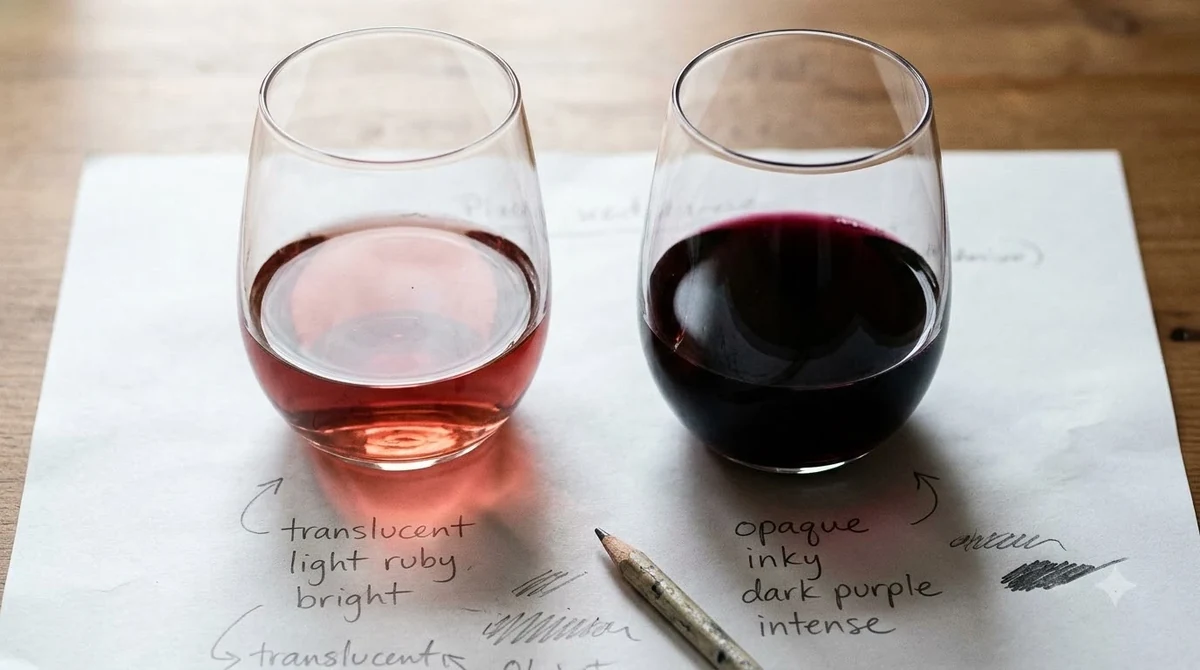
The wine is worth considering if your preferred flavors include blackberry, black cherry, plum, vanilla, and cocoa. These characteristics appear across multiple descriptions of the wine, although their prominence changes with the vintage. The 2023 review from Wine Enthusiast identifies red fruit, dried rosemary, toasted vanilla, and dried potpourri on the nose, followed by dark plum, boysenberry, coriander, and clove on the palate. The 2022 review instead emphasizes concentrated blackberry, boysenberry, coffee, and cardamom.
This distinction matters because a bottle of Cabernet does not taste exactly the same every year. Growing conditions, blending decisions, grape composition, and oak treatment can change the balance between fruit, spice, tannin, and alcohol. Someone purchasing a newer vintage should therefore avoid assuming that every tasting description from an older bottle will apply precisely.
The wine is also a sensible consideration for people who want a recognizable Cabernet Sauvignon experience without necessarily seeking the structure and restrained fruit profile associated with some more traditional Cabernet styles. Its fruit-led character can work particularly well for casual dinners, backyard cookouts, and informal entertaining.
However, it is not automatically the right selection for every red-wine drinker. People who prefer lighter-bodied reds, subtle oak, lower alcohol, or delicate red-fruit flavors may find its style more substantial than they want. Drinkers who particularly enjoy Pinot Noir, for example, may prefer that grape’s generally lighter tannin structure and more delicate presentation.
Cabernet Sauvignon also naturally brings more tannin than many lighter red varieties. That characteristic is useful with fatty and protein-rich foods, but it can become less comfortable alongside delicate seafood or dishes dominated by hot chili peppers.
For a broader look at the producer’s Cabernet offering, the Freakshow Cabernet overview provides a useful starting point. Readers comparing different producers can also explore our wider Wine Brands coverage.
Key Factors to Compare Before Buying
The most useful buying considerations are vintage, flavor balance, alcohol level, oak influence, and intended food pairing. Looking at these five factors helps distinguish a bottle that matches your preferences from one that simply has attractive packaging.
| Buying factor | What to look for | Why it matters |
|---|---|---|
| Origin | Lodi, California | Identifies the wine’s regional origin. |
| Bottle size | 750 ml | Provides approximately five standard 5 oz pours. |
| Alcohol | 14.5% to 15% in the cited vintages | Indicates a relatively substantial alcohol level. |
| Fruit profile | Blackberry, blueberry, plum, and cherry | Helps identify the wine’s fruit-forward character. |
| Oak characteristics | Vanilla, toast, cocoa, and spice | Contributes additional flavor and perceived richness. |
| Serving temperature | 60–65°F | Helps full-bodied reds show their aromas without excessive warmth. |
| Serving quantity | 5 oz per glass | Provides approximately five servings per bottle. |
Vintage and alcohol level
Vintage is one of the first things to compare. Wine Enthusiast lists the 2023 Freakshow Cabernet at 14.5% ABV, while its 2022 review lists 15% ABV. The winery’s 2024 product information also lists 15% ABV. These figures show why it is important to distinguish between individual bottlings rather than treating the brand as a single unchanging wine.
Alcohol influences the overall impression of a red wine. A wine with 14.5% to 15% ABV can feel relatively warming, particularly when served too close to room temperature. This does not mean that the wine must taste hot or harsh, but it does make serving conditions important.
Fruit concentration and oak
Look for a balance between ripe fruit and secondary flavors. Blackberry, blueberry, dark plum, and black cherry create the recognizable fruit foundation. Vanilla, cocoa, toast, pepper, and baking spices provide additional complexity.
Oak is another important consideration. Michael David Winery lists French, neutral, and American oak components for its 2024 bottling. This information helps explain why vanilla and cocoa appear in the producer’s tasting description. However, the oak proportions should not be assumed to remain identical across different vintages.
For the precise producer description and technical information, consult Michael David Winery’s 2024 Freakshow Cabernet product page.
Body and tannin
Cabernet Sauvignon generally has high tannin, and Freakshow is best approached as a substantial red rather than a delicate dinner wine. Wine Enthusiast described the 2023 vintage’s tannins as silky, suggesting a smoother impression than the firm, drying sensation some Cabernet drinkers associate with more structured examples.
That distinction is useful when shopping. A wine can have concentrated fruit and meaningful tannin without feeling excessively aggressive. The ideal choice depends on whether you prefer a softer, fruit-forward style or a firmer wine with more pronounced structure.
Step-by-Step: How to Buy and Serve Freakshow Cabernet
A few straightforward steps can help you select the right bottle, serve it at a suitable temperature, and get more from its fruit and oak characteristics. The following process works for a dinner party, a casual meal, or an evening glass.
-
Identify the vintage.
Start by checking whether the bottle is from 2022, 2023, 2024, or another vintage. Published descriptions show meaningful differences in the wine’s fruit profile and alcohol level. A 2022 bottle, for example, was reviewed at 15% ABV, while the 2023 review lists 14.5% ABV.
-
Consider your preferred Cabernet style.
Think about whether you enjoy dark fruit, vanilla, cocoa, and spice. If these are characteristics you regularly seek in California reds, Freakshow is worth considering. If you prefer restrained fruit, low oak influence, and lighter tannins, another style may suit you better.
-
Choose food before opening the bottle.
Plan a meal with enough richness to complement the wine. Grilled steak, beef burgers, roasted lamb, and mushroom dishes are practical options. The combination of food texture, fat, and protein can make Cabernet’s tannins feel less pronounced.
-
Bring the wine to the correct temperature.
Serve full-bodied red wine at approximately 60–65°F. If the bottle has been stored in a warm room, a short period in the refrigerator can bring its temperature down. Avoid serving it excessively warm, because alcohol can become more noticeable.
-
Open the bottle and assess its aromas.
Pour a small amount into a suitable red-wine glass. Give it a gentle swirl and notice the initial fruit, followed by vanilla, spice, or cocoa characteristics. The aroma may become more expressive after several minutes in the glass.
-
Consider aeration.
Wine Enthusiast specifically recommends aerating the 2023 Freakshow Cabernet. Start by allowing a glass to breathe for approximately 10–15 minutes. If the wine seems particularly concentrated or closed, try a longer period or transfer it to a decanter for around 30 minutes.
-
Pour moderate servings.
A standard 750 ml bottle provides approximately five 5 oz glasses. This serving size leaves room for swirling and allows the wine to be enjoyed alongside food without filling the glass excessively.
The sequence is deliberately simple. There is no requirement to use expensive wine equipment or follow a complicated serving ritual. Correct temperature, appropriate glassware, and a compatible meal make a more meaningful difference than elaborate preparation.
Tip: If Freakshow Cabernet seems overly alcoholic or heavy immediately after opening, first check its temperature. A full-bodied red served around 60–65°F can show a better balance between fruit, oak, and alcohol than one served at a warm indoor temperature.
Freakshow Cabernet Styles and Flavor Characteristics
Freakshow Cabernet is best understood as a fruit-forward California Cabernet with noticeable oak-related flavors and a substantial profile. Its recurring characteristics include dark berries, plum, vanilla, cocoa, and spice, although the balance changes between vintages.
The dark-fruit profile
Dark fruit is a central feature of the wine. Blackberry, blueberry, black cherry, and dark plum are recurring descriptions across the winery’s information, retailer descriptions, and professional reviews.
These fruit characteristics help explain the wine’s appeal to people who enjoy expressive New World Cabernet Sauvignon. Rather than relying primarily on earthy, savory, or herbal flavors, the wine places considerable emphasis on ripe fruit.
The 2024 winery description specifically highlights blueberry pie on the nose and blackberry on the palate. Its description also includes sweet bread and cocoa nibs. This suggests a combination of fruit sweetness in aroma and richer, darker flavors on the palate, rather than a simple one-note berry profile.
Vanilla, cocoa, and oak influence
Oak-related flavors provide another recognizable part of the experience. Vanilla, toast, cocoa, and baking spices appear in descriptions of multiple vintages.
Oak can contribute aromatic and flavor characteristics while also influencing the wine’s texture during maturation. The winery lists French oak, neutral oak, and American oak for the 2024 bottling, with French oak representing the largest stated component.
These details are useful for people who enjoy richer California reds. However, oak influence is not the same as residual sugar. Vanilla and sweet-spice aromas can create an impression of sweetness even when the wine finishes dry.
Herbal and savory details
Freakshow is not exclusively a dark-fruit wine. The 2023 Wine Enthusiast review identifies dried rosemary and dried potpourri among the aromas, with coriander and clove appearing on the palate.
These details create contrast with the ripe fruit. Herbal and savory notes can make the wine more interesting alongside grilled food, particularly when the meal includes rosemary, black pepper, roasted mushrooms, or charred vegetables.
Vintage differences in professional reviews
Professional reviews offer a useful way to understand the range of expressions associated with the label. Wine Enthusiast awarded the 2022 vintage 92 points and described concentrated blackberry, boysenberry, coffee, and cardamom. Its 2023 review awarded 89 points and emphasized red fruit, dried herbs, dark plum, and clove.
These assessments should be interpreted as evaluations of specific vintages, not a permanent score for every bottle bearing the Freakshow name. They also show that two consecutive vintages can receive different evaluations while retaining recognizable brand characteristics.
For additional vintage-specific context, read Wine Enthusiast’s review of the 2023 Freakshow Cabernet Sauvignon.
For a more detailed look at the flavor profile, our Freakshow Cabernet tasting notes coverage is a useful companion when comparing the wine’s aromas and palate characteristics.
Common Mistakes When Choosing and Drinking Freakshow Cabernet
The most common mistakes involve confusing fruit-forward aromas with sweetness, overlooking alcohol level, serving the wine too warm, and choosing food that makes the tannins feel more aggressive. Avoiding these errors makes the wine easier to evaluate and enjoy.
Assuming the wine is sweet because it smells fruity
Blackberry, blueberry, plum, and strawberry aromas can create an impression of sweetness. Vanilla and cocoa can reinforce that impression, particularly for people who are accustomed to lighter red wines.
However, aromatic fruitiness does not establish that a wine contains significant residual sugar. A wine can smell like ripe berries and still finish dry. Freakshow should therefore be approached as a fruit-forward Cabernet rather than automatically classified as a sweet red.
Its dry finish is particularly relevant when selecting food. If the meal includes a sweet barbecue glaze or fruit-based sauce, the sweetness of the food can change how the wine tastes. The general pairing principle is to serve wine at least as sweet as the dessert or sweet dish.
Ignoring the alcohol level
Another mistake is treating every Cabernet Sauvignon as though it has the same alcohol level. The cited Freakshow vintages range from 14.5% to 15% ABV, which is a meaningful consideration for anyone who prefers lighter wines.
Alcohol can become more noticeable when a red wine is served warm or paired with particularly hot food. Chili heat can amplify the perception of alcohol and tannin, making a powerful red less comfortable alongside spicy dishes.
Serving it too warm
Many people serve red wine at ordinary room temperature without considering how warm their homes actually are. A bottle sitting in a heated room may be considerably warmer than the ideal temperature for a full-bodied red.
A serving range of 60–65°F is a better starting point. At this temperature, the wine has room to express its aromas without allowing alcohol warmth to dominate the experience.
Choosing unsuitable food
Cabernet Sauvignon’s tannin structure makes it a natural companion for beef, lamb, and other rich foods. However, it is not an ideal match for every meal.
Oily fish can clash with tannic reds, while very spicy dishes can intensify the sensation of alcohol and tannin. Delicate seafood, lightly seasoned white fish, and dishes built around fresh citrus may be better matched with a high-acidity white wine.
Another mistake is pairing a highly acidic dish with a wine that cannot match its acidity. Strong tomato sauces and vinegar-heavy preparations can make a relatively soft wine seem less lively. In these cases, the balance of acidity between the dish and the wine matters as much as the weight of the food.
Expecting every vintage to taste identical
Vintage variation is a normal part of wine production. The 2022 and 2023 Freakshow reviews illustrate differences in aromatic emphasis, fruit character, and professional assessment. The winery’s 2024 description adds another set of characteristics, including blueberry pie, sweet bread, and cocoa nibs.
It is therefore better to use tasting notes as a guide than as a guarantee. If a particular vintage emphasizes dark berries and coffee, a different bottling may show more red fruit, herbs, or vanilla.
Serving, Storage, and Food Pairing Tips
Freakshow Cabernet benefits from moderate serving temperatures, a suitable red-wine glass, and food with enough richness to balance its tannins. Proper storage also helps preserve the wine’s fruit and oak characteristics after purchase.
Best food pairings
Grilled beef is one of the most practical choices. A grilled ribeye, sirloin, or beef burger has enough richness and savory flavor to complement Cabernet’s concentrated fruit and tannin. Salt and fat soften the perception of tannin, helping the combination feel more balanced.
Roasted lamb is another good option. Rosemary, black pepper, and roasted garlic can connect naturally with the herbal and spice characteristics found in the wine’s tasting descriptions. A slow-roasted lamb shoulder or simply grilled lamb chops can both work well.
For a meat-free meal, consider grilled portobello mushrooms, lentil dishes with roasted vegetables, or a rich mushroom-based pasta. Their savory flavors provide a useful counterpoint to blackberry, plum, and oak characteristics.
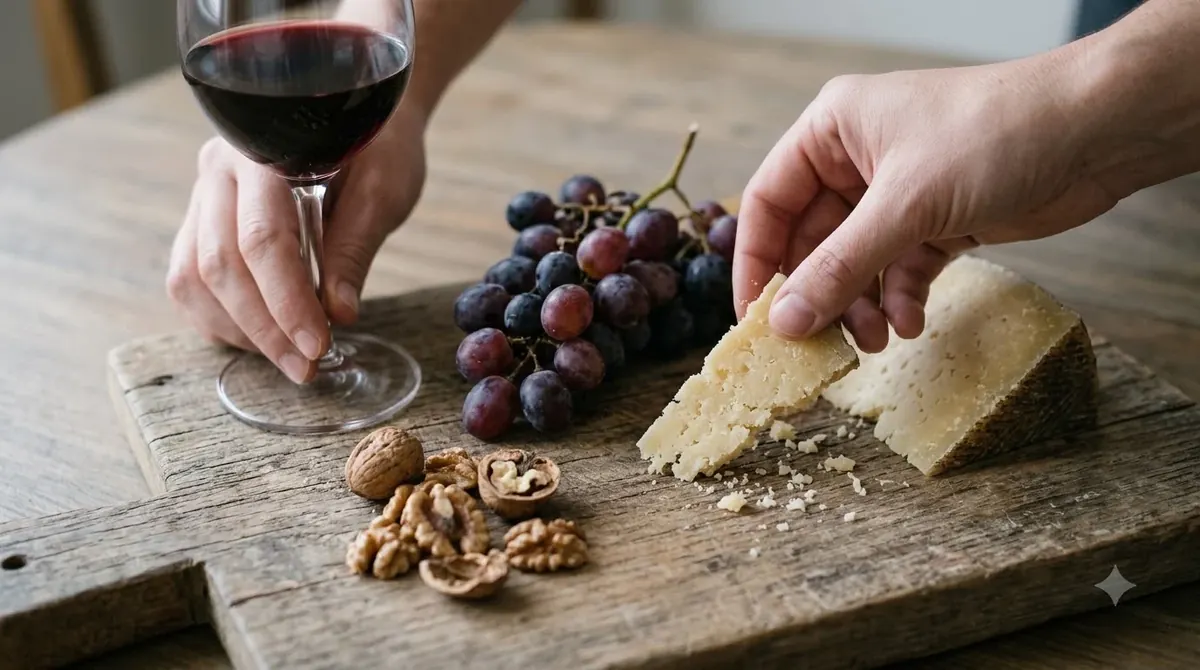
Hard cheeses can also work well. Aged cheddar, Gouda, and other firm cheeses provide savory depth and enough richness to complement the wine. A cheese board with roasted nuts and cured meats makes a practical informal pairing.
Serving temperature and glassware
Serve Freakshow Cabernet at approximately 60–65°F. This is the recommended range for full-bodied red wines and offers a useful balance between aromatic expression and alcohol perception.
A large-bowled red-wine glass is a sensible choice. Its shape provides enough room to swirl the wine, helping aromas become easier to identify. There is no need to purchase a specialized glass designed exclusively for this particular label.
Start with a 5 oz pour in a standard wine glass. This provides adequate space for swirling and leaves room to assess how the wine develops as it comes into contact with air.
Decanting and aeration
Decanting is optional, but aeration can help a concentrated Cabernet become more expressive. Wine Enthusiast specifically recommends aerating the 2023 Freakshow Cabernet.
A practical approach is to begin with 10–15 minutes of breathing time in the glass. If the wine seems particularly closed or its oak and alcohol characteristics appear dominant, try approximately 30 minutes in a decanter.
Young, full-bodied reds can generally benefit from 30–60 minutes of decanting. However, longer is not automatically better. Taste the wine periodically and stop aerating once the balance of fruit, spice, and texture is appealing.
Storing an unopened bottle
Store an unopened bottle in a cool, dark location with a relatively stable temperature. A storage temperature near 55°F is a useful target for longer-term wine storage.
Avoid locations next to ovens, radiators, sunny windows, or other sources of repeated temperature changes. Heat can damage wine’s freshness, while strong light and unnecessary movement can also be undesirable during storage.
For a cork-sealed bottle stored for an extended period, horizontal positioning helps keep the cork in contact with the wine. This reduces the risk of the cork drying out during storage.
Keeping an opened bottle fresh
After opening, reseal the bottle with its original closure or a suitable wine stopper and place it in the refrigerator. Refrigeration slows the changes that occur after wine comes into contact with oxygen.
As a general guideline, opened still red wines can remain enjoyable for approximately three to five days when properly sealed and refrigerated. Before serving again, allow the wine to move toward its appropriate serving temperature.
For a bottle shared over several evenings, keep track of when it was opened and how it has been stored. Changes in fruit intensity, color, and aroma are normal as oxygen gradually affects the wine. If the fruit becomes noticeably muted and the wine develops stale or unpleasant aromas, its best drinking window has likely passed.
Frequently Asked Questions
Is Freakshow Cabernet Sauvignon a blend or a single-variety wine?
It is marketed as Cabernet Sauvignon, but the winery’s older technical information shows that certain vintages included additional grape varieties. For example, its 2018 technical information lists 82% Cabernet Sauvignon, 16% Petite Sirah, and 2% Syrah. The precise composition can change between vintages.
Does Freakshow Cabernet need to be aged before drinking?
It can be enjoyed without an extended cellar-aging period, particularly if you prefer its fruit-forward character. The winery and professional tasting descriptions emphasize expressive fruit, oak, and spice rather than requiring a lengthy maturation period. Individual bottle development will depend on vintage and storage conditions.
Who produces the Freakshow wine label?
Michael David Winery produces Freakshow Cabernet Sauvignon. The winery is located in Lodi, California, and its product information identifies the Cabernet as the original wine in the Freakshow family. The label’s strongman illustration is part of its distinctive circus-inspired presentation.
What kind of closure does Freakshow Cabernet use?
Retail product information from ABC Fine Wine & Spirits identifies a cork closure for its listed Freakshow Cabernet bottle. Closure details can vary by product packaging, so a specific bottle should be examined before purchasing if the closure type is important to you.
Can Freakshow Cabernet be used in cooking?
Yes. A dry, fruit-forward Cabernet can be used in beef braises, red-wine pan sauces, and slow-cooked stews. Its dark-fruit and oak characteristics can contribute additional depth to a sauce, although reducing the wine concentrates its flavors, so it is better to avoid excessive quantities in a small preparation.
Freakshow Cabernet Sauvignon is worth considering if you enjoy expressive Lodi Cabernet with dark fruit, vanilla, cocoa, and spice. Its vintage differences, relatively substantial alcohol level, and food-friendly structure are the most important factors to understand before buying. Serve it slightly cooler than a typical warm room, pair it with richly flavored food, and choose the vintage that best matches your preferred balance of fruit and oak.
More in Wine Brands
 Underwood Wine Price: Compare Bottles, Cans, and Pack SizesUpdated Nov 21, 2026
 Zenato Wine Price: Compare Styles and Choose the Right BottleUpdated Nov 21, 2026
 Zuccardi Wine Price: Compare Bottles and Find the Right RangeUpdated Nov 21, 2026
 Yellow Tail Moscato Review: Taste, Sweetness and Serving TipsUpdated Nov 21, 2026
 Wolf Blass Yellow Label Review: Choose Your Best StyleUpdated Nov 21, 2026
 Wolffer Estate Rose Review: Choose the Right Bottle for Your TableUpdated Nov 21, 2026