

We may earn a commission when you buy through links on this page, at no extra cost to you. Learn more.
The franken wine region is a historic wine-growing area in northern Bavaria, Germany, best known for its dry, mineral-driven Silvaner wines and distinctive Bocksbeutel bottles. Centered on Würzburg and the Main River, Franken combines three major geological formations, a continental climate, and a long tradition of producing characterful white wines. Its vineyards also produce Müller-Thurgau, Bacchus, Riesling, and increasingly important red wines, making it one of Germany’s most distinctive regional wine destinations.
German wine is often associated with the Mosel’s delicate Riesling, the Rheingau’s structured whites, or the generous fruit of the Pfalz. Franken offers a different experience. Its wines are frequently dry, savory, earthy, and firmly structured, with Silvaner expressing the character of local vineyard sites particularly well. The region’s combination of historic wine towns, unusual geology, and recognizable bottle design makes it an appealing destination for anyone interested in understanding Germany beyond its best-known wine styles.
Where Franken Is Located and What Makes Its Wine Country Distinctive
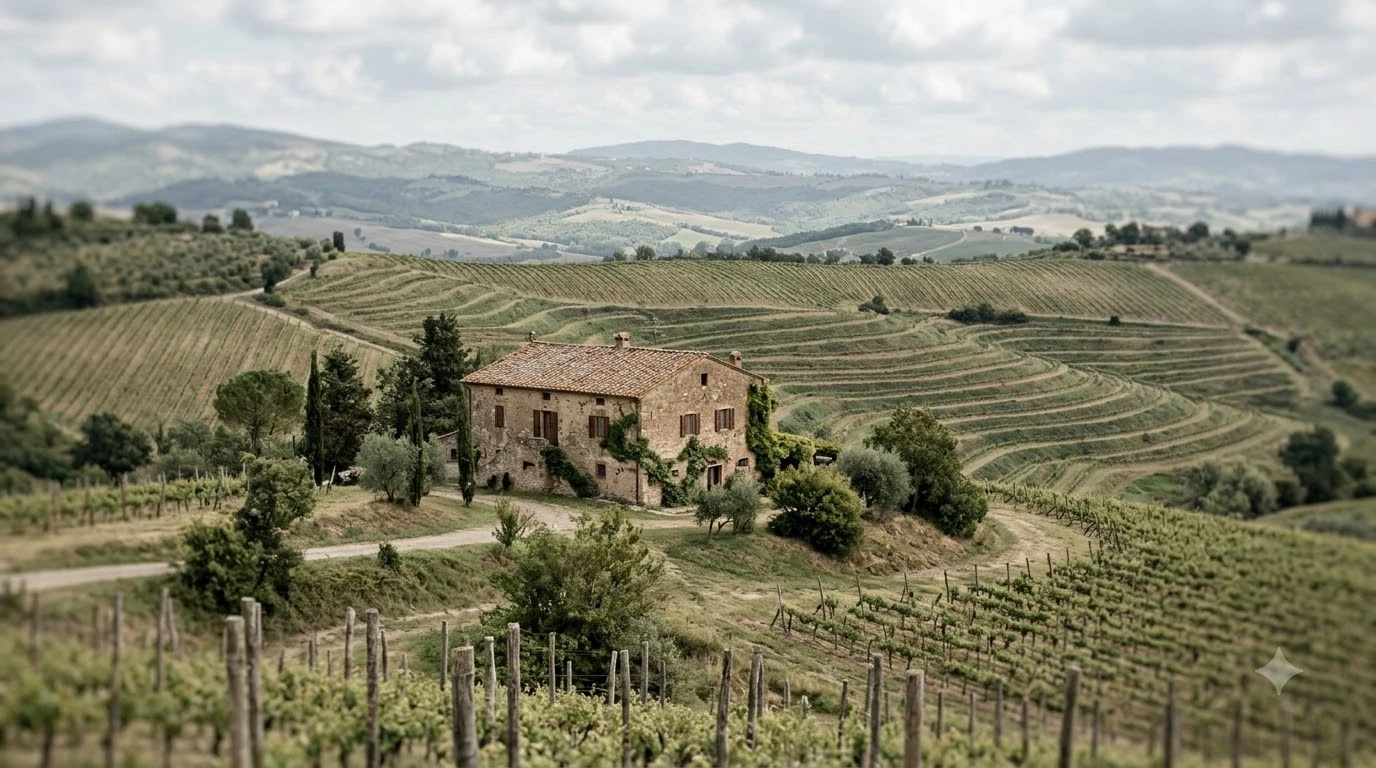
Franken lies in northern Bavaria, east of Frankfurt, following the Main River and its tributaries. Würzburg is its principal wine center, while surrounding towns such as Volkach, Iphofen, and Miltenberg contribute to a landscape shaped by vineyards, historic architecture, and river valleys. The region covers approximately 6,040 hectares of vineyards according to the German Wine Institute’s 2025 statistics.
The boundaries of Franconian wine country are defined by several recognizable geographical features. The Rhön Mountains lie to the north, the Steigerwald Forest to the east, the Tauber Valley to the south, and the Spessart Mountains to the west. These surrounding landscapes help explain why Franken has a distinctive geographical identity within Bavaria.
Unlike some German wine regions concentrated along one relatively short river valley, Franken stretches across a considerable area. Its vineyards extend from Hörstein near Aschaffenburg toward Iphofen, covering approximately 100 kilometers in a straight line. This geographical spread creates meaningful differences in soil composition, vineyard exposure, and local growing conditions.
The Main River is central to the region’s identity. Many vineyards occupy hillsides overlooking its bends and tributaries, with south-facing slopes providing favorable exposure to sunlight. River valleys also create localized growing conditions that can moderate temperature extremes and influence how grapes ripen.
Franken’s identity is also connected to its wine culture. Historic estates, traditional wine taverns, village festivals, and modern tasting rooms coexist throughout the region. Würzburg combines important architectural landmarks with established wine producers, while smaller communities offer a closer look at vineyard life.
Travelers comparing German wine destinations can also explore the Wine Regions resource for a broader understanding of the country’s principal growing areas and their differences.
Climate, Geology, and the Three Main Vineyard Districts
Franken has a continental climate, with warm, relatively dry summers and cold winters. Its vineyards are particularly interesting because three major geological formations create different growing environments: colored sandstone in the west, shell limestone around Würzburg, and Keuper soils farther east near Iphofen.
The German wine landscape association VDP emphasizes that these geological formations originate from the Triassic period. Their distribution gives Franken a particularly recognizable division of vineyard environments. Although soil alone does not determine how a wine tastes, differences in water retention, drainage, mineral composition, and vineyard exposure influence vine growth and grape development.
Mainviereck: Colored sandstone and red wines
Mainviereck is the western district, where colored sandstone is a defining geological feature. The wine villages of Klingenberg and Bürgstadt are particularly associated with this part of Franken. Their vineyards contribute to the region’s red-wine identity, especially through Pinot Noir, known locally as Spätburgunder.
These vineyards provide an important contrast with the white-wine-dominated areas farther east. Red wines from the western district demonstrate that Franken is not exclusively a Silvaner region. Producers also work with other varieties, including Domina, a red grape with a particularly strong regional association.
Maindreieck: Shell limestone around Würzburg
Maindreieck is the central district, with Würzburg at its heart. Shell limestone, known in German as Muschelkalk, is the characteristic geological formation. This is an important area for Silvaner, especially in celebrated vineyard locations such as Würzburger Stein.
Shell-limestone vineyards are closely associated with the firm, savory interpretation of Franconian white wine. Wines from suitable sites can show restrained fruit, herbal notes, earthy characteristics, and a pronounced sense of structure. These qualities make dry Silvaner particularly interesting alongside food.
Steigerwald: Keuper and the vineyards around Iphofen
Farther east, the Steigerwald district includes vineyards around Iphofen. Keuper soils, which include clay-rich and marl formations, distinguish this area from the limestone vineyards near Würzburg. These geological differences contribute to the diversity of the region’s wines.
Iphofen is also an excellent starting point for understanding the eastern part of Franconian wine country. Its historic town center and surrounding vineyards offer a different perspective from Würzburg’s larger urban wine culture.
The following comparison summarizes the three principal geological areas:
| District | Characteristic soil | Notable places | Wine associations |
|---|---|---|---|
| Mainviereck | Colored sandstone | Klingenberg, Bürgstadt | Spätburgunder and other red wines |
| Maindreieck | Shell limestone | Würzburg, Randersacker | Silvaner and structured white wines |
| Steigerwald | Keuper and marl | Iphofen | Silvaner and other regional white varieties |
These districts should be understood as broad geographical descriptions rather than guarantees of a particular flavor. Vineyard elevation, slope direction, grape variety, harvest conditions, and winemaking decisions also affect the finished wine. Two Silvaners from different producers within the same district can therefore have noticeably different personalities.
Silvaner: The Signature Grape of Franconian Wine
Silvaner is the grape most closely associated with Franken, where it has been cultivated for more than 350 years. It is especially valued for its ability to produce dry, structured wines that reflect the character of individual vineyard locations rather than relying entirely on overt fruit aromas.
The German Wine Institute reports that Silvaner occupied 1,536 hectares in Franken in its 2025 statistics, approximately one-quarter of the region’s vineyard area. This makes it the leading grape variety and an essential reference point for anyone exploring local wines.
In the glass, dry Franconian Silvaner commonly displays restrained aromas of green apple, pear, citrus, fresh herbs, and sometimes subtle earthy or mineral impressions. Its flavor profile can be less immediately aromatic than that of Riesling or Sauvignon Blanc. Instead, its appeal often comes from texture, savory character, and the relationship between acidity and body.
Silvaner is particularly interesting because it can produce different styles depending on the vineyard and winemaking approach. A lighter example might be fresh, crisp, and suitable for everyday meals. A more concentrated wine from a recognized vineyard can show greater texture, depth, and the ability to develop complexity with bottle age.
Dry Silvaner is generally a useful choice for people who enjoy white wines that are not dominated by tropical fruit or pronounced floral aromas. Its restrained character also makes it a flexible companion at the dinner table.
How to recognize a good Silvaner
Start by considering the producer, vineyard designation, and intended style. A basic regional Silvaner can offer a straightforward introduction to the grape, while wines carrying more specific vineyard information may provide a clearer expression of individual growing conditions.
Pay attention to the balance between acidity, body, and flavor intensity. A well-made dry example should feel harmonious rather than excessively sharp or heavy. Herbal, apple, pear, and savory notes are useful characteristics to look for, although the exact combination varies by producer and vintage.
Silvaner also offers an interesting comparison with other cool-climate white wines. Someone who enjoys the mineral character of wines from the Savoie wine region may appreciate Franken’s more restrained, savory white-wine styles, although the grape varieties and regional traditions are different.
Other Grape Varieties and Wine Styles in Franken
Although Silvaner defines the region’s reputation, Franken has a wider selection of white and red grapes. Müller-Thurgau, Bacchus, Riesling, and Pinot varieties contribute additional styles, while Spätburgunder and Domina demonstrate the region’s capacity to produce distinctive red wines.
White varieties account for approximately 83% of the region’s vineyard plantings. This dominance is reflected in the range of wines available, from simple, refreshing bottles to more structured and concentrated expressions.
Müller-Thurgau
Müller-Thurgau is Franken’s second most planted variety, occupying 1,298 hectares according to the German Wine Institute’s 2025 figures. It generally produces approachable white wines with moderate acidity and gentle aromatic intensity.
Typical aromas include apple, pear, citrus, and delicate floral notes. Depending on the producer, the wine may be light and refreshing or slightly rounder in texture. It is often an accessible starting point for someone unfamiliar with Franconian wine.
Modern producers have also helped renew interest in Müller-Thurgau by emphasizing freshness, varietal expression, and careful vineyard management.
Bacchus
Bacchus is a regional specialty that contributes a more aromatic dimension to Franken’s white-wine selection. It can show floral, citrus, and ripe fruit aromas, sometimes with a softer impression than the region’s drier Silvaner styles.
It is a useful choice for people who prefer expressive white wines. Depending on the producer, Bacchus can be made dry or with some residual sweetness, so the intended style is important when selecting a bottle.
Riesling and Pinot varieties
Riesling is also cultivated in Franken, although it does not dominate the region as it does in the Mosel or Rheingau. Its naturally high acidity can create refreshing wines with citrus, orchard fruit, and a more pronounced aromatic profile.
Pinot varieties add another dimension. Spätburgunder is the local name for Pinot Noir, while white Pinot varieties contribute additional options. The VDP specifically recognizes the region’s strengths in Riesling and Pinot-family wines.
Regional red wines
Franken’s red-wine production is smaller than its white-wine production, but it deserves attention. Spätburgunder is particularly associated with the sandstone vineyards around Klingenberg and Bürgstadt. Domina is another important regional red variety.
These wines can provide a different experience from the lighter and more familiar red wines associated with some German regions. Pinot Noir generally offers lower-to-medium tannin and high acidity, while Domina can produce a darker, more structured style depending on the growing conditions and winemaking approach.
For a quick reference, the following table summarizes the main grape varieties and their typical characteristics:
| Grape | Color | Typical profile | Role in Franken |
|---|---|---|---|
| Silvaner | White | Dry, savory, earthy, structured | Signature variety |
| Müller-Thurgau | White | Fresh, gently aromatic, approachable | Second-largest planting |
| Bacchus | White | Floral, fruity, aromatic | Regional specialty |
| Riesling | White | Citrus-driven, high acidity, refreshing | Important additional variety |
| Spätburgunder | Red | Red berries, freshness, moderate structure | Important western red-wine variety |
| Domina | Red | Darker fruit, fuller structure | Regional red-wine specialty |
The Bocksbeutel Bottle and Franconian Wine Traditions
The Bocksbeutel is one of the most recognizable features of Franken wine. Its distinctive flattened, rounded shape separates it visually from the tall, slender bottles commonly associated with many German white wines.
The bottle has a broad, rounded body and a relatively short neck. Traditionally, it appears in green or brown glass, and its unusual shape makes it immediately recognizable on a restaurant table or wine-shop shelf.
The Bocksbeutel is more than a decorative feature. It is a long-standing regional symbol connected to Franconian wine identity and the presentation of the area’s traditional wines. The German Wine Institute describes it as a hallmark of the region’s finest wines.
Not every Franken wine necessarily comes in this bottle shape. Producers use different formats depending on the wine, market, and presentation. Nevertheless, encountering a Bocksbeutel is a useful visual introduction to the region’s wine culture.
Würzburg and the history of Steinwein
Würzburg is particularly important to the historical identity of Franken. The city is surrounded by established vineyards, including the famous Würzburger Stein. The German Wine Institute associates this vineyard with Goethe, who was particularly fond of its wine.
The name Steinwein was historically used as a general term for Franconian wine, reflecting the importance of this vineyard and its reputation. The association between Würzburg, the Stein vineyard, and traditional wine production remains an important part of the area’s cultural identity.
Several historic wine estates are located in Würzburg, and their cellars and tasting facilities offer opportunities to understand how local wine production developed. The city’s architectural heritage adds another dimension to a wine-focused visit.
Traditional wine culture today
Franconian wine culture combines family-owned estates, cooperatives, traditional wine taverns, and contemporary wineries. According to the German Wine Institute, regional cooperative cellars and smaller cooperatives account for approximately 40% of wine production and marketing.
Wine festivals are an important part of the local calendar. Harvest celebrations and the seasonal appearance of Federweißer, a partially fermented grape beverage, connect wine production with everyday community life. These traditions help explain why wine is so closely associated with Franconian regional identity.
The area’s wine towns also offer opportunities to explore historic streets, traditional restaurants, and modern tasting rooms. Visitors can experience the region through organized tastings, vineyard walks, or cycling routes following the Main River.
How to Choose, Serve, and Pair Franken Wines
The best way to approach Franken wine is to begin with dry Silvaner, then compare it with Müller-Thurgau, Bacchus, and regional Riesling. Serving the wines at appropriate temperatures and matching their acidity and structure with food helps reveal their individual characteristics.
For a first purchase, a dry Silvaner from a recognizable producer is an excellent starting point. If you prefer aromatic whites, try Bacchus or Müller-Thurgau. If you enjoy structured reds, explore Spätburgunder from the western part of the region.
Recommended serving temperatures
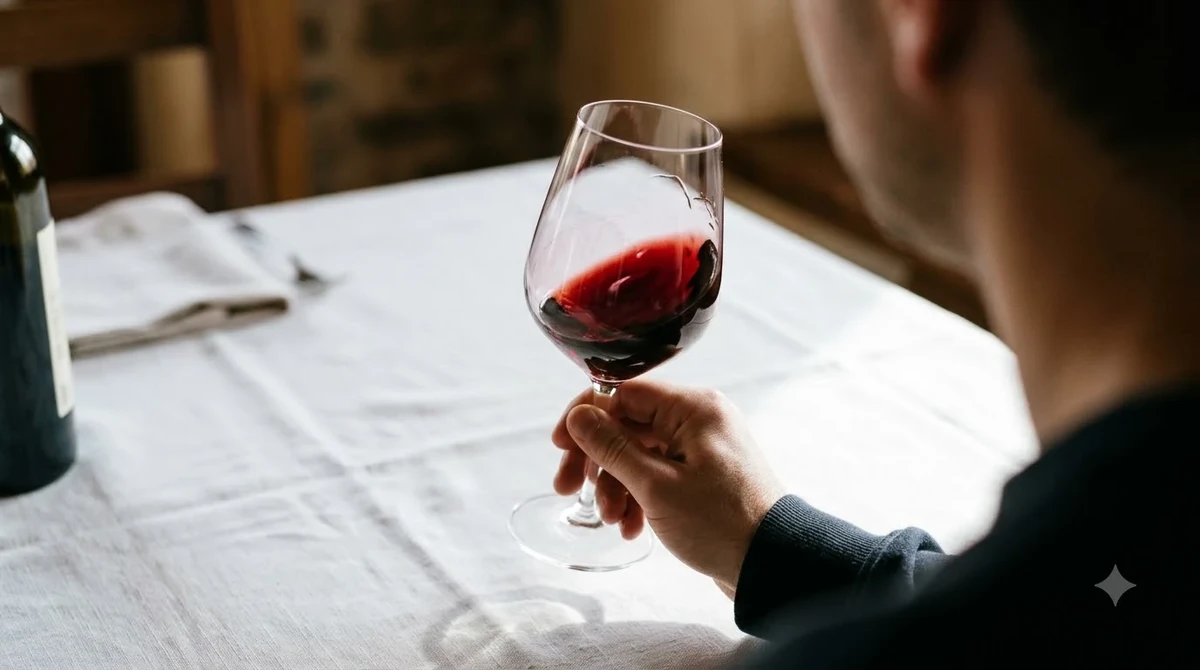
Dry Silvaner generally benefits from a serving temperature around 45–50 F, particularly when it is fresh and relatively light. More concentrated white wines can benefit from slightly warmer temperatures, around 50–55 F, allowing their texture and aromatic complexity to emerge.
Light red Franken wines, including fresher interpretations of Spätburgunder, can be served around 55–60 F. This temperature range helps maintain freshness without making the wine seem excessively cold or suppressing its aromas.
Avoid serving white wines directly from an extremely cold refrigerator. Excessive chilling can make aromatic details difficult to recognize. Allowing the wine to warm slightly in the glass often reveals additional fruit, herbal, and savory characteristics.
Food pairings for Silvaner and other white wines
Dry Silvaner is especially versatile with food because its restrained fruit profile and balanced acidity work well with a range of dishes. Traditional Franconian cuisine provides natural pairing opportunities, but the wine can also complement familiar American meals.
- Roast chicken: Silvaner’s savory character and moderate body complement roasted poultry without overwhelming its flavor.
- Roasted pork: A structured dry Silvaner works well with pork loin, roasted potatoes, and herb-based sauces.
- Freshwater fish: Trout and other delicately flavored fish pair particularly well with crisp Silvaner or Müller-Thurgau.
- Asparagus: Silvaner is a particularly appealing match for green or white asparagus, especially with butter-based preparations.
- Mushroom dishes: Earthy Silvaner can complement mushroom risotto, sautéed mushrooms, and creamy mushroom sauces.
- Soft cheeses: Fresh, mild cheeses work well with lighter white wines, while more concentrated Silvaner can handle richer cheese preparations.
Acidity is important when matching wine with food. Dishes with strong acidity need a wine with equal or greater acidity to prevent the wine from tasting flat. Fat and salt can soften the perception of tannin, which is useful when pairing red Franken wines with richer meals.
For red Spätburgunder, consider roast duck, grilled chicken, mushroom dishes, and moderately seasoned pork. Its relatively restrained tannin and refreshing acidity make it more adaptable than heavily tannic reds with many poultry and mushroom preparations.
Practical buying and storage advice
When selecting a bottle, consider the grape variety, producer, district, and sweetness level. A dry Silvaner is a reliable starting point, while a vineyard-designated example may provide a more specific expression of local conditions.
Once opened, store unfinished still wine in the refrigerator and consume it within approximately three to five days for the best results. Keep unopened bottles in a cool, dark environment with stable temperatures. For longer-term storage, a temperature near 55 F and a position on the side are useful general guidelines for bottles sealed with natural cork.
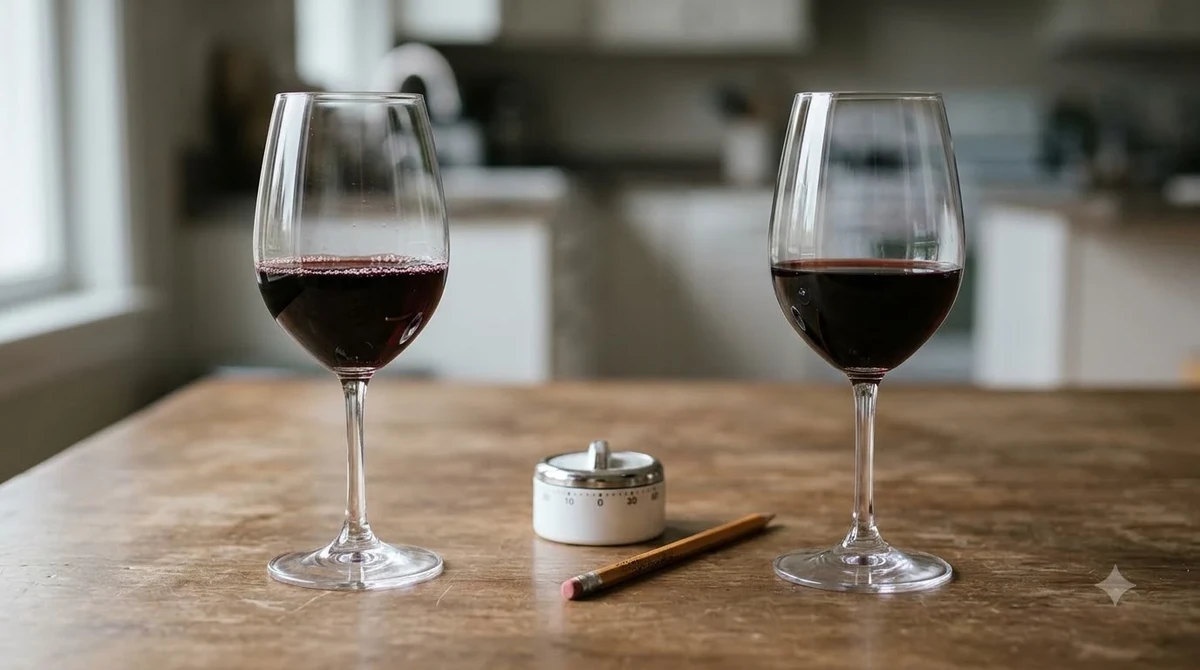
Tip: If you are trying Franken for the first time, purchase two different dry Silvaners: one from the shell-limestone vineyards around Würzburg and another from the Keuper-influenced area near Iphofen. Compare their aromas, texture, acidity, and finish side by side. This is one of the easiest ways to understand how vineyard location contributes to the region’s wine diversity.
For a broader comparison of regional wine identities, the Switzerland wine region and Tasmania wine region offer useful examples of how geography, climate, and grape selection influence wines from different parts of the world.
Franken is particularly rewarding for drinkers who enjoy dry white wines with savory character rather than overwhelming fruit. Exploring its different districts and producers can reveal just how much variation exists within one relatively compact German wine-growing area.
For additional regional background, the VDP’s official Franken regional overview explains the relationship between Silvaner, the region’s geological formations, and its vineyard traditions. The German Wine Institute’s Franken profile also provides useful information about grape varieties, wine towns, and regional wine culture.
Frequently Asked Questions
Is Franken the same as Franconia?
Yes. Franken is the German name for Franconia, a historical region in southern Germany. The wine-growing area discussed here is located in Bavaria and should not be confused with every geographical area historically associated with Franconia. On German wine labels, Franken is the regional designation most commonly encountered.
What does the name Bocksbeutel mean?
The term refers to the distinctive flattened, rounded wine bottle associated with Franken. Its unusual shape has become an important symbol of regional wine identity. The design is also connected with the historical presentation of Franconian wines rather than being simply a contemporary packaging trend.
Is Franken wine available outside Germany?
Yes, although it can be less widely distributed internationally than wines from the Mosel or other major German regions. The German Wine Institute reports that four out of five bottles are consumed within approximately 250 kilometers of their production area. This strong regional consumption helps explain why some excellent Franconian producers remain relatively unfamiliar to American wine drinkers.
Does Franken produce sparkling wine?
Yes. Producers in Franken also make sparkling wine, commonly described using the German term Sekt. These wines can be produced from different grape varieties and may offer an alternative way to experience the region’s white-wine character. The traditional Bocksbeutel is primarily associated with still Franconian wines rather than serving as the defining format for every sparkling bottling.
What is Federweißer in Franconian wine culture?
Federweißer is partially fermented grape juice that appears during the autumn harvest season. It is still fermenting when sold or served, so its sweetness and alcohol content can change as fermentation continues. It is traditionally enjoyed during harvest celebrations and is commonly associated with seasonal onion tart in German wine-growing areas.
The Franken wine region deserves attention for more than its unusual bottles and long winemaking history. Its Silvaner, varied geological formations, and distinctive Franconian wine culture offer a compelling alternative to Germany’s more familiar wine destinations. Start with a dry Silvaner from Würzburg, explore the contrasting vineyards around Iphofen, and discover why this Bavarian region has maintained such a distinctive place in German wine.
More in Wine Regions
 Willcox Wine Trail: Discover Arizona’s High-Elevation Wine CountryUpdated Nov 20, 2026
 Yakima Valley Wine Region: Find the Best Styles to TryUpdated Nov 20, 2026
 Vosne Romanee Wine Tasting: Identify Aromas and Choose Better PairingsUpdated Nov 20, 2026
 Yakima Valley Wine Festival: Find the Best Seasonal Wine EventsUpdated Nov 20, 2026
 Wales Vineyards: Discover Cool-Climate Wines and Where to VisitUpdated Nov 20, 2026
 Yountville Wine Festival: Discover Napa Wines and Local FoodUpdated Nov 20, 2026