

We may earn a commission when you buy through links on this page, at no extra cost to you. Learn more.
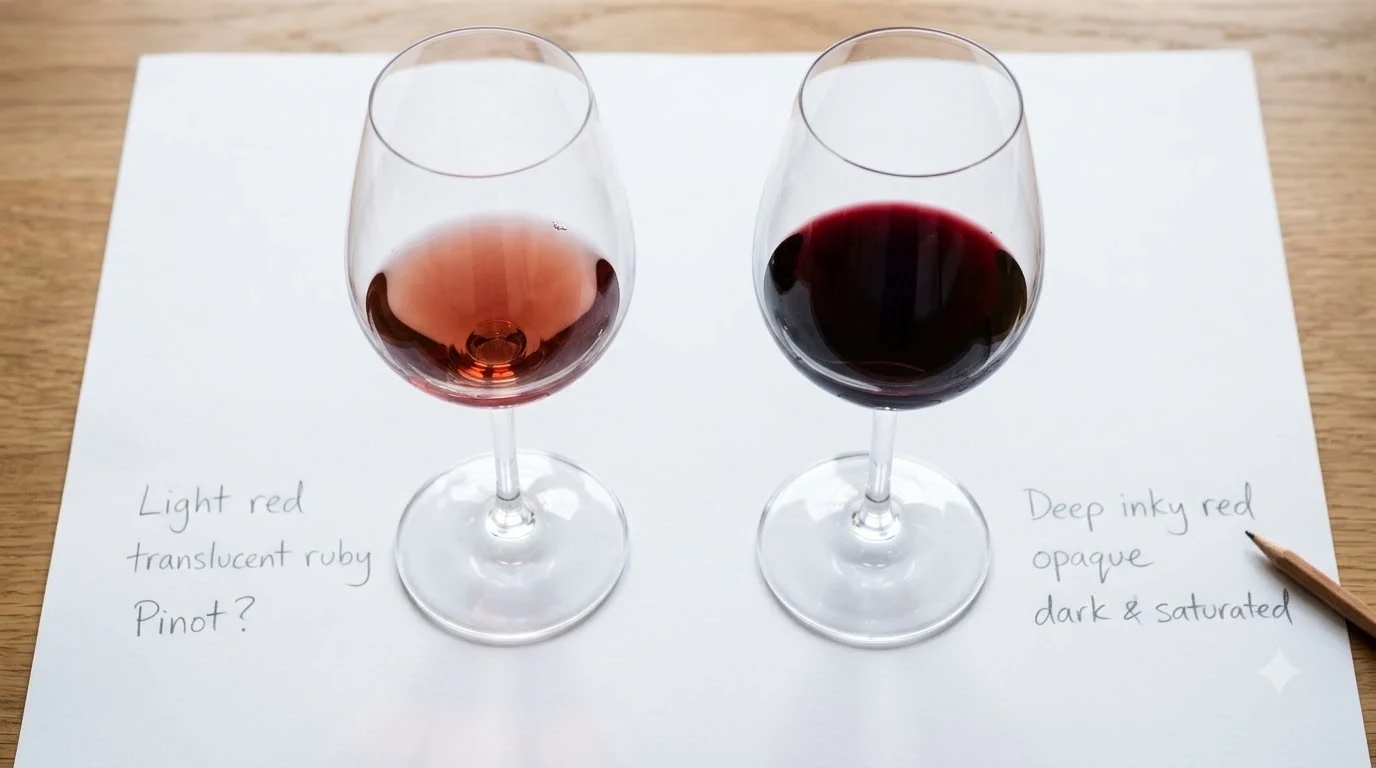
Frank Family wine comes from Frank Family Vineyards, a Napa Valley winery known mainly for Chardonnay, Cabernet Sauvignon and a few small-production sparkling wines. The estate traces its roots to a stone building first constructed as the Larkmead Winery in 1884, and the brand was built around the property after Rich Frank acquired it in 1992. The wines are made from Napa Valley fruit, with the Chardonnay sourced from cooler Carneros vineyards and the top Cabernet drawn from the Winston Hill site in Rutherford.
If you have spotted a bottle of Frank Family wine on a restaurant list or a grocery shelf and want to know what the name stands for, this guide sets out the winery’s history, the main wines in its lineup, and how to decide which bottle suits a given meal or occasion. Most of what follows comes from the winery’s own material and from published reviews, so the details are a starting point rather than a verdict on any single vintage.
Where the Frank Family name comes from
The winery’s history begins long before the current brand. The stone building that anchors the property was first built in 1884 as the Larkmead Winery, and the producer’s own story notes that it later grew into the estate that now carries the Frank Family name. According to the winery’s about page, Rich Frank acquired the property in 1992, and the brand opened to the public in 1993. The page says the project began because Rich wanted to create something for his family, and the wines are named in part for his family history.
The property also has a sparkling-wine past. The winery’s own history notes that Hanns Kornell introduced the traditional French champenoise method to California at Larkmead in 1958. That background helps explain why sparkling wine still has a place in the current lineup, even though the brand is better known today for still wines from Napa Valley.
The core lineup: Chardonnay, Cabernet and sparkling
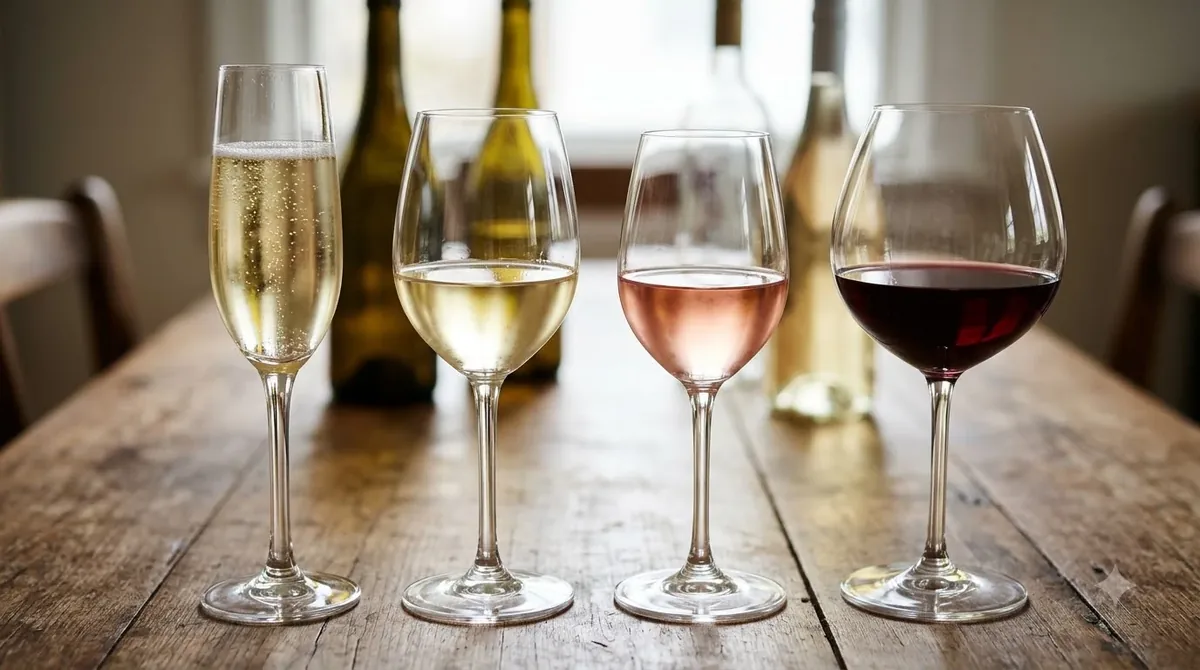
Most people approach the brand through its Chardonnay or its Cabernet Sauvignon, and the two styles show how the estate thinks about fruit. The Chardonnay is grown in the cooler Carneros part of Napa Valley, where marine air keeps the growing season longer and the fruit tends to hold more acidity. Reviewers often describe the Carneros style as bright and structured rather than heavy, which suits buyers who like a fresh white with some texture.
The reds sit at the other end of the spectrum. The estate’s flagship Cabernet Sauvignon, called the Patriarch, is a limited release made from grapes grown on the Winston Hill vineyard in Rutherford. The bottling honors Rich Frank’s father, Hy Frank, and it is produced in small quantities, so it is less common than the everyday Napa Cabernet from the same producer.
The winery also hand-crafts several sparkling wines using the traditional method, along with still wines. Sparkling bottles are a good entry point for readers who are curious about the brand but not sure which still wine to try first.
| Style | Where it is grown | What to expect |
|---|---|---|
| Chardonnay | Carneros, Napa Valley | Fresh, crisp fruit with a clean finish |
| Cabernet Sauvignon | Napa Valley estate fruit | Structured red with dark fruit and firm tannin |
| Patriarch Cabernet | Winston Hill vineyard, Rutherford | Limited, age-worthy red from a single site |
| Sparkling wine | Napa Valley | Small-production bubbles made in the champenoise style |
Because the estate works with several sites rather than a single vineyard, the wines are easier to compare across the range than many single-estate Napa labels. A reader who tastes the Chardonnay first and the Cabernet second will notice a clear difference in weight, acidity and oak, which makes the lineup a useful study in how Napa fruit changes with the site and the varietal. That comparison is part of why the brand appeals to people who are still learning to tell styles apart.
How to serve Frank Family wine
Serving temperature changes how the wines taste, so the basics matter here. The Chardonnay is best poured cool rather than cold, so the acidity stays lively without the oak masking the fruit. The Cabernet works better a little below room temperature and benefits from a short rest in the glass. Sparkling wine should be served well chilled and poured into a flute or a tulip glass, which keeps the bubbles longer. The winery’s own material, described on its about page, gives no specific temperatures, so these are general guidelines.
The producer’s own serving notes lean toward the holiday table. Its guidance suggests pouring sparkling wine as guests arrive, serving a Pinot Noir or a Chardonnay with a holiday meal, and saving a large-format sparkling bottle for dessert. That advice is simple, but it reflects a practical rule: match the wine’s weight to the dish, and open the sparkling early so it is ready when people sit down.
Tip: If you are choosing between the two still wines for a single dinner, pick the Chardonnay for lighter dishes such as roast chicken or seafood, and the Cabernet for beef, lamb or mushroom-based mains.
Food pairing and buying advice
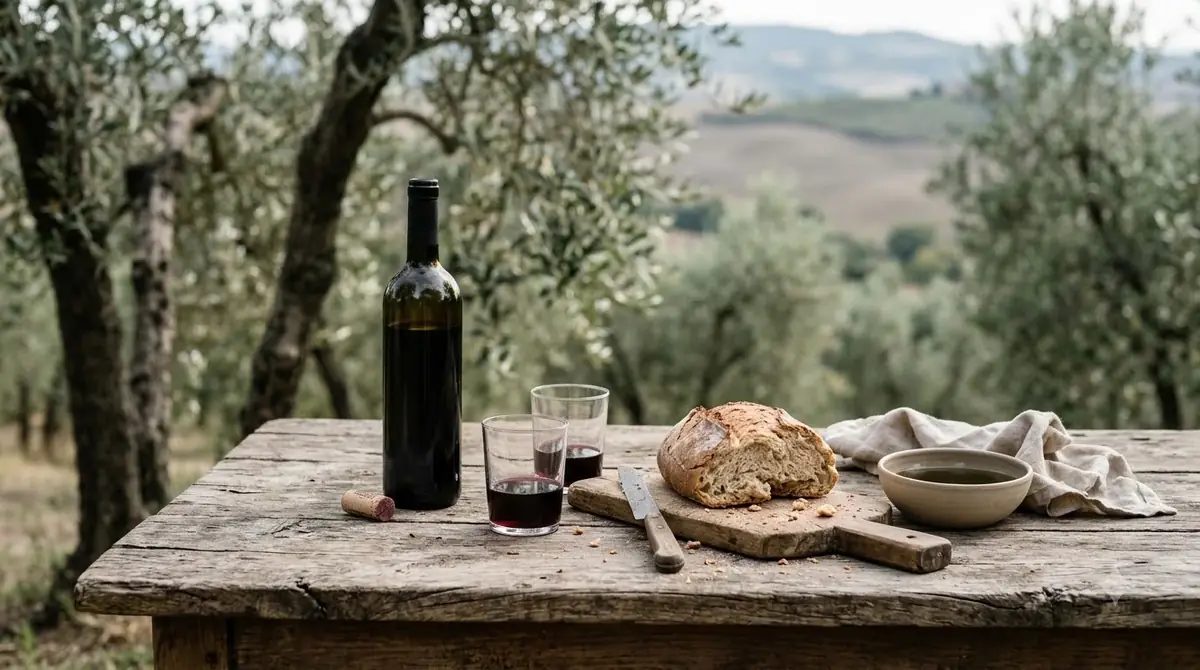
The Chardonnay pairs well with creamy sauces, roast poultry and soft cheeses, because the fruit has enough body to stand up to rich food without overwhelming it. Grilled fish and shellfish also work, especially with a light butter or lemon sauce. The Cabernet is more demanding. It likes fatty cuts of meat, aged cheddar and dishes with grilled or roasted vegetables, where the tannin has something to grip. Frank Family’s sparkling wines are versatile at the table, from salty snacks and fried foods to fruit desserts and soft cheese.
When you shop, check the vintage and the bottling name, since the Patriarch and the everyday Cabernet are very different purchases. Limited bottlings are released in smaller numbers, so they can sell out quickly. If you want to learn more about the category, the guide to Barefoot wine explains how a different brand approaches a similar price-conscious market, and the wine brands hub collects other producers in the same category. Readers who want a closer look at the Chardonnay style can also read about Frank Family Chardonnay on its own.
Frequently Asked Questions
Is Frank Family wine made in Napa Valley?
Yes. Frank Family Vineyards is a Napa Valley winery, and its estate vineyards are located in the valley. The Chardonnay comes from the cooler Carneros area, and the Cabernet includes fruit from Napa sites such as Winston Hill in Rutherford.
What is Frank Family best known for?
The winery is best known for its Chardonnay and Cabernet Sauvignon, along with a small range of sparkling wines made in the traditional method. The Patriarch Cabernet is its limited-release flagship.
How should I serve Frank Family Chardonnay?
Serve it cool rather than cold, so the acidity and fruit stay balanced. A white wine glass with a moderate bowl works well for most tasters, and it is worth opening the bottle a few minutes before pouring.
What food goes with Frank Family wine?
The Chardonnay suits roast poultry, creamy sauces and seafood, while the Cabernet is a good match for beef, lamb and mushroom dishes. The sparkling wines work with salty snacks, fried food and fruit desserts.
Frank Family wine is a good place to start if you want a Napa producer with a clear identity and a mix of styles. Begin with the Chardonnay or a sparkling bottle to learn the house style, then move to the Cabernet when you are ready to spend more time with a bigger red. Pair each bottle with a simple meal, and the differences between the wines will become easier to taste.
More in Wine Brands
 Underwood Wine Price: Compare Bottles, Cans, and Pack SizesUpdated Nov 21, 2026
 Zenato Wine Price: Compare Styles and Choose the Right BottleUpdated Nov 21, 2026
 Zuccardi Wine Price: Compare Bottles and Find the Right RangeUpdated Nov 21, 2026
 Yellow Tail Moscato Review: Taste, Sweetness and Serving TipsUpdated Nov 21, 2026
 Wolf Blass Yellow Label Review: Choose Your Best StyleUpdated Nov 21, 2026
 Wolffer Estate Rose Review: Choose the Right Bottle for Your TableUpdated Nov 21, 2026