

We may earn a commission when you buy through links on this page, at no extra cost to you. Learn more.
This frank family chardonnay review finds a rich, dry California Chardonnay with ripe citrus, white peach, vanilla, toasted oak and refreshing acidity. Made primarily from Carneros fruit, Frank Family Chardonnay combines barrel fermentation and partial malolactic fermentation to create a creamy texture without losing its freshness. It is a particularly good choice for drinkers who enjoy fuller-bodied white wines with noticeable oak, generous fruit and enough acidity to accompany food.
Frank Family Vineyards has developed a recognizable Chardonnay style that brings together ripe California fruit, French oak and a relatively fresh finish. Its Carneros bottling sits between lean, mineral-driven Chardonnay and the heavier, more buttery styles associated with extensively oaked California whites. Understanding its flavor profile, winemaking and food compatibility makes it easier to decide whether this bottle belongs on your shopping list.
Who Should Choose Frank Family Chardonnay?
Frank Family Chardonnay is best suited to people who enjoy dry white wine with generous fruit, creamy texture and recognizable oak character. Its combination of citrus freshness and barrel-derived richness makes it particularly appealing to fans of fuller-bodied California Chardonnay.
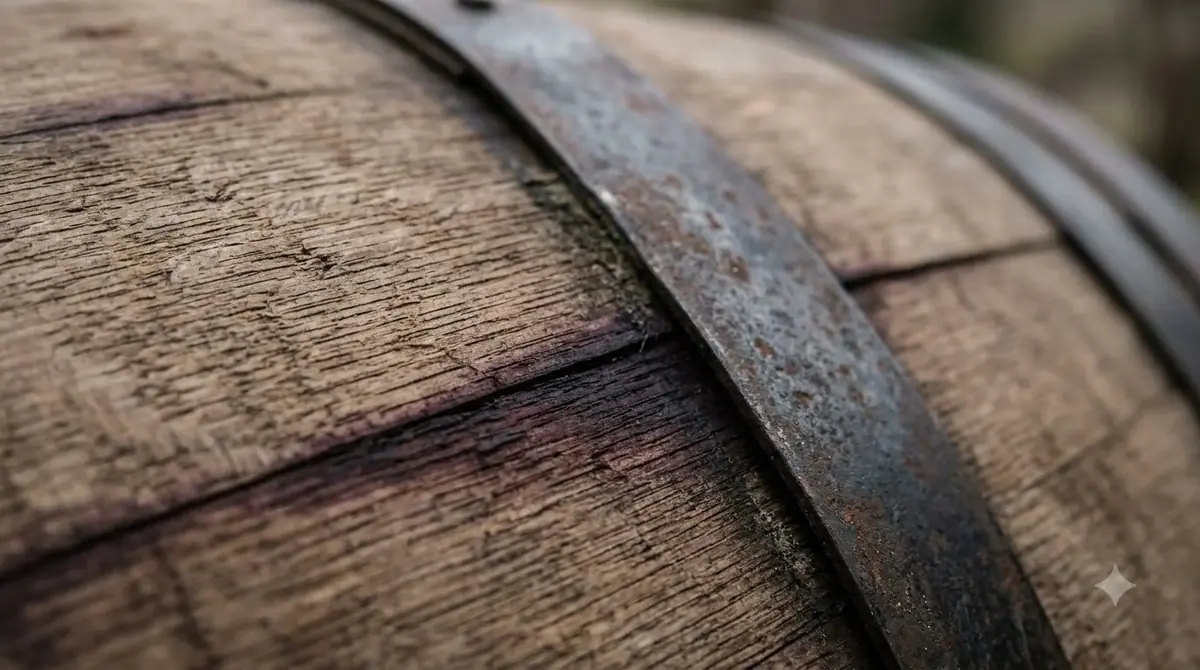
The wine comes from Carneros, a cool-climate growing area spanning parts of Napa and Sonoma counties in California. Its proximity to San Pablo Bay brings maritime influence, including fog, wind and cooler temperatures. These conditions help Chardonnay grapes retain acidity while developing ripe fruit flavors.
Frank Family’s Lewis Vineyard provides the foundation for the Carneros Chardonnay. According to the winery’s vineyard information, the property covers 78 acres, with 68 acres planted to Chardonnay. Additional fruit comes from Beckstoffer vineyards in Napa-Carneros and Sangiacomo vineyards in Sonoma-Carneros. This combination gives the wine a regional identity while drawing on several vineyard sources.
The wine is a particularly sensible choice for several types of drinkers:
- California Chardonnay fans: People who appreciate ripe apple, pear, peach, lemon, vanilla and toasted oak will recognize a familiar regional style.
- Drinkers who enjoy creamy whites: Barrel fermentation, partial malolactic fermentation and lees stirring contribute to a rounded palate.
- Food-focused wine buyers: Its combination of acidity and body works with roast chicken, seafood, creamy pasta and grilled vegetables.
- Occasional Chardonnay drinkers: The recognizable fruit and vanilla flavors make it approachable without requiring detailed knowledge of wine terminology.
- Hosts planning a dinner: Its relatively broad food compatibility makes it a practical option for meals featuring poultry, seafood or mild cheeses.
However, this is not the most suitable bottle for everyone. Drinkers who prefer extremely crisp, unoaked whites may find its vanilla, toasted oak and creamy texture too prominent. Someone looking for a particularly light, delicate wine may also prefer Sauvignon Blanc or a leaner Chardonnay.
It helps to distinguish between richness and sweetness. Frank Family Chardonnay is a dry-style wine, even though ripe fruit, vanilla and caramel-like aromas can create an impression of sweetness. The fruit character is part of its aromatic profile rather than evidence that the wine tastes like a dessert wine.
For readers comparing different expressions of the producer’s wines, the Frank Family Chardonnay overview provides another useful starting point. It helps place the Carneros bottling within the producer’s broader Chardonnay offerings.
Key Factors to Compare Before Buying
The most important considerations are oak intensity, acidity, body, alcohol and fruit character. These five factors explain why Frank Family Chardonnay tastes richer than a light unoaked white while remaining suitable for meals.
Its winemaking details provide a useful way to understand the balance. The winery’s 2024 Carneros technical information identifies a 100% Chardonnay composition, 14.4% alcohol and nine months of French oak barrel fermentation. The barrel allocation is divided among new, once-filled and twice-filled barrels rather than relying entirely on fresh oak.
| Factor | Reported detail or typical profile | What it means |
|---|---|---|
| Grape variety | 100% Chardonnay | Pure varietal expression |
| Growing region | Carneros, California | Maritime-influenced growing conditions |
| Alcohol | 14.4% ABV | Relatively generous body and warmth |
| Barrel fermentation | 9 months | Develops texture and oak integration |
| New French oak | 34% | Contributes vanilla and toasted spice |
| Once-filled barrels | 33% | Provides gentler oak influence |
| Twice-filled barrels | 33% | Allows fruit and acidity to remain prominent |
| Acidity | 0.58 g/100 ml | Supports freshness and balance |
| pH | 3.50 | Provides additional chemical context for acidity |
These figures come from the winery’s 2024 Carneros Chardonnay technical information. Different vintages can have different specifications, so the figures should be understood as a reference for that particular bottling rather than permanent measurements for every release. The winery’s official 2024 Carneros Chardonnay page provides the producer’s tasting description and technical details.
Oak intensity and texture
Oak is one of the defining characteristics of this Chardonnay. French oak can contribute aromas associated with vanilla, baking spices, toast and pastry. New barrels generally provide a stronger influence than previously filled barrels, which is why the winery’s three-part barrel allocation matters.
The 34% new oak component gives the wine recognizable barrel character, while the remaining 66% comes from barrels that have already been used. This creates a more measured approach than aging the entire wine in new oak. The intention is to develop complexity and texture without allowing wood flavors to overwhelm the fruit.
Acidity and body
Chardonnay typically has medium acidity, but the growing region and winemaking choices can change how fresh or rich it feels. Carneros provides conditions that help retain natural acidity, while partial malolactic fermentation softens the wine’s sharper edges.
At 14.4% ABV in the documented 2024 bottling, this is not an especially light white wine. Expect a fuller palate, more noticeable warmth and substantial fruit concentration compared with a lower-alcohol, unoaked Chardonnay.
What matters most when comparing vintages?
Start with the producer’s tasting notes and technical information rather than assuming that every vintage will taste identical. Look for changes in alcohol, acidity, oak aging and vineyard sourcing. Those details help explain differences in richness, freshness and aromatic intensity.
The Frank Family Chardonnay tasting notes offer an additional reference for understanding its recurring aromas and flavors. This is especially helpful when comparing the expected character of a bottle with the particular vintage available at a retailer.
Step-by-Step: How to Evaluate and Buy This Chardonnay
A good purchase starts with identifying the intended style, checking the vintage information and considering how the wine will be served. A few simple steps can prevent disappointment, especially for buyers who are unfamiliar with oak-aged California Chardonnay.
-
Identify the style you enjoy.
Decide whether you like ripe fruit, vanilla, toasted oak and creamy textures. Frank Family Chardonnay is a better match for those preferences than for someone seeking a sharply acidic, restrained white wine. If your favorite wines are rich California whites, this is a recognizable style to explore.
-
Look at the Carneros origin.
Carneros is important because its maritime influence helps preserve acidity in Chardonnay grapes. Lewis Vineyard is the foundation of Frank Family’s Carneros bottling, with additional fruit from Beckstoffer and Sangiacomo vineyard sources. That regional background helps explain the combination of ripe fruit and freshness.
-
Compare the vintage specifications.
Look at the alcohol level, oak aging and tasting notes for the particular vintage being considered. The documented 2024 bottling lists 14.4% ABV and nine months of French oak barrel fermentation. These details give you a useful baseline for evaluating other releases.
-
Consider the oak program.
Check whether the barrel allocation includes new and previously used French oak. Frank Family’s documented 2024 allocation includes 34% new barrels, 33% once-filled barrels and 33% twice-filled barrels. This combination explains why the wine has recognizable vanilla and toast notes without being defined entirely by wood.
-
Match the bottle to your meal.
Consider roast chicken, grilled shrimp, lobster, mushroom pasta or creamy poultry dishes. These foods have enough flavor and texture to complement the wine. For particularly acidic dishes, choose preparations with sufficient richness to keep the pairing balanced.
-
Plan the serving temperature.
Chill the wine to approximately 50–55°F. This is a suitable range for fuller-bodied white wines and allows both the fruit and oak aromas to develop. Serving it extremely cold can make its texture and aromatic complexity harder to appreciate.
-
Consider when you will open it.
Frank Family Chardonnay is suitable for drinking with an ordinary dinner or a planned gathering. There is no need to reserve every bottle for a special occasion. Once opened, keep the remaining wine refrigerated and aim to enjoy it within three to five days for the best overall quality.
Tip: Take the wine out of the refrigerator shortly before serving and let it warm slightly in the glass. A serving temperature around 52°F is a practical starting point for revealing the citrus, vanilla, peach and toasted oak character without making the alcohol feel unnecessarily prominent.
These steps are useful because they separate the wine’s actual style from assumptions based on its label or reputation. A bottle that sounds appealing on paper may not suit someone who dislikes oak, while the same characteristics can make it an excellent choice for another drinker.
For a first purchase, a single bottle is a sensible way to determine whether the balance of fruit, oak and acidity suits your palate. If you already enjoy fuller-bodied California Chardonnay, the style is familiar enough to consider for a dinner party or a regular white-wine selection.
Frank Family Chardonnay Styles and Flavor Explained
Frank Family’s Chardonnay range includes expressions that differ in vineyard sourcing, oak treatment and overall flavor emphasis. The standard Carneros Chardonnay is the natural reference point for understanding the producer’s combination of ripe fruit, barrel character and freshness.
The Carneros bottling is made from 100% Chardonnay. Its winery-published tasting description emphasizes zesty lemon and guava, followed by vanilla, caramel-covered apple, nutmeg, crème brûlée and toasted oak. These flavors create a layered profile that combines fruit, spice and barrel influence.
Fruit-driven aromas
The first impression often comes from ripe orchard and citrus fruit. Apple and pear are familiar Chardonnay characteristics, while lemon and guava provide additional freshness and tropical character. White peach and nectarine can also appear in descriptions of the wine.
These fruit notes are particularly important because they prevent the oak from becoming the entire story. The citrus character adds brightness, while apple and peach create a rounder impression. Together, they make the wine feel generous without requiring actual sweetness.
Vanilla, toast and pastry notes
The secondary aromas are associated with barrel fermentation and maturation. Vanilla and toasted oak are recognizable signals of wood influence, while nutmeg and crème brûlée suggest a richer, pastry-like aromatic profile.
Brioche and baked apple are also mentioned in descriptions of other vintages. These aromas can give the impression of buttered pastry or freshly baked dessert, although the wine itself remains a dry-style Chardonnay.
How fermentation affects the finished wine
Frank Family uses long, cold fermentation for its white wines, followed by partial malolactic fermentation. The latter process converts some sharper malic acid into softer lactic acid, changing the wine’s perception of acidity and contributing to a smoother mouthfeel.
The winery also uses bâtonnage, the French term for stirring the lees. Lees are the spent yeast cells and other fine particles left after fermentation. Stirring them during maturation can add texture and complexity to the finished wine.
The result is a combination of creamy texture and preserved freshness. It is not simply a buttery white wine, nor is it a highly restrained, citrus-only expression of Chardonnay.
Understanding the difference between vintages
Individual vintages can show slightly different balances of citrus, tropical fruit, oak and acidity. The 2024 winery description highlights lemon, guava, vanilla and caramel-covered apple, while Wine.com’s 2023 listing also emphasizes nutmeg, crème brûlée and toasted oak.
Professional descriptions can differ in emphasis. One assessment may focus on richness and poached pear, while another highlights lemon zest, tangerine, ginger and crisp acidity. This is not necessarily a contradiction: different tasters can identify different elements of the same wine.
For buyers, the practical lesson is to expect a consistent general identity rather than an identical tasting experience from every vintage. The Carneros origin and barrel-influenced style provide continuity, while individual releases can vary in fruit expression and overall balance.
Common Mistakes When Buying or Drinking Frank Family Chardonnay
The most frequent mistakes involve confusing fruit richness with sweetness, assuming that every Chardonnay tastes alike and serving the wine too cold. Understanding the wine’s oak treatment and relatively full body makes these problems easier to avoid.
Assuming the wine is sweet
Vanilla, caramel-covered apple and ripe peach can suggest sweetness on the nose. However, these aromas do not automatically mean that the wine contains substantial residual sugar. Frank Family Chardonnay is best approached as a dry-style white wine with generous fruit character.
This distinction matters when planning a meal. A dry Chardonnay can accompany savory foods, whereas a genuinely sweet wine may be more suitable for desserts. The fruit-forward character of Frank Family Chardonnay does not make it a dessert wine.
Expecting an unoaked flavor profile
Another common mistake is buying this bottle while expecting the restrained character of an unoaked Chardonnay. French oak is a deliberate part of the winemaking approach, and vanilla, toast and baking spice are important parts of the wine’s identity.
Someone who enjoys crisp Chablis or stainless-steel-fermented Chardonnay may prefer a different style. There is nothing inherently wrong with either approach; they simply emphasize different characteristics of the grape.
Serving it too cold
White wine is often served straight from a very cold refrigerator. However, fuller-bodied whites generally benefit from slightly warmer serving temperatures than light-bodied wines.
For Frank Family Chardonnay, approximately 50–55°F is a practical target. At colder temperatures, the aromatic profile can seem muted and the wine may feel less expressive. Allowing it to warm gradually in the glass can reveal more of its fruit and barrel character.
Pairing it with food that overwhelms the wine
Very spicy food can make a relatively high-alcohol white wine seem warmer and more aggressive. The documented 14.4% ABV of the 2024 bottling makes heavily chili-driven dishes less obvious pairing partners.
Likewise, very delicate seafood preparations can be overwhelmed by a richer Chardonnay. A simple poached white fish dish may be better with a lighter, more restrained white wine, while grilled salmon or lobster can provide enough flavor and texture to complement Frank Family Chardonnay.
Expecting every bottle to have identical flavor intensity
Wine is an agricultural product, and vintage variation is normal. Weather, grape ripeness, vineyard conditions and winemaking decisions can influence the final result.
Independent tasting descriptions illustrate why it is important to consider vintage context. Ken’s Wine Guide’s 2023 Frank Family Chardonnay review describes green apple, pineapple, orange zest, brioche and oak, alongside medium-plus acidity and a dry finish.
Those assessments should not be treated as a definitive prediction for every current release. They are useful reminders that the wine’s style can be interpreted differently depending on the particular bottle and tasting conditions.
Care, Storage and Serving Tips
Good storage and appropriate serving temperature help preserve the fruit and oak balance that defines Frank Family Chardonnay. Keep unopened bottles cool and away from direct light, then serve the wine slightly warmer than refrigerator temperature.
Storing an unopened bottle
For longer storage, keep wine near 55°F in a relatively stable environment. Avoid locations with repeated temperature fluctuations, direct sunlight or excessive heat. A wine refrigerator or dedicated storage area is generally more suitable than a kitchen cabinet above an oven.
If the bottle has a natural cork closure, storing it horizontally helps keep the cork in contact with the wine. This reduces the chance of the cork drying out during extended storage. Short-term storage before a planned dinner does not require elaborate cellar arrangements, but a consistently cool environment remains preferable.
Serving temperature and glassware
A temperature of 50–55°F is a good target for Frank Family Chardonnay. This range allows the fuller body and oak-derived aromas to show while retaining enough freshness to make the wine enjoyable with food.
A standard white-wine glass with a moderately wide bowl is suitable. It provides enough room for citrus, orchard fruit and vanilla aromas to develop without requiring specialized glassware. A clean glass without strong detergent odors also helps keep the aromatic experience focused on the wine.
How much should you pour?
A standard wine serving is approximately 5 ounces. A 750 ml bottle therefore provides about five standard glasses, although actual pours will depend on the size of the glass and how generously each person is served.
For a dinner involving four people, one bottle can provide a modest serving for everyone. If Chardonnay is the main wine throughout a longer meal, additional bottles may be appropriate. Planning portions beforehand makes it easier to serve consistently.
Keeping leftover wine fresh
Once opened, reseal the bottle and refrigerate it. Even a full-bodied Chardonnay should be kept cold after opening because exposure to oxygen gradually changes its aromas and flavors.
As a general guideline, opened still wines remain enjoyable for approximately three to five days when properly refrigerated. The exact period depends on the wine’s condition, how much remains in the bottle and how effectively it is sealed.
Before serving a refrigerated leftover portion, allow it to warm slightly in the glass. Extremely cold leftover wine can appear less aromatic than it did when first opened. If the fruit character has faded substantially or the wine smells noticeably oxidized, its best drinking period has probably passed.
Serving with a complete meal
Frank Family Chardonnay can accompany several courses, especially when the dishes have moderate richness. For an appetizer, consider soft cheese or a seafood preparation with a creamy component. Roast chicken or grilled fish works well as a main course, while mushroom risotto provides a savory alternative.
For a more detailed menu, the Frank Family Chardonnay food pairing resource can help match the wine with specific ingredients and cooking methods.
Frequently Asked Questions
Is Frank Family Chardonnay considered a Napa Valley wine?
The Carneros bottling comes from the Carneros growing region, which crosses the Napa and Sonoma county boundaries. Carneros is an American Viticultural Area rather than a synonym for the entire Napa Valley. This distinction matters because vineyard origin can be more specific than the broad regional name used in casual wine descriptions.
Does Frank Family Chardonnay undergo complete malolactic fermentation?
No. The winery describes its Carneros Chardonnay as undergoing partial malolactic fermentation. This means only part of the wine undergoes the conversion from malic acid to lactic acid, rather than the entire wine receiving that treatment. It provides a way to develop a softer texture while retaining some of the original acidity.
What does bâtonnage mean in Chardonnay production?
Bâtonnage is the practice of stirring the lees during wine maturation. The process redistributes fine yeast particles through the wine and can contribute additional texture and complexity. Frank Family identifies regular bâtonnage as part of its Chardonnay winemaking approach.
What is the difference between Carneros and other Napa Chardonnay regions?
Carneros has a strong maritime influence because of its proximity to San Pablo Bay and the Pacific’s cooling effects. This distinguishes it from warmer inland Napa growing areas, where grapes can ripen under different temperature conditions. The region is particularly associated with Chardonnay and Pinot Noir production.
Can Frank Family Chardonnay be served without decanting?
Yes. Decanting is not generally necessary for this style of white wine. Pouring it into a glass and allowing it to breathe briefly is usually sufficient to develop its aromas. A few minutes in the glass can reveal more detail without requiring a separate decanter.
Frank Family Chardonnay is a strong option for drinkers who appreciate dry California whites with ripe fruit, French oak character and a creamy yet fresh finish. Its Carneros origin and measured barrel program give it a recognizable style that works particularly well with poultry, seafood and richer vegetarian dishes. If vanilla, citrus, peach and toasted oak sound appealing, this Chardonnay deserves consideration for your next dinner or white-wine selection.
More in Wine Brands
 Louis Latour Wine Price: Compare Bottles by Style and TierUpdated Nov 20, 2026
 Yellow Tail Moscato Price: What to Expect Before You BuyUpdated Nov 20, 2026
 Sutter Home Sweet Red Review: Find the Right Food PairingsUpdated Nov 20, 2026
 Franzia Chillable Red Review: Find the Right Serving StyleUpdated Nov 20, 2026
 Veuve Clicquot Rose Review: Flavor, Food Pairings and Buying AdviceUpdated Nov 20, 2026
 Rombauer Wine Price: Compare Bottles Before You BuyUpdated Nov 20, 2026