

We may earn a commission when you buy through links on this page, at no extra cost to you. Learn more.
Franciacorta wine tasting is a way to explore Italy’s traditional-method sparkling wine through its freshness, fine bubbles, and distinct styles. Expect Chardonnay and Pinot Nero at the center, with aromas that can move from citrus and apple to toasted bread, almond, and ripe red fruit. Comparing a classic Brut with Satèn, Rosé, or a longer-aged Riserva makes the region’s range easier to understand. A little attention to sweetness, serving temperature, and food pairing will help each glass show its best side.
Franciacorta comes from a defined area in Lombardy’s Province of Brescia, close to Lake Iseo. It is not simply another name for Italian sparkling wine: the DOCG rules require secondary fermentation in the bottle and a minimum period of aging on the lees. That combination gives tasters a useful starting point, whether they are opening a bottle at home or planning a visit to a winery.
What Makes Franciacorta Distinct
Franciacorta is made by the traditional method, with its second fermentation taking place inside the bottle rather than in a pressurized tank. Its defined production area lies in the Province of Brescia near Lake Iseo, and its minimum lees-aging periods begin at 18 months for standard Franciacorta.
First, producers ferment still base wine from the permitted grapes. They then blend parcels, varieties, and sometimes reserve wines to create a cuvée. Yeast and sugar are added before bottling; the second fermentation creates the wine’s bubbles.
As the wine rests, spent yeast cells, known as lees, add texture and aromas of bread crust, pastry, and nuts. Bottles are gradually turned and tilted so sediment gathers near the neck, where disgorgement removes it. The final dosage sets the wine’s sweetness and helps balance its citrus freshness with savory depth.
Prosecco is generally made by the tank method, while Franciacorta, Champagne, and Cava use bottle fermentation. For the legal production requirements, the Franciacorta DOCG regulations define the permitted grapes, styles, and aging periods.
Four Franciacorta Styles to Compare
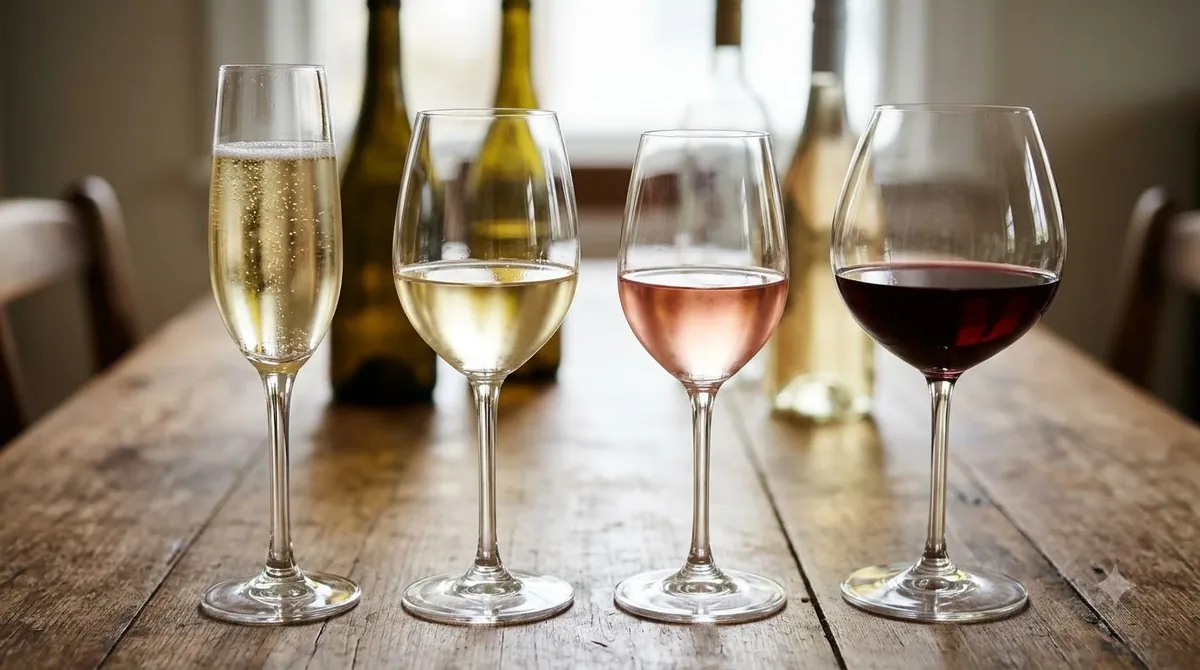
A useful tasting flight starts with a standard Franciacorta and then moves to Satèn, Rosé, and a vintage or Riserva bottling. The official minimum lees-aging periods are 18 months for standard wine, 24 months for Satèn and Rosé, 30 months for vintage wine, and 60 months for Riserva.
Standard Franciacorta
The standard style is the best reference point. Made from Chardonnay, Pinot Nero, or both, it can show lemon, pear, apple, white flowers, and fine bubbles. Lees aging may add toast, yeast, hazelnut, and dried fruit. Brut is a good first glass because its acidity and texture suit many foods.
Satèn
Satèn is the softer, creamier expression. It is made from white grapes, with Chardonnay making up at least half of the blend and Pinot Bianco permitted up to 50 percent. Its bottle pressure is limited to 5 atmospheres, below the 5-to-6-atmosphere range described for standard Franciacorta, and its minimum lees aging is 24 months. Look for a gentler mousse, a rounded feel, and flavors such as ripe apple, pear, white peach, almond, and white blossom.
Rosé
Franciacorta Rosé must contain at least 35 percent Pinot Nero, which brings color and red-fruit character; Chardonnay can add freshness. It ages on the lees for at least 24 months. Expect shades from pale salmon to deeper pink, with possible aromas of wild strawberry, raspberry, citrus peel, and pastry.
Millesimato and Riserva
Millesimato is vintage-dated, with at least 85 percent of the wine from the stated harvest, and must age on the lees for 30 months. Riserva requires 60 months minimum. Longer aging can bring more developed notes of toast, dried citrus, roasted nuts, and a lingering savory finish.
For a clear flight, pour standard Brut, Satèn, Rosé, then Millesimato or Riserva. The sequence moves from freshness to creamier texture, red fruit, and longer-aged complexity.
Grapes, Hills, and the Lake Iseo Setting
Franciacorta’s main grapes are Chardonnay and Pinot Nero, supported by Pinot Bianco and the local white grape Erbamat in permitted blends. The vineyards occupy a defined hilly area in Brescia Province around Lake Iseo, where glacial landforms, varied soils, and the lake’s moderating influence shape the growing environment.
Chardonnay brings citrus, apple, pear, and freshness. Pinot Nero adds body, structure, and red fruit, especially in Rosé. Pinot Bianco supports the blend, while late-ripening local Erbamat contributes high acidity and a relatively neutral aroma. It is permitted up to 10 percent in applicable blends, but not in Satèn.
The blend rules are specific: standard Franciacorta may use Chardonnay and/or Pinot Nero, with up to 50 percent Pinot Bianco and 10 percent Erbamat. Satèn requires at least 50 percent Chardonnay and allows up to 50 percent Pinot Bianco. Rosé requires at least 35 percent Pinot Nero; Chardonnay may make up 65 percent.
Lake Iseo lies north of the vineyards, with Brescia to the southeast. Rolling hills and moraine soils define the area, including communities such as Erbusco, Iseo, Passirano, and Provaglio d’Iseo. Visits to two wineries can show how vineyard choices and cellar practices shape different expressions. Compare this region with Alsace wine tasting, where still wines and grape identity often take a different role.
How to Taste and Serve Each Glass
Serve Franciacorta cold enough to preserve its freshness, but not so cold that its aromas disappear. A useful serving range for sparkling wine is 40 to 50 degrees Fahrenheit, and a standard 5-ounce pour gives room to assess the bubbles and aromas without warming the wine too quickly.
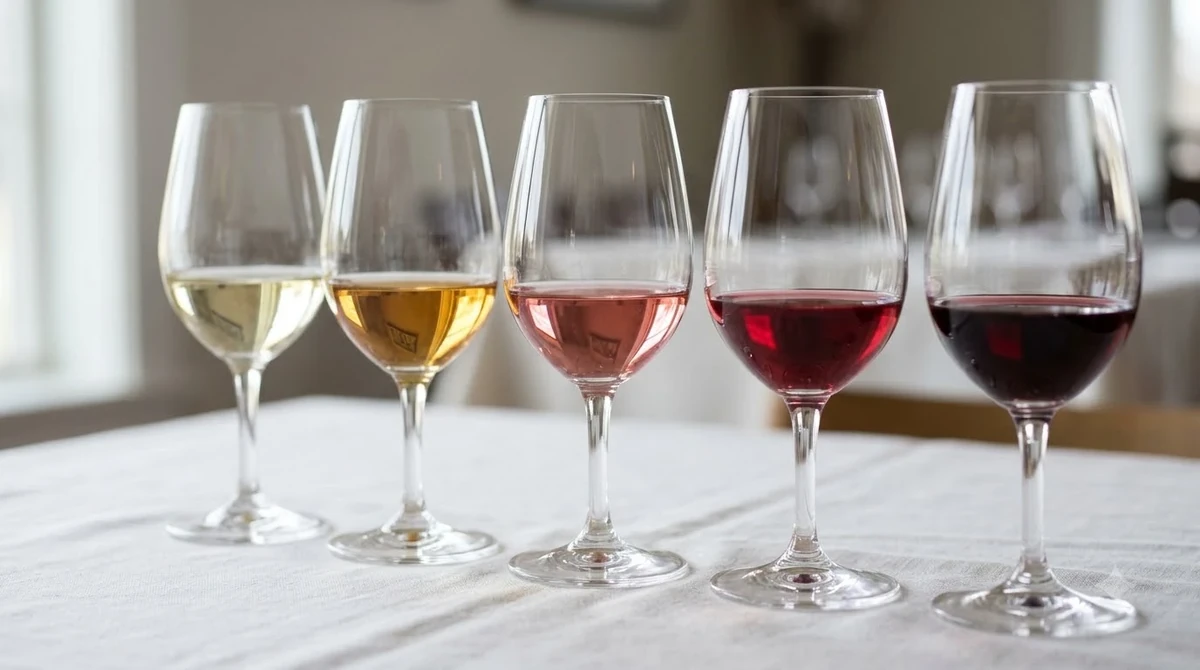
Begin with bubbles and color: pale straw, gold, or pink. Fine, persistent bubbles are characteristic, though bubble size alone does not determine quality. Then look for fruit, floral, and lees-derived aromas. Lemon, apple, pear, and white flowers suggest freshness; bread crust, biscuit, hazelnut, and dried fruit can signal bottle age.
On the palate, consider acidity, mousse, dosage, and texture. Acidity should feel lively, while bubbles add a brisk, cleansing impression. Satèn is generally softer because of its lower pressure; standard Brut can feel more energetic, and Rosé may add weight and red-berry notes.
| Style or feature | Useful benchmark | What to notice |
|---|---|---|
| Standard Franciacorta | 18 months minimum on lees | Fine bubbles, citrus, apple, toast |
| Satèn | 24 months minimum; up to 5 atmospheres | Creamier mousse, white fruit, almond |
| Rosé | 24 months minimum; at least 35% Pinot Nero | Strawberry, raspberry, savory finish |
| Millesimato | 30 months minimum; at least 85% from one vintage | Vintage character and added depth |
| Riserva | 60 months minimum on lees | Developed bread, nut, and dried-fruit notes |
A tulip-shaped sparkling-wine glass gives aromas more room than a narrow flute while keeping bubbles visible. Hold it by the stem and pour gently. For a flight, take notes on aroma, texture, and finish; comparing the same three points in each glass is more useful than naming every flavor. If one wine seems muted straight from the refrigerator, give it a few minutes in the glass and revisit the aroma. A small temperature change can make citrus, orchard fruit, and yeast notes easier to separate.
Tip: Take the first sip before eating, then taste the wine again with food. The contrast can reveal whether the wine’s acidity, dosage, or texture is the best match for the dish.
Dosage and Sweetness on the Label
Dosage describes the sugar level adjusted after disgorgement, and it can change how a Franciacorta feels with food. The driest options are Pas Dosé and Extra Brut, followed by Brut; Extra Dry, Sec, and Demi-Sec move progressively sweeter.
The names can be confusing: Extra Dry is sweeter than Brut. The consortium lists residual sugar at up to 3 grams per liter for Pas Dosé, below 6 for Extra Brut, below 12 for Brut, 12 to 17 for Extra Dry, 17 to 32 for Sec or Dry, and 33 to 50 for Demi-Sec.
Pas Dosé and Extra Brut suit very dry preferences and pair well with raw or fried fish, shellfish, and savory dishes. Brut works with cured meats, fish pasta, and medium-aged cheese. Extra Dry can suit fried foods and richer sauces, while Sec or Demi-Sec fits dishes with a mild sweetness.
The driest bottle is not always the best choice. Match dosage to preference and the meal: a very dry wine can suit raw fish, while a slightly sweeter style may work better with a fruit tart or gently sweet cheese.
Food Pairings That Suit Franciacorta
Franciacorta’s acidity and bubbles make it a natural partner for many foods, especially seafood, fried dishes, cured meats, and cheeses. Match the sweetness of the wine to the dish, and let acidity meet or exceed the acidity in foods that contain lemon, vinegar, or bright tomato.
Try Brut with Lake Iseo fish, such as tench-filled ravioli or fish pasta. Its bubbles refresh the palate, and its acidity suits freshwater fish. Pas Dosé or Extra Brut can accompany perch, pike, raw fish, and simply prepared seafood; with oily fish, crisp sparkling wine is often more comfortable than tannic red.
Brut also works with salumi, fresh cheeses, and medium-aged cheeses. Acidity and carbonation refresh the palate between bites. Compare it with Satèn alongside cured ham, mild cheese, and baked bread: Brut may feel brisker, while Satèn can seem rounder with creamy textures.
Choose Extra Dry or Sec for fried fish, richer cheese dishes, and lightly sweet recipes. Demi-Sec can accompany fruit tarts, leavened cakes, dried-fruit desserts, or mildly spicy cheeses. The wine should be at least as sweet as dessert, or it may seem thin. Very hot chili dishes are less straightforward because alcohol can intensify heat.
For a wider regional food-and-wine comparison, Bolgheri wine tasting offers a different perspective, with still reds and whites often taking a more prominent role. Another useful contrast is Willcox wine tasting, where Arizona’s grape-growing conditions lead to a different set of styles and pairings.
Planning a Winery Visit in Franciacorta
A winery visit makes the production method easier to follow. Tasting opportunities can be found around Erbusco, Passirano, Iseo, and Provaglio d’Iseo, often combining vineyard or cellar access with a guided flight.
Book directly with the producer or a regional tourism listing. Confirm the language, duration, wines, food service, and transport arrangements; some visits are appointment-only, while others set days or minimum group sizes. A listing does not guarantee walk-in access.
The Visit Lake Iseo portal describes tastings at Santus Franciacorta in Passirano, including a vineyard and cellar visit followed by wine with artisanal cured meats, cheeses, and baked goods. Its listing specifies no weekday minimum, a four-person minimum on weekends, and booking within 48 hours. Confirm details with the organizer before travel.
Other local wineries also offer guided visits by advance booking. Three or four wines are usually enough for a focused tasting: compare a standard Brut with Satèn or Rosé, then add a Millesimato or Riserva to consider longer aging. Allow time for driving, parking, and the tour itself, and arrange a designated driver or local transport before visiting several estates. Leave time for the wider landscape, too; between Lake Iseo and Brescia, the Torbiere del Sebino Nature Reserve, the Monastery of San Pietro in Lamosa, and the Abbey of San Nicola in Rodengo Saiano offer cultural or outdoor stops. The broader Wine Regions collection can help place Franciacorta among other European destinations.
Frequently Asked Questions
These answers clarify how the name, grape rules, and aging terms work on a Franciacorta label. They also address a few distinctions that can be easy to miss when comparing bottles.
Is Franciacorta considered Champagne?
No. Franciacorta is an Italian DOCG wine from Lombardy, while Champagne comes from a protected region in northeastern France. Both use bottle fermentation, but their appellations, production rules, and permitted regional identities are different. Franciacorta is also the name used for the protected wine designation, not a generic Italian term for sparkling wine.
Does every Franciacorta contain Chardonnay?
No. Standard Franciacorta can be made from Pinot Nero alone or with Chardonnay, subject to the appellation rules. The finished wine must also reach a minimum actual alcohol level of 11.5 percent by volume. Satèn is different because it must contain at least 50 percent Chardonnay, while Rosé must contain at least 35 percent Pinot Nero.
Can Satèn be vintage-dated?
Yes. The denomination recognizes Satèn Millesimato and Satèn Riserva as well as non-vintage Satèn. Satèn Millesimato is released only in the Brut taste category.
What does Millesimato mean on a Franciacorta label?
Millesimato indicates that the wine is vintage-dated and made with at least 85 percent wine from the stated harvest. The 30-month minimum lees-aging period is counted from tirage, the bottling that begins the second fermentation, rather than from the date the wine reaches a shop. The vintage designation gives tasters a way to compare harvest conditions.
Can Franciacorta be made with Erbamat?
Yes, Erbamat is a permitted local white grape in applicable Franciacorta blends, up to 10 percent. The consortium describes it as ripening more than a month after Chardonnay and the Pinot varieties. It is valued for high acidity and a relatively neutral aromatic profile, but it is not permitted in Satèn.
Franciacorta rewards a tasting that moves from classic Brut to Satèn, Rosé, and longer-aged bottles, with dosage and food pairing kept in view. Whether you are comparing bottles at home or visiting a cellar near Lake Iseo, the key is to notice how grape blend, lees aging, and sweetness shape the final glass.
More in Wine Regions
 Willcox Wine Trail: Discover Arizona’s High-Elevation Wine CountryUpdated Nov 20, 2026
 Yakima Valley Wine Region: Find the Best Styles to TryUpdated Nov 20, 2026
 Vosne Romanee Wine Tasting: Identify Aromas and Choose Better PairingsUpdated Nov 20, 2026
 Yakima Valley Wine Festival: Find the Best Seasonal Wine EventsUpdated Nov 20, 2026
 Wales Vineyards: Discover Cool-Climate Wines and Where to VisitUpdated Nov 20, 2026
 Yountville Wine Festival: Discover Napa Wines and Local FoodUpdated Nov 20, 2026