

We may earn a commission when you buy through links on this page, at no extra cost to you. Learn more.
The flowers wine price typically ranges from about $40 to $65 for standard 750 ml Sonoma Coast Chardonnay and Pinot Noir, while Flowers estate vineyard selections can cost considerably more. Flowers Vineyards & Winery specializes in cool-climate Pinot Noir and Chardonnay from California’s far Sonoma Coast. The final cost depends on the wine, vineyard designation, vintage and retailer. Understanding those differences makes it easier to choose a bottle that fits your budget without paying for a more prestigious label than you need.
Flowers occupies an interesting position in American wine shopping: its standard Sonoma Coast bottles are premium wines, but its estate selections move into a more expensive category. That distinction matters because two bottles carrying the Flowers name can have substantially different prices and serve different buying priorities. This guide explains the typical US retail ranges, what separates the wine selections, how to compare bottles and what to consider before purchasing.
Who Should Compare Flowers Wine Prices?
Flowers is worth considering for shoppers who appreciate California Pinot Noir and Chardonnay but want a more distinctive coastal expression than many inexpensive supermarket wines provide. Its wines are particularly relevant to people who enjoy Sonoma County producers and want to compare regional bottlings with individual vineyard selections.
The standard Sonoma Coast Pinot Noir and Chardonnay are sensible starting points. They represent the core wine categories associated with the producer and generally cost less than the more specialized estate selections. Someone buying a bottle for a dinner party, a wine enthusiast or a special occasion can begin with these wines before considering the higher-priced vineyard bottlings.
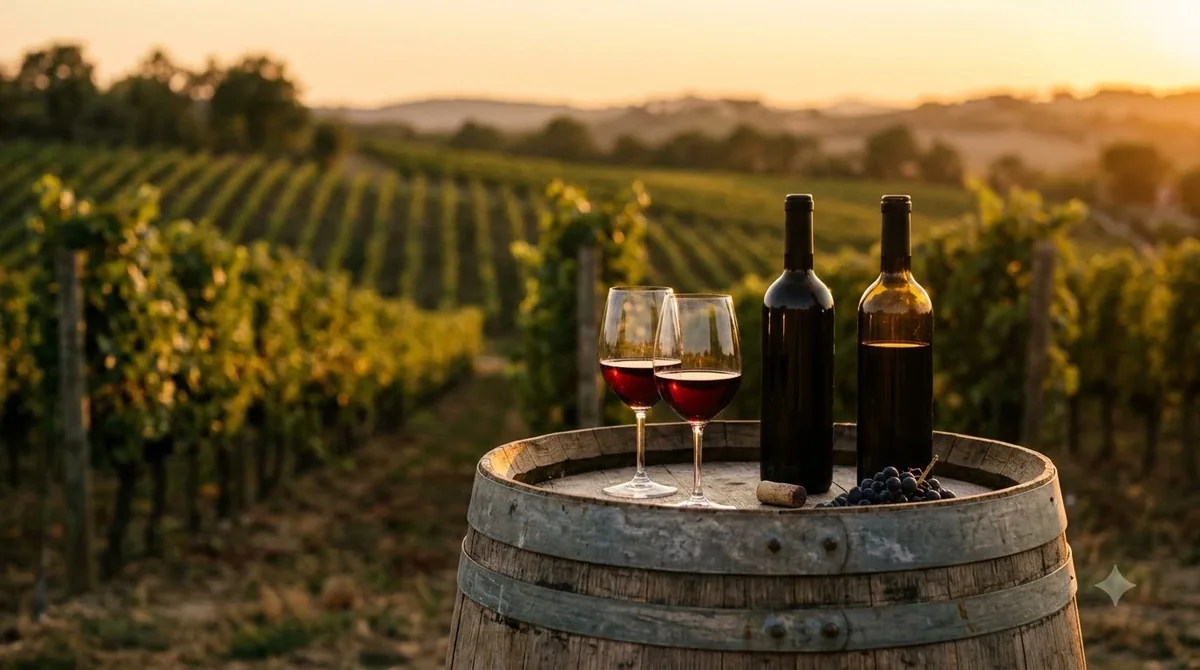
Flowers may also appeal to shoppers who enjoy exploring vineyard character. Its Camp Meeting Ridge and Sea View Ridge vineyards have distinct identities within the producer’s portfolio. A buyer interested in comparing specific vineyard expressions may find the additional expense worthwhile, particularly when the bottle is intended for a special dinner or a thoughtful gift.
However, Flowers is not the obvious choice for someone whose main requirement is an inexpensive everyday wine. A shopper looking for a simple bottle below the premium category will generally find more economical alternatives. For a broader introduction to the producer, the Flowers wine overview provides another useful starting point.
Before comparing prices, consider the occasion and the type of wine you actually enjoy. Pinot Noir offers a lighter-bodied red profile, while Chardonnay provides a white-wine alternative with orchard-fruit character and varying degrees of richness. Buying according to preference is more useful than choosing the most expensive bottle simply because it carries an estate designation.
Key Factors That Determine Flowers Wine Price
Flowers prices depend primarily on the wine category, vineyard designation, vintage and retailer. The standard Sonoma Coast bottlings generally occupy a more accessible premium tier, while individually designated estate wines command higher retail ranges.
Standard Sonoma Coast bottlings
The Sonoma Coast Pinot Noir and Chardonnay are the logical reference points for understanding the producer’s pricing. They offer an introduction to the winery’s coastal style without requiring shoppers to begin with its most specialized selections.
For the 2023 Sonoma Coast Pinot Noir, Caveau reports a typical US retail range of approximately $45 to $65 per 750 ml bottle, based on observed shop listings. Wine.com and other retailers also list Flowers Sonoma Coast Pinot Noir among the producer’s main selections. The precise amount varies with vintage availability and retailer inventory.
For Flowers Sonoma Coast Chardonnay, WineDeals lists a 2024 bottle with a retailer comparison range of approximately $40 to $50, while Hi-Time Wine Cellars provides another retail reference for the same wine. These retailer observations illustrate why shoppers should compare several listings rather than assume every store charges the same amount.
Vineyard designation
A vineyard-designated Flowers wine is a different purchasing proposition from a standard Sonoma Coast bottling. Camp Meeting Ridge and Sea View Ridge are named estate vineyards, and their individual bottlings occupy a higher part of the portfolio.
Wine.com lists the 2024 Camp Meeting Ridge Chardonnay in an approximate $97 to $115 retail range. Its Sea View Ridge Estate Pinot Noir appears in a higher tier, around $111 to $113 in the retailer’s displayed listing range. These are premium selections rather than the normal starting point for someone exploring Flowers for the first time.
Vintage and retailer availability
Vintage differences can affect availability and retail prices. A recently released bottle may be widely distributed, while an older vintage or a limited vineyard selection may appear at fewer retailers. That scarcity can influence the asking range even when the bottle belongs to the same general wine category.
Retailers also have different shipping arrangements, inventory levels and state distribution restrictions. A bottle listed at one store may not be available for delivery to another state. Comparing the final purchase conditions matters as much as comparing the displayed bottle price.
| Flowers wine category | Typical US retail range | Buying position |
|---|---|---|
| Sonoma Coast Chardonnay | About $40-$50 | Standard premium white |
| Sonoma Coast Pinot Noir | About $45-$65 | Standard premium red |
| Camp Meeting Ridge Chardonnay | About $97-$115 | Premium estate selection |
| Sea View Ridge Estate Pinot Noir | About $111-$113 | Premium vineyard selection |
These are indicative US retail ranges drawn from observed listings at WineDeals, Caveau and Wine.com, rather than guaranteed winery prices. The Pinot Noir and Chardonnay figures refer to different vintages and listing observations, and prices vary by state and retailer. They are useful shopping benchmarks, not fixed price commitments.
One additional factor is bottle size. Most comparisons involve a standard 750 ml bottle, so a larger format should not be compared directly with a standard bottle without adjusting for volume. A magnum contains 1.5 liters, or twice the wine in a standard bottle, and can have a different per-bottle price structure.
Step-by-Step: How to Find the Right Flowers Bottle
A good purchase starts with the wine style, not the most impressive price tag. Following a few simple steps helps shoppers identify the right Flowers selection and avoid spending more than necessary.
-
Choose between red and white.
Decide whether Pinot Noir or Chardonnay better suits the occasion. Pinot Noir is a good starting point for someone who likes red fruit, moderate body and softer tannins. Chardonnay is more suitable for shoppers who prefer a white wine with citrus, orchard fruit and a textured finish. -
Start with the Sonoma Coast category.
Look for the standard Sonoma Coast Pinot Noir or Chardonnay before considering estate-designated bottles. These wines provide a useful reference for the producer’s style and its usual retail position. -
Set a realistic spending range.
Use approximately $40 to $65 as a practical starting budget for the standard selections. If the budget extends beyond $90, compare the Camp Meeting Ridge and Sea View Ridge options and decide whether a specific vineyard designation is important to the purchase. -
Compare the same wine and vintage.
A 2023 Pinot Noir should be compared with another listing of the 2023 Pinot Noir, not automatically with a different vintage or a vineyard-specific selection. This keeps the comparison meaningful. -
Check the bottle format and availability.
Confirm that the listing is for 750 ml rather than a larger format. Also verify that the retailer ships to the intended state and has the selected vintage available. -
Consider the occasion.
A standard Sonoma Coast bottle may be sufficient for a casual dinner, while an estate selection can be more appropriate for a collector or a special gift. The higher price should correspond to a genuine preference for that particular wine. -
Compare the complete purchase cost.
Review shipping charges, applicable taxes and any delivery requirements before completing the purchase. A lower advertised bottle price does not always mean a lower total order cost.
Tip: Compare at least three retailer listings for the same Flowers wine and vintage before purchasing. Use the same bottle size in every comparison, and pay particular attention to whether the displayed amount is a normal retail listing or a temporary retailer-specific offer.
This approach is especially useful for shoppers who are new to the producer. It prevents a common mistake: comparing the standard Sonoma Coast Chardonnay with a premium estate Pinot Noir and assuming the price difference represents a simple difference in grape quality.
For a wider look at wine producers and their different price categories, the Wine Brands section can help place Flowers alongside other producers in the American wine market.
Flowers Wine Types and Styles Explained
Flowers focuses on two principal grapes, Pinot Noir and Chardonnay, with the standard Sonoma Coast bottlings providing the clearest introduction. Its estate selections offer another level of vineyard-specific expression for shoppers interested in more specialized wines.
Flowers Sonoma Coast Pinot Noir
Pinot Noir is the main red-wine category to consider in the Flowers portfolio. It is generally a lighter-bodied red grape with low-to-medium tannin and relatively high acidity. That combination makes it useful for shoppers who want a red wine that does not feel as forceful as Cabernet Sauvignon or a highly structured Syrah.
The Sonoma Coast designation is a useful starting point for someone who enjoys red cherry, raspberry and savory notes. It can work with roasted poultry, mushroom dishes, pork and grilled salmon. Because Pinot Noir generally has softer tannins, it can also be easier to pair with food than a more tannic red wine.
For buyers who want to spend more, Sea View Ridge Estate Pinot Noir represents a vineyard-designated option. It belongs to a substantially higher retail tier than the standard Sonoma Coast bottling, so it makes the most sense for someone specifically interested in that selection rather than simply looking for a bottle carrying the Flowers name.
Flowers Sonoma Coast Chardonnay
Chardonnay is the main white-wine option. Flowers describes its overall style as elegant and balanced, with coastal freshness and minerality. WineDeals’ description of its 2024 Sonoma Coast Chardonnay includes citrus blossom, green apple, pear and subtle coastal character.
Chardonnay generally has medium acidity, giving it a different structure from highly acidic Sauvignon Blanc or Riesling. This makes it versatile with roasted chicken, seafood, creamy pasta and richer vegetable dishes. A Chardonnay with refreshing acidity can also work particularly well with shellfish and buttery sauces.
The standard Sonoma Coast Chardonnay is the more practical entry point. Shoppers interested in a more specialized bottle can consider Camp Meeting Ridge Chardonnay, which is a separately identified estate selection and commands a considerably higher retail range.
Estate and vineyard-designated wines
Camp Meeting Ridge and Sea View Ridge are important names for understanding the upper end of the Flowers portfolio. Wine.com identifies both as estate vineyards situated on elevated coastal ridges. The vineyards are approximately 1,150 to 1,875 feet above sea level, with the Pacific Ocean less than two miles away.
The location helps explain the winery’s emphasis on coastal conditions. Fog and cool ocean breezes influence the growing environment, while elevation contributes to the vineyards’ exposure and growing conditions. These geographical details are central to the producer’s identity.
For a first purchase, the standard Sonoma Coast wine is generally the sensible choice. Estate wines are better considered when the buyer has already developed an interest in the producer and wants to explore the vineyard distinctions that justify their higher retail position.
Common Mistakes When Comparing Flowers Wine Prices
Many price comparisons become misleading because shoppers treat all Flowers bottles as interchangeable. The producer’s standard wines and vineyard-specific selections occupy different categories, so a useful comparison must account for more than the winery name.
Comparing different vineyard selections
One of the biggest mistakes is comparing Sonoma Coast Pinot Noir directly with Sea View Ridge Estate Pinot Noir as though they were identical products. Both are Pinot Noir wines from Flowers, but the vineyard designation identifies a more specific selection. Their retail prices should be evaluated separately.
The same principle applies to Chardonnay. A standard Sonoma Coast Chardonnay is not the same purchasing proposition as Camp Meeting Ridge Chardonnay. Someone simply looking for a bottle of Flowers white wine may not need to pay for the more specialized estate selection.
Assuming every vintage costs the same
Another mistake is expecting a fixed price across all vintages. Retail availability changes, and older bottles can become harder to find. A shopper comparing a 2022 bottle with a 2024 release should account for the vintage difference instead of treating the price gap as a direct reflection of quality.
Ignoring bottle size
A 750 ml bottle and a 1.5-liter magnum are not equivalent purchases. A larger bottle may cost more overall while offering more wine per purchase. The cost per 750 ml equivalent is a better comparison when formats differ.
Buying the most expensive selection automatically
Higher retail pricing does not mean every shopper will prefer an estate selection. A standard Sonoma Coast bottle may be more suitable for someone who wants an accessible introduction to Flowers. Spending substantially more makes sense when the buyer values the specific vineyard expression or wants that bottle for a particular occasion.
Forgetting retailer restrictions
Wine shipping rules vary by state, and some retailers serve only selected destinations. A bottle may appear available online but be unavailable for delivery to the buyer’s address. Confirm shipping eligibility before making a purchase decision.
Shoppers should also be careful about confusing winery membership benefits with normal retail pricing. Flowers offers members access to limited-production wines and special experiences, but those benefits are not necessarily available through every retail store.
Flowers Wine Care and Storage Tips
Proper storage and serving temperature help preserve the qualities that make a premium wine enjoyable. Flowers Pinot Noir and Chardonnay benefit from careful temperature control, protection from direct light and sensible storage after opening.
Storing unopened bottles
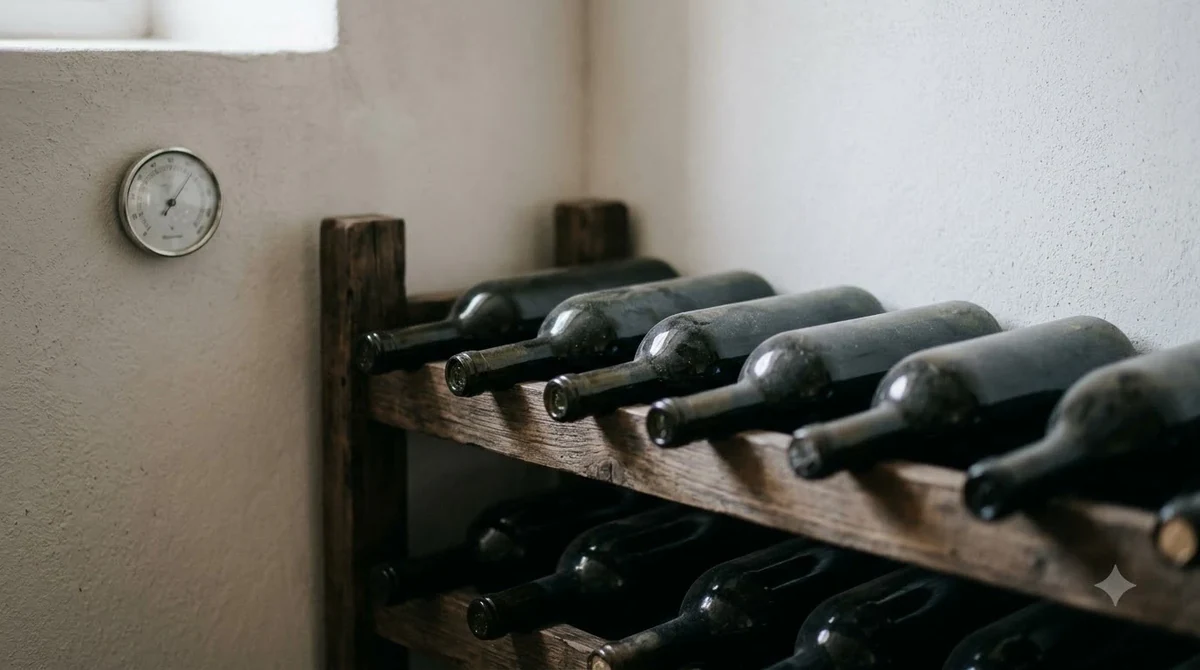
Store unopened Flowers bottles on their sides in a cool, dark location near 55°F. A consistent temperature is more important than frequent changes between warm and cold conditions. Avoid placing bottles near an oven, heating vent, sunny window or other source of temperature fluctuation.
For someone purchasing several bottles, a wine refrigerator can provide more consistent conditions than a kitchen cupboard. Keep the bottles away from strong vibrations and direct sunlight. A stable storage environment is especially important if the intention is to hold a bottle for a future occasion.
Serving Pinot Noir
Light-bodied reds such as Pinot Noir generally show well at 55-60°F. Serving the wine slightly cooler than ordinary room temperature helps retain freshness and keeps the alcohol from dominating its fruit character.
Pour approximately 5 ounces per glass. A standard 750 ml bottle provides about five such servings. Young, fuller-bodied red wines can benefit from 30-60 minutes of decanting, although a lighter Pinot Noir does not automatically require that treatment.
Serving Chardonnay
Flowers Chardonnay is best approached as a full-flavored white wine rather than an extremely cold, simple aperitif. A serving temperature of 50-55°F provides a useful starting point for a more textured Chardonnay. Very cold serving conditions can make the aromas and flavors less expressive.
Allow the wine a few minutes in the glass to open up. A standard white wine glass or a slightly larger tulip-shaped glass is suitable for presenting the wine’s aromas.
Storing opened bottles
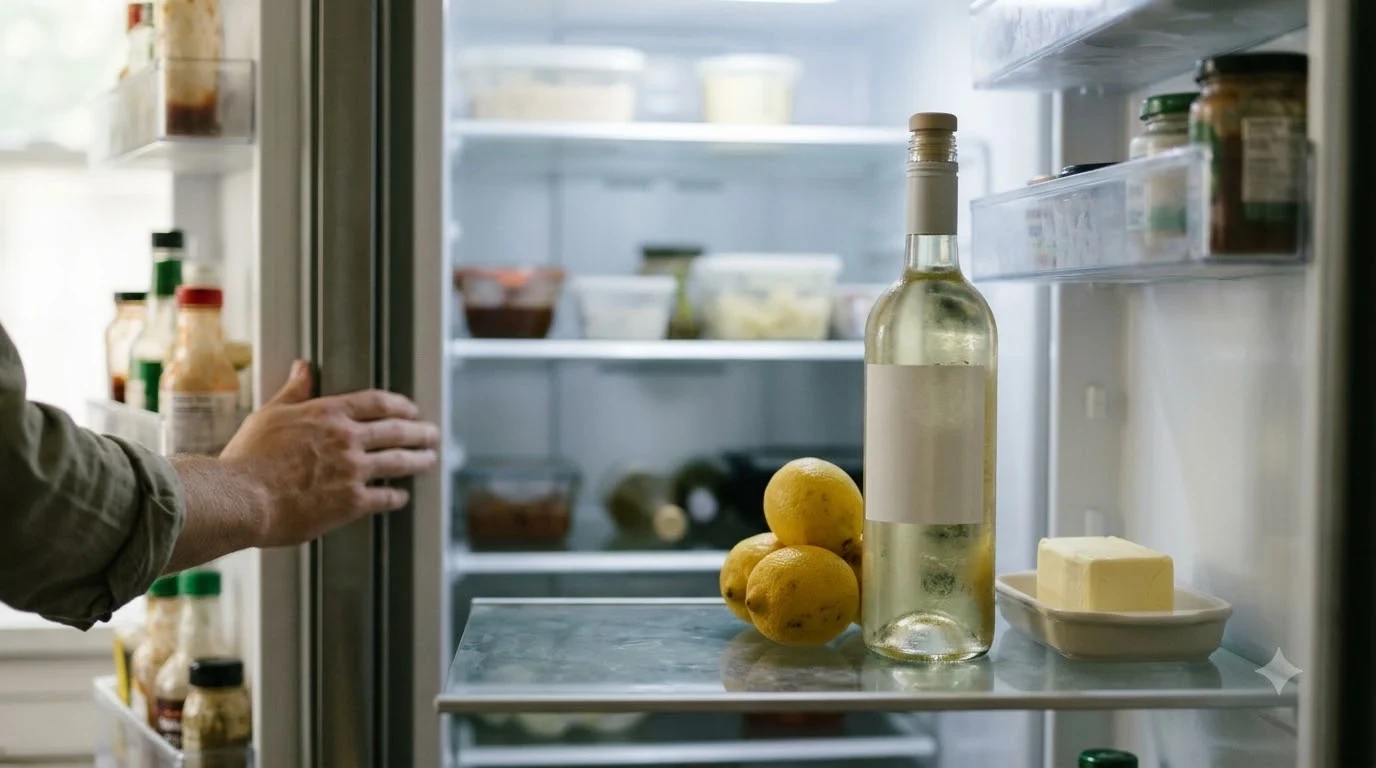
Once opened, reseal still wine and refrigerate it. Most opened still wines retain their best qualities for approximately 3-5 days, although their condition can change depending on how much air remains in the bottle and how they are stored.
For a bottle of Flowers Chardonnay or Pinot Noir that will not be finished at dinner, a reliable wine stopper is a practical accessory. Keep the bottle refrigerated between servings and allow the red wine to warm slightly before pouring another glass.
These simple habits help protect a premium purchase. Good storage cannot guarantee that a wine will improve with age, but it can reduce unnecessary deterioration caused by heat, light and excessive oxygen exposure.
Frequently Asked Questions
Is Flowers wine considered a luxury wine?
Flowers is generally positioned in the premium California wine category, with its estate selections occupying a more expensive segment. Its standard Sonoma Coast wines are more accessible than its vineyard-designated releases. The winery’s focus on coastal vineyards and specialized Pinot Noir and Chardonnay production contributes to its premium identity.
Where is Flowers Vineyards & Winery located?
Flowers welcomes visitors at House of Flowers in Healdsburg, California. The winery’s vineyards are associated with the far Sonoma Coast and Fort Ross-Seaview AVA. Its visitor experience requires advance reservations, according to the winery’s official visitor information.
Does Flowers produce wine other than Pinot Noir and Chardonnay?
The winery’s principal focus is Pinot Noir and Chardonnay, which form the core of its public-facing portfolio. These are the varieties most closely associated with its coastal vineyards. Shoppers looking for Cabernet Sauvignon or Zinfandel should not assume those are standard Flowers offerings.
What is the difference between Sonoma Coast and Fort Ross-Seaview?
Sonoma Coast is a broad California wine appellation, while Fort Ross-Seaview is a more specific American Viticultural Area within the broader coastal wine region. The Fort Ross-Seaview AVA was established in 2012. Its location on the western edge of Sonoma Coast gives it a distinctive geographical identity.
Can Flowers wine be purchased directly from the winery?
Flowers provides an official wine acquisition section and offers membership access to limited-production wines. Its membership program also includes invitations to estate celebrations and experiences at House of Flowers. Availability and purchasing arrangements depend on the specific wine and the winery’s current offerings.
Flowers is best approached as a premium Sonoma Coast producer whose standard Pinot Noir and Chardonnay offer the most practical starting points. The estate selections provide another level of vineyard-specific interest, but their higher prices make them more appropriate for buyers with a particular interest in those wines. Compare the same vintage and bottle size across retailers, consider the occasion and choose the Flowers bottle that matches your preferences rather than automatically selecting the most expensive option.
For shoppers exploring the wider wine market, comparing Flowers with other California producers and accessible alternatives can provide a clearer sense of where its wines fit. The right purchase is the bottle that delivers the style and experience you want at a price you are comfortable paying.
Visit the official Flowers Vineyards & Winery website to explore its wines, membership information and visitor experiences. For current retail comparisons, browse Flowers wines at Wine.com.
More in Wine Brands
 Louis Latour Wine Price: Compare Bottles by Style and TierUpdated Nov 20, 2026
 Yellow Tail Moscato Price: What to Expect Before You BuyUpdated Nov 20, 2026
 Sutter Home Sweet Red Review: Find the Right Food PairingsUpdated Nov 20, 2026
 Franzia Chillable Red Review: Find the Right Serving StyleUpdated Nov 20, 2026
 Veuve Clicquot Rose Review: Flavor, Food Pairings and Buying AdviceUpdated Nov 20, 2026
 Rombauer Wine Price: Compare Bottles Before You BuyUpdated Nov 20, 2026