

We may earn a commission when you buy through links on this page, at no extra cost to you. Learn more.
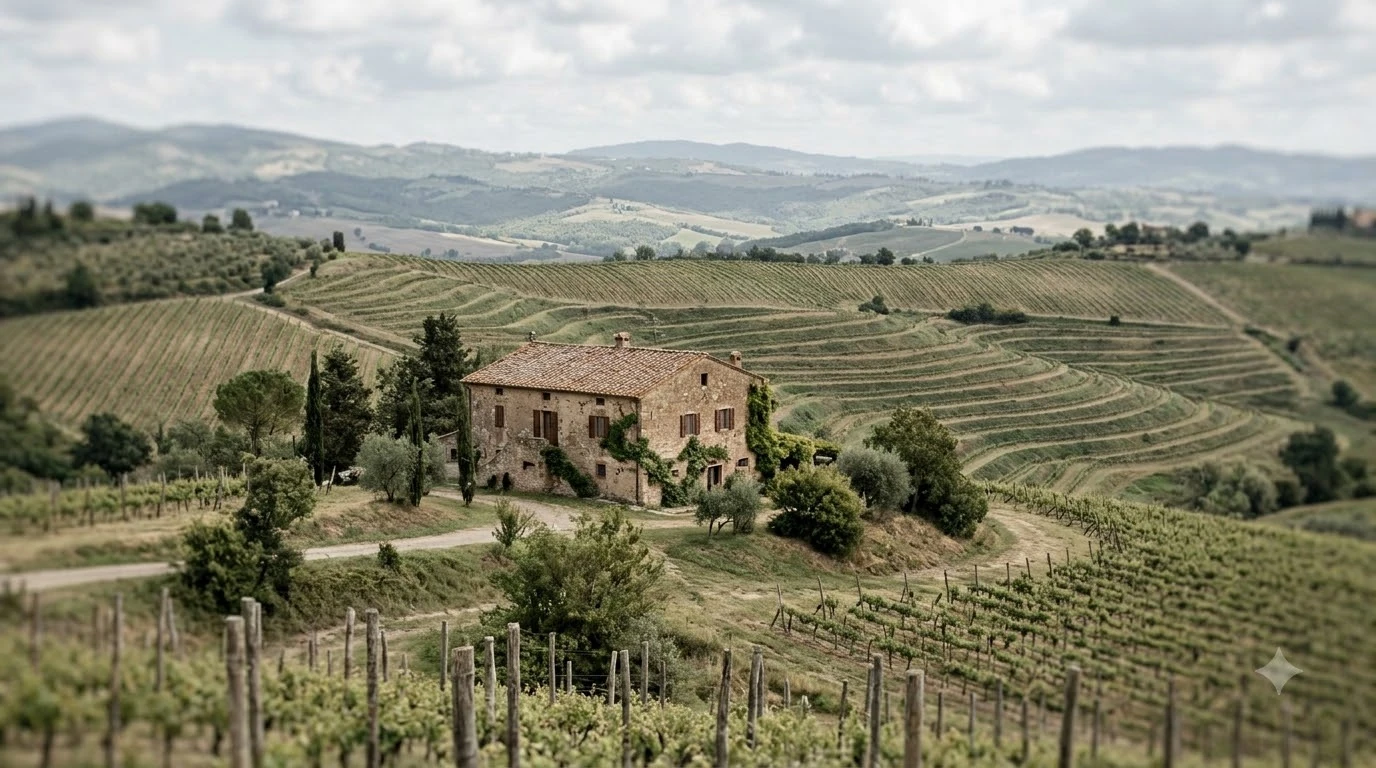
The florida wine region is best known for its native muscadine grapes, distinctive fruit wines, and vineyards adapted to the state’s hot, humid subtropical climate. Unlike California or Oregon, Florida relies heavily on grapes native to the southeastern United States rather than traditional European wine varieties. Its wine culture combines centuries of history, university-led grape research, and small wineries producing sweet, dry, red, white, and specialty wines.
Florida might be more famous for citrus groves, beaches, and tropical fruit than vineyards, but the state has a genuine winemaking tradition. From the historic settlements around St. Augustine to the vineyards of northern Florida and the tasting rooms near Clermont and Fort Pierce, local producers have developed an identity that reflects the state’s agricultural conditions. Understanding the grapes, growing areas, wine styles, and producers makes it easier to appreciate what Florida brings to American wine.
Florida’s Winemaking History and Regional Identity
Florida has one of the oldest recorded winemaking histories in North America. Its early wine culture developed around native grapes, Spanish settlement, and later agricultural experimentation, rather than the European varieties that dominate many American wine regions.
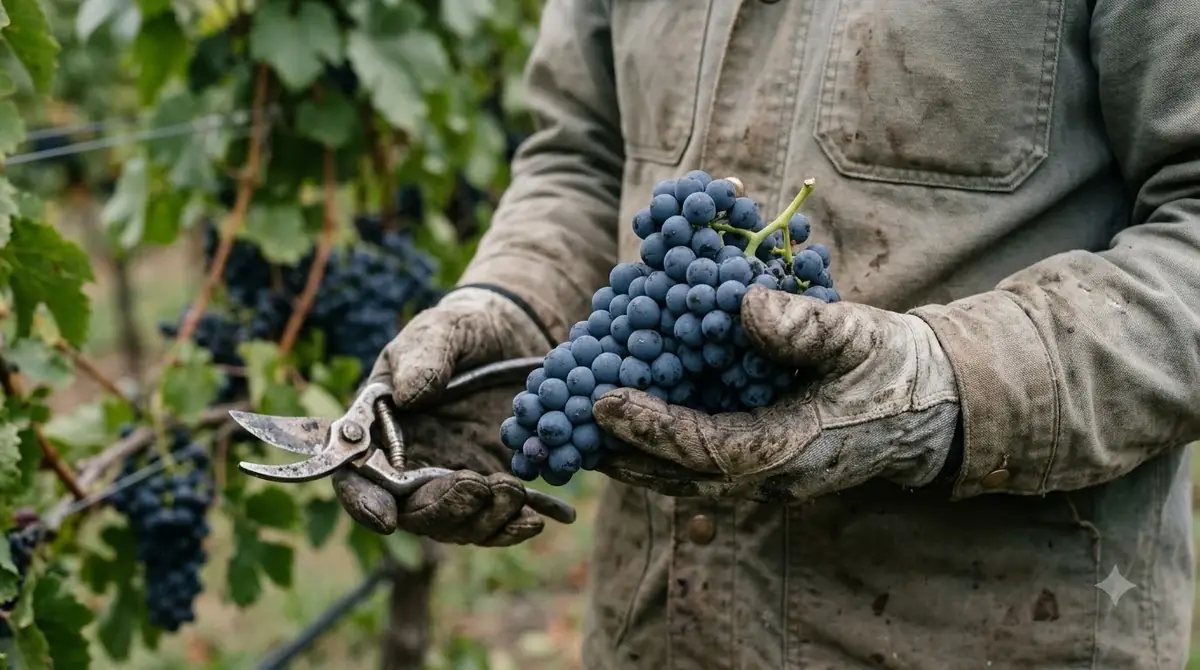
Historical accounts place early European winemaking activity in the area around present-day Jacksonville and St. Augustine during the 1560s. Wine Enthusiast discusses reports of French Huguenot winemaking near Fort Caroline in 1564 and Spanish activity around St. Augustine in 1565. These accounts help explain why Florida has such a long relationship with wine, even though commercial production developed differently from that in California and other major wine states.
Spanish settlers encountered native muscadine vines growing in Florida’s landscape. They harvested the grapes and applied familiar winemaking traditions to the local fruit. Muscadines eventually became central to the state’s wine identity because they were better adapted to regional conditions than many imported European grapes.
Commercial grape growing encountered serious difficulties during the twentieth century. European grape varieties and other traditional bunch grapes struggled with Florida’s climate and disease pressures. Pierce’s disease, a bacterial disease spread by insect vectors, became a particularly important obstacle. Muscadines offered a more practical alternative because their natural characteristics made them better suited to the Southeast.
Research and organized grower support helped move the industry forward. The Florida Grape Growers Association was established in 1923 to support research and grape production. Florida Agricultural and Mechanical University and the University of Florida subsequently contributed to cultivar development, viticulture education, and production research.
The state’s modern wine identity also extends beyond grapes. Some producers work with blueberries and other Florida-grown agricultural products, creating wines that reflect the state’s broader fruit-growing economy. This diversity makes Florida different from regions where wine production is closely associated with a relatively narrow selection of traditional grape varieties.
For a broader understanding of how American wine regions developed around local climates and agricultural traditions, explore our overview of Wine Regions.
Climate, Geography, and Florida’s Growing Conditions
Florida’s subtropical climate creates opportunities for certain native grapes while making conventional European viticulture difficult. Heat, humidity, rainfall, soil conditions, and the length of the dormant season all influence which grapes can produce dependable crops.
Florida experiences long, warm growing seasons, with high humidity and substantial rainfall in many areas. These conditions can encourage fungal diseases and create challenges for grape varieties with relatively delicate skins. Muscadines have thicker skins and stronger natural resistance to several common vineyard problems, making them a practical choice for local growers.
According to UF/IFAS, muscadines are native to the southeastern United States and are particularly well adapted to warm, humid conditions. Their natural range extends from Delaware to central Florida, across the Gulf Coast to eastern Texas, and northward along the Mississippi River to Missouri. This broad regional distribution helps explain their importance to Florida agriculture.
Most of Florida’s commercial wine grapes are grown in the northern part of the state. Smaller vineyard operations also exist in central Florida, where producers work with locally adapted grapes and other agricultural ingredients.
South Florida presents additional challenges. The area south of Lake Okeechobee generally does not provide the same seasonal temperature changes that muscadines need to complete their dormant cycle and fruit reliably. Although vines may grow farther south, successful fruit production becomes more difficult.
Soil selection matters, too. UF/IFAS notes that muscadines generally perform well across Florida, but calcareous soils and poorly drained locations can restrict vine performance. Good drainage is particularly important because excessive soil moisture can create additional production problems.
Florida also differs from established American wine destinations in its geographic classification. It does not have an American Viticultural Area (AVA) or a formally defined statewide viticultural region. Consequently, Florida wine is better understood through its individual growing areas, producers, and grape varieties than through a single recognized appellation.
The comparison with cooler or drier destinations is instructive. The Tasmania wine region, for example, is associated with cool-climate varieties and sparkling wine production, while Florida’s warm conditions favor a different agricultural approach.
Muscadine Grapes and Other Florida Wine Varieties
Muscadine is the defining grape of Florida winemaking. Its thick skin, distinctive aroma, and adaptability to southeastern growing conditions make it more important locally than Cabernet Sauvignon, Chardonnay, or Pinot Noir.
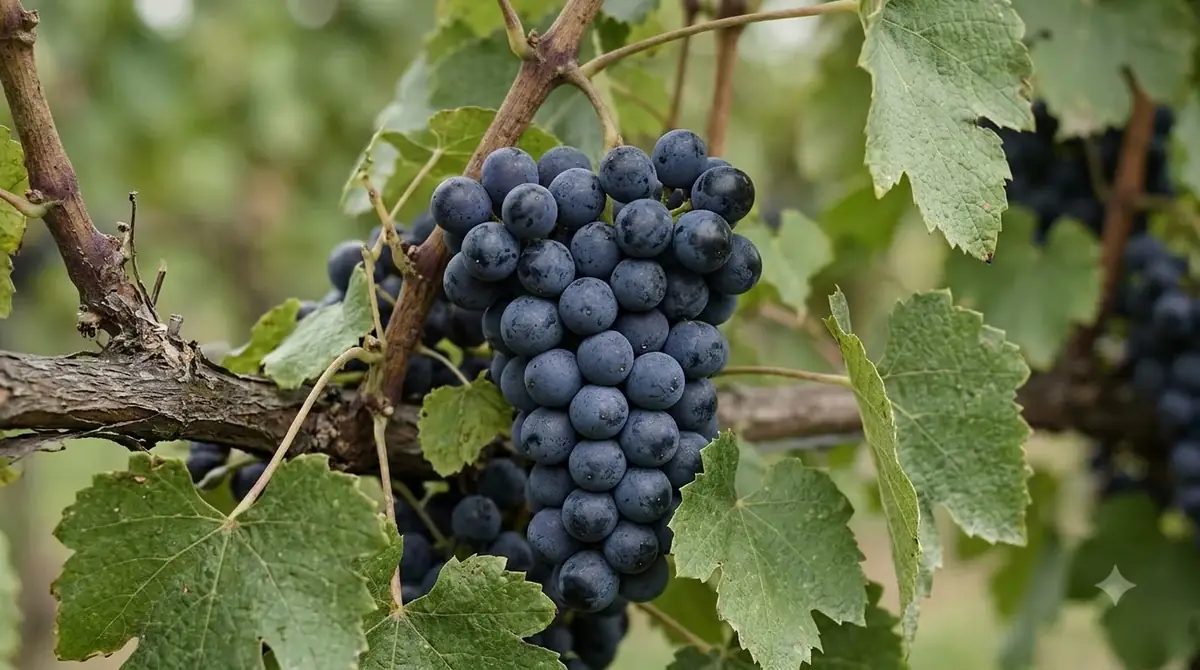
Muscadine is botanically classified as Muscadinia rotundifolia, rather than as a conventional European wine grape in the Vitis vinifera group. Its berries grow individually in clusters rather than in the tightly packed bunches typical of many familiar wine grapes. The fruit also has a firm, leathery skin and relatively large seeds.
Florida’s commercial muscadine varieties include bronze, red, and dark purple types. Bronze varieties lack anthocyanin pigments, while red and purple varieties contain these pigments. These differences influence the appearance of the grapes and can contribute to the color characteristics of finished wines.
Important muscadine cultivars
Several cultivars have become important for Florida vineyards and wine production. Their differences in sweetness, berry size, harvest timing, and processing suitability give growers options for different agricultural and winemaking goals.
- Carlos: A bronze, self-fertile muscadine widely used for white wine and juice. UF/IFAS reports an average berry weight of approximately 6 grams and soluble solids around 14%.
- Noble: A dark purple-to-black variety used extensively for red wine and juice. Its berries average approximately 3 grams, with soluble solids around 17% in the UF/IFAS evaluation.
- Alachua: A self-fertile black muscadine with medium-sized berries, averaging approximately 6 grams. It is among the cultivars used in Florida’s processing industry.
- Hall: A bronze variety with medium-to-large berries averaging approximately 10 grams and soluble solids around 15%.
- Triumph: A bronze, self-fertile variety with berries averaging approximately 9 grams and soluble solids around 16%.
- Southern Home: A Florida-developed hybrid between bunch grapes and muscadines, offering an alternative to conventional muscadine varieties.
The following figures come from UF/IFAS cultivar evaluations conducted at its Plant Science Research and Education Unit in Citra, Florida. They describe representative growing characteristics rather than guaranteed measurements for every vineyard.
| Grape variety | Typical berry weight | Soluble solids | Primary characteristics |
|---|---|---|---|
| Hall | 10 g | 15% | Bronze, early-season |
| Triumph | 9 g | 16% | Bronze, early- to mid-season |
| Gold Delight | 15 g | 15% | Bronze, large berries |
| Noble | 3 g | 17% | Dark purple, wine and juice |
| Carlos | 6 g | 14% | Bronze, wine and juice |
| Supreme | 16 g | 15–16% | Dark purple, fresh market |
| Paulk | 15 g | 16–17% | Dark purple, productive |
| Alachua | 6 g | 15% | Black, self-fertile |
Harvest timing also varies among cultivars. In the Citra evaluations, early-season varieties began ripening around the third week of July, while late-season varieties reached their first harvest around the third week of August. This variation gives growers opportunities to extend the harvest period by planting different cultivars.
Another important characteristic is flower type. Self-fertile varieties have flowers containing both male and female reproductive structures. UF/IFAS reports that these varieties can produce approximately 40% to 50% higher yields than female-flowered varieties under the conditions described in its research. Female-flowered cultivars need suitable pollinizer vines nearby for reliable fruit production.
Florida also has a smaller but interesting selection of hybrid bunch grapes. These varieties are part of ongoing efforts to produce grapes with better adaptation to local disease and climate pressures. They help diversify the state’s production beyond muscadine without assuming that conventional European varieties will thrive in every location.
Florida Wine Styles, Flavors, and Sweetness
Florida wines range from sweet, fruit-forward muscadine bottlings to drier reds, whites, rosés, and specialty fruit wines. Muscadine remains the best-known category, but its flavor and sweetness vary considerably between producers and grape varieties.
Many traditional muscadine wines have pronounced fruit aromas and flavors. Bronze varieties such as Carlos are commonly associated with white wine production, while darker cultivars such as Noble are important for red wines. Some bottlings emphasize fresh grape character, while others are made in sweeter styles that appeal to consumers who prefer approachable fruit-driven wines.
However, not every Florida muscadine wine is sweet. Wine Enthusiast describes muscadine wines as ranging from dry to sweet and from medium-bodied to full-bodied. Rosé, red, and white versions are all possible, depending on the grapes, fermentation decisions, and the producer’s intended style.
Sweetness is an important consideration when choosing a bottle. Consumers familiar with dry European wines may find traditional sweet muscadine styles noticeably different. Rather than assuming that every bottle has the same profile, consider whether the wine is labeled dry, off-dry, sweet, or dessert-style.
Fruit wines beyond grapes
Florida’s agricultural diversity has encouraged producers to experiment with wines made from fruits other than grapes. Blueberries, oranges, and tropical fruits appear in the state’s broader specialty-wine scene.
Blueberry wines can emphasize ripe berry aromas and flavors, while citrus-based wines offer a different expression of Florida’s agricultural identity. Mango and other tropical fruit wines can also be found among specialty producers. These beverages should be considered fruit wines rather than conventional grape wines because their principal fermented ingredients differ.
For wine enthusiasts, this variety offers an opportunity to explore regional ingredients rather than comparing every Florida bottle directly with a Bordeaux or Burgundy. The state’s producers are working with crops that suit their local conditions and consumer traditions.
Florida also has fortified and dessert-style muscadine wines. These can provide richer fruit flavors and greater perceived sweetness than everyday table wines. They are especially useful when paired with desserts that have comparable or greater sweetness.
Freshness rather than long-term cellaring
Most Florida muscadine wines are intended to be enjoyed relatively young. Wine Enthusiast reports that producers recommend consuming these wines within approximately three years of bottling to preserve their fresh, fruity character.
This is a useful distinction for consumers accustomed to collecting Cabernet Sauvignon, Bordeaux blends, or age-worthy Burgundy. Florida’s signature muscadine styles are generally better appreciated for their immediate fruit expression than for extended bottle development.
Serve chilled styles at approximately 45–50 F for light whites and rosés, and 40–50 F for sparkling wines. Sweeter white wines are enjoyable around 43–50 F. Chilling can make fruit-forward wines feel fresher and more balanced.
Florida’s Wine Areas and Notable Wineries
Florida’s wineries are spread across the state rather than concentrated in one continuous vineyard corridor. Northern and central Florida provide important growing areas, while other producers combine wine production with tourism, fruit farming, restaurants, and entertainment.
Because there is no statewide AVA, individual winery locations provide a useful starting point for understanding Florida wine country. The state’s Department of Agriculture maintains a directory of Certified Florida Farm Wineries, including producers that grow grapes or other fruit for their wines and offer visitor experiences.
DeFuniak Springs and the Panhandle
Chautauqua Vineyards & Winery is located in DeFuniak Springs in the Florida Panhandle. Its location makes it a useful destination for visitors exploring northwestern Florida and the state’s agricultural history.
The Panhandle’s growing conditions are different from those in the subtropical south. Its seasonal temperature changes provide a different environment for grape production, and its vineyards form part of the state’s broader northern wine-growing landscape.
Clermont and Central Florida
Lakeridge Winery & Vineyards in Clermont is one of Florida’s recognizable winery destinations. Its location makes it accessible to visitors staying in the greater Orlando area. Wine tourism here combines tastings, vineyard views, and opportunities to learn about local production.
San Sebastian Winery in St. Augustine offers another important stop. Its location in the historic city connects Florida wine with the region’s long history of European settlement. Wine Enthusiast notes that San Sebastian and Lakeridge share winemaking operations, with Lakeridge supplying wines to both wineries except for San Sebastian’s Port.
Fort Pierce and the Atlantic Coast
Summer Crush Vineyard & Winery in Fort Pierce offers a combination of Florida wine and outdoor entertainment. The winery has been associated with muscadine wines and events that include live music and other recreational activities.
Fort Pierce is a useful example of how Florida wineries can function as visitor destinations rather than solely as production facilities. The setting and activities are part of the experience, alongside the opportunity to taste locally produced wines.
Other Florida producers
Additional producers listed by the Florida Department of Agriculture include Congaree and Penn in Jacksonville, Island Grove Wine Company in Hawthorne, Keel & Curley Winery in Plant City, and Schnebly Redland’s Winery in Homestead.
These wineries illustrate the variety of the state’s production landscape. Some focus more closely on grape growing, while others incorporate fruit wines, agricultural experiences, or hospitality activities.
Before visiting, confirm tasting availability, tour schedules, age requirements, and seasonal events directly with the winery. Florida’s producers are geographically dispersed, so planning a visit around nearby attractions and accommodations is often more practical than expecting a compact, walkable wine trail.
Food Pairings and Serving Florida Wines
Florida wines are particularly interesting with regional Southern cooking, seafood, fresh fruit, and desserts. The best pairing depends on sweetness, acidity, tannin, and body rather than simply matching the wine’s color with the food.
Sweet muscadine wines pair naturally with fruit-based desserts, peach cobbler, berry tarts, and lightly spiced cakes. The wine should be at least as sweet as the dessert; otherwise, the dessert can make the wine seem thin or excessively tart.
Dry or off-dry muscadine whites work well with grilled shrimp, mild fish, chicken, and salads with fruit-based dressings. Their refreshing character can complement lighter dishes without overpowering delicate flavors.
Red muscadine wines can accompany barbecue, roasted pork, and dishes with a touch of sweetness. Their fruit character can work well with smoky flavors and savory sauces. However, particularly sweet barbecue sauces are best matched with wines that have comparable sweetness.
Pairing ideas by wine style
- Sweet white muscadine: Pair with peach cobbler, fresh strawberries, fruit tarts, and mild cheeses.
- Dry white muscadine: Serve with grilled shrimp, crab cakes, roast chicken, and vegetable dishes.
- Rosé muscadine: Try with grilled chicken, summer salads, mild charcuterie, and lightly seasoned seafood.
- Red muscadine: Match with barbecue pork, smoked poultry, grilled sausages, and savory dishes with moderate sweetness.
- Fortified muscadine: Serve alongside chocolate desserts, dried fruit, and rich pastries.
- Blueberry wine: Pair with berry desserts, mild cheeses, and fruit-forward sauces.
Acidity is particularly important when serving wine with food. Dishes containing vinegar, citrus, or tomato benefit from wines with equal or higher acidity. A wine that lacks sufficient acidity can taste flat beside a strongly acidic dish.
Salt and fat can soften the perception of tannin, which helps explain why fuller red wines can work with richer meat dishes. However, heavily tannic wines are not ideal with delicate or oily fish, where the combination can produce an unpleasant metallic impression.
Spicy food requires some care. Alcohol and tannin can amplify chili heat, so heavily spiced dishes are often more comfortable with lower-alcohol wines and a touch of residual sweetness.
Tip: Start by identifying whether your Florida wine is dry or sweet, then build the food pairing around that characteristic. Serve light whites and rosés at 45–50 F, full-bodied whites at 50–55 F, and lighter reds at 55–60 F. Chilling a fruit-forward red slightly can make its flavors more refreshing.
For a relaxed tasting, pour approximately 5 ounces per glass. A standard 750 ml bottle provides about five such servings. If you open a bottle but do not finish it, refrigerate still wines and aim to consume them within three to five days for the best quality.
These practical serving principles also apply when comparing Florida wines with bottles from other distinctive growing regions. For example, the Savoie wine region offers a different combination of alpine acidity, regional grapes, and food-friendly wines, making it an interesting contrast to Florida’s fruit-forward styles.
Frequently Asked Questions
Is Florida wine legally required to use Florida-grown grapes?
Not every wine sold in Florida must be made from Florida-grown fruit. However, the Florida Farm Winery certification program has a specific local-agriculture requirement. Wine Enthusiast reports that at least 60% of the wine produced by a certified Florida Farm Winery must come from agricultural products grown in Florida.
What is a scuppernong grape?
Scuppernong is a traditional name associated with a bronze muscadine grape. It is historically important in southeastern American viticulture and is often used as a familiar regional name for bronze muscadines. The name also has a long cultural association with Southern grape growing.
Can Florida wine be made without grapes?
Yes. Florida producers can ferment locally grown agricultural fruits to create specialty fruit wines. Examples include blueberry, citrus, and tropical fruit wines. These products broaden the state’s wine offerings beyond conventional grape-based production.
What is Pierce’s disease, and why does it matter in Florida?
Pierce’s disease is a bacterial grapevine disease transmitted by insects such as sharpshooters. It disrupts water movement within infected vines and can seriously damage susceptible grape varieties. Its presence has been a major reason Florida growers have focused on muscadines and more adaptable grape hybrids.
When does Florida’s muscadine harvest typically take place?
Florida muscadine harvesting generally begins during the summer, with some cultivars reaching their first harvest around the third week of July. UF/IFAS evaluations at Citra also identify late-season varieties that begin ripening around the third week of August. Actual harvest dates depend on the cultivar, vineyard conditions, and seasonal weather.
The florida wine region offers a distinctive alternative to America’s better-known wine destinations. Its native muscadines, agricultural fruit wines, historic producers, and warm-climate growing conditions create a wine culture that is unmistakably Southern. For visitors and wine enthusiasts, exploring Florida means discovering a regional tradition shaped by local grapes, practical innovation, and a strong connection between agriculture and hospitality.
More in Wine Regions
 Willcox Wine Trail: Discover Arizona’s High-Elevation Wine CountryUpdated Nov 20, 2026
 Yakima Valley Wine Region: Find the Best Styles to TryUpdated Nov 20, 2026
 Vosne Romanee Wine Tasting: Identify Aromas and Choose Better PairingsUpdated Nov 20, 2026
 Yakima Valley Wine Festival: Find the Best Seasonal Wine EventsUpdated Nov 20, 2026
 Wales Vineyards: Discover Cool-Climate Wines and Where to VisitUpdated Nov 20, 2026
 Yountville Wine Festival: Discover Napa Wines and Local FoodUpdated Nov 20, 2026