

We may earn a commission when you buy through links on this page, at no extra cost to you. Learn more.
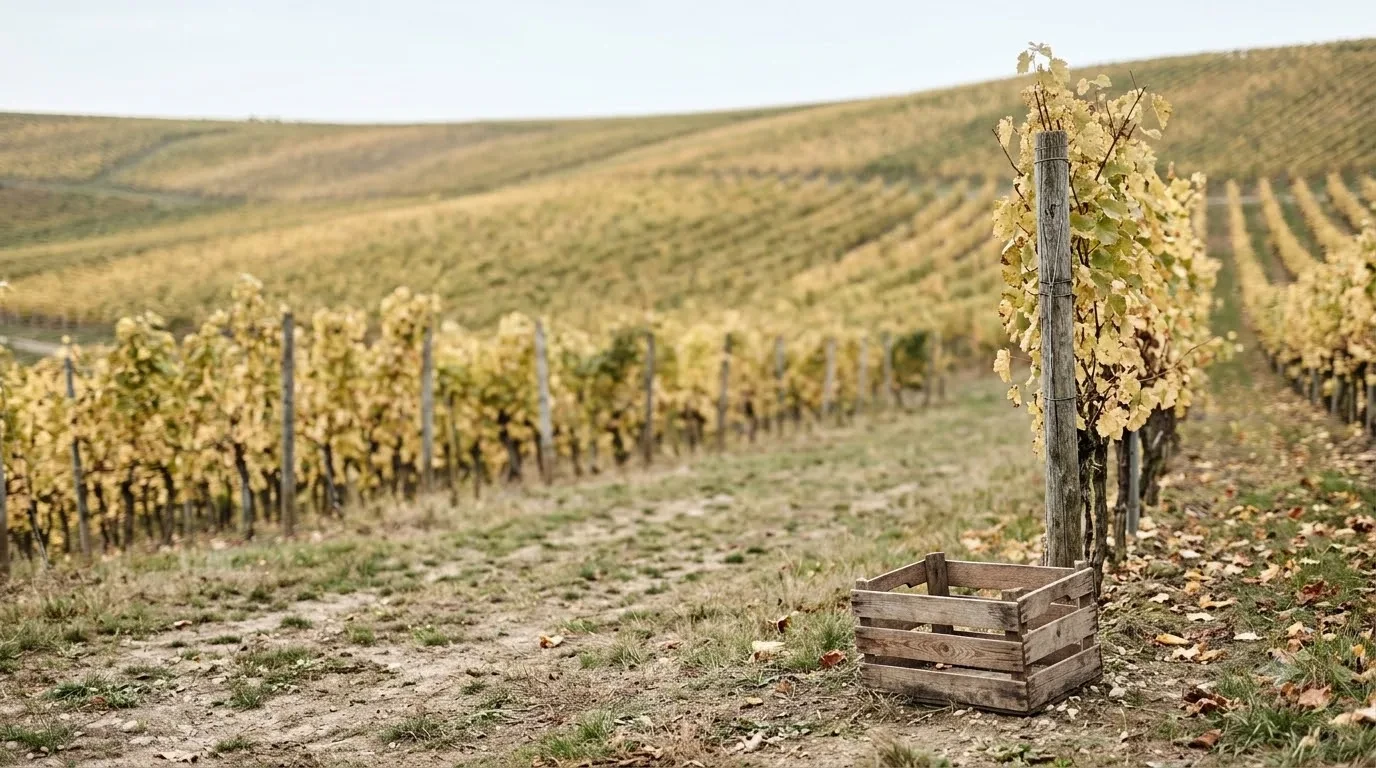
Firestone Vineyard wine comes from a family-run estate in the Santa Ynez Valley of Santa Barbara County, California. According to the winery, Leonard Firestone founded the estate in 1972, and it calls itself the first estate winery in Santa Barbara County. Its wines are shaped by the valley’s cool, ocean-influenced climate and by a vineyard that has been farmed in one place for more than five decades.
This guide explains where Firestone Vineyard wine comes from, what the valley does to the grapes, how the wines are usually served and paired, and how to plan a visit or a purchase. It draws on the winery’s own published description of its estate and on general wine references, so you can tell which details come from the producer and which are broader background.
Who makes Firestone Vineyard wine
The estate traces back to Harvey Firestone’s son, Leonard, who started the winery in 1972. The winery’s site names Leonard’s son, Brooks, as a key figure in the estate’s later history. Keeping the same family name on the label is one reason many American shoppers see Firestone as a long-established local producer rather than a brand built for shelves.
The winery’s website describes its vineyards as spanning 325 certified sustainable acres in the Santa Ynez Valley appellation. Sustainable certification covers how the vines are farmed and how the land is managed, so it tells you more about the vineyard than about the taste of any one bottle. The tasting room sits on Zaca Station Road in Los Olivos, which is the easiest place to see the estate in person.
Why the Santa Ynez Valley shapes the wine
The Santa Ynez Valley runs east to west, which lets cool marine air move inland from the Pacific. That airflow keeps afternoons cooler than many inland California districts, so grapes ripen more slowly and keep more natural acidity. Growers in the valley often describe the wines as fresher and more structured than the big, warm-climate bottles found further inland.
Soil and slope matter too. Vineyards on different parts of the estate can ripen at slightly different times, which gives winemakers more than one option when they blend. For a shopper, the practical takeaway is that a Santa Ynez wine often tastes brighter than its alcohol level suggests, even when it is made in a rich style.
Wine styles and what to expect
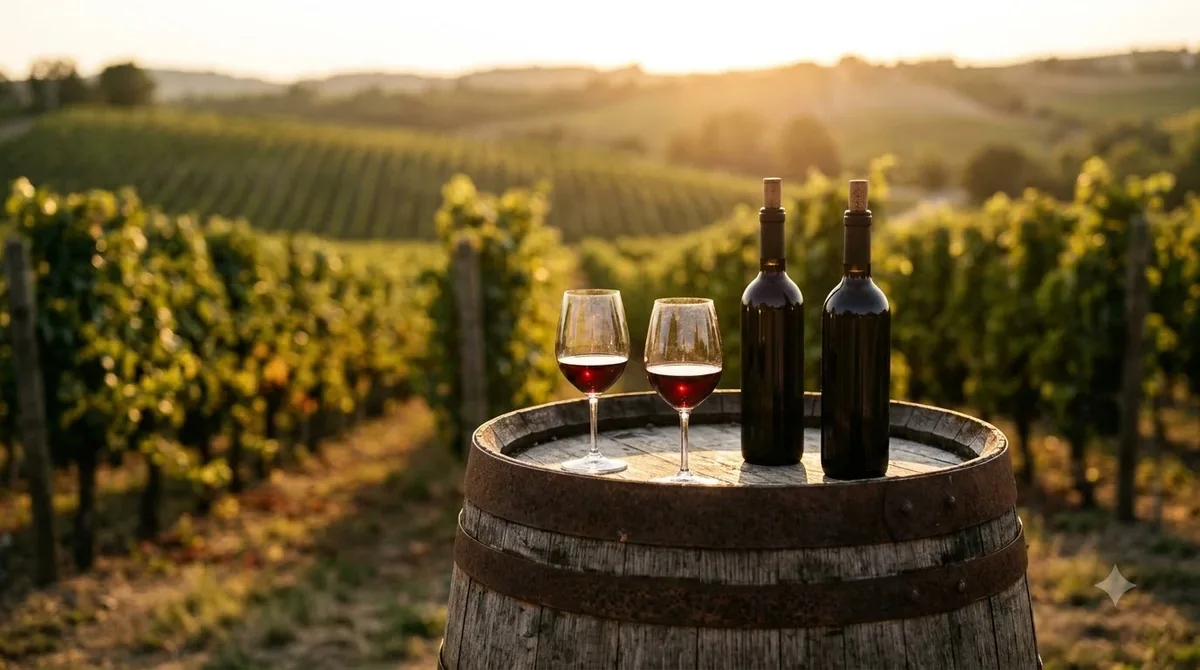
The winery’s public pages refer to its award-winning wines and its bottle lineup, but the pages reviewed here do not list every varietal by name. Check the current release list on the winery’s website before you buy, because the lineup changes with each vintage. The general picture is still useful: cool-climate Santa Barbara wines tend to show crisp fruit, good acidity, and a clean finish, while richer reds show darker fruit and firmer tannins.
Read a bottle’s label for three things: the grape or blend, the vintage year, and the appellation. The appellation tells you how far the grapes traveled from the vineyard to the winery, which helps you predict the style before you open it. Firestone Vineyard wine is labeled within the Santa Ynez Valley appellation, which sets the expectation for a cool-climate profile.
| What to check | Why it matters | What it tells you |
|---|---|---|
| Vintage year | Weather varies from season to season | Cooler years can taste leaner and brighter |
| Appellation | Shows the growing area | Santa Ynez Valley points to a cool-climate style |
| Grape or blend | Sets the core flavor | Confirms whether the bottle is white, red, or a blend |
| Alcohol level | Affects body and warmth | Higher numbers usually mean a fuller, heavier wine |
How to serve Firestone Vineyard wine
Serving temperature changes how a wine tastes, so it is worth getting right. For a full-bodied red, Wine Folly’s guide to Cabernet Sauvignon suggests serving it between 60 and 68°F, which is cooler than most American living rooms. Chill lighter white wines to a cool, refreshing temperature and let them warm slightly as you drink them.
Use a wide-bowled glass for reds so the aromas can open, and pour a small amount first to let the wine breathe. Whites usually do better in a narrower glass that keeps the fruit focused. If a red tastes tight or muted when first opened, a short wait in the glass often helps more than a long decant.
Tip: If a bottle is too warm, put it in the refrigerator for 15 to 20 minutes before serving. This works well for reds that feel heavy at room temperature.
Food pairings that suit the estate’s style
Wine Folly notes that Cabernet Sauvignon pairs well with grilled meats and boldly seasoned sauces, because the wine’s tannins cut through fat and the fruit balances smoke and pepper. Cool-climate reds from the Santa Ynez Valley follow the same logic, and they also suit roasted vegetables, mushrooms, and herb-heavy dishes that do not overpower the wine.
Lighter white wines from the valley fit seafood, roast chicken, and fresh salads. The acidity cleans the palate between bites, which makes them easy partners for a relaxed dinner rather than a formal course-by-course meal.
How to buy and where to visit
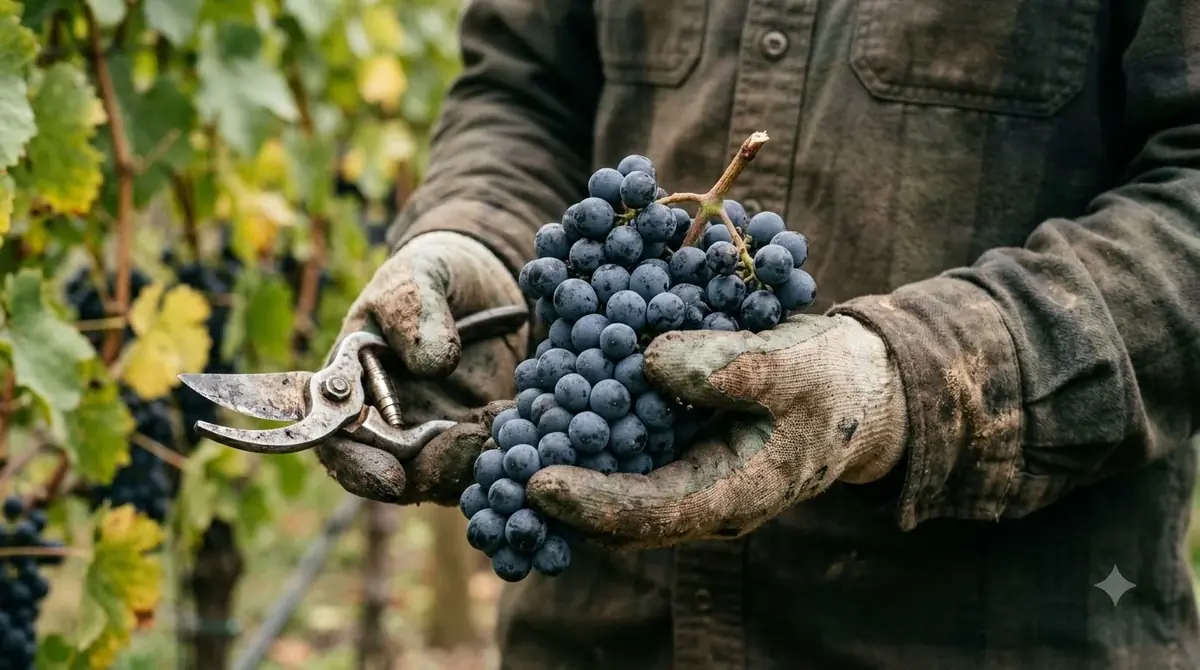
Most shoppers find Firestone Vineyard wine through the winery’s website, through retail shops that carry Santa Barbara wines, or in person at the Los Olivos tasting room. Buying direct lets you ask staff about the current vintage and any limited releases that are not sold in stores. If you are planning a trip, the Santa Ynez Valley has several tasting rooms within a short drive, so it is practical to visit more than one estate in a day.
When you buy a bottle to keep, store it on its side in a cool, dark place. A cellar temperature of around 55°F is common advice for reds, but most bottles will hold up well for a few months at normal room temperature if you plan to open them soon. For a broader view of how producers differ, the wine brands guide is a helpful next read.
If you are new to Santa Barbara wines, a good way to learn the estate’s style is to taste a white and a red from the same vintage side by side. The contrast shows how the valley’s cool air shapes fruit and acidity in each grape, and it gives you a clearer sense of what you like before you commit to a full case.
Frequently Asked Questions
When was Firestone Vineyard founded?
According to the winery’s website, the estate was founded in 1972 by Leonard Firestone, son of tire pioneer Harvey Firestone. The winery describes itself as the first estate winery in Santa Barbara County.
Where are Firestone Vineyard grapes grown?
The winery says its vineyards span 325 certified sustainable acres in the Santa Ynez Valley appellation of Santa Barbara County. The valley’s cool, ocean-influenced climate is a major part of the wines’ character.
What food goes well with Firestone Vineyard wine?
Richer reds pair well with grilled meats, roasted vegetables, and mushroom dishes. Lighter whites suit seafood, roast chicken, and fresh salads. Match the wine’s weight to the weight of the food.
Can I visit the Firestone Vineyard tasting room?
Yes. The winery’s address is 5017 Zaca Station Road in Los Olivos, California. Check the winery’s website for current tasting hours and reservation details before you go, since they change by season.
Firestone Vineyard wine is a good choice for anyone who wants a Santa Barbara estate with a long history and a clear sense of place. Start with the winery’s current lineup, pay attention to the vintage and appellation on the label, and serve reds slightly cooler than room temperature. Once you know the style you like, you can compare it with other California wine brands that come from very different climates.
More in Wine Brands
 Underwood Wine Price: Compare Bottles, Cans, and Pack SizesUpdated Nov 21, 2026
 Zenato Wine Price: Compare Styles and Choose the Right BottleUpdated Nov 21, 2026
 Zuccardi Wine Price: Compare Bottles and Find the Right RangeUpdated Nov 21, 2026
 Yellow Tail Moscato Review: Taste, Sweetness and Serving TipsUpdated Nov 21, 2026
 Wolf Blass Yellow Label Review: Choose Your Best StyleUpdated Nov 21, 2026
 Wolffer Estate Rose Review: Choose the Right Bottle for Your TableUpdated Nov 21, 2026