

We may earn a commission when you buy through links on this page, at no extra cost to you. Learn more.
Fenn Valley wine is easiest to judge once you know Michigan’s wine regions, because the state’s vineyards cluster along Lake Michigan and that shapes what ends up in the glass. Michigan has five American Viticultural Areas, and almost all of its wine grapes are grown within about 25 miles of Lake Michigan. The Fennville and Lake Michigan Shore areas together account for roughly 45 percent of the state’s wine grapes, so the lake’s influence on the climate is central to the state’s wine style.
This guide explains how to read a Michigan label, what the lake does for the grapes, which varieties show up in the state, and how to serve and pair a Michigan wine so you get the most from the bottle.
Where Fenn Valley wine comes from
When a bottle carries the Fenn Valley name, the most useful thing to check is the appellation line on the label. Michigan has five federally recognized American Viticultural Areas: Fennville, Lake Michigan Shore, Leelanau Peninsula, Old Mission Peninsula, and Tip of the Mitt. Each one has a distinct mix of soil, slope, and lake exposure, and each produces a slightly different style of wine.
The Fennville name is in the list for a reason. According to the Michigan wine overview on Wikipedia, the Greater Traverse City area, including the Leelanau and Old Mission peninsulas, accounts for 51 percent of the state’s wine grapes, while the Fennville and Lake Michigan Shore regions account for 45 percent. Those figures show that Michigan’s vineyards are concentrated along the lake shore rather than spread across the interior, and the label’s appellation tells you which shore area supplied the fruit.
Why Lake Michigan shapes the wine
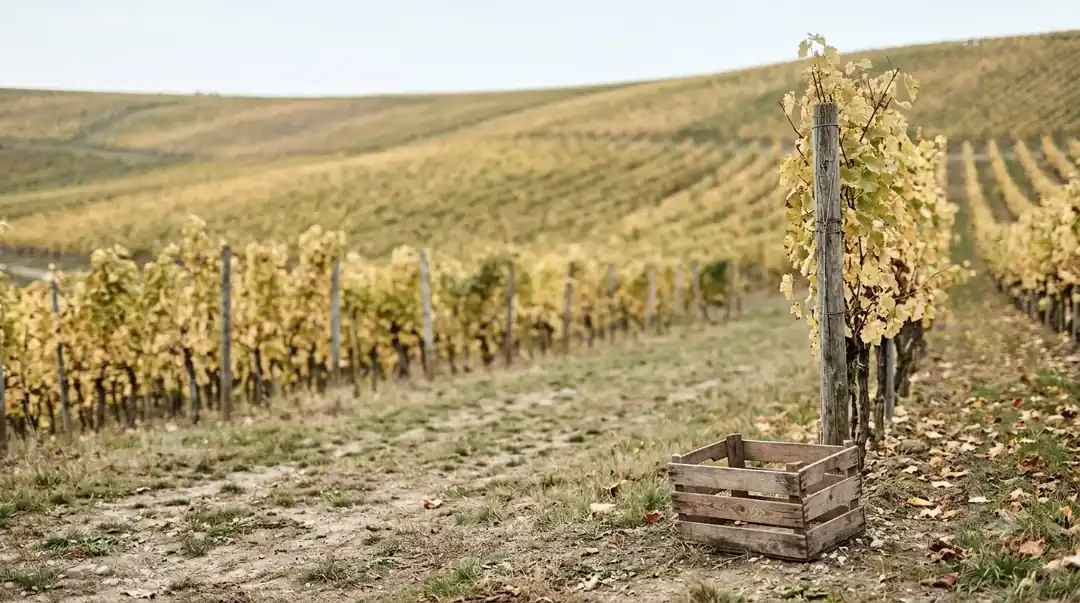
Michigan has a continental climate, but the lake changes it in important ways. The lake effect creates a favorable microclimate compared with the state’s interior, which is why so many vineyards are planted close to the water. The growing season is roughly 145 days in northern wine regions and about 160 days in southern regions, and that difference influences which varieties ripen reliably in each area.
The same climate brings risks. Vineyards face late spring and early fall cold snaps, and in some years there is not enough warmth to fully ripen the fruit. Rain during the ripening period can also raise the risk of rot and mildew. Growers manage these risks with site selection, canopy work, and variety choice, and the end result is a wine that often shows bright acidity and a clear sense of the vintage.
Grape varieties you will see in Michigan
Michigan grows a broad mix of European and American grapes. Among the European vinifera varieties listed in the state’s overview are Chardonnay, Cabernet Franc, Gewürztraminer, Pinot noir, Merlot, Syrah, Pinot gris, and Riesling. Each one brings its own profile to the glass, and the grape name on the label is often the quickest guide to style.
The state also grows hybrid and native-influenced grapes, including Concord, Niagara, Catawba, Vidal blanc, and Chambourcin. These varieties are often used in sweeter or fruit-forward wines, and they are part of why Michigan wine can look so different from the wines of California or Oregon. When you read a Michigan label, check the grape name first, because it tells you more about the style than the brand alone.
| Michigan AVA | Location relative to Lake Michigan | What to look for on the label |
|---|---|---|
| Fennville | Southwest Michigan shore | Fennville appellation, lake-shore fruit |
| Lake Michigan Shore | Southwest Michigan shore | Shore appellation, cool-air influence |
| Leelanau Peninsula | Northwest Michigan peninsula | Traverse City area fruit |
| Old Mission Peninsula | Northwest Michigan peninsula | Traverse City area fruit |
| Tip of the Mitt | Northern tip of the Lower Peninsula | Northern lake-effect fruit |
The table is a practical starting point. Each AVA name on a label points to a set of vineyards with similar conditions, so you can compare bottles from the same shore area and see how the vintage and winemaker change the result.
How to serve a Michigan wine
Serve whites cool and reds slightly below room temperature. Chardonnay and Riesling taste brightest when they are chilled, while Pinot noir and Merlot show more fruit when they are not too warm. Sweeter fruit wines are often best cold, because the chill balances the sugar and lifts the aromas.
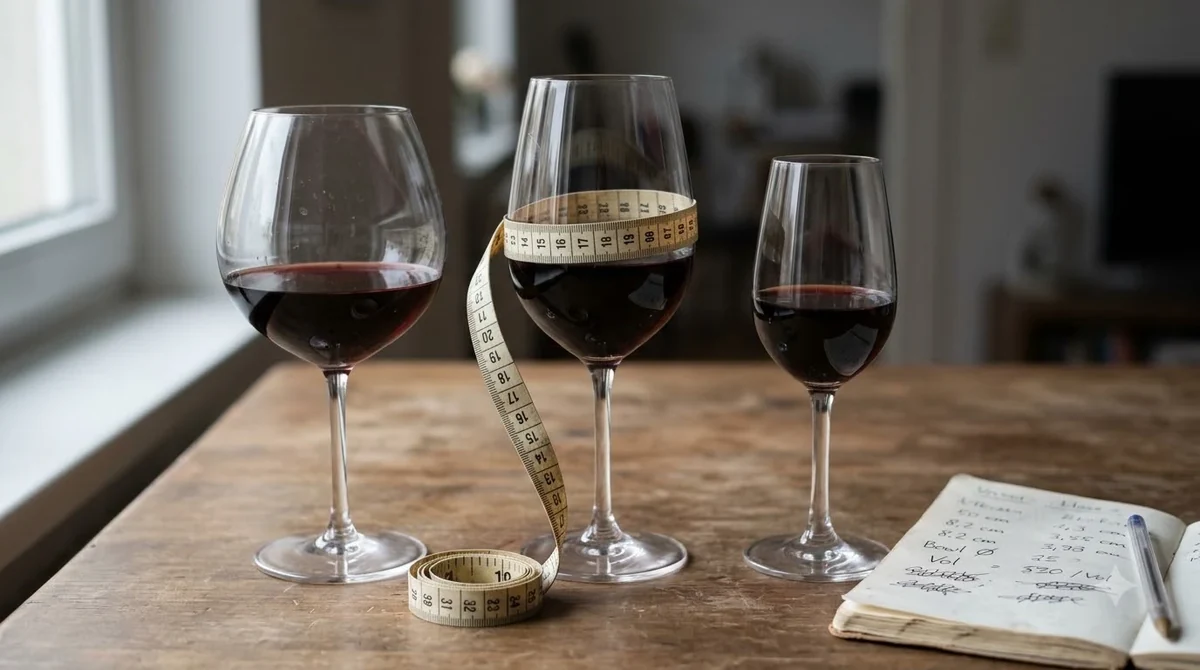
Glassware is simple: a medium bowl for reds and a slightly smaller bowl for whites. Pour moderately so the wine has room to show its aroma, and give a bottle a few minutes in the glass before judging it. Michigan wine is a good candidate for casual sharing, so a standard glass and an unfussy approach suit the style.
Food pairings for Michigan wines
Michigan’s cool-climate whites and bright, acidic reds pair well with food that has clear flavors. Riesling and Gewürztraminer suit spicy dishes, pork, and roasted chicken with fruit or herbs. Chardonnay works with fish, creamy sauces, and roasted vegetables. Pinot noir and Cabernet Franc are good partners for mushrooms, duck, salmon, and grilled dishes with a touch of char.
Fruit-forward wines made from hybrid or native-influenced grapes can be a pleasant match for casual foods. Think burgers, barbecue, and cheese plates. Match the richness of the food with the body of the wine, and use acidity to keep the pairing fresh. When in doubt, a semi-firm cheese or a simple roast is a dependable choice.
Michigan wine as a destination
Michigan’s wine industry has a strong tourism side. The state’s overview on Wikipedia reports that more than 800,000 tourists visited Michigan wineries in 2005, and that wine and enotourism were estimated to have an economic impact of about 5.4 billion dollars in 2017, up from about 300 million dollars in 2007. The state also designates May as Michigan Wine Month, a time when many tasting rooms run special events.
If you plan to visit, the lake-shore areas are a natural place to start. Choose one AVA for a day trip so you can taste wines from similar vineyards side by side. Ask staff about the vintage and grape for each pour, because the same variety can taste quite different across the state’s regions.
How to choose a Fenn Valley bottle
Begin with the appellation line, then the grape. If you want a crisp white, a Michigan Riesling or Chardonnay from a lake-shore area is a good place to start. If you prefer a red with soft tannins and bright fruit, Pinot noir or Cabernet Franc from the Fennville or Lake Michigan Shore areas is worth trying. If you like a sweeter glass, look for a fruit-forward or hybrid-based bottle and check the sweetness on the label or the producer’s notes.
For a gift, choose a bottle that tells a clear regional story. A Michigan wine with a visible appellation and grape name is easy to discuss at the table. You can also compare other winery guides on this site, such as the Spottswoode wine guide, to see how a single producer’s range can differ from region to region.
Frequently Asked Questions
What is the Fennville AVA?
Fennville is one of Michigan’s five American Viticultural Areas and sits on the state’s southwest lake shore. Together with the Lake Michigan Shore area, it accounts for about 45 percent of the state’s wine grapes.
Does Michigan wine grow Chardonnay?
Yes. Chardonnay is among the European vinifera varieties grown in Michigan, alongside Riesling, Pinot noir, Merlot, and Cabernet Franc.
Why is Lake Michigan important for Michigan wine?
The lake creates a lake-effect microclimate that is more favorable than the state’s interior. Almost all of the state’s wine grapes are grown within about 25 miles of the lake, which is why shoreline appellations dominate production.
When is Michigan Wine Month?
Michigan designates May as Michigan Wine Month, and many wineries host events and tastings during that time.
A Fenn Valley wine is easiest to choose when you read the appellation, the grape, and the vintage on the label, then match the bottle to the meal. For more regional and brand guides, browse the Wine Brands section and compare the bottles that interest you.
More in Wine Brands
 Underwood Wine Price: Compare Bottles, Cans, and Pack SizesUpdated Nov 21, 2026
 Zenato Wine Price: Compare Styles and Choose the Right BottleUpdated Nov 21, 2026
 Zuccardi Wine Price: Compare Bottles and Find the Right RangeUpdated Nov 21, 2026
 Yellow Tail Moscato Review: Taste, Sweetness and Serving TipsUpdated Nov 21, 2026
 Wolf Blass Yellow Label Review: Choose Your Best StyleUpdated Nov 21, 2026
 Wolffer Estate Rose Review: Choose the Right Bottle for Your TableUpdated Nov 21, 2026