

We may earn a commission when you buy through links on this page, at no extra cost to you. Learn more.
Felton Road wine is a Central Otago winery in New Zealand’s Bannockburn area, best known for Pinot Noir and also making Chardonnay and Riesling. The winery farms its vineyard, called The Elms, using organic, biodynamic and regenerative methods, and it ships to more than 40 countries. Bannockburn is a dry, sunny and cool-night setting that suits Pinot Noir, which is why the district’s wines are often compared with the best of the region.
This guide covers where Felton Road sits, what the winery makes, how its farming approach shapes the bottle and how to serve its wines. It is written for shoppers who see the name on a list or a shelf and want to know what the brand stands for.
Where Felton Road is and what the district is like
Bannockburn is a small historic gold mining town outside Cromwell in Central Otago, on New Zealand’s South Island. The area is known for some of the highest temperatures and lowest rainfall in the Central Otago wine region. That dry climate and the local soils suit Pinot Noir, and wine in the district focuses primarily on that variety.
Because geographic constraints limit output, most vineyards in Bannockburn make small-volume, high-quality wines. Felton Road is one of the names most often mentioned alongside other Bannockburn producers, including Akarua, Bannock Brae, Mt. Difficulty and Terra Sancta. The district’s size and output mean that many wines from the area are sold in limited quantities.
The town itself is small. Settlement plans began in 1862, and the town had 477 residents at the 2018 census. That quiet, low-density landscape suits growers who want to focus on a few vineyards rather than large-scale output, and it helps explain why the district’s wines feel distinctly local.
Felton Road’s own vineyard is called The Elms. Its website refers to Block 2 and Block 3, which gives the estate a clear structure for its plantings. The site describes the winery as shipping to over 40 countries and employing more than 25 people, which places it among the larger producers in the district.
The history of the winery itself is not covered in detail on its website, so this guide sticks to what the estate says about its vineyard, its wines and its farming methods rather than inventing a founding story.
What Felton Road makes
The winery’s range is organized into four categories on its site: Pinot Noir, Chardonnay, Riesling and Other. Pinot Noir is the core of the portfolio and the style most people associate with the estate. Chardonnay and Riesling add a white counterpoint, and the Other category covers smaller bottlings that do not fit the main three.
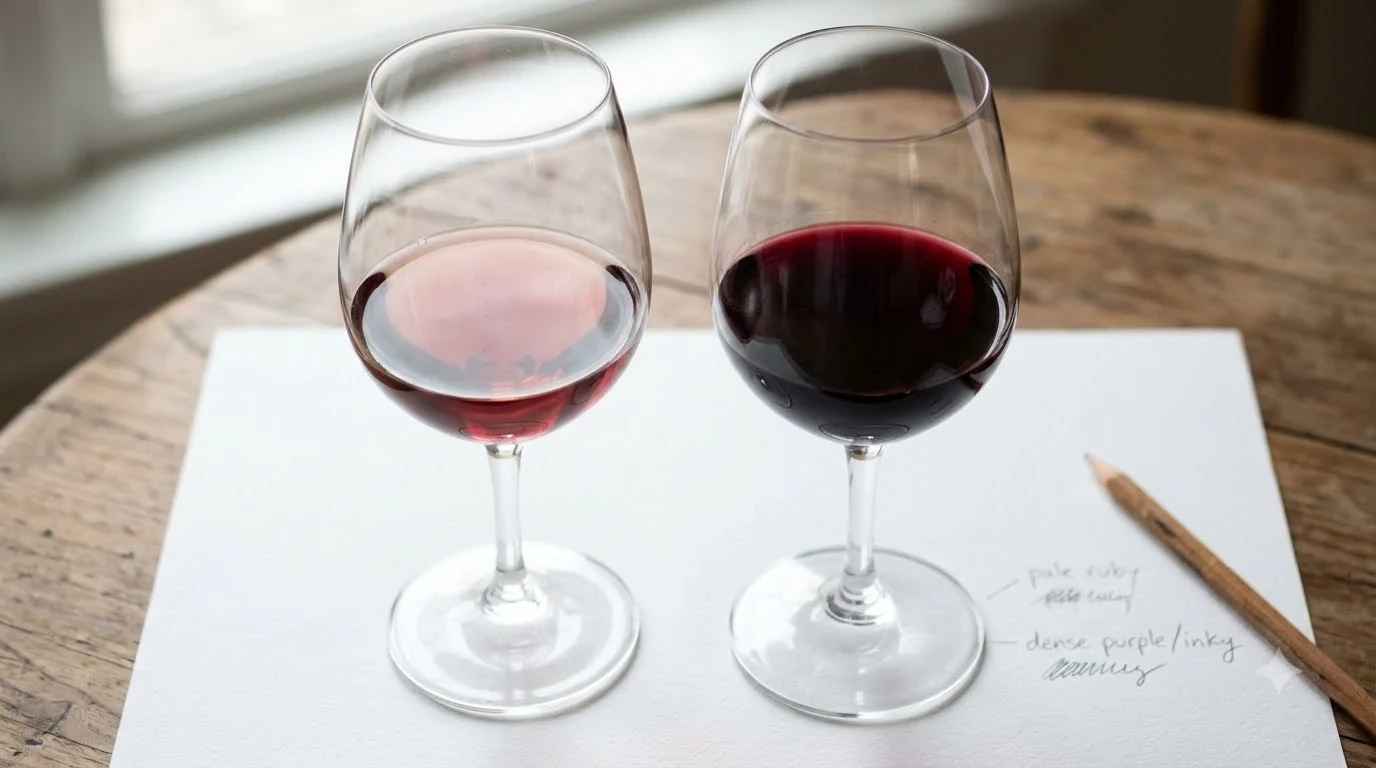
Pinot Noir from Central Otago is generally expected to show red fruit, fresh acidity and a fine, silky texture. The cool nights of the district help the wines hold acidity, while the dry, sunny days help the fruit ripen. That combination is a big part of why the district is so closely associated with Pinot Noir.
| Category on the site | What it covers | Good starting point for |
|---|---|---|
| Pinot Noir | The core red range from the Bannockburn district | Buyers who want the estate’s signature style |
| Chardonnay | A white range for a fuller, food-friendly bottle | Buyers who want a white with some body |
| Riesling | An aromatic white with fresh acidity | Buyers who like crisp, fruit-forward whites |
| Other | Smaller bottlings outside the main three | Buyers who want to explore the range |
Because the portfolio is compact, the Pinot Noir often serves as the best first purchase for someone new to the brand. Once you know the house style, the Chardonnay and Riesling are a natural next step for a mixed table.
Farming and sustainability: how the vineyard is run
The winery follows organic, biodynamic and regenerative practices in its vineyard. The site describes these methods as ways to reduce the carbon footprint of the wine, and it states that it does not claim the full carbon saving in its official count. It also says it aims to reach “real zero” through its own work rather than relying on carbon offsets.
Felton Road measures its emissions under ISO 14064 scopes 1, 2 and 3, and the site reports an expected carbon total of about 250 tonnes this year, which it describes as half the level of a few years ago. A new solar array on a hillside just east of the winery is expected to lift generation to about 80 kW, with 57 kWh of battery storage. An earlier array of 120 panels sits on the winery roof, and surplus power goes to the grid.
The winery’s logos show certifications from IWCA, B Corp, Demeter and a biodynamic-related body, and it links to an independent certifications page. Buyers who care about farming methods can use those links as a starting point before they choose a bottle.
It is worth separating two ideas here. Organic and biodynamic farming describe how the vineyard is managed, while the carbon figures describe the winery’s operations. The estate reports both, and it is clear that it does not claim every carbon saving in its official count. That openness makes its sustainability reporting easier to read than a single headline claim.
Tip: If you want a sense of the estate’s farming approach, read the winery’s own certifications page before you buy. It lists the bodies behind each logo and explains what each one covers.
How to serve Felton Road Pinot Noir and whites
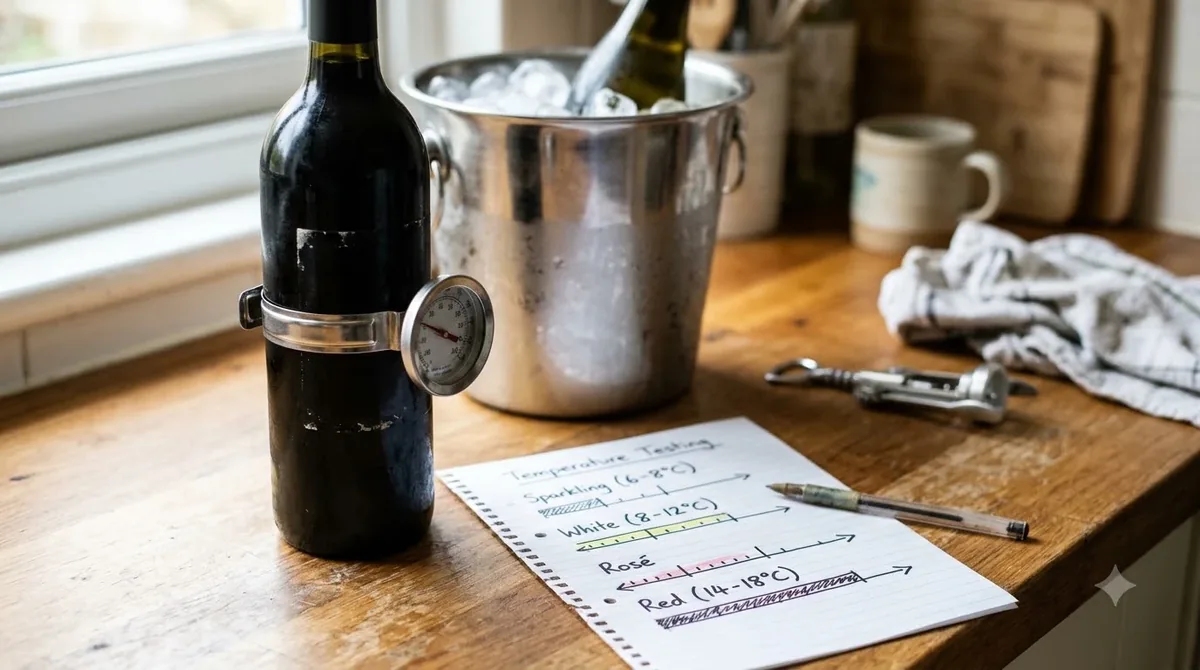
Serve the Pinot Noir slightly cool rather than warm, which keeps the fruit lively and the tannin soft. The whites are best served chilled but not ice cold, so the Chardonnay’s texture and the Riesling’s aroma can show. A large glass helps the Pinot open up, and most bottles do not need long decanting.
Pinot Noir is one of the most food-friendly reds. It pairs well with roast chicken, salmon, duck and mushroom dishes. Chardonnay suits roast poultry and creamy sauces. Riesling is a good match for spicy dishes and fresh salads, because its acidity balances heat and richness.
How to choose and store a bottle
Check the vintage and the variety on the label. The Pinot Noir is the core of the range, so a bottle from a good year is usually a safe choice. Retailers in the United States may carry only part of the lineup, so ask about the specific bottling you want.
Store bottles on their side in a cool, dark place with steady temperature. A wine fridge is the easiest option for a small collection. For a comparison with another producer’s red, the Aveleda wine guide covers a different house, and the Austin Hope red wine guide covers a California red.
Frequently Asked Questions
Where is Felton Road located?
The winery is in the Bannockburn area of Central Otago on New Zealand’s South Island. The district is a dry, sunny setting known for Pinot Noir.
What wines does Felton Road make?
The range is organized into Pinot Noir, Chardonnay, Riesling and an Other category for smaller bottlings. Pinot Noir is the core of the portfolio.
Is Felton Road organic or biodynamic?
The winery says it follows organic, biodynamic and regenerative practices in its vineyard. Its site also lists Demeter and B Corp logos among its certifications.
How should I serve Felton Road Pinot Noir?
Serve it slightly cool rather than warm, in a large glass. It pairs well with roast chicken, salmon, duck and mushroom dishes.
Felton Road wine is an easy brand to understand once you know its focus on Pinot Noir and its farming approach. The Central Otago setting, the Elms vineyard and the winery’s sustainability reporting all help explain the style. To read the winery’s own account of its vineyard and wines, visit the Felton Road website, and browse our wine brands section for other producers.
More in Wine Brands
 Underwood Wine Price: Compare Bottles, Cans, and Pack SizesUpdated Nov 21, 2026
 Zenato Wine Price: Compare Styles and Choose the Right BottleUpdated Nov 21, 2026
 Zuccardi Wine Price: Compare Bottles and Find the Right RangeUpdated Nov 21, 2026
 Yellow Tail Moscato Review: Taste, Sweetness and Serving TipsUpdated Nov 21, 2026
 Wolf Blass Yellow Label Review: Choose Your Best StyleUpdated Nov 21, 2026
 Wolffer Estate Rose Review: Choose the Right Bottle for Your TableUpdated Nov 21, 2026