


We may earn a commission when you buy through links on this page, at no extra cost to you. Learn more.
Fall Creek wine comes from Fall Creek Vineyards, a Texas Hill Country winery founded in 1975 and known for grapes such as Tempranillo, Sauvignon Blanc and Chardonnay. The winery is one of the oldest in Texas, and its founders helped build the state’s modern wine industry. This guide explains where the brand came from, which bottlings people talk about most, and how it compares with other everyday wines.
If you have seen this label on a shelf and wondered whether it is worth a bottle, this guide gives you a clear starting point. It covers the winery’s background, the styles you are likely to find, and what to expect in the glass. It also offers practical advice on buying, serving and storing these wines at home.
What Is Fall Creek Wine?
Fall Creek wine is the output of one Texas producer, Fall Creek Vineyards, which makes whites, rosés and reds. The name refers to the whole family of bottles from that winery rather than a single style. Knowing this helps you shop, because each label tells a different story about grape and place.
The winery describes its approach as site-specific. Its own materials say each vineyard site has its own terroir, and the team chooses grape varieties suited to the soils of that site. That philosophy explains why the lineup includes warm-climate grapes rather than one signature style.
In practice, you will see bottles labeled by grape variety and sometimes by vineyard. Read the back label for the grape, the region and the vintage. Those details tell you more about what is in the glass than the brand name alone.
Brand History and Winery Origins
Fall Creek Vineyards began in 1975, when Ed and Susan Auler planted a vineyard near Lake Buchanan. The couple were Texas cattle ranchers before they became winemakers. A trip to France inspired them, and they saw similarities between the Hill Country and European wine regions.
The winery’s Fall Creek Vineyards about page notes that the estate vineyard was planted in 1975 with some of the first vinifera vines in Texas. That early planting is a big reason the brand is often cited in Texas wine history. Vinifera grapes are the European varieties that most fine wine is made from.
A Texas wine writer at The Corkscrew Concierge describes the winery as the second oldest in the state and the first Texas Hill Country winery. The same writer credits the Aulers with founding the Texas Hill Country Wine and Food Festival in 1986. They also helped the region earn its appellation status in 1990.
More recently, the winery marked its 50th anniversary by transferring ownership to Sergio Cuadra, its former director of winemaking. The announcement stressed continuity with the founders’ vision. For a buyer, that means the brand has a new owner but keeps its Texas focus and its emphasis on local vineyards.
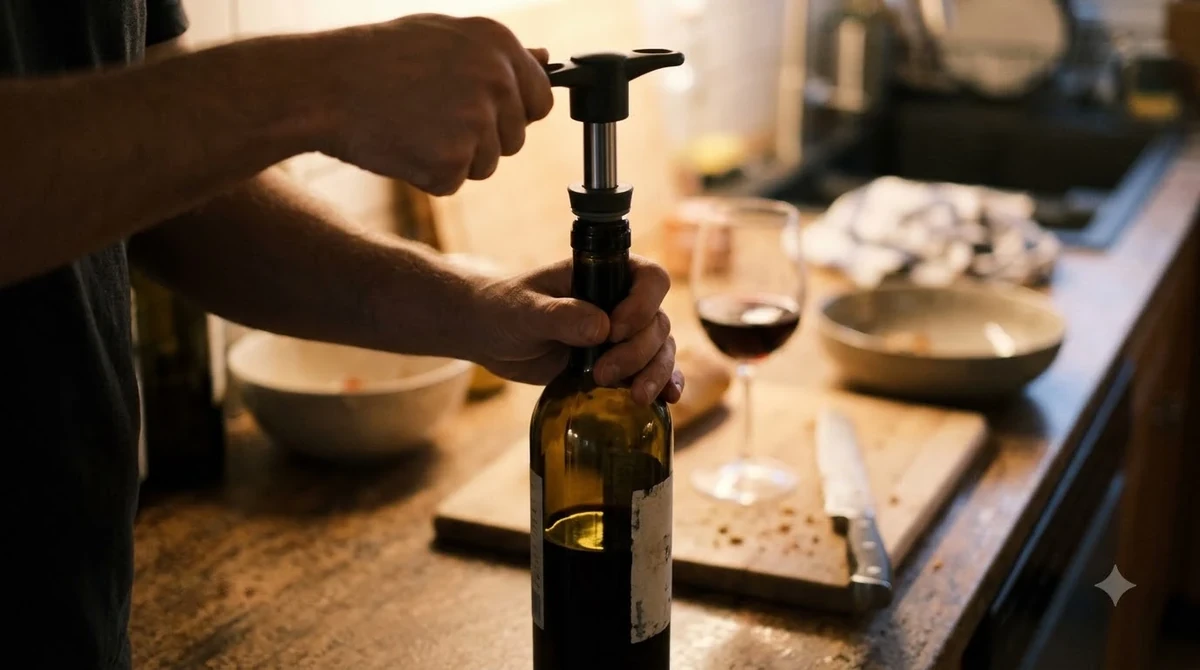
Popular Fall Creek Wine Varieties
Fall Creek makes wines across several grape families, and the bottlings reviewers mention most include Tempranillo, a Sauvignon Blanc and a Merlot-led rosé. Each one shows a different side of Texas winemaking. The table below compares them by style and typical food matches.

| Bottling | Main grape or blend | What reviewers mention | Good food match |
|---|---|---|---|
| Sauvignon Blanc, Escondido Valley (2019) | Sauvignon Blanc | Aromatic, with tropical fruit like apricot, mango and peach | Fish tacos and fresh salads |
| Merlot Rosé, Vintner’s Selection | Mostly Merlot, with smaller shares of Tempranillo and Cabernet Sauvignon | Watermelon, cherry and orange cream notes with a fuller body | Patio sipping and charcuterie |
| Tempranillo, Salt Lick Vineyards (2018) | Tempranillo | Dark berry fruit with cedar, smoke and leather notes | Smoked pork, barbecue and chili |
| Chardonnay, Chenin Blanc, Grenache | Single varieties named by the winery | Listed among the winery’s focus varietals | Check the label for the specific style |
The Tempranillo deserves special attention. Reviewers note that the grape grows well in Texas and is often seen as the state’s signature red. The bottle described in one review is full-bodied, with an earthy character that suits smoky, rich dishes. It is a good choice if you enjoy bold reds with dinner.
The rosé is a blend, not a single grape. Its base is mostly Merlot, with small amounts of Tempranillo and Cabernet Sauvignon. Reviewers describe it as fruit-forward and weightier than many pink wines. Current releases change over time, so check the winery’s site for what is in production as of Nov 2026.
Taste Profile, Food Pairing and Serving
Fall Creek wines tend to show ripe fruit and fresh acidity, though each bottle has its own balance. The sources focus on fruit and structure rather than sugar levels. That means you should check the label or the winery’s technical information if sweetness matters to you.
Acidity is the key to food pairing. Bright whites cut through oily or spicy dishes, and a juicy rosé suits light starters. The Tempranillo’s earthy, structured profile complements grilled meats, roasted vegetables and smoky sauces. Match the wine’s weight to the dish, so a light white does not compete with a rich, heavy meal.
Serve white and rosé lightly chilled, rather than ice cold, so the aromas can show. Give reds a short rest out of the glass before pouring, especially if they come straight from a cool cellar or shelf. Keep bottles away from direct sun and heat, and store them in a cool, dark spot.
Once opened, re-cork whites and rosés and refrigerate them. Drink them within a few days for the best freshness. Reds keep for a shorter time than many people expect, so plan to finish an open bottle within a day or two.
Tip: Pour a rosé into a glass with a slightly narrower bowl to keep the fruit aromas focused. Use a wider glass for reds to give them more room to open up.
Price and Where to Buy Fall Creek Wine
Many shoppers see Fall Creek as an everyday option within Texas wine, but shelf prices change by store, state and vintage. Compare the current price where you shop rather than relying on a figure from an older article. Check your local retailer before you plan a purchase.
Common places to buy include wine shops, grocery stores with wine departments and online retailers that ship to your state. Wine shipping rules differ from state to state, so confirm that your state allows delivery before you order. Ask staff whether a bottle is the current vintage, since older releases can linger on shelves.
When you shop, look at the grape, region and vintage on the label. Reviewer notes can help you decide whether a style matches your taste. For broader context on brands like this one, browse the Wine Brands section of this site.
How Fall Creek Compares to Similar Budget Brands
Fall Creek competes with other value-focused brands by offering a clear Texas identity and a range of grape styles. Its main strengths are local character and varietal variety. The main trade-off is that a brand built on single varieties and specific sites can taste different from bottle to bottle.
Many everyday brands aim for a consistent, crowd-pleasing profile across every release. Fall Creek takes a different approach. Its focus on individual grapes and vineyard sites gives you more to learn about each bottle. That can reward a curious drinker who wants to explore Texas wine beyond the mainstream.
Sweeter, fruit-led styles are a common entry point for new wine drinkers. If that is your preference, compare Fall Creek with the sweeter style covered in the Jacob’s Creek moscato guide. For a red that works well for casual meals, you can also review the style notes in the 14 Hands Hot to Trot wine overview.
The best comparison is simple. Taste two or three bottles side by side at home, and note which one you want to buy again. Your own preference is a better guide than any brand reputation.
Frequently Asked Questions
Who makes Fall Creek wine?
Fall Creek wine is made by Fall Creek Vineyards, a Texas Hill Country winery founded in 1975 by Ed and Susan Auler. The winery transferred ownership to Sergio Cuadra on its 50th anniversary. The brand still emphasizes Texas terroir and local vineyard sources.
Is Fall Creek wine from Texas?
Yes. The winery is in the Texas Hill Country and sources grapes from its estate vineyards and select vineyards. Its materials describe a commitment to Texas-grown fruit and long-term relationships with grape growers.
Which Fall Creek wines are most talked about?
Reviewers often mention the Tempranillo, the Sauvignon Blanc and the Merlot-led rosé. This guide does not rank them, because preferences vary. Read recent tasting notes and compare them with your own taste.
Should Fall Creek wine be served chilled?
White and rosé styles are best served lightly chilled, so their aromas stay expressive. Red wines usually taste best slightly cooler than room temperature. Check the label or the winery’s guidance for the specific bottle you have.
Fall Creek wine offers a clear window into Texas winemaking, with a history that reaches back to 1975. Start with one white and one red, serve them with a meal, and see which style you prefer. Please drink responsibly and pace yourself with food and water.
More in Wine Brands
 Underwood Wine Price: Compare Bottles, Cans, and Pack SizesUpdated Nov 21, 2026
 Zenato Wine Price: Compare Styles and Choose the Right BottleUpdated Nov 21, 2026
 Zuccardi Wine Price: Compare Bottles and Find the Right RangeUpdated Nov 21, 2026
 Yellow Tail Moscato Review: Taste, Sweetness and Serving TipsUpdated Nov 21, 2026
 Wolf Blass Yellow Label Review: Choose Your Best StyleUpdated Nov 21, 2026
 Wolffer Estate Rose Review: Choose the Right Bottle for Your TableUpdated Nov 21, 2026